
Have you ever wanted to create a clear and simple layout of a room or playground from above? Drawing a birds-eye view floor plan lets you see everything in one glance.
It’s easier than you think, and you don’t need to be an artist to do it. In this guide, you’ll discover step-by-step how to draw a birds-eye view floor play that helps you organize spaces perfectly. By the end, you’ll have the skills to bring your ideas to life and make your designs stand out.
Ready to get started? Let’s dive in!
Basics Of Birds-eye View
Drawing a birds-eye view means showing a scene from above. It helps to see the layout clearly. This view is often used in floor plans and maps.
It gives a simple way to understand spaces and their relations. You can easily spot where things are placed at a glance.
What Is Birds-eye View
A birds-eye view is a drawing or image seen from high above. It looks straight down onto the subject. This angle shows the top of objects and the floor layout.
- It shows the full layout of a space.
- Helps to understand size and shape better.
- Used in architecture, games, and maps.
- Gives a clear view of walls, doors, and furniture.
Advantages For Floor Plans
Birds-eye view makes floor plans easy to read. It helps builders, designers, and owners see the entire space. This view also improves planning and communication.
| Advantage | Description |
| Clear Layout | Shows all rooms and spaces in one view. |
| Better Space Use | Helps arrange furniture and walls effectively. |
| Easy to Share | Simple for everyone to understand the design. |
| Planning Aid | Supports construction and remodeling decisions. |
Tools You Need
Drawing a birds-eye view floor plan needs the right tools. These tools help you create clear and accurate drawings.
There are two main types of tools: sketching supplies and digital software. Both have their own benefits.
Sketching Supplies
Sketching by hand allows you to quickly draw ideas and make changes. You need a few basic supplies to start.
- Pencils with different hardness (HB, 2B, 4B)
- Eraser to fix mistakes
- Ruler or straightedge for straight lines
- Graph paper to keep scale and proportions
- Colored pencils or markers to highlight areas
Digital Software Options
Digital tools help you make precise floor plans and easily edit them. Many programs offer different features for drawing.
| Software | Main Features | Best For |
| SketchUp | 3D modeling, easy interface | Beginners and professionals |
| AutoCAD | Detailed drafting and design | Architects and engineers |
| RoomSketcher | Floor plan creation with drag-and-drop | Homeowners and designers |
| Sweet Home 3D | Free, simple 2D and 3D plans | Hobbyists and students |
Preparing Your Space
Drawing a birds-eye view floor plan needs a clear space to work. Preparing your area helps you focus and keep tools handy.
Organize your materials and remove clutter. This makes it easier to measure and sketch your floor plan.
Measuring Dimensions
Start by measuring the length and width of each room. Use a tape measure for accuracy.
Write down all measurements clearly. Include doorways, windows, and walls.
- Measure walls from corner to corner
- Note door and window sizes
- Check ceiling height if needed
Noting Key Features
Identify important features in your space. These include furniture, appliances, and built-in fixtures.
Mark these features on your notes. This helps you place items correctly in your floor plan.
- Locate electrical outlets and switches
- Note fixed furniture like cabinets
- Mark heating or cooling vents
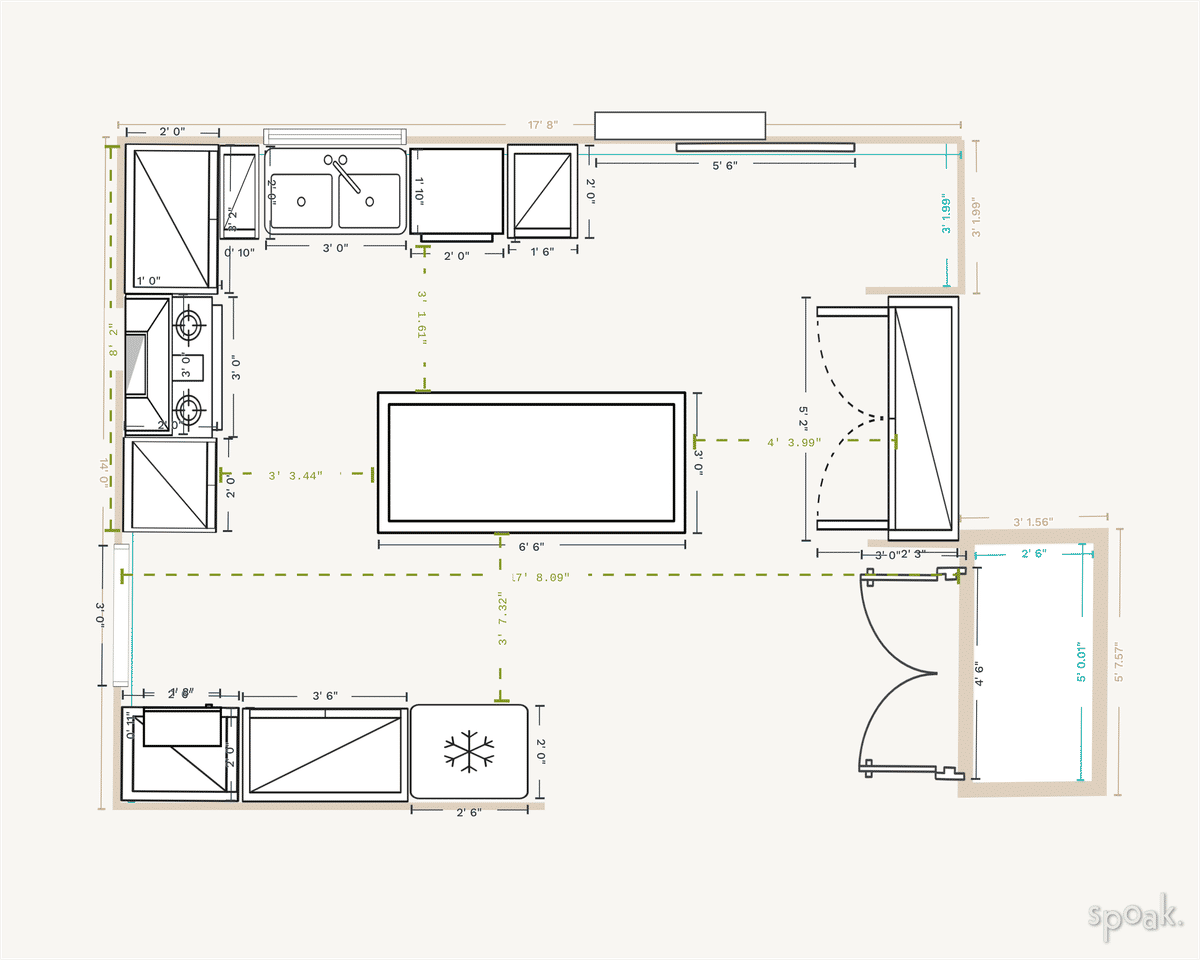
Credit: www.spoak.com
Drawing The Outer Walls
Drawing outer walls is the first step in a birds-eye view floor plan. Outer walls show the shape and size of the building.
Clear outer walls help make the floor plan easy to understand. Start with simple lines to mark the building’s edges.
Marking Boundaries
Mark boundaries by drawing straight lines where the walls will be. These lines show the limits of your floor plan.
Use a pencil to draw light lines first. You can erase and adjust them if needed.
- Start with the outer edges of the building
- Draw lines for each wall section
- Check that all corners are connected
- Keep lines straight and neat
Maintaining Scale
Keep your drawing to scale so it matches real sizes. This helps the floor plan look accurate.
Use a ruler or scale tool to measure walls. Decide on a scale, like 1 inch equals 4 feet.
- Choose a scale before you start drawing
- Measure each wall length carefully
- Draw walls using the chosen scale
- Double-check measurements for accuracy
Adding Interior Elements
Drawing a birds-eye view floor plan shows the layout from above. Adding interior elements helps make the plan clear. Doors, windows, and furniture give the room its character.
This guide explains how to place doors and windows. It also covers sketching furniture for a complete look.
Placing Doors And Windows
Doors and windows define how people move and see outside. Place them carefully to make the floor plan realistic and useful.
- Mark door locations on walls, showing the swing direction.
- Draw windows as thin rectangles on the wall lines.
- Keep door sizes consistent, usually 30 to 36 inches wide.
- Space windows evenly to balance light in the room.
- Show sliding doors with parallel lines and arrows.
Sketching Furniture
Furniture adds life to a floor plan. Sketching it helps show how space will be used.
| Furniture | Common Shape | Approximate Size |
| Sofa | Rectangle | 6 to 8 feet long |
| Dining Table | Rectangle or Circle | 4 to 6 feet wide |
| Bed | Rectangle | 5 to 6.5 feet long |
| Chair | Square or Circle | 2 to 3 feet wide |
Using Symbols And Labels
Drawing a birds-eye view floor plan is easier with clear symbols and labels. These help show the layout simply.
Symbols represent objects like doors and windows. Labels name each room to avoid confusion.
Common Floor Plan Symbols
Use simple symbols for walls, doors, and windows. Each symbol should be easy to recognize and draw.
- Walls:Thick lines show walls and boundaries.
- Doors:A straight line with an arc shows door swing.
- Windows:Thin lines or breaks in walls mark windows.
- Stairs:Parallel lines with arrows show stair direction.
- Furniture:Simple shapes show beds, tables, and chairs.
Labeling Rooms Clearly
Labels identify rooms and their purposes. Use easy words and place labels inside each room.
| Room | Label Example |
| Kitchen | KITCHEN |
| Living Room | LIVING |
| Bedroom | BEDROOM |
| Bathroom | BATH |
| Dining Room | DINING |
Refining Your Drawing
Refining your birds-eye view floor plan helps make it clear and accurate. This stage is important for improving your initial sketch. It brings your drawing closer to the final look.
Focus on correcting shapes and adding small details. These steps make your drawing easier to understand and more useful for planning.
Checking Proportions
Check the size of each room and object in your floor plan. Make sure they match real measurements or your design goals. Proper proportions keep the drawing balanced and realistic.
- Compare room sizes to your notes or measurements.
- Check furniture sizes against standard dimensions.
- Adjust walls to keep angles and lengths accurate.
- Use a ruler or scale tool for precise adjustments.
Enhancing Details
Add small features to your floor plan to improve clarity. Details like doors, windows, and stairs help viewers understand the space better. Use simple symbols to keep the drawing clean.
| Feature | Symbol | Purpose |
| Door | Line with arc | Shows entry and exit points |
| Window | Thin rectangle | Indicates natural light sources |
| Stairs | Series of parallel lines | Marks vertical movement areas |
| Furniture | Simple shapes | Displays room use and layout |
Tips For Accuracy
Drawing a bird’s-eye view floor plan requires careful attention. Accuracy helps make your drawing useful and clear.
Using the right tools and checking your work twice can avoid mistakes. This guide shares tips for better accuracy.
Working With Scale Rulers
Scale rulers help you draw rooms and objects in correct proportion. Choose a scale that fits your paper size.
- Pick a scale ruler that matches your drawing’s scale.
- Measure each wall and feature carefully with the ruler.
- Mark points lightly before drawing lines.
- Use different colored pencils to separate measurements.
- Keep your ruler steady to avoid errors.
Double-checking Measurements
Double-checking measurements prevents mistakes that can ruin your floor plan. Always verify before finalizing.
| Check Type | How to Do It | Why It Matters |
| Length | Measure walls twice with the scale ruler | Ensures correct room size |
| Angles | Use a protractor or angle tool to confirm corners | Keeps shapes accurate |
| Door and Window Sizes | Compare measured sizes to standard dimensions | Avoids fitting problems later |
| Overall Fit | Sum all measurements and check against total space | Prevents layout mistakes |
Common Mistakes To Avoid
Drawing a birds-eye view floor plan takes care and attention. Many beginners make simple mistakes. These errors can confuse viewers or ruin the design.
Avoiding these common mistakes will help you create clear and useful floor plans. Focus on space and scale to make your drawing easy to read.
Overcrowding The Plan
Too many details can make your floor plan look cluttered. Overcrowding hides important parts of the design. It also makes the plan hard to understand.
Keep your drawing simple. Only add key furniture and walls. Leave enough empty space so the plan looks clean and clear.
- Limit the number of objects in each room
- Use simple shapes for furniture
- Leave space between objects for clarity
- Focus on main features, not small details
Ignoring Proper Scale
Scale shows the real size of rooms and objects. Ignoring scale makes the plan misleading. It can cause problems when building or arranging furniture.
Use a ruler or grid to keep scale correct. Make sure all parts of the plan follow the same scale. This helps others understand the space better.
- Choose a scale ratio (e.g., 1 inch = 4 feet)
- Draw walls and furniture to match the scale
- Double-check measurements before finishing
- Label the scale clearly on the plan
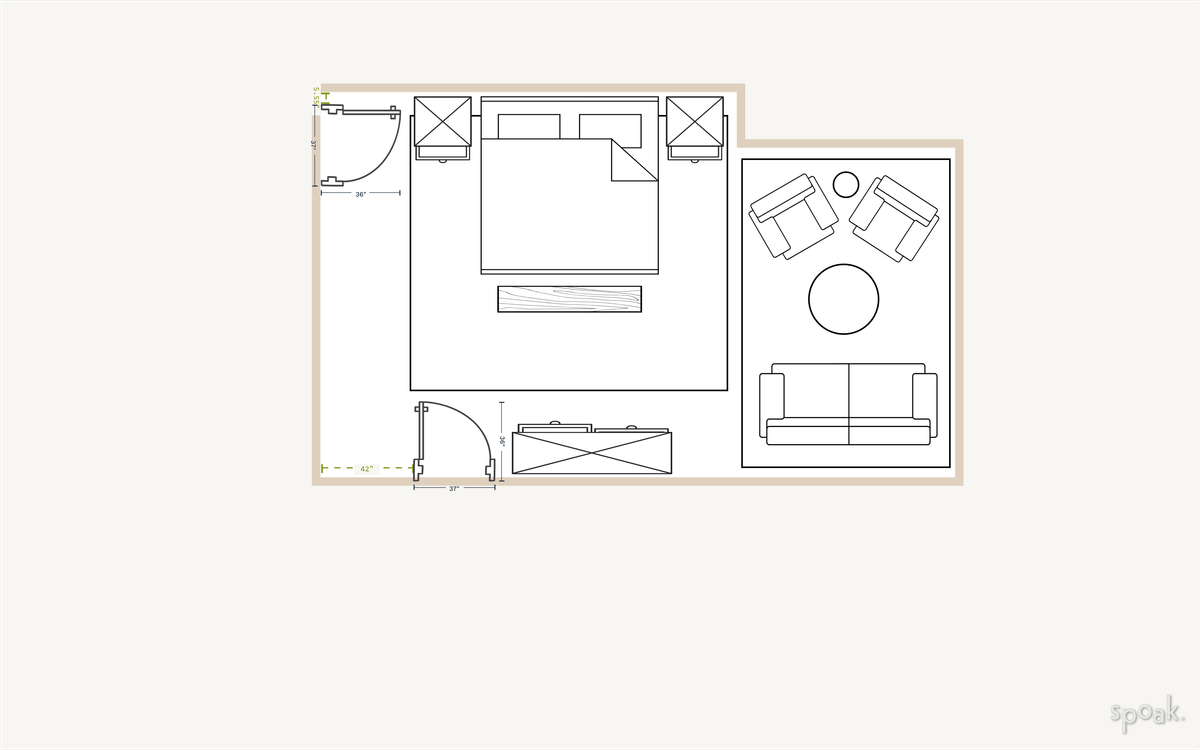
Credit: www.spoak.com
Practicing Your Skills
Drawing a birds-eye view floor plan takes practice. You need to learn how to see spaces from above.
Practicing helps you improve your accuracy and speed. It also builds your confidence in creating floor plans.
Simple Exercises
Start with basic shapes to build your skills. Draw simple rooms like squares and rectangles from the top view.
- Sketch a single room with doors and windows.
- Add furniture like a bed or table inside the room.
- Draw connected rooms to form a small floor plan.
- Practice measuring and scaling your drawings.
- Use grid paper to keep lines straight and even.
Using Real-life Examples
Look at real floor plans to understand how rooms fit together. Try copying simple plans to improve your eye for detail.
| Example | Focus Area |
| Your home | Room sizes and door placement |
| School building | Hallways and room connections |
| Local store | Layout and furniture arrangement |

Credit: www.youtube.com
Frequently Asked Questions
What Is A Birds-eye View Floor Plan?
A birds-eye view floor plan shows a room or building layout from above. It helps visualize space and furniture arrangement clearly. This perspective aids in planning and design, making it easier to understand the spatial relationships within the area.
How Do I Start Drawing A Birds-eye View Floor Plan?
Begin by measuring the room accurately. Sketch the outer walls first, then add interior walls and fixed features. Use a ruler for straight lines and keep proportions consistent to ensure your drawing is clear and precise.
What Tools Are Best For Drawing Floor Plans?
Use graph paper, pencils, erasers, and rulers for manual drawing. Digital tools like CAD software or floor plan apps offer precision and easy edits. Choose tools based on your skill level and project complexity.
How Can I Make My Floor Plan More Detailed?
Add furniture, doors, windows, and fixtures to your drawing. Label each element clearly and use symbols for easy identification. Including measurements and materials enhances the plan’s usefulness for construction or decoration.
Conclusion
Creating a bird’s-eye view floor plan is now easier. Follow these steps to draw one successfully. Start with a rough sketch. Add details gradually. Use simple shapes for rooms. Keep proportions in mind. Include furniture for a realistic touch. Practice makes perfect.
Enhance your skills with patience and creativity. Soon, you’ll see improvement in your designs. This technique offers a fresh perspective. It helps visualize spaces effectively. Ready to try it yourself? Grab a pencil and start drawing today. Enjoy the process and watch your ideas take shape!




