
Have you ever wanted to bring more birds into your yard and enjoy their cheerful visits every day? Building your own bird feeder pole is easier than you might think, and it gives you a perfect way to attract colorful feathered friends right outside your window.
Imagine watching birds feed up close, adding life and beauty to your outdoor space. In this guide, you’ll discover simple steps to create a sturdy, reliable bird feeder pole that fits your style and needs. Ready to start? Let’s make your garden a bird paradise!
Choosing The Right Location
Choosing the right location for your bird feeder pole is key to attracting a variety of birds while keeping them safe and comfortable. The spot you pick affects not only how often birds visit but also how easy it is for you to enjoy watching them. Think about where your feathered friends will feel secure and where you can easily maintain the feeder.
Finding A Safe Spot
Safety is the top priority for birds. Place your feeder pole in an area that offers some natural cover like nearby shrubs or trees. This gives birds a quick escape route if they sense danger.
Make sure the pole is firmly planted in the ground to prevent wobbling. A stable feeder keeps birds from getting scared and flying away. Have you noticed birds avoiding feeders that sway in the wind?
Considering Visibility And Accessibility
Choose a location where you can clearly see the feeder from your favorite viewing spot, whether it’s a window or a porch. This makes bird watching more enjoyable and lets you spot visitors easily.
Also, ensure the feeder is easy for you to reach for refilling and cleaning. A spot near your house or garden path works best. Have you ever struggled to refill a feeder hidden behind thick bushes?
Avoiding Predators And Hazards
Keep the feeder pole away from areas where cats, squirrels, or other predators can easily jump onto it. Positioning the pole at least 10 feet from trees or fences helps reduce these risks.
Watch out for places exposed to strong winds or heavy rain, which can disturb the birds. A sheltered spot can make the feeder more inviting and keep the seeds dry. What hazards around your yard might scare birds away?

Credit: www.youtube.com
Selecting Materials
Choosing the right materials is key to building a bird feeder pole that lasts and attracts feathered visitors. The materials you pick affect durability, stability, and how easy it is to maintain your feeder pole over time. Think about your local weather, the types of birds in your area, and how often you want to refill or clean the feeder.
Types Of Poles
Metal poles are strong and weather-resistant, making them a solid choice for long-term use. They often come coated to prevent rust, but can get hot in direct sunlight, which might scare off some birds.
Wooden poles offer a natural look that blends well with garden settings. However, untreated wood can rot or attract pests, so choose pressure-treated or cedar wood for better durability.
Plastic poles are lightweight and resist weather well, but they may not support heavier feeders or withstand strong winds. Consider them if you want a simple, low-maintenance option.
Best Feeders For Poles
Choose feeders designed to attach securely to poles to avoid wobbling or falling. Tube feeders with built-in pole mounts work well for small seeds and attract a variety of birds.
Platform feeders can also be pole-mounted, but require a sturdy and stable pole to keep them level. If you want to attract larger birds or squirrels, look for feeders with weight-activated mechanisms to keep unwanted guests away.
Tools Needed
- Post hole digger or shovel:To dig a hole deep enough for stable pole placement.
- Level:Ensures your pole stands straight, which is important for feeder stability.
- Screwdriver or drill:For attaching feeders to the pole securely.
- Measuring tape:To measure depth and height accurately.
- Protective gloves:To handle rough materials safely.
Have you checked what tools you already own before starting? Sometimes, a quick inventory saves a trip to the store and gets your project going faster.
Preparing The Pole
Preparing the pole is a key part of building a sturdy bird feeder. It sets the base for the entire project. Careful preparation ensures the pole lasts long outdoors and stands firm against weather. Follow these simple steps to get your pole ready for use.
Measuring And Cutting
Start by measuring the pole length you need. Consider the height for easy bird access and stability. Mark the cutting line clearly using a pencil or marker. Use a saw to cut the pole straight along the mark. A smooth, even cut helps the pole stand well in the ground.
Sanding And Finishing
Sand the cut edges and surface gently with medium-grit sandpaper. This removes splinters and rough spots. Smooth surfaces prevent injury to birds and make the pole look neat. Wipe off dust with a clean cloth after sanding. A well-finished pole is easier to paint or seal.
Adding Protective Coating
Apply a protective coating to shield the pole from rain and sun. Use outdoor wood sealant, varnish, or paint made for exterior use. Spread the coating evenly with a brush. Let it dry fully before installing the pole. This step keeps the wood strong and extends its life outdoors.

Credit: www.familyhandyman.com
Installing The Pole
Installing the pole is a crucial part of building your bird feeder setup. It ensures your feeder stays upright and safe from wind or curious animals. Let’s focus on the key tasks to get the pole firmly in place for a perfect bird-watching experience.
Digging The Hole
Start by choosing the right spot for your pole—look for an area with good visibility and away from heavy foot traffic. Use a post hole digger or a shovel to dig a hole at least 2 feet deep. This depth helps keep the pole steady and prevents it from tipping over easily.
If you have rocky soil, clear out any debris from the hole before placing the pole. Think about the width too; a hole around 8 to 12 inches wide gives enough room for securing materials. Do you have the right tools ready? Having them on hand will make this step much smoother.
Securing The Pole
Place the pole straight into the hole, making sure it stands perfectly vertical. Use a level to check this—your birds will thank you for a stable feeding spot! Once aligned, begin filling the hole with either concrete mix or packed soil.
Concrete offers stronger support, especially if you expect strong winds or larger birds visiting. If you’re using soil, pack it tightly around the pole in layers to avoid shifting. Keep checking the pole’s position as you fill the hole to maintain its upright posture.
Ensuring Stability
After securing the pole, give it a good shake to test its stability. If it wobbles, add more soil or concrete around the base and pack it firmly. Let concrete cure for at least 24 hours before hanging your feeder to ensure maximum strength.
Consider adding a metal spike or anchor at the base if you want extra security, especially in windy areas. What measures can you take today to keep your bird feeder pole standing strong for seasons to come? Your careful installation now means more time enjoying the birds later.
Mounting The Bird Feeder
Mounting the bird feeder securely is crucial for a safe and enjoyable bird-watching experience. A well-mounted feeder stays stable during wind and prevents spillage. It also keeps birds comfortable and safe from predators.
Attaching The Feeder
Choose a strong hook or bracket to hold the feeder. Use screws or bolts to attach the bracket firmly to the pole. Make sure the feeder hangs straight to avoid tipping. Check the weight limit of the pole and feeder to prevent damage.
Adding Anti-squirrel Features
Squirrels can be a problem at bird feeders. Add a baffle below the feeder to block squirrels from climbing up. Use metal or slippery plastic guards on the pole. Place the feeder far from trees or structures squirrels can jump from.
Positioning For Easy Refilling
Mount the feeder at a comfortable height for refilling. Keep it within easy reach but away from pets. Position the feeder where you can see it from a window. This saves time and makes bird-watching more enjoyable.
Maintaining Your Setup
Building a bird feeder pole involves choosing a sturdy material and measuring the correct height for easy bird access. Secure the pole firmly in the ground to prevent tipping. Add hooks or brackets for hanging feeders at different levels to attract various bird species.
Maintaining your bird feeder pole setup ensures it remains safe and functional. Regular upkeep attracts more birds and keeps them healthy. Proper maintenance can also extend the life of your feeder pole. Here’s how to keep your setup in top shape:Regular Cleaning
Bird feeders can get dirty quickly. Clean them every few weeks. Use mild soap and water. Rinse thoroughly to remove all soap residue. A clean feeder prevents diseases. It also keeps the birds healthy and happy.Inspecting For Damage
Check your bird feeder pole regularly for signs of damage. Look for rust, cracks, or loose parts. Tighten any loose screws or bolts. Replace damaged parts promptly. A sturdy pole ensures the safety of visiting birds.Seasonal Adjustments
Adjust your bird feeder pole with the changing seasons. In winter, ensure feeders are filled regularly. Birds need more food during cold months. In summer, check for mold as humidity increases. Adjust placement to provide shade and shelter.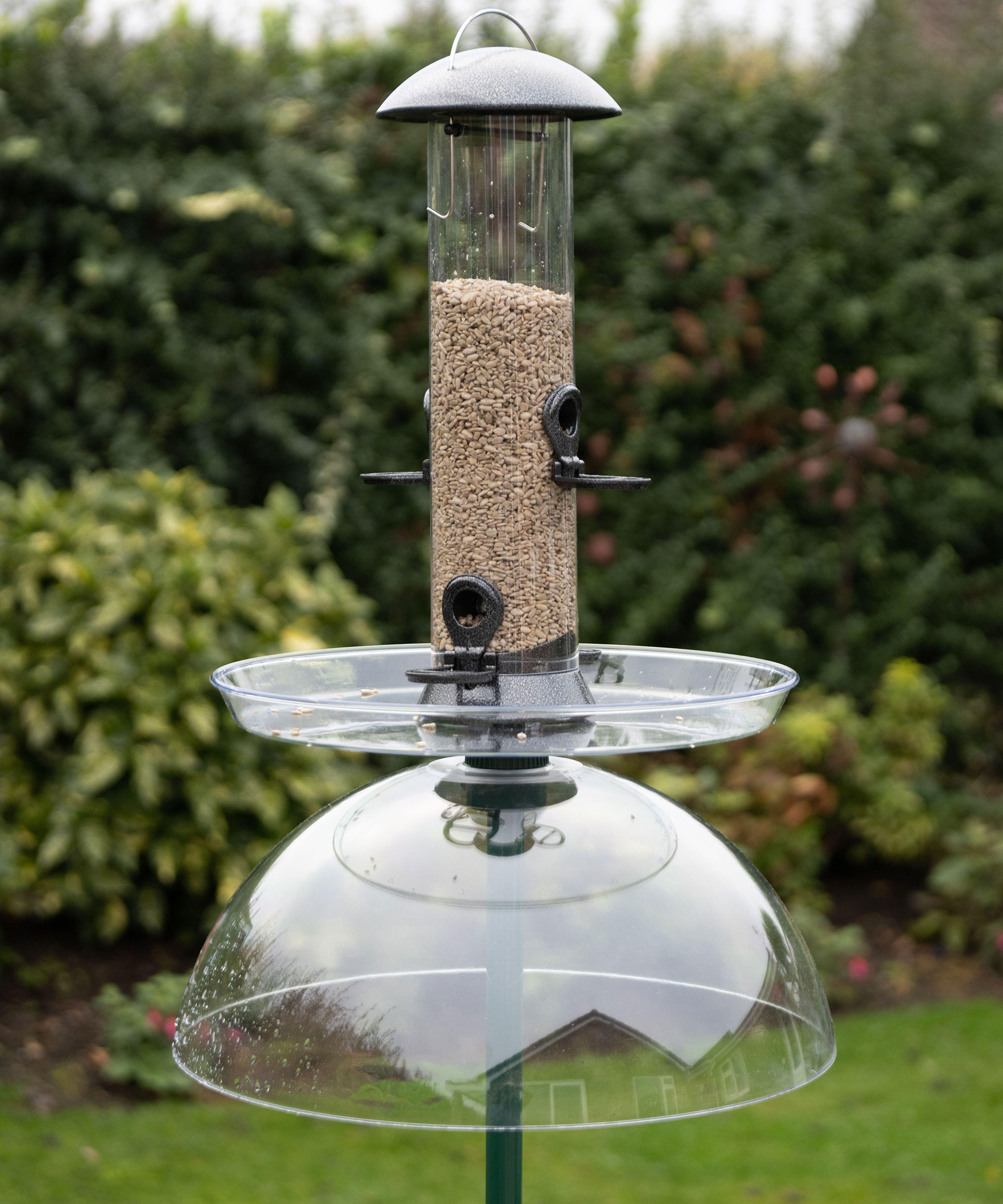
Credit: www.homesandgardens.com
Frequently Asked Questions
What Materials Do I Need To Build A Bird Feeder Pole?
You need durable wood or metal, screws, a drill, paint, and a mounting base. These materials ensure stability and weather resistance for your bird feeder pole.
How Tall Should A Bird Feeder Pole Be?
A height of 5 to 6 feet is ideal. This keeps feeders away from predators and makes bird watching easier.
How Do I Secure The Bird Feeder Pole In The Ground?
Use a sturdy base or concrete to anchor the pole. This prevents tipping and keeps the pole stable in wind or rain.
Can I Customize The Bird Feeder Pole Design?
Yes, you can paint it, add multiple hooks, or attach decorative elements. Customizing attracts different bird species and enhances garden aesthetics.
Conclusion
Building a bird feeder pole is simple and rewarding. You can enjoy watching birds up close in your yard. Use sturdy materials to keep the pole strong and safe. Place the feeder where birds feel comfortable. Regularly clean and refill the feeder to attract more birds.
This project brings nature closer and adds beauty to your space. Give it a try and enjoy peaceful birdwatching every day.




