
Have you ever wondered how your car shows a complete view from above, making parking and tight turns so much easier? That incredible “bird’s eye view” isn’t magic—it’s the result of smart technology working behind the scenes.
Understanding how cars have this feature can change the way you see driving and safety. Keep reading, and you’ll discover the secrets behind this amazing camera system that’s designed to give you confidence and control every time you get behind the wheel.

Credit: www.teslaownersonline.com
Bird’s Eye View Camera Basics
Understanding the basics of a bird’s eye view camera can change how you see vehicle technology. This system provides a unique perspective that helps drivers navigate tight spaces with confidence. Let’s break down what this technology really is and why it’s becoming a must-have feature in modern cars.
What Is A Bird’s Eye View Camera
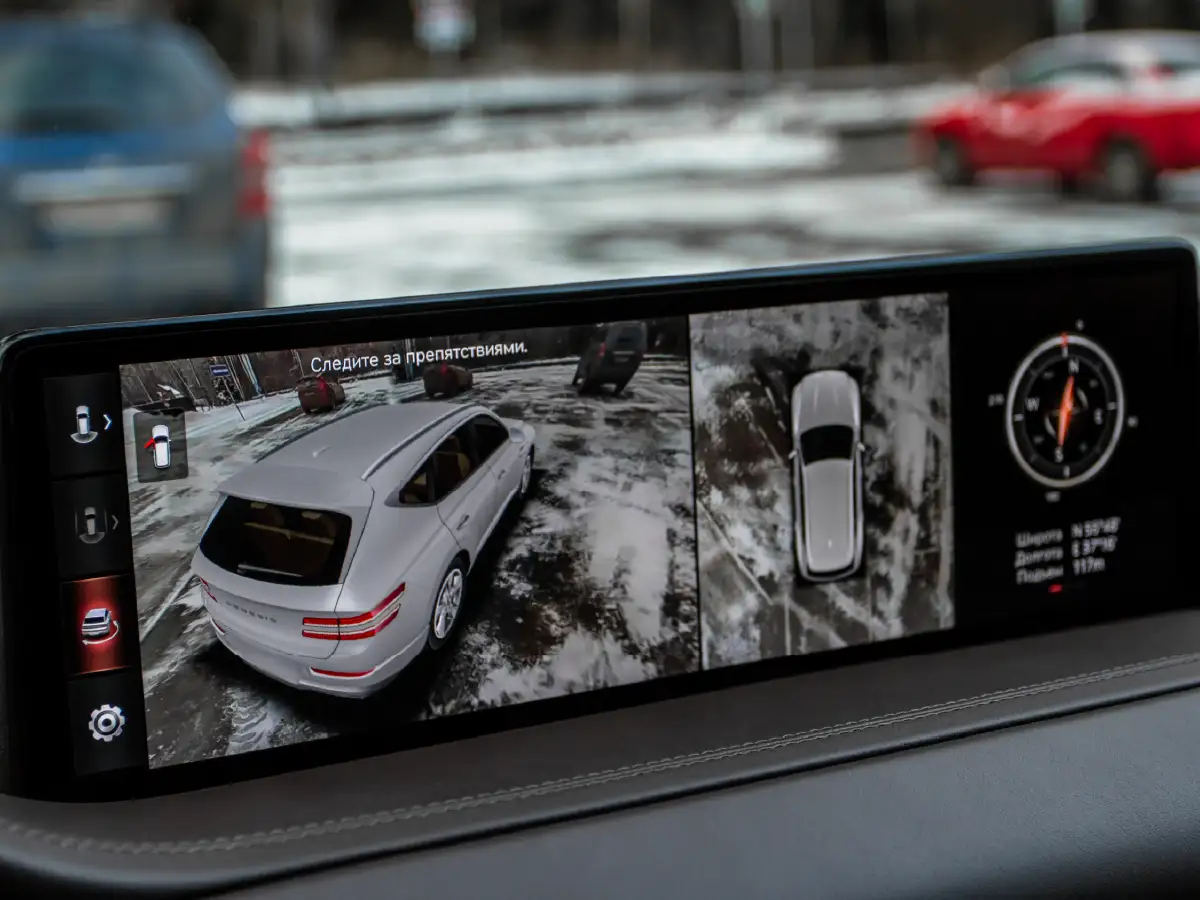
A bird’s eye view camera is a setup of multiple cameras placed around your car—usually on the front, rear, and sides. These cameras work together to create a single, seamless image that looks like you’re viewing your car from above.
This overhead view isn’t real but digitally stitched from the feeds of each camera. It helps eliminate blind spots, showing obstacles and surroundings clearly, even in tight parking spots. Have you ever struggled to park perfectly? This camera system can make that challenge much easier.
Purpose And Benefits
The main goal of the bird’s eye view camera is safety and convenience. By giving you a complete view of your car’s surroundings, it reduces the chances of collisions with objects or pedestrians.
- Improved Parking:Maneuver into narrow spaces without guessing distances.
- Enhanced Safety:Spot hidden obstacles, children, or pets around your vehicle.
- Reduced Stress:Gain confidence during tricky driving situations.
Imagine avoiding those annoying parking lot scrapes just because you could see every angle clearly. Doesn’t that make you wonder why all vehicles don’t have this feature yet?
Core Technologies Behind The System
Bird’s eye view cameras in cars rely on several key technologies to create a clear, all-around image. These systems combine multiple cameras and sensors, then process the data into a single view. The technology works to improve safety and ease parking.
Multiple Camera Setup
Cars use several small cameras placed around the vehicle. Common spots include the front grille, side mirrors, and rear bumper. Each camera captures a different angle around the car. This setup ensures no blind spots remain. The cameras use wide-angle lenses to cover more area in a single shot.
Image Stitching Techniques
The images from all cameras are merged into one seamless picture. This process is called image stitching. Software corrects the distortions and aligns the edges. It blends the images so the final view looks like a top-down photo. This technique helps drivers see the entire space around their car clearly.
Sensors And Data Integration
The system uses sensors to gather extra information about the car’s position. These include ultrasonic sensors and wheel speed sensors. They help the system adjust the image based on the car’s movement. Data from sensors also warns about nearby obstacles. This integration creates a more accurate and useful bird’s eye view.
How The System Works In Real Time
Understanding how the bird’s eye view camera system works in real time can change how you appreciate the technology in your car. This system isn’t just about sticking cameras around your vehicle; it’s about creating a seamless and accurate view that helps you navigate tight spots safely. Let’s look at how this complex process unfolds every time you shift into reverse or activate the camera.
Capturing Surrounding Views
Your car uses multiple wide-angle cameras placed strategically around its body—usually on the front grille, side mirrors, and rear. These cameras capture overlapping images of the area around your vehicle simultaneously.
Each camera’s position and angle are carefully chosen to minimize blind spots. This setup ensures no part of your vehicle’s surroundings is left unseen, giving you a full 360-degree perspective.
Processing And Displaying The Image
Once the cameras capture the images, the system’s central processor takes over. It stitches these separate images into one complete overhead picture of your car and its environment.
This process happens instantly, so you see a live, real-time view on your dashboard screen. It’s like having a drone hovering above your car, showing exactly where obstacles and other vehicles are around you.
Adjustments For Accuracy
The system constantly adjusts the image to correct distortions caused by the wide-angle lenses. It also factors in your car’s movements, like turning or tilting on slopes, to keep the view accurate.
Calibration is key here—if the cameras aren’t perfectly aligned or the software isn’t updated, the image can be misleading. That’s why some drivers notice slight differences between what they see on screen and reality, especially after car repairs or modifications.

Credit: www.carsales.com.au
Applications In Modern Vehicles
Cars use multiple cameras placed around the vehicle to create a combined top-down view. This system helps drivers see obstacles and park safely. Advanced software stitches images from these cameras into one clear bird’s eye perspective.
In today’s world, cars have become more advanced with new technology. One such technology is the bird’s eye view camera. This feature offers a 360-degree view around the vehicle. It’s a valuable tool for drivers and manufacturers alike. Let’s explore its applications in modern vehicles.Parking Assistance
A bird’s eye view camera makes parking a breeze. It shows a clear view of the surroundings. Drivers can see obstacles that might be missed otherwise. This reduces the chances of minor accidents. The camera aids in parallel parking too. It displays the curb and nearby cars clearly.Enhanced Safety Features
Safety is a top priority in modern cars. The bird’s eye view camera enhances this. It alerts drivers to potential hazards. Drivers get a better view of blind spots. This reduces the risk of accidents. It also aids in reversing safely. The camera ensures a clear path when moving backwards.Integration With Autonomous Driving
Autonomous vehicles are the future. A bird’s eye view camera plays a key role here. It gathers data from all angles. This helps the car’s computer understand its surroundings. The camera works with sensors for precise navigation. It ensures the car stays on track. This technology is crucial for self-driving cars to function safely.Challenges And Limitations
Birds eye view cameras in cars offer a wide and clear view around the vehicle. Yet, creating and using this technology brings many challenges. These issues affect how well the system works in daily driving.
Image Distortion Issues
Cameras use wide-angle lenses to capture a large area. This often causes image distortion, making objects appear bent or stretched. The system must correct this distortion to show a natural view. Still, some errors can confuse drivers or hide small obstacles.
Environmental Impact On Performance
Weather conditions like rain, snow, and fog can blur camera lenses. Dirt, dust, or water drops reduce image clarity. Low light or bright sunlight can cause shadows or glare. These factors lower the camera’s ability to provide a clear view. The system struggles to work well in harsh environments.
Cost And Complexity
Installing multiple cameras and sensors increases vehicle cost. The system needs advanced software to stitch images from different cameras. This adds to development and maintenance expenses. Complex wiring and calibration require skilled technicians. These factors make birds eye view cameras less common in budget cars.
Credit: www.cars24.com
Future Trends In Bird’s Eye View Technology
Bird’s eye view cameras are improving fast. New technology makes parking and driving safer and easier. The future holds exciting upgrades to this system. These advances will help cars see better and think smarter.
Ai And Machine Learning Enhancements
Artificial intelligence helps cameras understand the environment. It learns to spot obstacles and moving objects quickly. Machine learning improves image clarity and accuracy over time. This means fewer blind spots and better warnings for drivers.
Improved Sensor Fusion
Sensor fusion combines data from multiple sources. Cameras, radar, and ultrasonic sensors work together. This creates a more complete 360-degree view around the car. The system can detect small objects and changes in real time.
Broader Adoption In Vehicle Models
More car brands include bird’s eye view cameras in new models. This tech is no longer limited to luxury cars. Affordable vehicles will soon have this helpful feature. Safety and convenience will reach more drivers worldwide.
Frequently Asked Questions
How Do Birds Eye View Cameras Work In Cars?
Bird’s eye view cameras use multiple cameras placed around the car. They capture images and stitch them together. This creates a top-down, 360-degree view to help drivers park and navigate tight spaces safely.
What Technology Enables 360-degree Car Camera Systems?
These systems use wide-angle cameras combined with image processing software. The software merges images in real-time. It removes blind spots and offers a seamless bird’s eye perspective around the vehicle.
Are Bird’s Eye View Cameras Standard In All Cars?
No, bird’s eye view cameras are mostly available in mid to high-end cars. They often come as part of advanced safety packages or optional upgrades. Their availability depends on the car’s make and model.
How Do Bird’s Eye View Cameras Improve Driving Safety?
They provide a complete view of surroundings, reducing blind spots. This helps avoid collisions with objects or pedestrians. Drivers can park more precisely and maneuver in tight spaces confidently.
Conclusion
Birds eye view cameras help drivers see all around their cars. They use many small cameras placed on the vehicle’s sides. These cameras send images to a computer that joins them into one view. This view shows the car from above.
It makes parking and driving in tight spaces easier and safer. Cars with this system help prevent accidents. This technology grows more common in new vehicles. Understanding how it works helps appreciate its value on the road. It adds safety and convenience for every driver.




