
Have you ever found tiny moths fluttering around your bird seed and then wondered, “Do bird seed moths eat clothes too?” If you’re worried about your favorite sweaters or cherished fabrics getting ruined, you’re not alone. These little pests can cause a lot of confusion and concern.
You’ll discover the truth about bird seed moths and whether your clothes are really at risk. Keep reading to protect your wardrobe and keep those pesky moths where they belong!
Credit: www.pestsolutions.co.uk
Bird Seed Moth Basics
Bird seed moths are small insects often found near stored bird seed. Many people wonder if these moths eat clothes. Understanding their basics helps clear up this question. Bird seed moths have unique traits and habits that set them apart from common clothes moths.
Species And Appearance
Bird seed moths belong to the Pyralidae family. They are usually small, with a wingspan of about 12 to 20 mm. Their wings are light brown or gray with darker spots. The body is slender and covered with tiny scales. These moths look similar to pantry moths but have distinct wing patterns.
Habitat And Behavior
Bird seed moths live where bird seed or grains are stored. They prefer dark, dry places like pantries or sheds. These moths are active mainly at night. They lay eggs in bird seed bags or containers. The larvae feed on the seeds, not on fabric or clothes. Their behavior focuses on stored food, not textiles.

Credit: www.catchmaster.com
Diet Of Bird Seed Moths
Understanding the diet of bird seed moths helps clarify their habits and behavior. These moths mainly feed on specific natural materials. Their diet influences where they gather and their impact on homes.
Natural Food Sources
Bird seed moths primarily eat dry seeds and grains. They prefer items that are easy to digest and rich in nutrients. These moths consume:
- Millet
- Sunflower seeds
- Wheat
- Oats
Larvae feed on the seed kernels inside the husks. They avoid fresh plants or green leaves. Their feeding focuses on stored seeds rather than clothes or fabric.
Attraction To Bird Seed
Bird seed moths are drawn to stored bird feed left uncovered. The smell and availability of seeds attract them indoors. Once inside, moths lay eggs near these food sources.
Larvae hatch and consume the seeds, causing damage to bird feed supplies. This attraction explains why moths often appear near bird feeders or seed containers. Clothes are not a natural food source for these moths.
Clothes And Moth Damage
Clothes and moth damage is a common concern for many homeowners. Moths can ruin your favorite garments, leaving holes and frayed fabric behind. Understanding which moths cause damage and which do not can help you protect your wardrobe effectively.
Types Of Moths That Damage Clothes
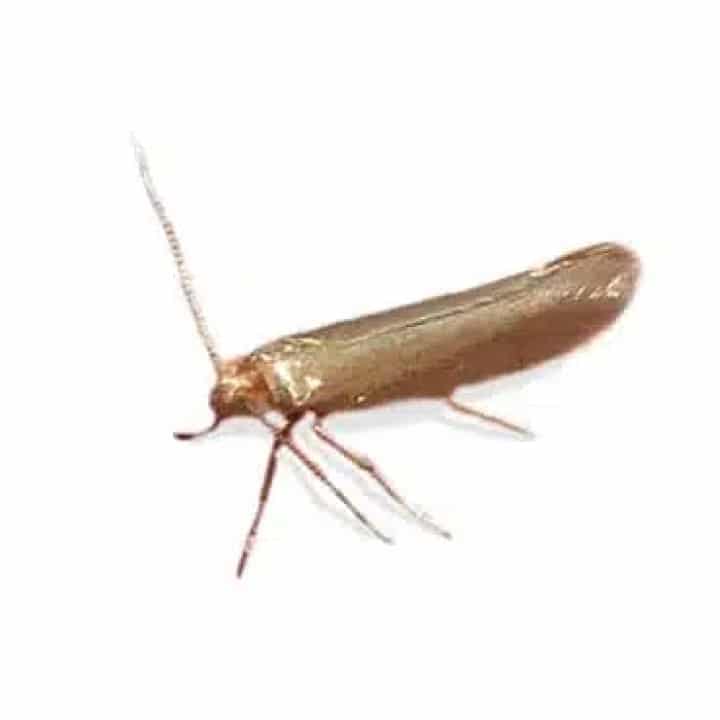
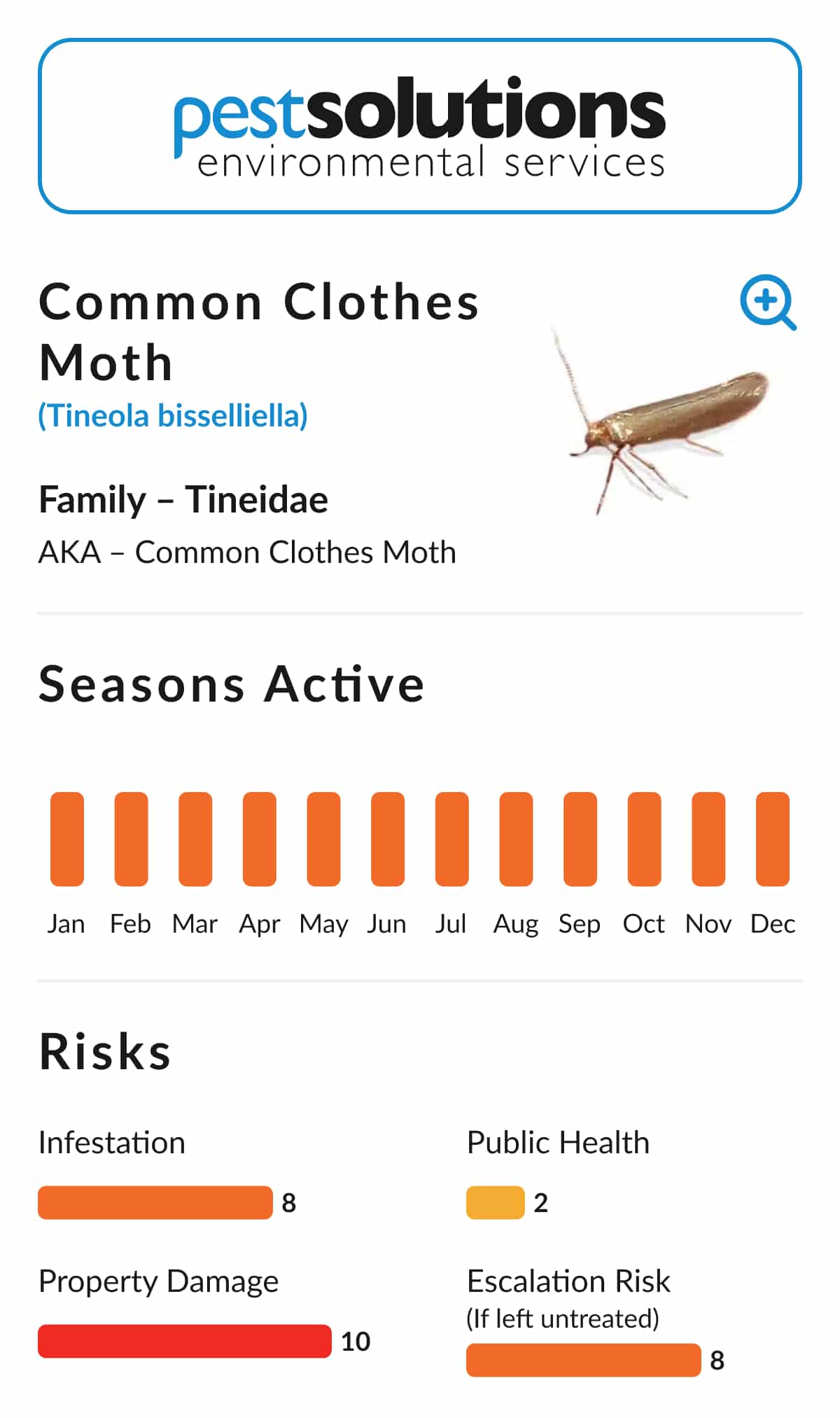
Not all moths are created equal when it comes to damaging clothes. The primary culprits are clothes moths, especially the webbing clothes mothand the casemaking clothes moth. These species lay eggs on natural fibers like wool, silk, and fur, and their larvae feed on these materials.
Other moths you might find around your home, such as pantry moths, focus on food rather than fabric. Clothes moth larvae are tiny but powerful—just a few can leave noticeable holes in your sweaters or coats. Have you ever found a mysterious hole in your wool sweater and wondered what caused it? Chances are, clothes moth larvae were at work.
Why Bird Seed Moths Are Different
Bird seed moths, also known as Indian meal moths, are often mistaken for clothes moths due to their similar appearance. However, these moths have no interest in your clothing. Their larvae feed primarily on grains, seeds, and dried food products.
This means your clothes are safe from bird seed moths, but your pantry might not be. If you notice moths fluttering near your kitchen or bird seed containers, the problem is more about food storage than wardrobe damage. Knowing this difference can save you time and effort when dealing with moth infestations.
Signs Of Bird Seed Moth Infestation
Bird seed moth infestations can lead to damaged seeds and silk webbing in storage areas. These moths prefer grains but can occasionally be found near clothes if fabric is stored with seeds, though they do not eat clothes. Keep areas clean to prevent infestations.
Spotting the signs of a bird seed moth infestation early can save you from a full-blown invasion in your home. These pesky moths are notorious for sneaking into your pantry and making themselves at home among your grains and seeds. But what are the telltale signs that your house has become a breeding ground for these unwelcome guests?Identifying Presence In Homes
Have you noticed small moths fluttering around your kitchen or pantry? This could be an early warning sign. Check for webbing or clumps in your bird seed or other stored grains. These are clear indicators of infestation. Look out for tiny larvae wriggling in your birdseed bags. They’re surprisingly good at camouflage, so keep a sharp eye out.Common Nesting Areas
Bird seed moths love dark, undisturbed corners. Is your pantry overflowing with seldom-used items? Time for a clean-up. Examine the back of your cupboards or behind appliances. These areas often become unintended moth hotels. Your pet’s food storage might be a hotspot too. Keep containers sealed and check regularly for any signs of invasion. It’s not only about spotting the moths—understanding their lifestyle helps prevent future infestations. What steps will you take to safeguard your home from these crafty critters? Stay vigilant and proactive.Preventing Moth Problems
Moths can cause damage to clothes and stored items. Preventing moth problems helps keep your belongings safe. Simple actions reduce moth risks significantly. Focus on smart storage and protection techniques.
Storage Tips For Bird Seed
- Keep bird seed in airtight containers to block moth access.
- Store seed in cool, dry places to avoid moisture buildup.
- Regularly check seed for signs of moth larvae or webs.
- Buy bird seed in smaller amounts to reduce storage time.
- Clean storage areas often to remove spilled seed or debris.
Protecting Clothes From Moths
- Store clothes in sealed bags or plastic containers.
- Use natural repellents like cedar blocks or lavender sachets.
- Keep closets well-ventilated and avoid dampness.
- Regularly wash or dry clean clothes before long storage.
- Inspect clothes for holes or moth larvae before wearing.
Credit: www.pestsolutions.co.uk
Effective Moth Control Methods
Effective moth control methods help protect clothes from damage. Bird seed moths may not eat clothes, but other moth types can cause harm. Taking action to control moths keeps your fabrics safe and fresh. These methods use natural, chemical, or professional solutions to stop moth infestations.
Natural Repellents
Natural repellents keep moths away without harsh chemicals. Cedar wood blocks moths by releasing a scent they dislike. Lavender sachets provide a fresh smell and repel moths from clothes. Placing herbs like rosemary or thyme in closets deters moths. Regular cleaning and airing clothes reduce moth attraction and eggs.
Chemical Solutions
Chemical moth repellents kill moths and larvae quickly. Mothballs emit strong fumes that drive moths away. Moth sprays target moths directly on clothes or storage areas. Use chemicals carefully and follow all safety instructions. Avoid chemical use near children and pets for safety.
Professional Pest Control
Pest control experts offer thorough moth treatment plans. Professionals identify the moth type and infestation level. They use safe and effective treatments to remove moths fast. Hiring experts ensures long-term protection of clothes and home. Regular inspections prevent future moth problems and damage.
Frequently Asked Questions
Do Bird Seed Moths Damage Clothes?
No, bird seed moths do not damage clothes. They primarily feed on seeds and grains, not fabric or textiles.
Can Bird Seed Moths Infest Clothing Storage?
Bird seed moths rarely infest clothing storage. They prefer bird seed or pantry items and avoid fabrics and garments.
How To Distinguish Bird Seed Moths From Clothes Moths?
Bird seed moths are usually found near food sources. Clothes moths are found in dark, undisturbed areas with fabrics.
Are Bird Seed Moths Harmful To Household Fabrics?
No, bird seed moths are not harmful to fabrics. They do not eat wool, silk, or cotton like clothes moths do.
Conclusion
Bird seed moths do not eat clothes or fabric. They prefer seeds and grains for food. Clothes moths, not bird seed moths, cause fabric damage. Keeping bird seed in sealed containers helps prevent moth problems. Regular cleaning reduces chances of moth infestations indoors.
Knowing the difference helps protect your clothes better. Stay aware and take simple steps to avoid damage. Safe storage and cleanliness keep your home moth-free. Simple actions make a big difference in protecting clothes.




