
Have you ever wondered if the birds visiting your backyard could catch bird flu? It’s a question that matters because your feathered friends might be closer than you think.
Understanding how bird flu spreads and what risks it poses to backyard birds can help you protect them—and yourself. Keep reading to discover the facts, clear up common myths, and learn simple steps you can take to keep your backyard birds safe and healthy.

Credit: epi.utah.gov
Bird Flu Basics
Understanding the basics of bird flu is important for anyone who cares for backyard birds. This knowledge helps protect birds and people from illness. Bird flu can affect various bird species, including those found in home gardens.
What Is Bird Flu?
Bird flu, also called avian influenza, is a virus that infects birds. It spreads easily among wild and domestic birds. Some types of bird flu cause mild sickness. Others can be deadly to birds.
This flu virus mainly affects the bird’s respiratory and digestive systems. People rarely catch bird flu, but it can happen. Birds may show signs like coughing, sneezing, or weakness.
How Bird Flu Spreads
The virus spreads through contact with infected birds or their droppings. It can also spread by touching surfaces contaminated by the virus. Wild birds often carry the virus without getting sick. They can pass it to backyard birds.
- Direct contact with sick birds
- Exposure to bird droppings or saliva
- Contaminated food, water, or equipment
- Movement of people or animals between bird areas
Good hygiene and careful handling of birds reduce the risk of spreading bird flu. Awareness of how the virus spreads helps keep backyard birds safe and healthy.
Backyard Birds At Risk
Backyard birds face many health risks, including bird flu. This virus can spread quickly among birds in close spaces. It affects different species differently. Knowing which birds are at risk helps protect your feathered friends.
Common Backyard Birds Affected
- Chickens
- Ducks
- Turkeys
- Geese
- Wild songbirds like sparrows and finches
- Pigeons and doves
Bird flu often hits waterfowl such as ducks and geese hardest. Domestic birds like chickens and turkeys can get very sick fast. Wild birds can carry the virus without showing signs.
Symptoms To Watch For
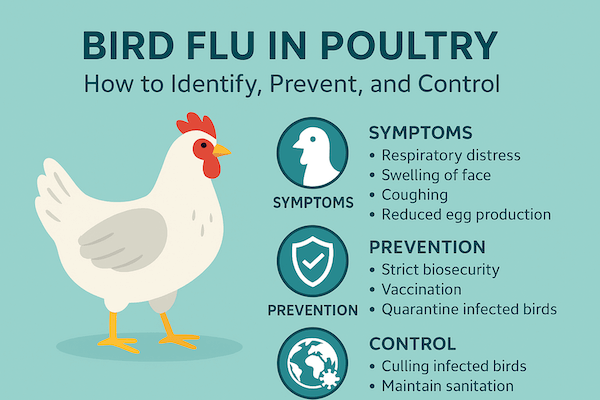
- Sudden death without symptoms
- Swelling of the head, neck, and eyes
- Difficulty breathing or coughing
- Runny nose or watery eyes
- Decreased egg production
- Lethargy or loss of appetite
Bird flu symptoms may appear quickly or not at all. Early signs include breathing trouble and swelling. Watch your birds daily for any changes in behavior or health.
Transmission Routes
Bird flu spreads through contact with infected birds, their droppings, or contaminated surfaces. Backyard birds can catch the virus from wild birds visiting feeders or water sources. Keeping bird areas clean helps reduce the risk of transmission.
Transmission routes of bird flu in backyard birds are crucial to understand. Bird flu can spread through various channels, affecting your feathered visitors.Contact With Wild Birds
Wild birds often carry the bird flu virus. Backyard birds may interact with these wild birds. Such contact can occur during flight or at shared feeding areas. This increases the risk of flu transmission. Keeping an eye on bird gatherings can help reduce exposure.Contaminated Surfaces And Feeders
Surfaces and feeders can harbor the bird flu virus. Birds visiting contaminated feeders may contract the virus. It’s vital to clean feeders regularly. Use a mild bleach solution to disinfect surfaces. This reduces the chance of disease spread. Also, ensure food is fresh and clean. Rotting food can attract wild birds carrying the virus. These precautions help protect backyard birds from bird flu. Simple actions can make a big difference in bird health.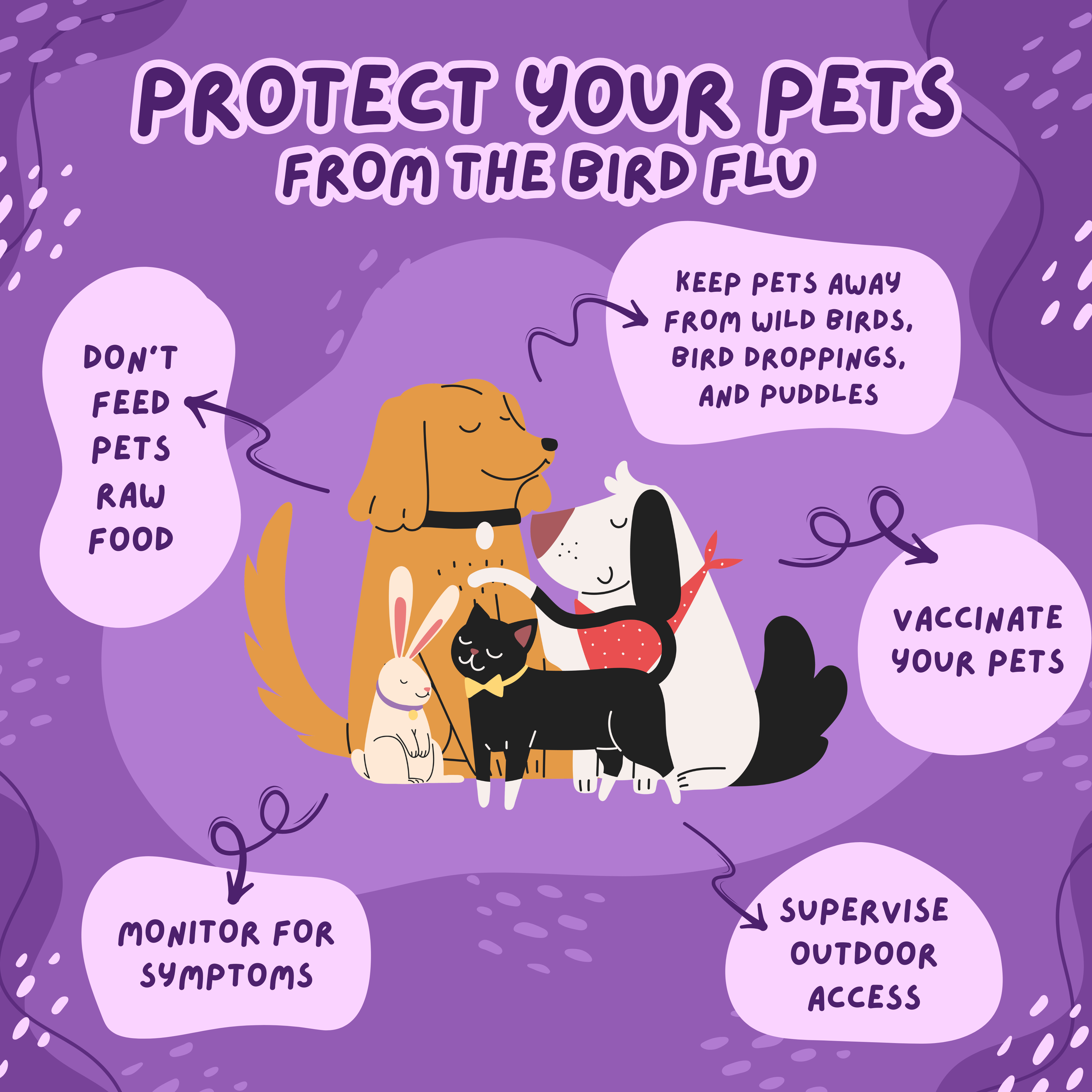
Credit: www.helpinghandsforpas.org
Prevention Tips
Preventing bird flu in backyard birds requires careful attention to daily habits. Small actions can reduce the risk of disease spread. Keep your feeding area clean and safe. Protect birdhouses and feeders to keep birds healthy.
Safe Feeding Practices
Use fresh bird food every day. Avoid moldy or wet seeds that attract bacteria. Place feeders in open areas to reduce bird crowding. Remove leftover food to prevent contamination. Choose feeders that are easy to clean.
Cleaning And Disinfection
Clean feeders at least once a week. Use hot water and mild soap for washing. Disinfect with a solution of one part bleach to nine parts water. Rinse thoroughly to remove all chemicals. Dry feeders before refilling to stop germs.
Protecting Birdhouses And Feeders
Place birdhouses away from wet or muddy spots. Check for signs of damage or mold regularly. Repair or replace old feeders quickly. Keep birdhouses well-ventilated to prevent moisture build-up. Limit access to pets and wild animals that may carry viruses.
What To Do If Birds Show Symptoms
Noticing signs of illness in your backyard birds can be unsettling. Acting quickly and correctly is crucial to protect both your feathered friends and your household. Knowing the right steps to take when birds show symptoms of bird flu can make a significant difference in controlling the spread.
Isolating Affected Birds
If you spot symptoms like sneezing, coughing, lethargy, or unusual droppings, immediately separate the sick bird from the rest. Use a different cage or a well-ventilated box placed away from other birds. This helps prevent the virus from spreading rapidly through your flock.
Wear disposable gloves when handling the affected bird and clean your hands thoroughly afterward. Avoid sharing feeders or water bowls between healthy and sick birds. You might also consider disinfecting common surfaces daily to reduce contamination risks.
When To Contact Authorities
Bird flu is a serious disease that can spread to other birds and potentially affect humans. If you observe multiple birds showing symptoms or sudden deaths occur, it’s time to reach out for expert help. Contact your local agricultural extension office or animal health department immediately.
They can guide you on testing, quarantine rules, and necessary precautions. Reporting helps track outbreaks and protect your community’s bird population. Don’t hesitate—early reporting could save many lives.
Impact On Bird Owners
Owning backyard birds is a rewarding experience, but the possibility of bird flu can quickly turn it into a stressful situation. Understanding the impact on bird owners is crucial for keeping both your birds and yourself safe. From health concerns to legal responsibilities, being informed helps you act wisely and protect your entire household.
Health Risks To Humans
Bird flu can jump from birds to humans, although it’s relatively rare. If your birds get infected, you might face symptoms like fever, cough, or sore throat. It’s important to monitor your health closely if you’ve been in close contact with sick birds.
Simple precautions like wearing gloves when handling birds or cleaning their cages reduce your risk significantly. Have you noticed any unusual symptoms after spending time with your birds? Don’t ignore them—seek medical advice promptly.
Legal And Reporting Requirements
Bird owners have a legal duty to report suspected cases of bird flu to local animal health authorities. This helps prevent outbreaks from spreading to other birds and farms. Not reporting can lead to fines or more severe penalties depending on your region.
Authorities often provide clear steps for quarantine or testing when bird flu is suspected. Staying informed about these rules lets you respond quickly and avoid unnecessary legal trouble. Do you know who to contact if your birds show signs of illness?
Monitoring And Updates
Keeping an eye on bird flu developments is crucial for anyone who cares for backyard birds. Staying updated helps you act quickly and protect your feathered friends from potential risks. Regular monitoring gives you the upper hand in spotting warning signs early and adapting your care routine accordingly.
Keeping Track Of Local Outbreaks
Local outbreaks can happen suddenly and spread fast. Checking updates from health departments or wildlife agencies in your area keeps you informed. You might want to set alerts on official websites or follow social media channels dedicated to avian health.
Have you noticed how quickly news about bird flu can change? One week, everything seems fine; the next, warnings pop up. This unpredictability means you should check updates at least once a week.
Resources For Bird Owners
Reliable information is key to making smart decisions for your birds. Websites like the USDA, CDC, and local agricultural extensions offer guides on bird flu symptoms, prevention, and what to do if you suspect infection.
Joining online forums or local bird-watching groups can also provide practical advice from fellow bird owners. Sharing experiences often reveals simple steps that worked well in real situations.
- Official websites for real-time alerts
- Community forums for shared tips
- Local veterinary contacts for expert advice
Credit: www.bivatec.com
Frequently Asked Questions
Can Backyard Birds Contract Bird Flu Virus?
Yes, backyard birds can get bird flu. Wild birds often carry the virus and can spread it to domestic birds. Proper hygiene and limiting contact with wild birds help reduce risks.
How Does Bird Flu Spread Among Backyard Birds?
Bird flu spreads through direct contact with infected birds or contaminated surfaces. Droppings, feathers, and shared water sources can transmit the virus quickly.
What Are Symptoms Of Bird Flu In Backyard Birds?
Symptoms include coughing, sneezing, swelling, lethargy, and sudden death. Early detection is crucial to prevent spreading and protect other birds.
Can Bird Flu Affect Humans Handling Backyard Birds?
Yes, bird flu can infect humans through close contact with infected birds or their secretions. Always use protective gear when handling sick birds.
Conclusion
Backyard birds can catch bird flu, but risks vary widely. Watch your birds closely for signs of illness. Keep feeders and water clean to lower risks. Avoid contact with wild birds that look sick. Protect your backyard birds with good hygiene habits.
Stay informed about bird flu outbreaks in your area. Taking simple steps helps keep birds safe and healthy. Care and attention make a big difference. Your backyard can be a safe place for birds.




