
Have you ever seen a bird staring at its own reflection in a mirror and wondered why it’s so fascinated? You’re not alone.
This simple act hides surprising secrets about how birds see themselves and the world around them. Understanding why a bird looks at the mirror can change the way you think about animal intelligence and behavior. Keep reading, and you’ll discover fascinating facts that will make you see birds—and maybe even yourself—in a whole new light.
Birds And Mirrors
Birds often look at mirrors with curiosity. They may see their own reflection as another bird. This behavior helps scientists learn about bird intelligence.
Mirrors can show if birds recognize themselves. This test helps us understand how animals think and feel.
Mirror Tests In Animals
Mirror tests check if animals know the reflection is themselves. Many animals react to mirrors differently. Some ignore the mirror, while others show signs of recognition.
- Animals that pass the test may touch marks on their bodies seen only in the mirror.
- Some animals use mirrors to explore parts of their bodies.
- Others may show aggression or curiosity towards their reflection.
Bird Species That React To Mirrors
Some bird species show clear reactions to mirrors. These reactions can include vocal calls, movements, or touching the mirror. This shows their interest or confusion about the reflection.
| Bird Species | Reaction to Mirror | Notes |
| Magpies | Touch marks on body | Pass mirror self-recognition test |
| Crows | Curious and cautious | Use mirrors to explore |
| Parrots | Vocalize and interact | Recognize reflection as another bird |
| Pigeons | Limited reaction | Often ignore or peck mirror |

Credit: missinglinkproducts.com
Reasons For Mirror Interaction
Birds often look at mirrors and show different reactions. Understanding why they do this helps us learn about their behavior. Birds use mirrors to interact in unique ways.
Some birds may see their reflection as a friend or a rival. Others might recognize themselves or just explore the new object. These reasons explain why birds spend time at mirrors.
Self-recognition
Some bird species can recognize themselves in a mirror. This means they know the reflection is their own image. It shows a high level of intelligence in these birds.
Self-recognition helps birds check their feathers or look for injuries. They may use the mirror to groom or clean themselves better.
Curiosity And Exploration
Birds are curious creatures. They often explore new things in their environment, including mirrors. The shiny surface can catch their attention quickly.
Looking at the mirror lets birds learn about objects around them. They may peck, touch, or move around the mirror to understand it better.
Territorial Behavior
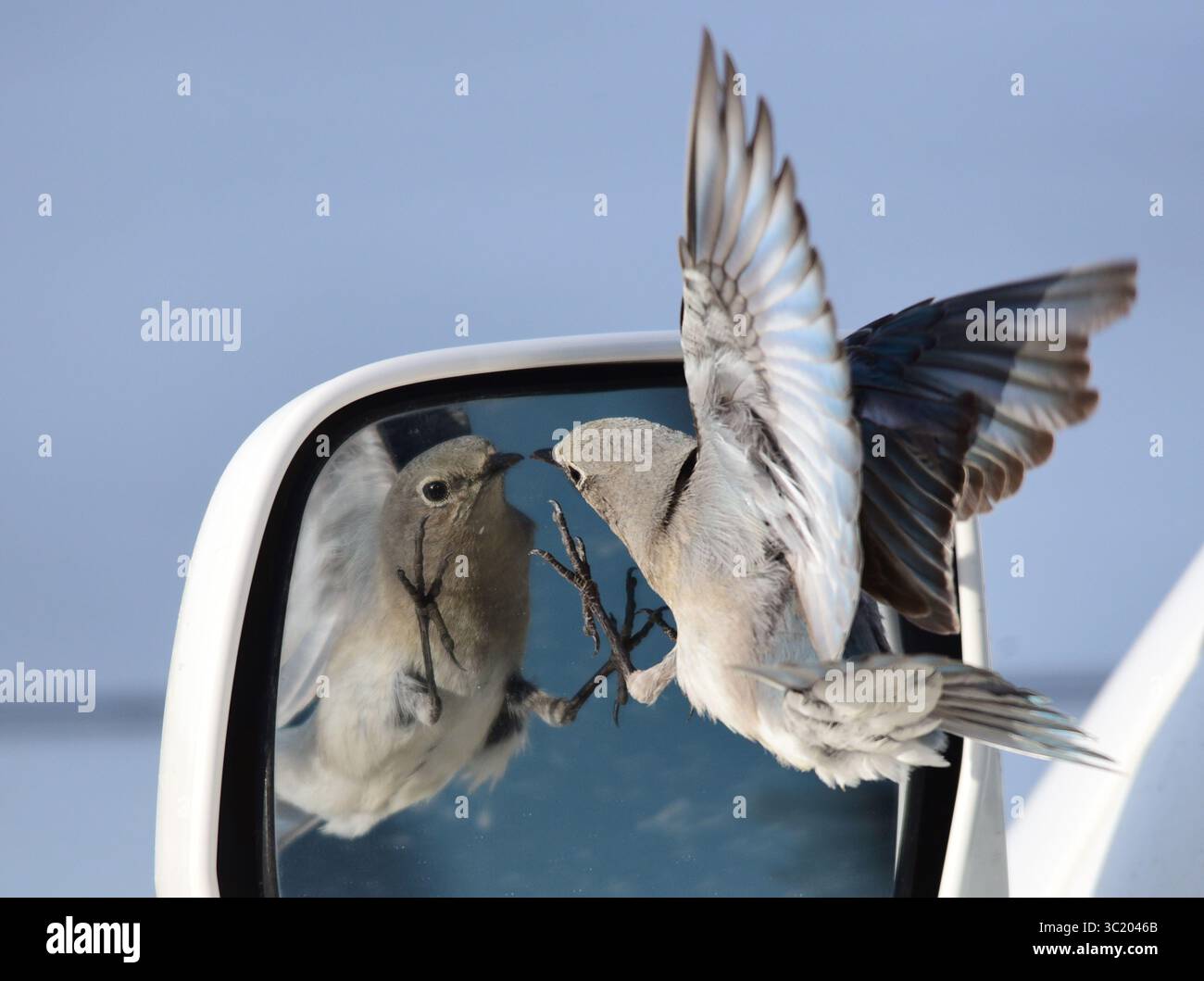
Birds can see their reflection as another bird entering their space. This triggers their natural territorial instincts. They may act aggressive or defensive.
Birds may sing loudly, flap wings, or try to scare the “intruder” in the mirror. This behavior helps them protect their area from rivals.
Scientific Studies On Mirror Behavior
Birds often show interesting reactions when they see themselves in a mirror. Scientists study these behaviors to learn about bird intelligence. Mirrors help researchers understand how birds recognize themselves and others.
Watching birds look in mirrors shows their ability to think and solve problems. These studies reveal more about how smart birds really are.
Famous Experiments
One well-known experiment used a mark test with birds. Scientists placed a small mark on a bird’s body where it could only see it in a mirror. The bird’s reaction showed if it recognized itself.
Other experiments showed birds using mirrors to find hidden food. This behavior suggests birds understand that the mirror reflects the real world.
- The mark test was first done with magpies.
- Some parrots passed the test by touching the mark.
- Birds used mirrors to locate food behind barriers.
Key Findings On Bird Cognition
Birds that pass mirror tests show self-awareness. This skill was once thought to be unique to humans and some mammals. It proves birds have complex thinking abilities.
Studies also found that birds use mirrors to plan actions. They can solve problems by watching their reflection. This shows high intelligence and learning capacity.
- Birds can recognize themselves in mirrors.
- They use mirrors to solve problems.
- Mirror behavior shows advanced cognitive skills.
- Not all bird species pass mirror tests.
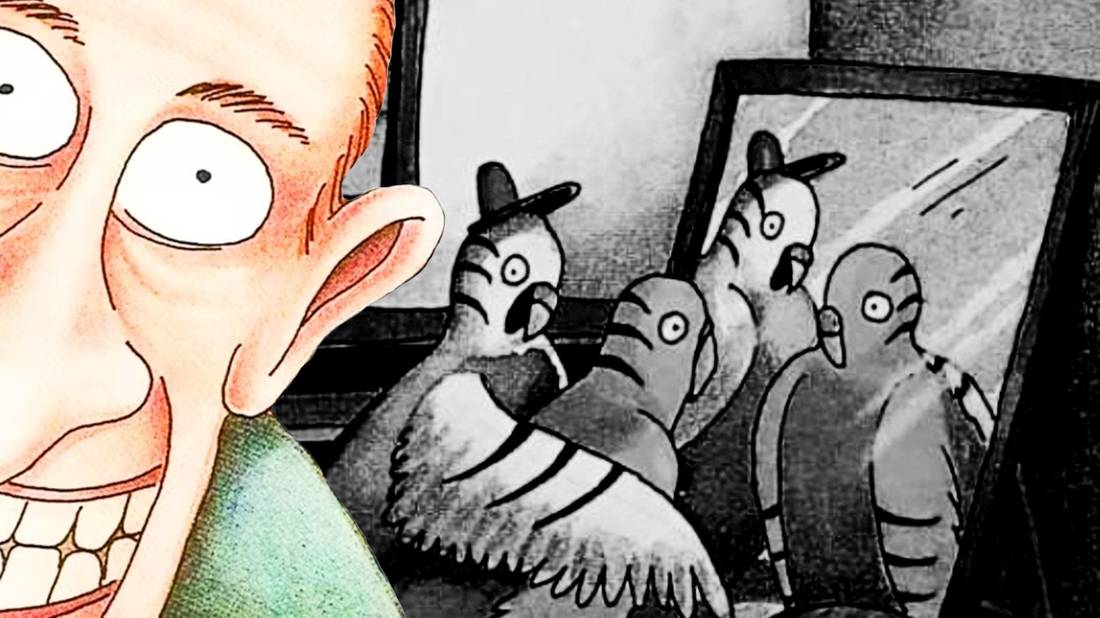
Credit: screenrant.com
Implications For Animal Intelligence
When a bird looks at itself in the mirror, it shows signs of thinking and awareness. This behavior helps scientists learn about animal intelligence. Birds are often smart and can solve problems.
Studying birds’ reactions to mirrors helps us understand how they think. This knowledge changes how we see animals and their minds.
Cognitive Abilities In Birds
Birds show many signs of intelligence. Some can recognize themselves in a mirror. This means they have self-awareness, a key thinking skill. They also use tools and solve puzzles.
- Recognizing their own reflection
- Using tools to get food
- Remembering places and faces
- Solving new problems
- Communicating with other birds
Comparisons With Other Animals
Birds’ intelligence can be compared with other animals. Some mammals also recognize themselves in mirrors. This shows similar thinking skills across different species.
| Animal | Mirror Self-Recognition | Other Cognitive Skills |
| Birds (e.g., magpies) | Yes | Tool use, problem-solving |
| Dolphins | Yes | Complex communication |
| Elephants | Yes | Memory, empathy |
| Dogs | No | Social learning |
| Monkeys | Some species | Tool use, social skills |
How To Observe Mirror Behavior
Birds often look at mirrors and show interesting behaviors. Watching these actions helps us understand them better.
We can learn what birds think and feel by observing how they react to their reflection.
Setting Up Mirrors For Birds
Place the mirror where your bird can see it safely. Avoid direct sunlight on the mirror to protect the bird’s eyes.
- Use a small, lightweight mirror designed for birds.
- Fix the mirror securely on the cage or nearby wall.
- Watch the bird’s reaction for signs of stress or curiosity.
- Limit mirror time to avoid over-dependence on the reflection.
Ethical Considerations
Mirrors can affect birds’ feelings and behavior. Use them thoughtfully to keep your bird safe and happy.
| Ethical Point | Advice |
| Stress | Remove mirror if bird shows fear or aggression. |
| Companionship | Do not replace real social interaction with mirrors. |
| Time Limit | Use mirrors only for short periods daily. |
| Observation | Always watch your bird’s behavior closely. |
Credit: www.alamy.com
Frequently Asked Questions
Why Does A Bird Look At Itself In The Mirror?
Birds look in mirrors out of curiosity or to recognize themselves. They may also be attracted to their reflection, mistaking it for another bird.
Can Birds Recognize Their Own Reflections?
Some bird species, like magpies and crows, can recognize themselves. This shows self-awareness, a sign of higher intelligence in birds.
Do Birds Get Confused By Mirrors?
Yes, many birds mistake reflections for rivals or mates. This can cause aggressive or social behaviors toward the mirror image.
How Do Mirrors Affect Bird Behavior?
Mirrors can stimulate social interaction or stress in birds. They may sing, display, or become agitated when seeing their reflection.
Conclusion
Birds are fascinating creatures with unique behaviors. Seeing their reflection intrigues them. This curiosity might be due to self-recognition attempts. Or perhaps they’re interacting with a perceived companion. Mirrors offer birds mental stimulation and entertainment. Observing these interactions helps us understand bird intelligence better.
It highlights their complex social behaviors. For bird owners, mirrors can provide engaging environments. But balance is essential. Too much mirror exposure might confuse them. Always ensure your bird’s environment is enriching and varied. This supports their mental health and happiness.
Curious, intelligent, and always captivating. That’s the world of birds.




