
Are you ready to capture the beauty of birds in their natural habitat? Choosing the right camera can make all the difference between blurry snaps and stunning, detailed photos.
But with so many options out there, how do you find the best camera for bird watching? You’ll discover exactly what features matter most and which cameras deliver amazing results without breaking the bank. Keep reading, and you’ll be one step closer to snapping breathtaking bird photos that you’ll be proud to share.
Key Features For Bird Watching Cameras
Choosing the right camera for bird watching depends on several key features. These features help capture sharp, clear, and detailed images of birds in their natural habitat. Understanding these features makes it easier to pick a camera that suits bird photography needs.
Lens Specifications
A good lens brings distant birds closer. Look for lenses with a long focal length, ideally 300mm or more. Zoom lenses offer flexibility to adjust framing without moving. Fast lenses with wide apertures (f/2.8 to f/5.6) perform better in low light.
Sensor Size And Resolution
Larger sensors capture more light and detail. Full-frame sensors excel in image quality but can be expensive. APS-C and Micro Four Thirds sensors provide a good balance of size and performance. Higher resolution helps crop images without losing clarity.
Autofocus Performance
Birds move quickly. Cameras need fast and accurate autofocus to keep up. Look for cameras with multiple autofocus points and tracking features. Continuous autofocus modes help maintain focus on moving birds.
Image Stabilization
Image stabilization reduces blur from hand movements. Optical stabilization in lenses or sensor-shift in cameras helps capture sharp shots. This feature is crucial when using long telephoto lenses without a tripod.
Durability And Weather Resistance
Bird watching often happens outdoors in tough conditions. Cameras with weather sealing resist rain, dust, and moisture. Durable bodies protect gear from bumps and drops. This extends camera life in the wild.

Credit: suryatara.com
Types Of Cameras Suitable For Bird Watching
Choosing the right camera for bird watching depends on your needs and skill level. Different cameras offer various features that help capture clear, sharp images of birds. This section explains the main types of cameras used by bird watchers.
Each camera type has strengths and weaknesses. Consider factors like zoom, image quality, weight, and price before deciding.
Dslr Cameras
DSLR cameras provide excellent image quality and fast autofocus. They use interchangeable lenses, allowing you to attach long telephoto lenses for close-up bird shots. DSLRs perform well in low light and produce sharp images with rich details. They can be heavy and expensive, but ideal for serious bird watchers.
Mirrorless Cameras
Mirrorless cameras are lighter and more compact than DSLRs. They also use interchangeable lenses and offer high image quality. Mirrorless models have fast autofocus and silent shooting modes, which help avoid scaring birds away. Battery life is shorter, but they are easier to carry on long trips.
Bridge Cameras
Bridge cameras have a fixed lens with a long zoom range. They are simpler to use than DSLRs and mirrorless cameras. Bridge cameras are a good choice for beginners who want to capture distant birds without changing lenses. Image quality is decent, but not as good as interchangeable lens cameras.
Compact Cameras
Compact cameras are small and easy to carry. They have built-in lenses and simple controls. Some compact models have powerful zooms suitable for bird watching. These cameras are budget-friendly and great for casual bird watchers. Image quality is lower than DSLRs or mirrorless cameras but good enough for everyday use.
Top Cameras For Bird Watching In 2025
Choosing the right camera can make all the difference in capturing the beauty and detail of birds in their natural habitat. In 2025, camera technology offers a wide range of options tailored to bird watchers of every level. Whether you prefer the classic feel of a DSLR or the convenience of a bridge camera, there’s a perfect match for your bird watching adventures.
Best Dslr Picks
DSLRs remain popular for bird watchers who want robust performance and excellent image quality. Cameras like the Nikon D850 and Canon EOS 90D deliver sharp images with fast autofocus, essential for snapping quick bird movements. Their optical viewfinders help you track birds in bright sunlight, making it easier to follow fast flyers.
If you enjoy customizing your gear, DSLRs offer a wide range of lenses and accessories. Have you tested how a 300mm or 400mm telephoto lens changes your bird shots? It’s a game-changer for getting close without disturbing wildlife.
Best Mirrorless Picks
Mirrorless cameras have gained ground with bird watchers thanks to their lighter bodies and advanced tech. The Sony Alpha a7 IV and Canon EOS R7 stand out for their fast burst rates and excellent autofocus tracking, helping you capture action-packed moments.
Mirrorless models often offer silent shooting modes, which means you can photograph skittish birds without scaring them off. Imagine quietly capturing a rare species without disturbing its natural behavior—how valuable is that to your birding experience?
Best Bridge Cameras
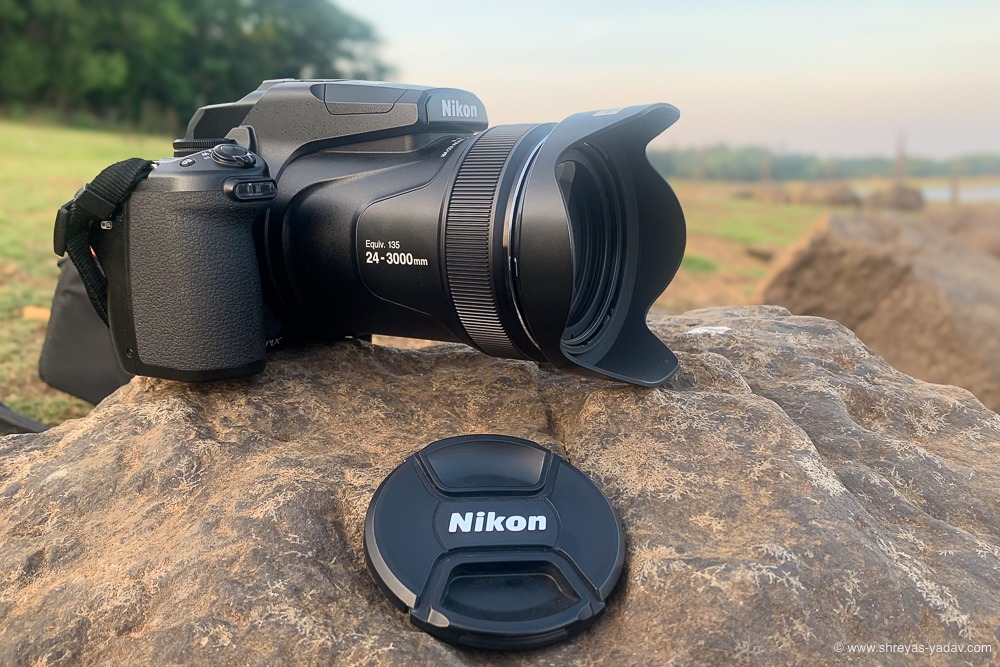
Bridge cameras provide a versatile, all-in-one solution for those who don’t want to switch lenses. The Panasonic Lumix FZ1000 II and Sony RX10 IV offer impressive zoom ranges, often reaching 600mm or more, perfect for distant birds.
These cameras are ideal if you want something compact but powerful. With their built-in zoom, you can quickly adjust your framing, which is crucial when birds appear unexpectedly.
Best Budget Options
You don’t need to spend a fortune to start bird photography. Cameras like the Nikon D3500 DSLR or Canon EOS Rebel T7 offer solid image quality and user-friendly controls at affordable prices.
Entry-level mirrorless cameras such as the Fujifilm X-T200 also provide excellent value, combining portability with good autofocus features. What’s your budget? You might be surprised how far a well-chosen budget camera can take your bird watching hobby.

Credit: www.thephoblographer.com
Essential Accessories For Bird Photography
Bird photography demands more than just a good camera. Essential accessories enhance your experience and results. They ensure you capture stunning images of your feathered subjects.
Telephoto Lenses
Telephoto lenses bring distant birds closer. They allow you to photograph without disturbing them. Look for lenses with a long focal length. This helps in capturing details from afar. Image stabilization is also crucial. It reduces blur and enhances sharpness.
Tripods And Monopods
Stability is key for clear bird images. Tripods offer steady support for your camera. They are essential for long waits. Monopods are lighter and more portable. They provide support with more mobility. Choose one that suits your shooting style.
Camera Bags And Covers
Protect your gear with quality camera bags. They keep your equipment safe from the elements. Ensure the bag has enough compartments. This helps organize lenses and accessories. Waterproof covers protect your camera during rainy shoots.
Extra Batteries And Memory Cards
Bird photography can last hours. Extra batteries ensure you never miss a shot. Memory cards with high capacity are vital. They allow you to store numerous high-resolution images. Always carry spares for uninterrupted shooting.
Tips For Capturing Stunning Bird Photos
Capturing stunning bird photos requires more than just having the best camera. It’s about understanding how to use your gear, timing your shots perfectly, and respecting the birds’ space. These tips will help you create images that truly showcase the beauty and personality of your feathered subjects.
Choosing The Right Settings
Start by setting your camera to a fast shutter speed to freeze quick bird movements. Aim for at least 1/1000th of a second, especially if the bird is flying. Use a wide aperture (small f-number) to blur the background and make your subject stand out sharply.
ISO settings depend on lighting but try to keep it as low as possible to avoid grainy images. Use continuous autofocus mode to keep your bird in focus as it moves. Don’t hesitate to experiment with burst mode to capture a series of shots—one might catch the perfect moment.
Timing And Lighting
Early morning and late afternoon provide soft, warm light that adds depth and color to your photos. Avoid harsh midday sun that creates strong shadows and washes out colors. Overcast days can also be great for even lighting without glare.
Patience is key. Watch the birds’ habits and anticipate their movements. Have your camera ready before the action starts—you don’t want to miss a sudden takeoff or an interesting pose.
Approaching Birds Without Disturbance
Move slowly and keep a low profile to avoid startling birds. Use natural cover like bushes or trees to get closer without being seen. Remember, sudden movements or loud noises will scare them away.
Try using a telephoto lens to maintain distance while filling your frame. Respect their space and observe from a distance if you notice signs of stress, such as alarm calls or erratic flight. Your goal is to capture natural behavior, not disrupt it.
Post-processing Techniques
After your shoot, review your photos carefully and select the best shots for editing. Adjust brightness, contrast, and sharpness to enhance details without making the image look unnatural. Cropping can help eliminate distractions and focus attention on the bird.
Use noise reduction tools if you had to use high ISO settings. Be mindful not to over-edit; subtle changes often create the most appealing results. How do you balance enhancing your photos while keeping them true to the moment?
Credit: shreyas-yadav.com
Where To Buy And Compare Bird Watching Cameras
Finding the right place to buy and compare bird watching cameras can make a huge difference in your purchase experience. You want to see detailed specs, read real user reviews, and maybe even test the camera before buying. Different sellers offer unique advantages, so knowing where to look can save you time and money.
Online Retailers
Online stores like Amazon, B&H Photo Video, and Adorama are treasure troves for bird watching cameras. They offer extensive product ranges, detailed descriptions, and customer feedback that helps you understand how cameras perform in real life.
Many online retailers provide comparison tools to help you weigh features side-by-side. Plus, fast shipping and easy return policies make the buying process hassle-free. Have you checked out the latest user reviews lately? They often reveal quirks you won’t find in official specs.
Specialty Photography Stores
Specialty stores focus on photography gear and often carry high-end birding cameras you won’t see elsewhere. Staff here usually know their stuff and can answer specific questions about lenses, zoom capabilities, and sensor performance.
Visiting a physical store lets you handle cameras, which is crucial if you want to test weight and ergonomics. Don’t hesitate to ask for a demo or to compare models side-by-side. How often do you get a chance to try before you buy something this technical?
Secondhand Marketplaces
Buying used gear from platforms like eBay, KEH, or local camera clubs can be a smart way to get high-quality bird watching cameras at a fraction of the price. Just be sure to check seller ratings and ask about the camera’s condition thoroughly.
Sometimes you find rare or discontinued models that fit your needs perfectly. However, buying secondhand means fewer guarantees, so do your homework before committing. Would you risk a used camera to get better features within your budget?
Frequently Asked Questions
What Camera Features Matter For Bird Watching?
For bird watching, key features include a high zoom lens, fast autofocus, and image stabilization. A lightweight body helps with portability. Good battery life and weather resistance are also important for outdoor use.
Which Camera Brands Are Best For Bird Photography?
Top brands for bird photography include Canon, Nikon, Sony, and Olympus. They offer models with excellent zoom, autofocus, and sensor quality, ideal for capturing fast, distant birds in detail.
Is A Dslr Or Mirrorless Camera Better For Bird Watching?
Mirrorless cameras are lighter and faster with advanced autofocus. DSLRs offer longer battery life and optical viewfinders. Both types work well; choose based on personal preference and budget.
How Important Is Lens Quality For Bird Watching Cameras?
Lens quality is crucial for sharp, clear bird images. A telephoto lens with at least 300mm zoom is ideal. Look for lenses with image stabilization for steady shots.
Conclusion
Choosing the best camera for bird watching helps capture clear, sharp images. A good camera brings birds closer, even from far away. Remember to consider zoom, image quality, and ease of use. A lightweight camera makes outdoor trips easier and more fun.
Take time to find one that fits your needs well. Enjoy watching and photographing birds with your perfect camera. Happy bird watching!




