
If you love watching birds up close, a camera bird feeder can change everything for you. Imagine capturing every flutter, every chirp, and every colorful feather in sharp detail—all from your own backyard.
But with so many options out there, how do you find the best camera bird feeder that fits your needs? You’ll discover exactly what to look for, so you never miss a magical moment again. Ready to bring the beauty of nature right to your screen?
Let’s dive in.
Choosing The Right Camera Bird Feeder
Choosing the right camera bird feeder can transform your backyard birdwatching experience. It’s not just about capturing photos; it’s about observing nature up close and personal. The right feeder helps you attract the birds you want and records their behavior clearly and beautifully.
Key Features To Consider
Focus on the camera’s resolution to ensure sharp images. A higher megapixel count captures more detail, which matters when birds are small or distant.
Look for motion detection capabilities. This feature triggers the camera only when birds arrive, saving battery life and memory space.
Weatherproof design is crucial. Your feeder will face rain, wind, and sun, so durability keeps your investment safe and functional over time.
Types Of Camera Bird Feeders
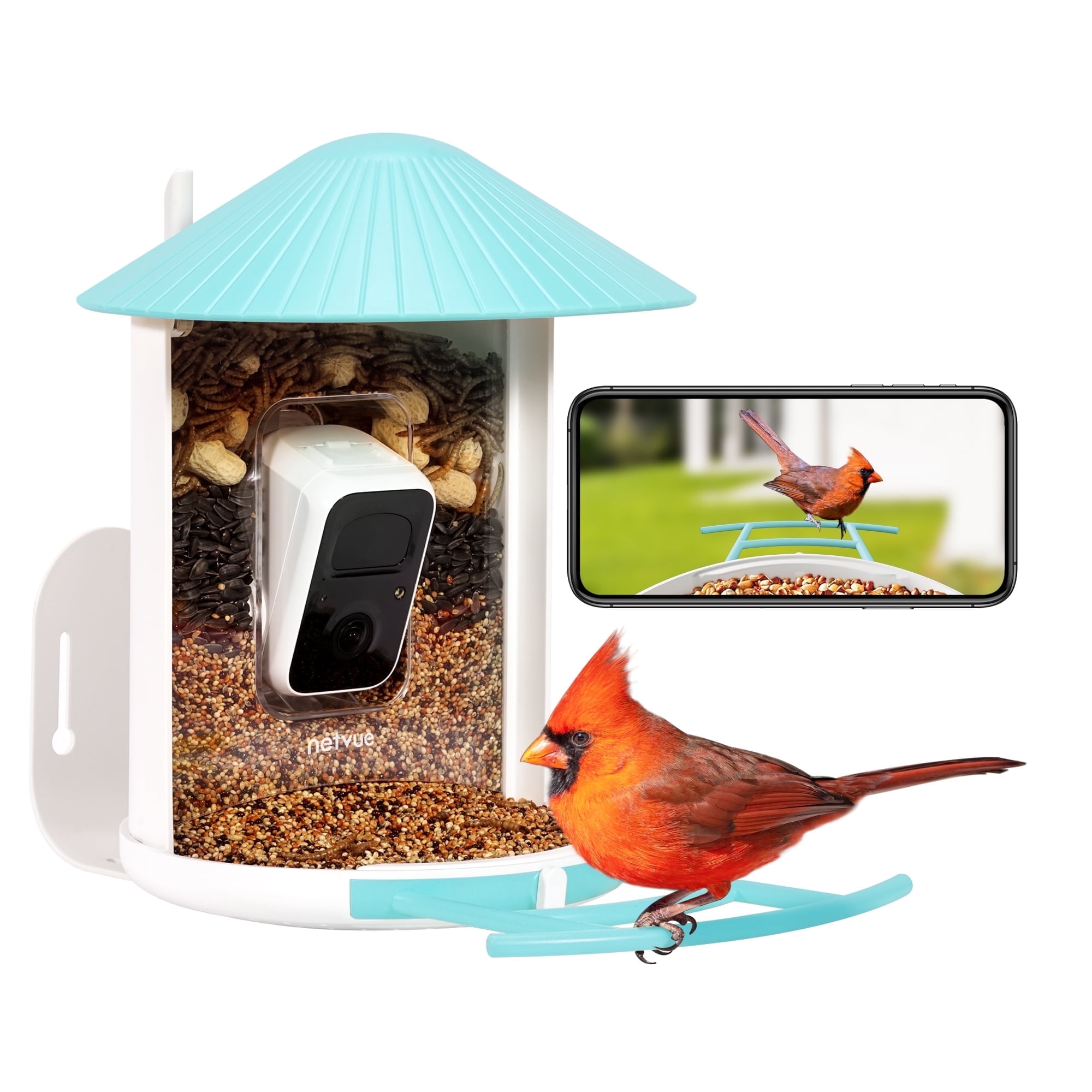
- Built-in Camera Feeders:These combine feeder and camera in one device, making setup simple and compact.
- Attachable Cameras:You can add these to your existing feeders, offering flexibility and cost savings.
- Trail Cameras:Designed for outdoor use, these cameras work well for feeders placed in natural settings but may require separate mounting.
Which type fits your routine? If you prefer minimal setup, built-in feeders might suit you. If you already have feeders you love, attachable cameras could be ideal.
Placement Tips For Better Shots
Position the feeder where birds feel safe and visible. Near shrubs or trees often works well, as birds use these for quick escapes.
Ensure good natural lighting without direct harsh sunlight. Early morning or late afternoon often provides the best soft light for photography.
Try different angles. A feeder at eye level gives intimate shots, but placing it slightly higher can capture flying arrivals or departures.
Have you noticed how slight changes in placement can affect your photo success? Experiment and observe what attracts the most activity and clear shots.
Credit: www.walmart.com
Top Camera Bird Feeder Models
Choosing the right camera bird feeder can enhance your birdwatching experience. It lets you observe birds up close without disturbing them. Various models offer different features, such as video recording, motion detection, and weather resistance. Here are some top camera bird feeder models for different needs and budgets.
High-end Options
- Bird Buddy Smart Feeder:Features a built-in HD camera and AI bird recognition. It sends real-time notifications to your phone.
- Nature Spy Wireless Bird Feeder:Offers 1080p video quality with night vision. It includes motion sensors and Wi-Fi connectivity.
- Netvue Birdfy:Combines a bird feeder with a 1080p camera. It supports two-way audio and cloud storage.
Budget-friendly Picks
- Yolife Wireless Bird Feeder Camera:Affordable with 720p video and motion detection. Easy to install and use.
- HailiCare Bird Feeder Camera:Simple design with clear video quality. Supports SD card recording and Wi-Fi.
- Victure Bird Feeder Camera:Cost-effective option with HD video and night vision. Works well for casual bird watchers.
Best For Beginners
- Birdhouse Wireless Feeder Camera:User-friendly with quick setup. Provides good video quality and basic features.
- Conbrov Wireless Bird Feeder Camera:Offers easy app control and clear images. Ideal for new bird enthusiasts.
- FOSCAM Bird Feeder Camera:Reliable with straightforward controls. Includes motion alerts and cloud options.
Enhancing Your Bird Photography
Enhancing your bird photography goes beyond just having the best camera bird feeder. It requires understanding how light, timing, and camera settings affect your shots. Plus, knowing how to attract a variety of bird species can make your photos truly stand out.
Lighting And Timing
Lighting plays a crucial role in capturing sharp, vibrant bird photos. Early mornings and late afternoons provide soft, warm light that highlights the birds’ colors without harsh shadows.
Have you noticed how midday sun often washes out colors? Try to avoid shooting during this time. Instead, watch the feeder throughout the day to discover when birds are most active and light is best.
Camera Settings For Sharp Images
To freeze quick bird movements, use a fast shutter speed—at least 1/1000 of a second. This prevents blur and captures crisp details like feathers and eyes.
Adjust your ISO to balance brightness without adding too much noise. Auto-focus should track moving subjects, so set your camera to continuous focus mode if possible.
Experiment with aperture too. A wider aperture (low f-number) blurs the background, making your bird the star of the shot.
Attracting Different Bird Species
Diverse birds mean more photo opportunities. You can attract different species by offering a variety of seeds, suet, or fruit on your feeder.
- Black oil sunflower seeds are favorites for many songbirds.
- Nyjer seed attracts finches.
- Apples or oranges can lure orioles and tanagers.
Try placing feeders in different spots—some in open areas, others near shrubs. Watch how birds respond and adjust accordingly. What new species might visit if you change your feeder’s offerings or location?

Credit: www.amazon.com
Maintenance And Durability
The best camera bird feeder combines functionality with longevity. Maintaining its condition is crucial. Durable models stand the test of time and nature’s elements. Regular care ensures it remains a reliable tool for bird enthusiasts.
Cleaning Tips
Regular cleaning extends the life of your camera bird feeder. Use mild soap and water for safe cleaning. Avoid harsh chemicals that might damage the camera. Ensure all parts are thoroughly dry before reassembly. This prevents mold and extends device longevity.
Weather Resistance
Weather resistance is vital for outdoor devices. A good camera bird feeder withstands rain, wind, and sun. Look for models with a waterproof rating. Sealed housings protect delicate electronics from moisture. Weatherproof materials ensure durability through all seasons.
Battery Life And Power Options
Long battery life is essential for uninterrupted bird watching. Opt for feeders with rechargeable batteries. Check if solar power options are available for continuous energy. Some models include power-saving modes to extend usage time. Consider these features for a hassle-free experience.

Credit: www.amazon.com
Frequently Asked Questions
What Features Make The Best Camera Bird Feeder?
The best camera bird feeder offers high-resolution video, weatherproof design, and easy installation. It should have motion detection and night vision for clear bird watching anytime.
How Do Camera Bird Feeders Attract More Birds?
Camera bird feeders use seed quality, feeder design, and placement to attract birds. Clear visibility and minimal human disturbance also encourage frequent visits.
Can Camera Bird Feeders Record Videos Automatically?
Yes, many camera bird feeders have motion sensors that trigger automatic video recording. This feature captures birds’ activities without manual operation.
Are Camera Bird Feeders Easy To Install And Maintain?
Most camera bird feeders are designed for easy setup and simple cleaning. Choose models with removable parts and durable materials for hassle-free maintenance.
Conclusion
Choosing the best camera bird feeder can bring nature closer to you. It helps capture beautiful moments of birds visiting your garden. A good feeder offers clear images and easy setup. Think about your budget, space, and the types of birds you want to see.
Quality and durability matter a lot too. Enjoy watching birds and capturing their charm every day. This small effort makes birdwatching more fun and rewarding. Start your bird feeding and photography journey with the right camera feeder today.




