
Have you ever heard the phrase “birds of a feather” and wondered what it really means? It’s a simple saying, but it holds a powerful message about how people connect and stick together.
Understanding this phrase can change how you see your friendships, work relationships, and even the communities you belong to. If you want to discover why this expression matters and how it applies to your life, keep reading. You might be surprised by what you learn about yourself and the people around you.

Credit: www.welcometosheffield.co.uk
Origin Of The Phrase
The phrase “birds of a feather” has an interesting history that sheds light on why it perfectly describes people with similar interests or characteristics sticking together. Understanding where this saying comes from can help you appreciate its meaning on a deeper level. Let’s dive into its origin and see how it evolved over time.
Historical Background
This phrase dates back several centuries and is rooted in the observation of nature. People noticed that birds of the same species tend to flock together, a fact that inspired the saying. This natural behavior became a metaphor for human social habits.
Back in the 16th century, writers and thinkers began using this idea to comment on human relationships. It was a simple yet powerful way to explain why like-minded people often form groups or friendships. Have you ever wondered why you feel more comfortable around certain people? This phrase offers a clue.
Early Usage
The phrase “birds of a feather flock together” appeared in English literature as early as the 1500s. One of the earliest recorded uses is in William Turner’s work from 1545, where he remarked on the tendency of similar birds to stay close. This helped popularize the metaphor in everyday language.
Later, the phrase was used in various proverbs and sayings to emphasize the idea that people with similar habits, values, or interests naturally group together. This early usage shows how language evolves based on simple observations of the world around us. Next time you notice your own social circle, think about how this old saying still rings true.
Credit: nhm.org
Literal Meaning
The phrase “birds of a feather” often sparks curiosity about its literal roots. At face value, it paints a simple image, but understanding its literal meaning gives you a clearer picture of why it resonates so well in everyday language.
Birds And Feathers
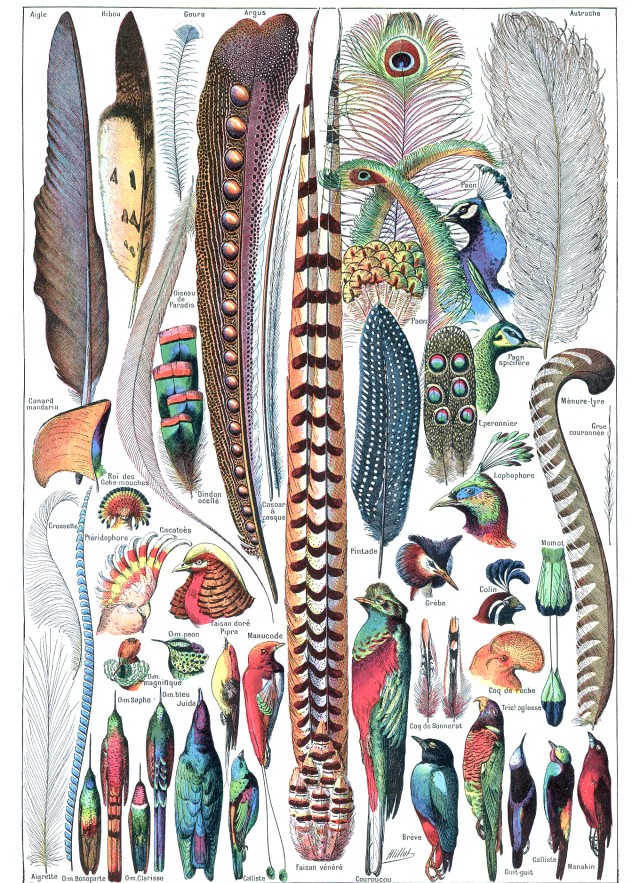
Birds naturally group together based on their species, which share similar feathers. These feathers are not just for show—they help identify the bird’s kind, age, and even health. When you see a flock of the same type, it’s their feathers that make them recognizable as a group.
Think about how you spot a group of pigeons in the park. Their similar grey feathers tell you they belong together without needing any other sign. This simple fact about birds helps explain why the phrase uses “feather” to indicate similarity.
Natural Behavior Analogy
Birds tend to flock with others that look like them because it offers safety and comfort. This behavior can be seen in many species, not just birds. It’s a natural way to stick with those who share traits and habits.
Have you noticed how people often gravitate toward others who share their interests or backgrounds? This mirrors what you see in bird groups. The literal meaning of “birds of a feather” is about sticking with similar others, just as birds do in nature.
Figurative Meaning
The phrase “birds of a feather” carries a figurative meaning that goes beyond its literal sense. It highlights how people tend to group with those who share similar traits, habits, or interests. This idea touches on human nature and the way we build our social circles.
Common Interests
When you hear “birds of a feather,” think about how shared interests pull people together. Whether it’s a hobby like hiking, a passion for a certain type of music, or even a work-related skill, common ground creates a natural bond.
Have you noticed how quickly you connect with someone who enjoys the same activities? That connection often leads to deeper conversations and lasting relationships. You might join a book club because you love reading, and suddenly you have a circle of friends who enjoy talking about stories just like you do.
Social Connections
This phrase also reflects how social connections form around similarities. People often feel more comfortable and understood when they are with others who share their values or lifestyles.
Think about your own experience—do you find yourself spending more time with people who think or behave like you? These connections help you feel supported and validated, which is why you might prefer certain groups over others without even realizing it.
What groups do you naturally gravitate toward, and why? Understanding this can help you build stronger, more meaningful relationships in both your personal and professional life.
Cultural Impact
The phrase “birds of a feather” has woven itself deeply into various cultures, influencing how people express ideas about similarity and companionship. Its cultural impact extends beyond casual conversation, shaping how communities understand relationships and social connections. This influence is visible in everyday language, literature, and popular media.
Proverbs And Sayings
“Birds of a feather flock together” is a proverb that appears in many languages, highlighting the universal nature of the idea. It suggests that people tend to associate with others who share similar interests, values, or characteristics. Have you noticed how often this phrase pops up in conversations about friendships or work teams?
This saying often serves as a gentle reminder or warning about the company you keep. It can encourage you to reflect on whether your social circle supports your goals or holds you back. The phrase’s simplicity makes it easy to remember and apply in everyday life.
Use In Literature And Media
Writers and filmmakers frequently use the concept behind “birds of a feather” to develop characters and storylines. You might find groups of characters bonded by shared traits or experiences, reinforcing the idea that similarity creates connection. This theme helps audiences quickly understand relationships and conflicts.
For instance, many popular movies and TV shows portray friend groups or families where members have common traits that explain their loyalty or clashes. Have you ever wondered why certain characters naturally gravitate toward each other on screen? This phrase explains much of that dynamic.
By recognizing this pattern, you can better analyze stories and even your social interactions. Are you choosing your “flock” wisely? How might understanding this influence your personal and professional relationships?
Psychological Perspective
The phrase “birds of a feather flock together” isn’t just a catchy saying; it also has deep roots in psychology. From a psychological perspective, this concept helps explain how we form connections and why we often feel drawn to people who share our interests and values. Understanding this can offer profound insights into human behavior and the dynamics of groups.
Human Behavior Patterns
Humans naturally gravitate towards those who are similar to them. This is not just a coincidence; it’s rooted in psychological comfort. When you’re around people who share your beliefs and interests, you experience a sense of validation and belonging.
Think about the last time you met someone who shared your passion for a particular hobby. The conversation flowed effortlessly, right? This is because shared experiences and interests create a foundation for deeper connections.
Yet, it’s not just about liking the same music or movies. It’s about finding common ground in values and perspectives. This can lead to a stronger sense of community and support, which is essential for mental well-being.
Group Dynamics
In group settings, the “birds of a feather” principle influences how groups form and function. Groups tend to be more cohesive when members share similar attributes. This similarity fosters trust and cooperation.
Consider how work teams often bond over shared goals and professional values. When team members align on key objectives, they work more effectively and harmoniously. This alignment can lead to increased productivity and a more positive work environment.
However, it’s important to ask yourself: Does this tendency to stick with similar individuals limit your exposure to diverse perspectives? Embracing diversity within groups can bring fresh ideas and innovative solutions. Balancing similarity with diversity is crucial for personal growth and group success.
Modern Usage
The phrase “birds of a feather” has seamlessly woven itself into modern language, capturing the idea that people with similar interests or characteristics tend to stick together. Its usage today goes beyond casual chats, finding relevance in various aspects of life. Understanding how this phrase fits into current conversations can help you communicate more effectively and notice patterns in social and professional dynamics.
In Everyday Conversation
You might hear “birds of a feather” when people talk about friendship circles or social groups. It highlights how individuals with common hobbies or values naturally bond. For instance, you could say, “Those two are birds of a feather—they both love hiking and photography.”
Using this phrase in daily talks helps you quickly explain why certain people connect without lengthy explanations. It’s a simple way to point out shared traits or habits. Have you noticed how your own friend group shares similar tastes or habits? That’s exactly what this phrase captures.
In Professional Settings
In the workplace, “birds of a feather” often describes how colleagues with similar skills or mindsets team up. It can explain why certain departments or project groups seem tightly knit. For example, tech teams might click because they share problem-solving approaches and jargon.
Recognizing this can improve your collaboration skills. When you identify who shares your working style or goals, you can build stronger partnerships. Think about your last project—did you naturally gravitate toward certain teammates? That’s the phrase in action within your professional world.

Credit: en.wikipedia.org
Frequently Asked Questions
What Does “birds Of A Feather” Mean?
“Birds of a feather” means people with similar interests or characteristics tend to group together. It highlights how like-minded individuals naturally form connections and communities.
Where Does The Phrase “birds Of A Feather” Originate?
The phrase originates from the 16th century and is linked to the proverb “Birds of a feather flock together. ” It reflects natural behavior observed in birds.
How Is “birds Of A Feather” Used In Daily Conversation?
It’s used to describe people who share common traits or hobbies. For example, friends who enjoy the same activities are “birds of a feather. “
Why Do People Say “birds Of A Feather Flock Together”?
This saying explains that people with similar qualities often associate closely. It suggests comfort and understanding within like-minded groups.
Conclusion
Birds of a feather means people with similar interests stick together. It shows how people feel comfortable with those who share their views. This phrase helps explain friendships and groups in everyday life. Understanding it makes conversations clearer and more meaningful.
Remember, we often choose friends who are like us. This idea is simple but true in many situations. Keep this phrase in mind during talks about people and relationships. It’s a small saying with a big meaning.




