
Have you ever wondered how to hunt birds right in your own backyard? It might sound surprising, but with the right approach, you can turn your outdoor space into a small hunting ground.
Imagine the thrill of spotting a bird nearby and knowing exactly how to take your shot safely and responsibly. This guide will walk you through simple, effective tips to help you hunt birds close to home. Keep reading, and you’ll discover easy steps that anyone can follow to enjoy this rewarding activity.
Credit: blog.cwf-fcf.org
Choosing The Right Equipment
Choosing the right equipment is crucial for a successful bird hunt in your backyard. The right tools improve accuracy and safety. They also make the hunt more enjoyable. Each piece of equipment plays a specific role. Knowing what to pick helps you prepare better.
Selecting Suitable Firearms
Shotguns are the best choice for bird hunting. They offer a wide shot spread, making it easier to hit flying birds. Choose a shotgun with a barrel length between 26 and 28 inches. A lightweight shotgun helps reduce arm fatigue during long hunts. Consider a pump-action or semi-automatic shotgun for quick follow-up shots. Ensure the firearm fits comfortably and feels balanced in your hands.
Essential Ammunition Types
Use birdshot ammunition designed for small game. Birdshot pellets come in different sizes. Smaller shot sizes, like 7.5 or 8, are ideal for small birds. Larger pellets may damage the meat or miss smaller targets. Avoid using buckshot or slugs, as they are too powerful for bird hunting. Check local regulations for legal shot sizes and types before hunting.
Using Decoys And Calls
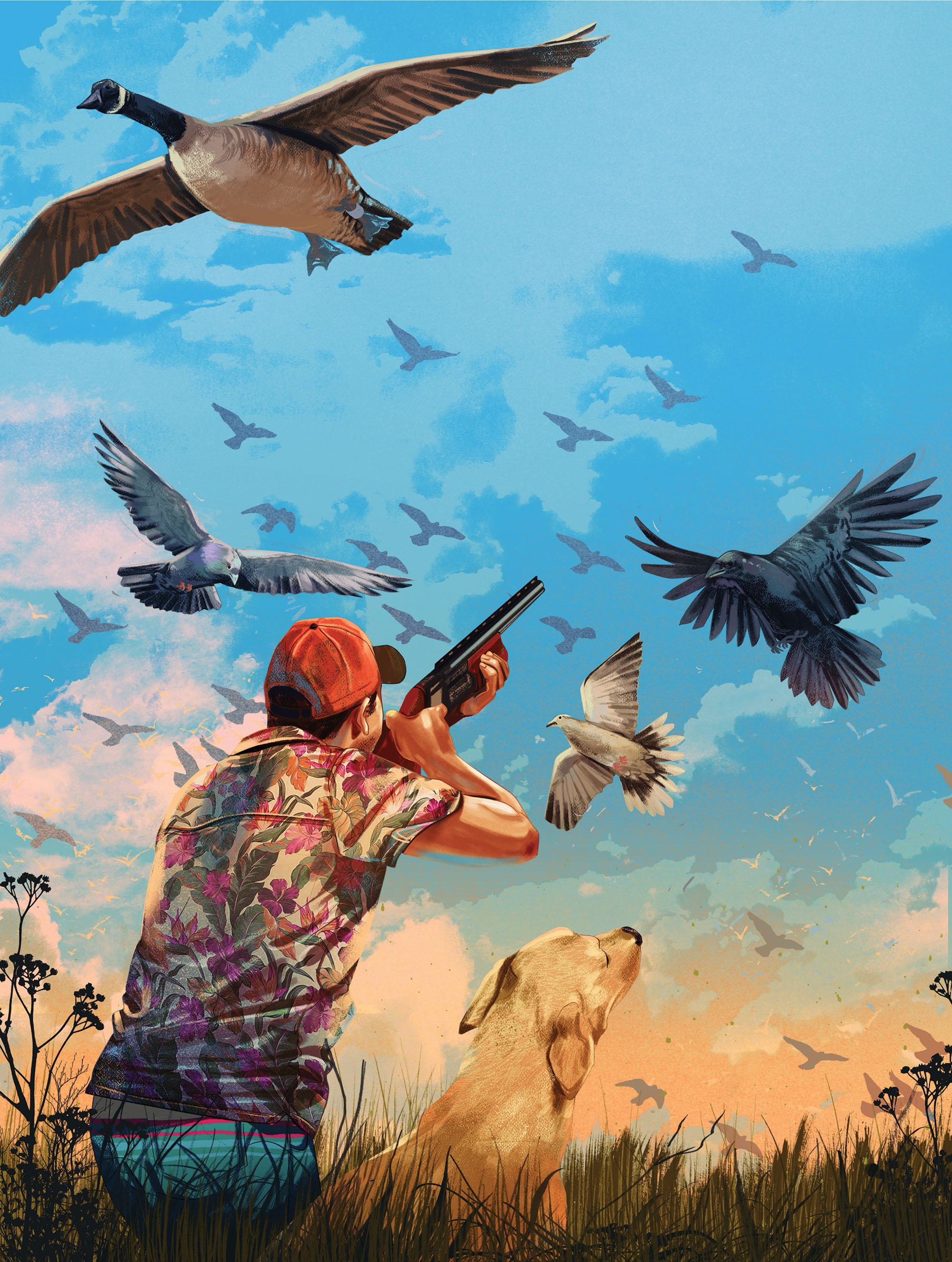
Decoys attract birds by mimicking real ones. Place decoys near feeding or resting spots. Use a mix of standing and sitting decoys for realism. Bird calls imitate the sounds birds make. They lure birds closer to your position. Practice using calls to sound natural. Combining decoys and calls increases your chances of success. Keep the setup simple and adjust based on bird behavior.
Credit: www.outdoorlife.com
Scouting Your Backyard
Scouting your backyard is the first and most important step before you start hunting birds. It helps you understand the environment and the types of birds that visit your space. Careful observation will increase your chances of success and keep your experience safe and enjoyable.
Identifying Bird Species
Start by learning which bird species are common in your area. Use a bird guidebook or an app to help you identify birds by their size, color, and shape. Knowing the species helps you understand their behavior and legal restrictions on hunting them.
Pay attention to the birds’ calls and songs; they are often unique to each species. This can also help you spot them even if they are hidden in trees or bushes. Have you noticed how some birds only appear during certain seasons? This affects when and where you should be ready.
Observing Bird Habits
Watch when birds are most active in your backyard. Many birds feed early in the morning or late in the afternoon. Tracking their daily routines helps you plan the best times for hunting.
Notice if birds prefer to stay on the ground, in trees, or near water. Understanding their movement patterns will help you set up your hunting spot where they are most likely to appear. Try sitting quietly for short periods to avoid scaring them away.
Finding Feeding And Nesting Spots
Birds often return to the same feeding and nesting places. Look for bird feeders, berry bushes, or seed plants that attract them. These spots offer reliable locations to wait for birds.
Check trees and shrubs for nests, but be careful not to disturb them. Nests show where birds spend a lot of time and can help you predict their routes. Have you found any favorite feeding spots in your yard that birds visit repeatedly? Mark these places for future reference.
Setting Up Your Hunting Area
Setting up your hunting area is a key part of a successful bird hunt. The right setup helps you stay hidden and attracts birds closer. Careful planning can improve your chances and make the experience more rewarding. Focus on creating a space that blends with nature and feels natural to the birds.
Creating Effective Blinds
Blinds keep you hidden from the birds’ sharp eyes. Use natural materials like branches, leaves, and grass. Match the colors and textures of your surroundings. Make sure the blind is comfortable and offers a clear view of your target area. Avoid sudden movements that could give away your position.
Positioning Decoys Strategically
Place decoys where birds usually land or feed. Arrange them in small groups to look natural. Keep some space between decoys to avoid overcrowding. Use different types of decoys to attract various bird species. Change positions often to avoid suspicion from birds.
Managing Noise And Movement
Birds notice even small sounds and quick moves. Move slowly and quietly inside the blind. Avoid talking or sudden gestures. Use soft clothing that does not rustle. Prepare your gear before the hunt to reduce noise. Stay calm and patient to keep birds at ease.
Timing Your Hunt
Timing your hunt is key to a successful backyard bird hunting experience. Birds have specific patterns that affect their activity. Knowing these patterns helps you plan better and increase your chances of a good catch. Understanding the best seasons, times of day, and weather conditions can make a big difference.
Best Seasons For Backyard Bird Hunting
Bird activity changes with the seasons. Early fall and late winter usually offer the best chances. Birds migrate and feed more during these times. Spring can also be good, but birds may be more cautious. Summer hunting might be harder as birds spread out.
Check local hunting regulations to know the allowed seasons. Respecting these rules keeps hunting safe and legal.
Ideal Times Of Day
Birds are most active during early morning and late afternoon. These times are cooler and birds search for food. Midday can be slow because birds rest and hide. Plan your hunt around dawn or dusk for the best results. Patience during these hours often pays off.
Weather Considerations
Weather impacts bird behavior a lot. Overcast days can keep birds active longer. Light rain might not stop birds but heavy rain usually does. Windy days can make hunting harder as birds fly less. Cold snaps can push birds to find shelter quickly.
Check the weather forecast before heading out. Adjust your timing to match bird activity on different days.
Safety And Legal Guidelines
Hunting birds in your backyard can be rewarding, but it comes with important responsibilities. Following safety and legal guidelines protects you, others, and wildlife. It also ensures your hunting experience is respectful and trouble-free.
Local Hunting Regulations
Check your area’s specific laws before you start. Regulations vary widely depending on your state or country, so what’s allowed in one place might be illegal in another.
Look for restrictions on:
- Which bird species you can hunt
- Hunting seasons and times of day
- Permits or licenses required
- Allowed hunting methods and equipment
Ignoring these rules can lead to fines or worse. Have you ever verified your local hunting laws before heading out? It saves a lot of trouble.
Using Protective Gear
Safety gear isn’t optional—it’s essential. Always wear eye protection and earplugs to guard against accidental injuries and loud noises.
Wear bright clothing if you’re near neighbors or in areas where other hunters might be present. This helps prevent accidents and keeps you visible.
Consider gloves and sturdy boots for better grip and foot protection. Taking these precautions makes your hunting safer and more comfortable.
Respecting Neighbors And Pets
Your backyard is part of a community. Noise and activity can affect neighbors and their pets, so keep this in mind.
Communicate your plans if possible. A simple heads-up can prevent misunderstandings or complaints.
Keep pets indoors or under close supervision during hunting to avoid startling them or causing accidents. How would you feel if your dog ran into the line of fire? Treat others’ homes and animals with the same care you want for your own.
Techniques For A Successful Hunt
Set up quiet spots with natural cover to avoid scaring birds away. Use simple calls and patience to attract them closer for a better chance at success.
Hunting birds in your backyard can be both thrilling and rewarding. The key to a successful hunt lies in mastering specific techniques. Whether you’re a seasoned hunter or a beginner, refining your methods can elevate your experience and success rate. Let’s delve into some practical techniques that can make your backyard bird hunting adventure more fruitful.Effective Calling Methods
Using the right bird calls can lure your target closer. Practice makes perfect, so spend time mastering different calls. You can use a variety of tools, such as mouth calls or electronic devices, to mimic the sounds of specific birds. Try experimenting with different pitches and rhythms. Notice how birds in your area respond and adjust accordingly. Always be patient; sometimes it takes a while for birds to react.Shooting Accuracy Tips
Accuracy is essential when it comes to shooting. Start by ensuring your equipment is in top condition. Regularly clean and maintain your firearm or bow to ensure reliability. Practice your aim frequently, focusing on both stationary and moving targets. Consider setting up a small range in your backyard. Remember, consistency in your stance and grip can greatly improve your shot.Tracking And Retrieving Birds
After a successful shot, tracking and retrieving your bird is crucial. Pay attention to the bird’s flight path after it’s hit. Quickly mark the spot where you last saw it. Having a well-trained dog can be a game-changer in retrieving downed birds. If you don’t have a dog, use visual markers to help locate the bird. Always be respectful of the environment, ensuring not to disturb other wildlife during your search. How can these techniques transform your backyard into a successful hunting ground? With practice, patience, and keen observation, you’ll find that the art of backyard bird hunting is not only about the hunt itself but also about connecting with nature and honing your skills.Processing And Cooking Your Catch
After a successful hunt, the real work begins with processing and cooking your catch. Handling your birds properly ensures the best flavor and safety for your meals. It can be a rewarding experience to transform your backyard catch into a delicious dish.
Cleaning And Preparing Birds
Start by plucking the feathers carefully to avoid tearing the skin. Use warm water to loosen feathers if needed, but avoid soaking the bird for too long. Once plucked, remove the entrails with a sharp knife, taking care not to puncture the organs.
Rinse the bird thoroughly inside and out under cold running water. Pat dry with paper towels to prevent sogginess during cooking. If you’re new to this, try watching a few tutorial videos to get comfortable with the process.
Storage Tips
If you’re not cooking your bird immediately, proper storage is crucial. Wrap the cleaned bird tightly in plastic wrap or place it in an airtight container. Store it in the coldest part of your refrigerator and use it within 24 to 48 hours.
For longer storage, freeze your birds. Use freezer bags or vacuum-sealed packaging to prevent freezer burn. Label the package with the date so you can keep track and use the oldest catch first.
Simple Backyard Bird Recipes
Start with easy recipes that highlight the bird’s natural flavor. Try roasting your bird with a bit of olive oil, salt, pepper, and fresh herbs like rosemary or thyme. Roast at 375°F (190°C) for about 20 minutes per pound, checking for doneness.
If you prefer something quicker, sauté bird breasts with garlic and butter for a simple pan dish. Add a squeeze of lemon juice at the end to brighten the flavor. Do you think you’ll try a classic roast or experiment with a new recipe first?

Credit: edis.ifas.ufl.edu
Frequently Asked Questions
What Equipment Do I Need To Hunt Birds In My Backyard?
You need a reliable air rifle or shotgun, bird calls, and camouflage clothing. Also, use bird feeders to attract birds safely.
How Can I Attract Birds To Hunt In My Backyard?
Set up feeders with seeds or suet, provide water sources, and plant native shrubs. This creates a natural habitat to lure birds.
Are There Legal Restrictions For Backyard Bird Hunting?
Yes, check local hunting laws and permits before hunting. Many areas have specific seasons and protected bird species.
What Safety Measures Should I Follow When Hunting Birds?
Always wear protective gear, use safe shooting zones, and inform neighbors. Handle firearms responsibly to prevent accidents.
Conclusion
Hunting birds in your backyard can be simple and fun. Start by learning about local birds and their habits. Use safe and legal methods to ensure a good experience. Patience and respect for nature make the process better. Keep your tools ready and stay alert.
Enjoy the quiet moments outdoors while hunting. Always follow the rules to protect wildlife. Your backyard can become a great spot for bird hunting. Try these tips and see the results yourself. Happy hunting!




