
Imagine stepping into a world bursting with vibrant colors and mysterious sounds. The Amazon Rainforest is home to some of the most exotic birds you’ll ever see.
If you’ve ever wanted to witness these amazing creatures up close, this guide is for you. You’ll learn simple, effective ways to explore the jungle safely and spot rare birds that few get to experience. Ready to unlock the secrets of the Amazon and fill your eyes with unforgettable sights?
Keep reading, and your adventure begins here.
Planning Your Amazon Adventure
Planning your adventure in the Amazon Rainforest takes careful thought. The vastness and biodiversity of this region demand preparation that matches the challenge. Your experience will be richer and safer if you consider timing, guidance, and legal requirements before setting off.
Best Time To Visit
Choosing when to go can change your entire experience. The dry season, from July to December, offers easier trails and better birdwatching opportunities.
During these months, water levels drop, making it simpler to spot exotic birds in their natural habitats. However, the wet season from January to June brings lush vegetation and unique bird behaviors, although some areas may be harder to access.
Ask yourself, do you prefer ease of access or witnessing the rainforest in full bloom? Your answer will guide your travel dates.
Choosing A Guided Tour
Guided tours are more than just a convenience—they are a doorway to hidden spots and expert knowledge. Look for guides with strong local ties and a proven track record in birdwatching.
Small group tours often provide a more personalized experience, allowing you to focus on bird species that interest you most. Many guides carry specialized equipment like binoculars and bird call recordings, enhancing your chances to observe elusive species.
Consider how much control you want over your itinerary. Would you rather have a flexible schedule or a structured plan that covers key locations?
Essential Permits And Regulations
Before you pack your bags, check what permits you need. Some areas of the Amazon require entry permits to protect fragile ecosystems and cultural heritage.
Regulations also restrict certain activities to minimize human impact on wildlife. For example, some reserves limit the number of visitors or prohibit feeding birds to maintain natural behaviors.
Failure to comply could result in fines or being turned away, so verify these details early. Have you contacted local authorities or tour operators to confirm the necessary paperwork?

Credit: www.southernexplorations.com
Packing Essentials For The Jungle
Packing for the Amazon rainforest requires careful thought. The jungle’s humid climate and diverse wildlife mean you must be ready for anything. Your packing choices can make or break your birdwatching adventure.
Clothing And Footwear
Choose lightweight, breathable clothes that dry quickly. Long sleeves and pants protect you from insects and thorny plants. Neutral colors like green, brown, or beige help you blend into the environment without startling the birds.
Wear sturdy, waterproof hiking boots with good ankle support. You’ll likely trek through muddy trails and uneven terrain. Don’t forget moisture-wicking socks to prevent blisters and keep your feet dry.
Gear For Birdwatching
Bring a pair of high-quality binoculars with a wide field of view. This allows you to spot and identify birds from a distance without disturbing them. A bird guidebook or app specific to the Amazon can help you recognize species you encounter.
A camera with a zoom lens is handy if you want to capture photos. But remember, patience is key—sometimes the best shots come from waiting quietly in one spot. A lightweight backpack to carry your gear comfortably will make long hikes easier.
Health And Safety Supplies
Pack insect repellent containing DEET or natural alternatives safe for sensitive skin. Mosquitoes in the Amazon can carry diseases, so protection is essential. Carry a basic first aid kit with bandages, antiseptic wipes, and any personal medication.
Don’t forget sunscreen with high SPF and a wide-brimmed hat to protect against the strong sun filtering through the canopy. Clean drinking water or water purification tablets are vital to avoid dehydration and illness. Have you ever thought about how your health supplies could influence your entire trip’s success?
Navigating The Amazon Terrain
Navigating the Amazon terrain requires more than just enthusiasm—it demands careful planning and respect for the environment. The vastness and diversity of the rainforest can quickly overwhelm you without the right approach. Knowing how to move through rivers, trails, and the wild itself will make your bird-watching adventure safer and more rewarding.
River Travel Tips
The rivers in the Amazon are the primary highways, offering access to remote bird habitats. Choose a sturdy canoe or small motorboat to handle shifting currents and submerged obstacles. Always wear a life jacket and carry waterproof bags for your gear and bird guides.
Timing your river trips around the water levels can improve your experience. Low water reveals sandbanks and fallen trees, creating perfect spots for bird sightings. High water opens up new routes but can be trickier to navigate.
- Check local weather forecasts before setting out.
- Hire a local guide who knows the river’s secrets.
- Bring binoculars and a camera within easy reach.
Hiking Trails And Routes
Walking through the rainforest lets you encounter exotic birds in their natural settings. Stick to marked trails to minimize your impact and avoid getting lost. Trails near oxbow lakes and fruiting trees often attract colorful species like toucans and parrots.
Start early in the morning when birds are most active and the forest is cooler. Carry lightweight gear and enough water, and wear sturdy boots to handle muddy or uneven ground. Don’t rush—pausing quietly can reveal unexpected birdlife.
- Ask your guide about lesser-known paths favored by birds.
- Use a bird call app sparingly to attract species without disturbing them.
- Note sounds and movements; sometimes, spotting a bird starts with listening.
Staying Safe In The Wild
The Amazon’s beauty comes with risks you must respect. Mosquitoes can carry diseases, so apply insect repellent regularly and wear long sleeves. Carry a basic first aid kit for minor injuries or allergic reactions.
Wild animals are curious but unpredictable. Keep a safe distance from all wildlife and never feed them. If you feel unsure about a path or situation, trust your instincts and turn back or seek advice from your guide.
Have you prepared your emergency contacts and shared your itinerary with someone trustworthy? This small step can make a huge difference if you encounter trouble. Your safety is key to enjoying the magic of the Amazon’s birds fully.
Spotting Exotic Birds
Spotting exotic birds in the Amazon Rainforest offers a unique thrill. The vibrant colors and unusual shapes captivate any bird lover. The rainforest is home to thousands of bird species. Many of these species live nowhere else on Earth. Observing them up close reveals fascinating behaviors and beautiful plumage. Patience and quiet observation are key to successful birdwatching here. Every sighting feels like a special discovery.
Top Bird Species To Watch
- Harpy Eagle – the rainforest’s largest and most powerful bird.
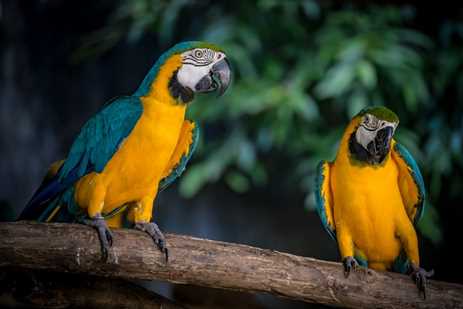
- Scarlet Macaw – famous for its bright red, blue, and yellow feathers.
- Toucan – known for its large, colorful beak.
- Amazon Kingfisher – often seen near rivers, with striking blue and orange colors.
- Hoatzin – a unique bird with a prehistoric look and a strong odor.
- Green-and-Rufous Kingfisher – a rare sight with its vibrant green and rust tones.
- Sunbittern – showcases beautiful wing patterns during flight.
Best Times For Birdwatching
Early morning is the best time to spot birds. Most birds are active at dawn and just after sunrise. Late afternoon also offers good chances. Birds prepare to roost and show more movement. Avoid the hottest part of the day when birds rest. The dry season often provides clearer skies and easier spotting. Rainy days can make birdwatching difficult but reveal some rare species.
Using Binoculars And Cameras
Binoculars help you see details from a distance. Choose lightweight binoculars with 8x to 10x magnification. This range balances clarity and ease of use. Keep binoculars steady to avoid blurry images. Use a camera with a zoom lens for close-up photos. A telephoto lens of 300mm or more is ideal. Move slowly and quietly to avoid scaring birds. Practice focusing before your trip for better shots.
Interacting With Local Communities
Interacting with local communities enriches your Amazon experience. It offers a deeper view of the rainforest beyond its natural beauty. These communities have lived in harmony with the forest for generations. Their stories and knowledge bring the environment to life. Respectful interaction helps preserve their culture and supports their way of life. It also creates meaningful connections during your adventure.
Cultural Insights
Local communities share unique traditions and beliefs. They explain the significance of certain birds and plants. Visitors learn about ancient customs connected to the forest. This knowledge adds a rich layer to birdwatching and exploration. It shows how people and nature depend on each other. Simple stories and songs reveal deep respect for the environment.
Supporting Sustainable Tourism
Choosing community-led tours helps protect the Amazon. It ensures money goes directly to local families. This support keeps their culture alive and the forest safe. Sustainable tourism avoids harm to wildlife and habitats. It encourages responsible behavior among visitors. Small actions can make a big difference for future generations.
Learning From Indigenous Guides
Indigenous guides offer expert knowledge of the rainforest. They know where to find rare and exotic birds. Their tracking skills and understanding of animal behavior are unmatched. Guides teach how to observe without disturbing wildlife. They share survival tips and stories passed down through time. Traveling with them creates a richer and safer journey.
Credit: www.expeditions.com
Capturing Your Experience
Discover the Amazon Rainforest by joining guided tours that lead you through lush landscapes. Observe exotic birds in their natural habitat, using binoculars for a closer view. Capture these moments with your camera to treasure the vibrant colors and unique species of this incredible ecosystem.
Capturing memories in the Amazon Rainforest can be a thrilling experience. The vibrant colors of exotic birds and the lush greenery create stunning visuals. This unique environment offers various ways to capture your journey. Through photography, sound recordings, and journaling, you can create lasting memories.Photography Tips In The Rainforest
Photographing in the rainforest requires some planning. Light is often low under the dense canopy. Use a camera with a good ISO range for clear photos. A waterproof camera or case is essential due to the humid climate. Patience is key. Birds often hide among the trees. Wait quietly for them to appear. Capture birds in flight for dynamic shots. Use a fast shutter speed for sharp images. Pack extra batteries. The rainforest’s beauty might keep you snapping all day.Recording Bird Sounds
Bird calls in the Amazon are a symphony of sounds. Use a portable recorder to capture these. Choose a recorder with good sound quality. Position your recorder close to the source, but avoid disturbing the birds. Early morning is the best time to record. Birds are most active at dawn. Use a windscreen to reduce noise interference. Label each recording with the date and location. This helps you keep track of different bird calls.Keeping A Nature Journal
A nature journal is a personal record of your experiences. Write down your observations daily. Note the birds you see and the sounds you hear. Sketch the birds or plants that catch your eye. Add details like colors, shapes, and behaviors. Include information about the weather and your emotions. This adds depth to your entries. A journal helps you remember your adventure vividly. It becomes a cherished keepsake of your time in the Amazon.
Credit: www.youtube.com
Frequently Asked Questions
What Is The Best Time To Visit The Amazon Rainforest?
The best time to visit is during the dry season from July to December. This period offers easier trails and better birdwatching. Wildlife is more active, and river levels are lower, making exploration safer and more enjoyable.
How Can I Spot Exotic Birds In The Amazon?
Look for birds early in the morning when they are most active. Use binoculars and stay quiet to avoid scaring them. Join guided tours led by local experts who know prime birdwatching spots.
What Safety Precautions Are Needed In The Amazon Rainforest?
Wear insect repellent and long sleeves to prevent bites. Stay with your guide and avoid touching unknown plants or animals. Carry enough water and inform someone about your itinerary for emergencies.
Are Guided Tours Necessary For Exploring The Amazon?
Yes, guided tours enhance safety and increase chances of spotting rare birds. Guides provide valuable knowledge about the ecosystem and help navigate difficult terrain effectively.
Conclusion
Exploring the Amazon Rainforest offers a unique chance to see rare birds. Prepare well and respect nature’s rules. Take your time to enjoy every moment. Bring binoculars and a good camera for better views. Listen carefully to bird calls around you.
Stay safe and follow local guides’ advice. This adventure will create memories that last forever. Embrace the beauty and peace of the wild forest. Nature’s wonders await your discovery. Ready for your next journey?




