
Keeping your feathered friend happy and healthy starts with a clean bird cage. But how often should you clean it?
You might think once a week is enough, or maybe daily is overkill. The truth is, the right cleaning schedule can make a huge difference in your bird’s well-being and comfort. If you want to avoid bad odors, prevent diseases, and create a safe space for your pet, you need to know exactly when and how to clean their home.
Stick with me, and I’ll guide you through the simple steps to keep your bird’s cage fresh without spending all day scrubbing. Your bird will thank you!
Importance Of Cage Cleaning
Keeping your bird’s cage clean is not just about appearances; it’s a crucial part of caring for your feathered friend. A clean cage directly affects your bird’s well-being and happiness. Have you ever noticed how a fresh, tidy space can lift your own mood? Your bird feels the same way.
Health Risks Of Dirty Cages
Dirty cages can quickly become breeding grounds for bacteria, mold, and parasites. These harmful agents can cause respiratory problems, skin infections, and even serious diseases in birds. You might not see these risks immediately, but they build up over time, silently harming your pet.
Leftover food and droppings attract pests like mites and flies, which can spread illnesses. If your bird starts sneezing or looks lethargic, dirty cage conditions might be the culprit. Don’t let small messes turn into big health issues.
Benefits Of Regular Cleaning
Cleaning your bird’s cage regularly keeps the environment safe and comfortable. It prevents the buildup of harmful germs and helps control odors that can bother both you and your bird. Plus, you get to know your pet better by spotting any changes in droppings or behavior early on.
Regular cleaning also means fewer stressful deep cleans. I once waited too long between cleanings, and the mess was overwhelming. Now, I clean the cage weekly, and both my bird and I enjoy a fresher, happier home.
How often do you clean your bird’s cage? Adjusting your routine just a bit might make a big difference in your bird’s health and happiness.
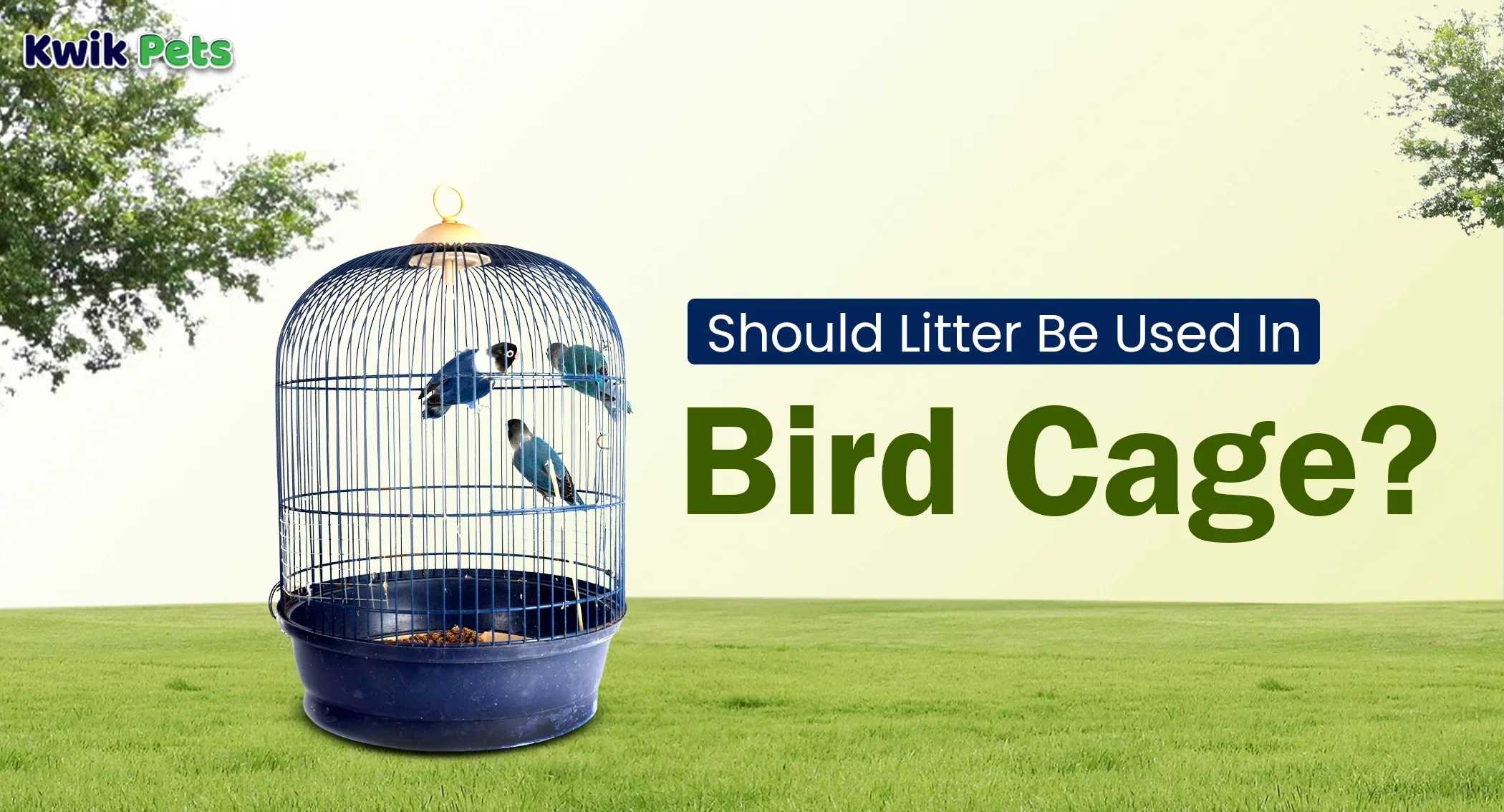
Credit: www.kwikpets.com
Daily Cleaning Tasks
Bird cages should be cleaned daily to remove food debris and droppings. This helps keep birds healthy and their home fresh. Regular cleaning prevents bad odors and bacteria buildup.
Keeping your bird’s home clean is crucial for their health and happiness. Daily cleaning tasks can seem daunting, but breaking them down into smaller tasks makes it manageable. Spending just a few minutes each day can create a pristine environment for your feathered friend.Removing Food Debris
Birds can be messy eaters, often scattering seeds and food around their cage. Every day, remove leftover food and debris to prevent mold and bacteria growth. Simply scoop out the old food with a small spoon or use a handheld vacuum for quick clean-up.Changing Water
Fresh water is essential for your bird’s health. Change their water daily to ensure they stay hydrated and healthy. Consider using a water bottle instead of a dish to reduce spillage and contamination.Spot Cleaning Droppings
Bird droppings can build up quickly, leading to unpleasant odors and potential health risks. Each day, use a damp cloth or paper towel to clean up any droppings. This not only keeps the cage clean but also makes deep cleaning easier later on. By integrating these simple tasks into your daily routine, you ensure your bird enjoys a clean and comfortable habitat. Have you noticed any changes in your bird’s behavior after a thorough cleaning? Share your experiences with fellow bird enthusiasts!Weekly Cleaning Routine
Keeping your bird’s cage clean every week helps maintain a healthy home. A weekly cleaning routine prevents dirt buildup and reduces bacteria. Birds enjoy a fresh and safe environment that supports their well-being. Set aside time each week to focus on key cleaning tasks.
Cleaning Perches And Toys
Remove all perches and toys from the cage carefully. Wash them with warm, soapy water to remove droppings and grime. Use a brush to scrub hard-to-reach spots. Rinse thoroughly to remove soap residue. Dry completely before placing them back inside.
Replacing Cage Liners
Take out old cage liners or paper from the bottom tray. Dispose of them properly to avoid odors and bacteria growth. Put fresh liners in the tray to keep the cage floor clean. Use materials safe for birds, such as plain paper or bird-safe liners. Change liners weekly to keep the cage tidy.
Washing Food And Water Dishes
Empty food and water dishes daily, but wash them thoroughly once a week. Use warm water and mild soap to clean dishes. Scrub away any leftover food or deposits. Rinse well to ensure no soap remains. Dry dishes before refilling with fresh food and water.
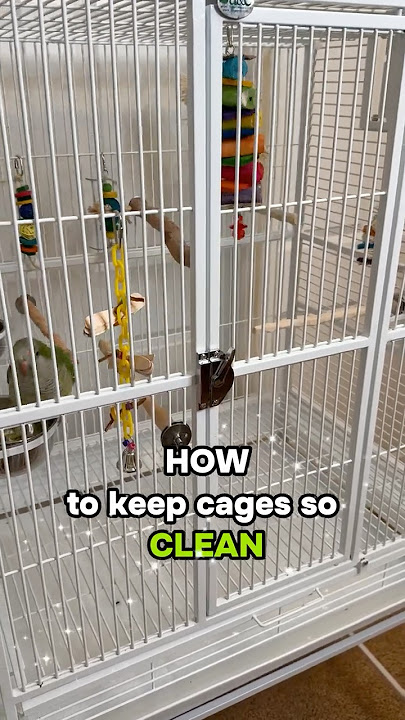
Credit: www.youtube.com
Monthly Deep Cleaning
Monthly deep cleaning is essential to keep your bird’s cage healthy and safe. This thorough cleaning goes beyond the weekly tidying and helps prevent bacteria buildup and unpleasant odors. Spending some extra time each month on a detailed clean can make a big difference in your bird’s well-being and happiness.
Disinfecting The Cage
Start by removing your bird and all accessories from the cage. Use a bird-safe disinfectant or a mixture of water and white vinegar to wipe down every surface. Pay close attention to corners, bars, and the base where dirt and droppings accumulate.
After disinfecting, rinse the cage thoroughly with clean water to remove any chemical residue. Let the cage dry completely before putting your bird back inside. This step ensures you’re not exposing your pet to harmful substances.
Cleaning Cage Accessories
Take out all perches, toys, food and water dishes for separate cleaning. Use warm soapy water to scrub them, and if possible, soak items like dishes and plastic toys to loosen debris. Avoid harsh chemicals—your bird’s health depends on residue-free accessories.
Inspect toys for dirt hidden in crevices or frayed parts where bacteria could hide. Rotating toys after deep cleaning keeps your bird mentally stimulated and reduces wear. Clean accessories regularly to prevent buildup that weekly cleaning might miss.
Inspecting For Wear And Damage
While cleaning, check the cage and accessories for signs of wear or damage. Look for rusted bars, loose screws, or cracked plastic that could injure your bird. Small issues can quickly become big problems, so fix or replace damaged parts promptly.
Have you noticed any new signs of damage during your monthly cleaning? Keeping an eye out helps you maintain a safe home for your bird. This step also helps extend the life of the cage and its accessories, saving you money in the long run.
Factors Affecting Cleaning Frequency
Several factors influence how often to clean a bird cage. These factors help maintain a healthy and comfortable space for your bird. Understanding these elements allows you to create a cleaning schedule that fits your bird’s needs.
Bird Species And Size
Different bird species produce varying amounts of waste. Larger birds tend to create more mess than smaller ones. Some species are messier eaters or shed feathers more often. These behaviors affect how quickly the cage gets dirty. Keep in mind that small birds may need less frequent cleaning than bigger birds.
Number Of Birds
More birds mean more waste and food scraps. A cage with several birds gets dirty faster than one with a single bird. Bacteria and odors also build up quicker with multiple birds. Cleaning frequency should increase as the number of birds rises to keep the cage hygienic.
Cage Location And Environment
The environment around the cage impacts cleaning needs. Cages near windows or doors may collect dust and debris faster. Outdoor cages may get dirtier due to weather and insects. Temperature and humidity can influence how quickly waste breaks down. Adjust cleaning routines based on where the cage is placed.
Safe Cleaning Products
Choosing the right cleaning products is crucial for your bird’s health. Birds are highly sensitive to chemicals, so what you use to clean their cage can directly affect their well-being. Safe cleaning products keep the environment fresh without exposing your pet to harmful substances.
Non-toxic Cleaners
Look for cleaners labeled “non-toxic” or “bird-safe.” These products are designed to remove dirt and bacteria without leaving dangerous residues behind. Simple household items like diluted white vinegar or mild dish soap often work well and are safe for birds.
I once switched to a vinegar-water mix after noticing my parrot sneezing post-cleaning. The change made a big difference in her comfort, proving non-toxic options truly matter. You can easily make this solution yourself by mixing one part vinegar with two parts water.
Always rinse the cage thoroughly after cleaning to remove any leftover cleaner. This extra step prevents your bird from ingesting or inhaling harmful substances. Do you check labels carefully before buying cage cleaners?
Avoiding Harmful Chemicals
Many common household cleaners contain chemicals that can harm your bird’s respiratory system. Avoid products with bleach, ammonia, phenols, or artificial fragrances. These substances can cause irritation or even poisoning.
Even if a product smells clean and fresh to you, it might be overwhelming or dangerous to your feathered friend. Think about your bird’s sensitive lungs before choosing a cleaner. Have you noticed any signs of distress in your bird after cage cleaning?
Stick to simple, natural ingredients and always ventilate the area well during and after cleaning. Safe cleaning means protecting your bird from unseen dangers in everyday products. Your bird’s health depends on the choices you make every time you clean.
Tips For Stress-free Cleaning
Cleaning a bird cage can be challenging for both you and your pet. Birds may get anxious or scared by sudden movements or loud noises. Creating a calm environment helps make cleaning easier and safer. Follow simple tips to keep your bird relaxed during the process.
Keeping Birds Calm
Start by covering the cage with a light cloth. This helps reduce visual distractions. Speak softly and move slowly around the cage. Avoid sudden noises or quick actions that may startle your bird. Offer a favorite treat or toy to keep their attention. Let your bird stay in a familiar room to feel secure. Pause often and watch for signs of stress, like flapping or loud chirping. Taking breaks helps your bird adjust and stay calm.
Establishing A Cleaning Schedule
Consistency reduces stress for your bird. Clean small parts daily, like food and water dishes. Remove droppings and old food regularly. Deep clean the entire cage weekly or biweekly. Use a calendar or reminder to keep track of cleaning days. Stick to the schedule to build a routine your bird expects. A predictable routine makes cleaning less stressful for both of you.

Credit: birdsupplies.com
Frequently Asked Questions
How Often Should I Clean My Bird Cage?
Clean your bird cage at least once a week. Spot clean daily by removing droppings and food debris. Thorough cleaning includes washing all accessories and cage surfaces to maintain bird health and hygiene.
What Supplies Are Needed For Bird Cage Cleaning?
You need mild soap, warm water, a scrub brush, and paper towels. Avoid harsh chemicals to protect your bird. Use bird-safe disinfectants occasionally for deep cleaning to ensure a safe environment.
Can Cleaning Frequency Affect My Bird’s Health?
Yes, infrequent cleaning can cause infections and respiratory issues. Regular cleaning reduces bacteria, mold, and parasites. A clean cage supports your bird’s overall well-being and happiness.
Is Daily Spot Cleaning Necessary For Bird Cages?
Yes, daily spot cleaning prevents buildup of waste and bacteria. It keeps the cage fresh and reduces odors. This simple habit promotes a healthier living space for your bird.
Conclusion
Cleaning your bird cage often keeps your pet healthy and happy. Daily spot cleaning removes waste and food scraps. A full clean every week stops germs from building up. Regular cleaning also helps prevent bad smells in your home. Birds enjoy a fresh and safe space to live.
Keeping a routine makes cage care easier. Your bird will thank you with cheerful songs and energy. Simple steps lead to a cleaner cage and a healthier bird. Make cleaning a part of your daily pet care.




