
Have you ever found a beautiful bird feather and wondered where it came from? Identifying a bird feather might seem tricky at first, but with a few simple tips, you can learn to recognize the bird it belongs to.
Knowing how to identify feathers opens up a new way to connect with nature and understand the birds around you. You’ll discover easy steps and expert tricks that make feather identification clear and fun. Ready to unlock the secrets hidden in that feather you found?
Let’s get started!

Credit: www.featherbase.info
Feather Types And Functions
Understanding the different types of feathers and their functions is key to identifying bird feathers accurately. Each feather type serves a unique purpose that helps birds survive and thrive in their environments. By paying attention to these characteristics, you can better recognize and appreciate the feather you’ve found.
Flight Feathers
Flight feathers are the strongest and most rigid feathers on a bird. They are located on the wings and tail, providing lift and steering during flight. You’ll notice these feathers have a stiff central shaft and closely interlocking barbs that create a smooth surface.
Have you ever held a flight feather and felt how tough it is compared to others? That durability is essential for withstanding the forces of flying.
Contour Feathers
Contour feathers cover the bird’s body, shaping its silhouette and protecting it from water and dirt. They are smoother and softer than flight feathers but still have a firm structure. These feathers often display the bird’s colors and patterns, which can help with identification.
Next time you see a feather with striking colors or a sleek shape, consider if it’s a contour feather—it might tell you a lot about the bird’s species.
Down Feathers
Down feathers are soft and fluffy, found underneath the contour feathers. Their main job is insulation—they trap warm air close to the bird’s body to keep it cozy. Unlike flight or contour feathers, down feathers lack a strong central shaft and are flexible to provide maximum warmth.
Have you noticed feathers that seem almost like cotton? Those are likely down feathers, perfect for chilly days.
Semiplumes And Filoplumes
Semiplumes are a mix between contour and down feathers. They provide insulation and help fill out the bird’s shape, making the body look smooth. Filoplumes, on the other hand, are tiny hair-like feathers that act as sensory tools, helping birds detect changes in feather position.
These lesser-known feathers might not catch your eye at first, but they play a subtle and important role in a bird’s comfort and control.
Key Features For Identification
Identifying a bird feather requires careful observation of several key features. These details help distinguish one feather from another. Focus on size, shape, color, and structure to get accurate results.
Size And Shape
Feathers vary greatly in size and shape. Some are long and narrow, like flight feathers. Others are short and round, like down feathers. Wing feathers are usually stiff and strong. Tail feathers are often symmetrical and wide. Size and shape give clues about the bird’s size and lifestyle.
Color Patterns
Colors and patterns reveal important information. Some feathers have solid colors while others show stripes, spots, or bands. Bright colors may indicate tropical birds. Camouflage colors help birds blend in. Note the pattern’s arrangement and contrast for better ID.
Barb And Barbule Structure
Feathers consist of tiny parts called barbs and barbules. Barbs are the main branches. Barbules hook together to form a smooth surface. This structure affects the feather’s texture. Flight feathers have tight barbules for strength. Down feathers have loose barbules for warmth.
Shaft Characteristics
The shaft is the central spine of the feather. It can be thin or thick depending on feather type. Some shafts are hollow, making feathers light. Others are solid for support. Look for color and flexibility differences in the shaft. These details aid in identification.
Using Feather Guides And Resources
Identifying a bird feather can be tricky without the right tools. Feather guides and resources give you the edge by offering detailed visuals and expert knowledge. These tools help you compare feathers you find with known species, making your identification process clearer and faster.
Field Guides
Field guides are a must-have for any feather enthusiast. They contain high-quality images and descriptions that focus on feather shape, color patterns, and size. Keep a pocket-sized guide when you’re outdoors—it’s handy for quick comparisons on the spot.
Some guides specialize in local birds, which narrows your search and increases accuracy. Look for ones with detailed illustrations and notes on feather types, such as primary, secondary, or tail feathers. This detail can save you hours of guessing.
Online Databases
Online databases offer massive collections of feather photos and identification tips. Websites like the U.S. Fish and Wildlife Service’s Feather Atlas let you zoom in on feathers and filter by size, color, or region. This makes your search much more targeted and efficient.
Many databases also include information about molting patterns and habitat, which helps you understand why a feather looks a certain way. Have you ever noticed how a feather’s wear can tell you about the bird’s age or health? Online resources help you spot those clues.
Expert Forums
When you hit a roadblock, expert forums can be your best resource. These communities connect you with birders and ornithologists who have years of experience. Posting a photo of your feather can lead to quick and accurate identifications.
Forums often include discussions on rare or unusual feathers you won’t find in guides or databases. Engaging with experts can also teach you new identification techniques and expand your knowledge beyond just feathers. Are you ready to ask your first question and join the conversation?
Common Mistakes To Avoid
Identifying a bird feather can be tricky, especially if you fall into some common traps. These mistakes can lead you down the wrong path, wasting time and causing frustration. Let’s look at some frequent errors to avoid, so you can make more accurate and confident identifications.
Confusing Molt Stages
Feathers change throughout a bird’s life, especially during molting. New feathers often look very different from old or worn ones, which can confuse you if you don’t recognize this process.
Remember, a fresh feather might appear brighter or have sharper edges, while an older one can be faded or frayed. If you mistake a molting feather for a different species, you’ll misidentify the bird entirely.
Ask yourself: Could this feather be part of a molt? Checking the bird’s molting cycle or season can clear up many doubts.
Ignoring Habitat Context
Where you find a feather is just as important as the feather itself. Birds tend to stick to certain environments, and knowing the local habitat can narrow down your options significantly.
For example, spotting a tropical bird’s feather in a temperate forest is unlikely unless it’s a rare visitor. Overlooking this fact can lead you to chase impossible matches.
Always pair your feather analysis with your knowledge of the area’s typical bird species. This practical step saves time and sharpens your focus.
Overlooking Feather Wear
Feather wear affects color, shape, and texture, but it’s easy to miss this when you’re eager to identify a bird. A worn feather might look dull or damaged, which can mask key features.
Sometimes I found myself puzzled by a feather’s odd appearance, only to realize it was heavily worn from flight or weather exposure. That insight helped me avoid wrong guesses.
Check for signs of wear before deciding on the species. Look closely at edges and the vane for breaks or fading that could mislead you.
Practical Tips For Collecting And Handling
Collecting and handling bird feathers can be a rewarding experience that connects you closely with nature. However, it requires attention to detail and respect for wildlife. Practical tips will help you preserve the beauty and integrity of each feather while staying responsible.
Ethical Considerations
Always collect feathers that you find on the ground rather than plucking them from birds. This ensures you do not harm the animal or disrupt its natural behavior. Remember, some feathers are protected by law, so check local regulations before collecting.
Consider the impact of your actions on the environment and wildlife. Avoid disturbing nests or habitats during your search. Have you ever thought about how your curiosity might affect the birds you admire?
Proper Storage
Store feathers in a cool, dry place to prevent mold and damage. Use acid-free paper envelopes or small boxes to keep them safe and clean. Label each feather with details like location, date, and species if known—this adds value to your collection.
If you collect many feathers, organizing them by size, color, or type can save you time later. A simple plastic container with compartments works well for this. Have you noticed how well-preserved feathers reveal subtle colors and patterns?
Photographing Feathers
Capturing clear photos of feathers helps with identification and sharing your finds. Use natural light and a plain background to highlight the feather’s details. Try different angles to show the shape, texture, and color variations.
Including a ruler or coin in the photo gives a sense of scale. Don’t rush—patience often results in sharper, more informative images. What details can you discover when you look closely through a camera lens?
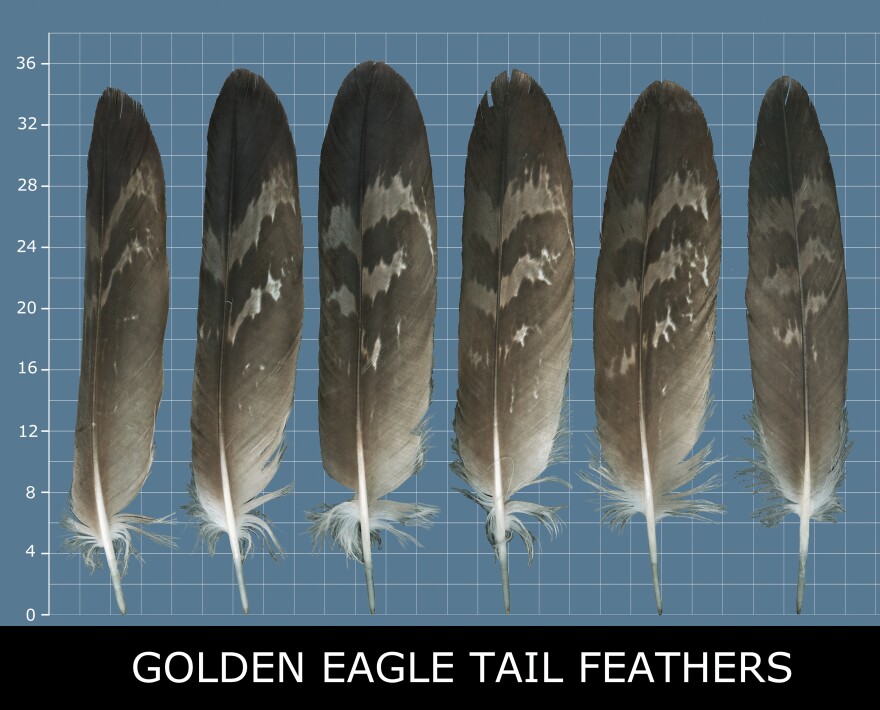
Credit: www.knau.org

Credit: www.featherbase.info
Frequently Asked Questions
What Features Help Identify A Bird Feather?
Look at size, shape, color, and pattern. Check the feather’s shaft and vane texture. These details reveal the bird species.
How Can Feather Colors Indicate Bird Types?
Feather colors come from pigments and structure. Bright or unique colors often identify specific bird species or families.
Where Do Feathers Commonly Shed On Birds?
Birds shed feathers mostly during molting seasons. Tail, wing, and body feathers often fall first, helping identify the feather’s origin.
Can Feather Size Determine Bird Size?
Yes, larger feathers usually come from bigger birds. Wing and tail feathers give good clues about bird size and flight style.
Conclusion
Identifying a bird feather takes patience and practice. Focus on size, shape, and color first. Notice any patterns or markings on the feather. Compare it with common birds in your area. Use field guides or online resources to help. Each feather tells a story about the bird it came from.
Keep exploring and learning as you find more feathers. Soon, identifying feathers will feel easier and more natural. Enjoy the process of discovering nature’s small details.




