
Have you ever wondered if putting out a bird feeder really makes a difference for the birds in your yard? You might think it’s just a simple way to attract colorful visitors, but there’s more to it than meets the eye.
Feeding birds can impact their health, behavior, and even survival during tough seasons. If you want to know how your little act of kindness truly helps—or if it might cause harm—keep reading. This guide will reveal what bird feeders really do for your feathered friends and how you can make the most of them.
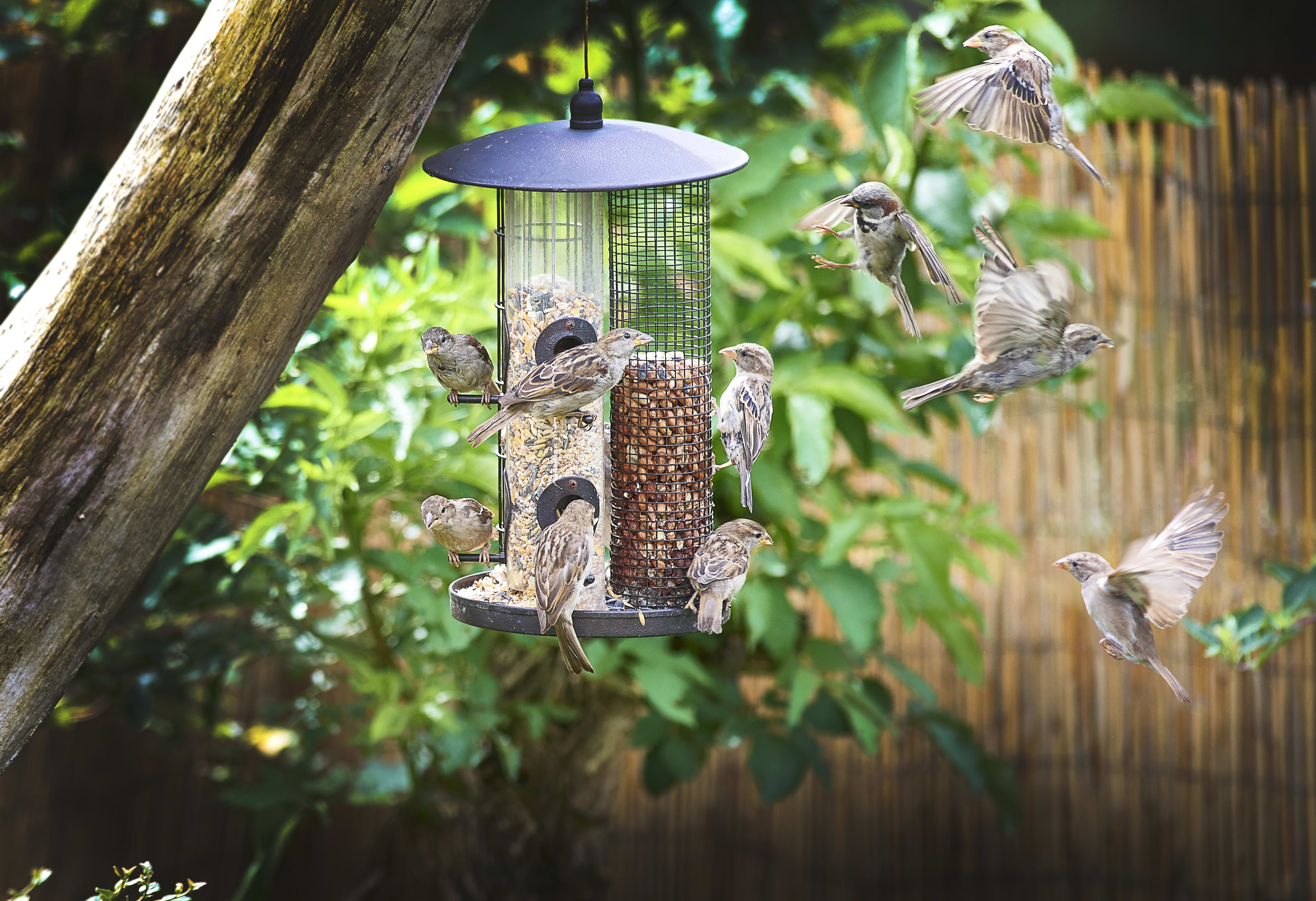
Credit: dengarden.com
How Bird Feeders Support Bird Health
Bird feeders play a vital role in supporting the health of wild birds. They provide essential food sources that birds might struggle to find on their own. This support is especially important during tough times when natural food is limited. By offering a steady supply of nourishment, bird feeders help birds maintain their strength and energy. This aid benefits all birds, including the young and those recovering from injuries.
Nutritional Boost During Scarce Seasons
During winter and dry seasons, food can be very hard to find. Bird feeders fill this gap by offering seeds, nuts, and suet rich in nutrients. These foods help birds keep warm and active. A good diet supports their immune systems, helping fight diseases. Many birds rely on feeders to survive harsh weather and food shortages.
Aid For Young And Injured Birds
Young birds need extra energy to grow strong. Feeders provide easy access to food without much effort. Injured birds also benefit from feeders because they require rest and less travel for food. Feeders near safe places give these birds a chance to heal while still eating well. This care helps increase their chances of survival and recovery.
Impact On Bird Behavior
Bird feeders influence how birds behave in many ways. They offer easy access to food, which changes daily habits. Feeding can affect where birds stay and how they travel. Observing these effects helps us understand bird needs and habits better.
Encouraging Local Bird Populations
Bird feeders provide steady food sources near homes. This encourages more birds to visit and stay in the area. Local bird numbers often grow as they find reliable food. Feeding supports young birds and helps them survive harsh seasons. It also attracts different bird species, increasing local biodiversity.
Changes In Migration Patterns
Food availability from feeders may alter bird migration habits. Some birds stay longer in one place instead of migrating. Others may migrate shorter distances or change timing. These changes depend on food supply and weather. Feeding can create safe spots along migration routes, helping birds rest and refuel.
Benefits For Backyard Ecosystems
Adding bird feeders to your backyard does more than just attract colorful visitors. It can significantly enhance your backyard ecosystem by supporting natural processes that keep your garden healthy and vibrant. Let’s look at some specific benefits that show how bird feeders contribute beyond feeding birds.
Promoting Pollination And Seed Dispersal
Birds play a crucial role in spreading seeds and pollinating plants. When you provide food, you encourage a variety of bird species to visit regularly. These birds carry pollen from flower to flower, helping plants reproduce and thrive.
Many fruit-eating birds also help disperse seeds by eating berries and dropping seeds in new places. This natural planting helps your garden grow with diverse plants without extra effort from you. Have you noticed new plants appearing in your yard after setting up a feeder?
Attracting Beneficial Insects
Bird feeders don’t just bring birds; they indirectly attract helpful insects too. Birds feed on insects that can harm your plants, so having more birds around can naturally control pests. This reduces the need for chemical pesticides in your garden.
Some birds also feed on insects like caterpillars and beetles, keeping their numbers in check. When your yard becomes a welcoming space for birds, you create a balanced environment where beneficial insects thrive, helping your garden stay healthy and productive.
Common Misconceptions About Bird Feeders
Many people have doubts about feeding birds with feeders. Some believe it might harm the birds more than help. Understanding the common misconceptions can change how you see bird feeders and their role in supporting local wildlife.
Concerns About Dependency
One common worry is that birds will stop searching for natural food if they rely on feeders. However, birds are smart and use feeders as just one of many food sources. In harsh weather, feeders offer a crucial supplement, not a full replacement.
Think about your own eating habits—do you rely on one food source every day? Birds behave similarly, balancing feeders with natural foraging. Your feeder can act like a helpful snack, not a lifelong meal plan.
Disease Spread Myths
Some avoid feeders because they fear spreading diseases among birds. While disease can spread at feeders, proper cleaning can prevent this risk. Wash feeders regularly with warm, soapy water to keep your feathered friends safe.
Ignoring feeder hygiene is like skipping handwashing during flu season—it increases risk. By maintaining cleanliness, you create a healthy environment that attracts birds without causing harm. Would you let a dirty feeder stop you from enjoying birdwatching?
Best Practices For Feeding Birds
Feeding birds can be a rewarding experience, but it requires thoughtful choices to truly benefit our feathered friends. The right feeders and food, combined with careful maintenance, create a safe and inviting environment. How do you ensure your bird feeding efforts help rather than harm?
Choosing The Right Feeders And Food
Not all bird feeders suit every type of bird. Tube feeders attract small songbirds like finches and chickadees, while platform feeders welcome larger birds such as cardinals and jays.
Your choice of food also matters. Black oil sunflower seeds are popular because many birds enjoy them and they provide good nutrition. Suet cakes are great in winter for energy, especially for woodpeckers and nuthatches.
Think about the birds in your area and offer food they naturally eat. Have you noticed what seeds or fruits local birds prefer? Tailoring your offerings can increase visits and support their health.
Maintaining Cleanliness And Safety
Dirty feeders can spread disease quickly among birds. Clean your feeders every two weeks with hot, soapy water or a diluted bleach solution. Rinse well to remove any residue that might harm birds.
Place feeders away from areas where cats can hide. A safe feeding spot reduces stress and risk for birds. Also, ensure feeders are positioned to protect birds from harsh weather and predators.
Regularly check for moldy or spoiled food and remove it immediately. Birds can get sick from eating contaminated seeds. How often do you inspect your feeders to keep them safe and inviting?

Credit: www.cbc.ca
Bird Watching And Community Engagement
Bird feeders provide essential food for birds, especially during scarce seasons. They attract diverse species, enhancing bird watching experiences. Community engagement grows as people gather to observe and learn about local wildlife.
Bird watching isn’t just a solitary hobby. It fosters a sense of community and brings people together. Installing bird feeders in your backyard can be a simple yet powerful way to engage with your neighbors and nature lovers alike.Educational Opportunities
Bird watching provides a wealth of educational opportunities. Imagine hosting a weekend bird watching event for kids in your neighborhood. Children can learn about different bird species, their habits, and their calls. You can even create a small guidebook, listing the birds frequently visiting your feeder. This can spark curiosity and encourage everyone to learn more about local wildlife. Sharing observations and learning together can turn a simple activity into a rich educational experience.Building Community Connections
A bird feeder can be the cornerstone of building strong community connections. Sharing sightings with neighbors can lead to conversations and shared experiences. Consider starting a community bird-watching club. This can create a sense of belonging and foster friendships among participants. Imagine the joy of spotting a rare bird and sharing that excitement with others who appreciate it. This shared passion can help strengthen community bonds. Bird watching at communal spaces like parks can also encourage broader community engagement. You might even find local schools or organizations willing to collaborate on bird-related projects. What better way to connect than through the shared joy of nature’s wonders right in your backyard?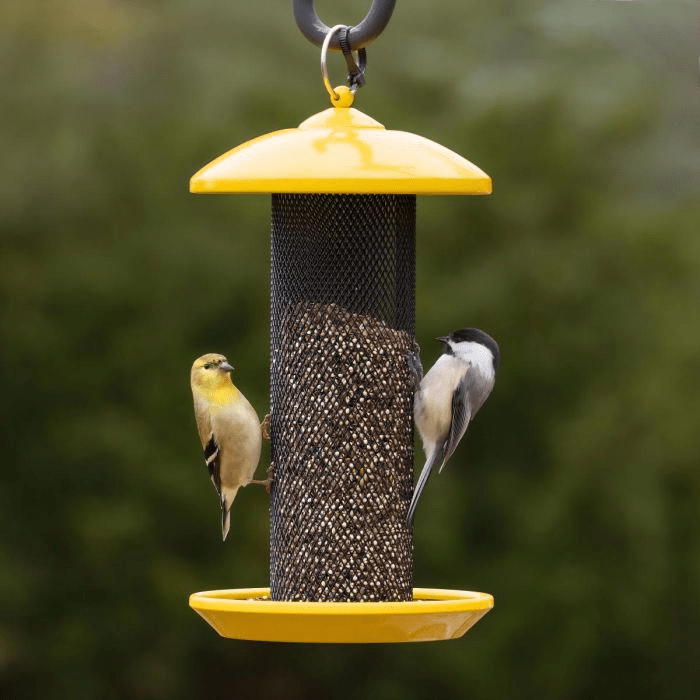
Credit: www.kingsyard.com
Frequently Asked Questions
Do Bird Feeders Improve Bird Health?
Yes, bird feeders provide reliable food sources, especially in harsh weather. They help birds maintain energy and survive food shortages, promoting overall health and wellbeing.
How Do Bird Feeders Affect Local Bird Populations?
Bird feeders attract more birds, increasing local bird diversity. They support breeding success by providing extra nutrition, helping stabilize and sometimes boost local bird populations.
Can Bird Feeders Cause Dependency In Birds?
Birds may rely on feeders during scarce seasons but usually continue natural foraging. Feeders supplement diets without causing full dependency when used responsibly.
What Types Of Food Should I Put In Bird Feeders?
Offer seeds like sunflower, millet, and nyjer. Avoid processed or salty foods. Providing varied, fresh food attracts diverse bird species and supports their nutritional needs.
Conclusion
Bird feeders provide food and shelter to many birds daily. They help birds survive harsh weather and find energy. Watching birds at feeders brings joy and connects us to nature. Feeding birds also supports local wildlife and helps maintain bird populations.
Simple actions like refilling feeders make a big difference. Feeding birds can teach kids about animals and care. Remember to keep feeders clean to avoid harm. Bird feeders play a small but important role in helping birds thrive. They invite nature closer to our homes.




