
Have you ever wanted to capture the secret lives of birds right in your backyard? Imagine watching their every move without disturbing them.
You might be surprised to learn that you can make a bird camera yourself. It’s easier than you think, and the reward is worth every step. You’ll discover simple ways to build your own bird camera and enjoy stunning close-up footage of feathered friends.
Ready to see nature like never before? Keep reading, and let’s make it happen together.
Choosing The Right Camera
Choosing the right camera for your birdwatching project can make all the difference between blurry, missed shots and stunning close-ups of feathered friends. The perfect camera matches your goals, environment, and budget. Understanding your options helps you pick a device that captures the beauty of birds without frustration.
Types Of Cameras For Birdwatching
There are several camera types that work well for birdwatching, each with its strengths.
- DSLR Cameras:Offer excellent image quality and interchangeable lenses. Ideal if you want control over settings and sharp close-ups.
- Mirrorless Cameras:Lightweight and fast, these cameras give DSLR-like quality with better portability for long hikes.
- Point-and-Shoot Cameras:Compact and easy to use. Great for casual birdwatchers who want quick shots without fussing over settings.
- Trail Cameras:Designed for outdoor use, these motion-activated cameras capture birds without your presence disturbing them.
Budget-friendly Options
You don’t need expensive gear to start capturing birds effectively. Many affordable cameras offer good zoom and decent image quality.
- Look for used or older model DSLRs and mirrorless cameras—they often have features comparable to new, high-end models.
- Compact cameras with a strong optical zoom can surprise you with sharp shots without breaking the bank.
- Trail cameras with night vision and motion sensors are often budget-friendly and perfect for hands-off bird photography.
What’s your budget? Sometimes a small investment in a good lens can improve results more than buying a brand-new camera.
Essential Features To Look For
Focus on features that make bird photography easier and more rewarding.
- Zoom Capability:Birds are often far away. A camera with a strong optical zoom helps capture details clearly.
- Fast Shutter Speed:Birds move quickly. A fast shutter helps freeze motion and avoid blurry photos.
- Autofocus:Look for cameras with quick and accurate autofocus to lock onto small, moving subjects.
- Image Stabilization:Reduces shake, especially when zoomed in or shooting handheld.
- Durability:Weather resistance is important if you plan to shoot outdoors in various conditions.
Think about your usual birdwatching spots. Do you need a camera that can handle rain or dust? This could narrow down your choices significantly.

Credit: www.birdfy.com
Selecting The Perfect Location
Choosing the right spot for your bird camera can make all the difference. It’s not just about setting up anywhere and hoping for the best. The perfect location boosts your chances of capturing clear, lively shots of birds in their natural behavior.
Ideal Bird Habitats
Birds often gather where they find food, water, and shelter. Look for areas with plenty of trees, shrubs, or flowering plants. These spots attract a variety of birds, especially during early morning or late afternoon.
Think about places like:
- Near bird feeders or water sources
- Edges of forests or parks
- Gardens with native plants
Have you noticed how birds flock around certain plants or trees in your yard? Setting your camera there can increase your chances of some interesting footage.
Best Spots For Clear Shots
Clear shots depend on having an unobstructed view. Avoid areas cluttered with branches or leaves that can block your camera lens. Instead, choose open spaces where birds are likely to perch or feed.
Consider placing your camera near birdhouses or on a sturdy branch facing a feeding area. This setup helps capture birds up close without disturbing them.
Ask yourself: Can you spot birds clearly from this angle? If not, adjust until you find the sweet spot.
Considering Light And Background
Light plays a huge role in photography. Position your camera so the sun is behind it, illuminating the birds. Soft morning or evening light often works best, avoiding harsh shadows or overexposure.
Backgrounds should be simple and natural. A busy or bright background distracts from the subject. Look for neutral tones like green leaves or clear sky to make your bird photos stand out.
Think about how lighting and background affect your photos — are your birds the focus, or lost in the scene?
Building Your Diy Bird Camera
Building your own bird camera lets you observe birds up close. It is a fun project that anyone can do. This DIY camera helps capture bird moments without disturbing them. Using simple materials and clear steps makes the process easy. You will learn how to protect the camera from weather too. Let’s get started on creating a bird camera you can use in your garden or park.
Materials You’ll Need
- Small digital camera or webcam
- Wood or plastic box for housing
- Clear acrylic sheet for the lens cover
- Mounting bracket or tripod
- Waterproof tape and sealant
- Screws, nails, and screwdriver
- Strong glue or adhesive
- Power source (batteries or USB cable)
- Optional: Motion sensor for automatic recording
Step-by-step Assembly
- Choose the camera and test its functions first.
- Build or prepare a box to fit the camera snugly.
- Cut an opening for the camera lens in the box front.
- Attach the clear acrylic sheet over the opening.
- Secure the camera inside the box facing the acrylic sheet.
- Fix the mounting bracket or tripod to the box.
- Connect power supply and test the camera again.
- Add optional motion sensor near the lens if desired.
Waterproofing And Durability Tips
- Seal all box edges with waterproof tape or sealant.
- Use silicone around the acrylic sheet for extra protection.
- Choose weather-resistant materials for the box.
- Check seals regularly and replace worn tape or glue.
- Place the camera where it is sheltered from rain.
- Keep the power source dry and secure.
- Paint the box with non-toxic outdoor paint for durability.
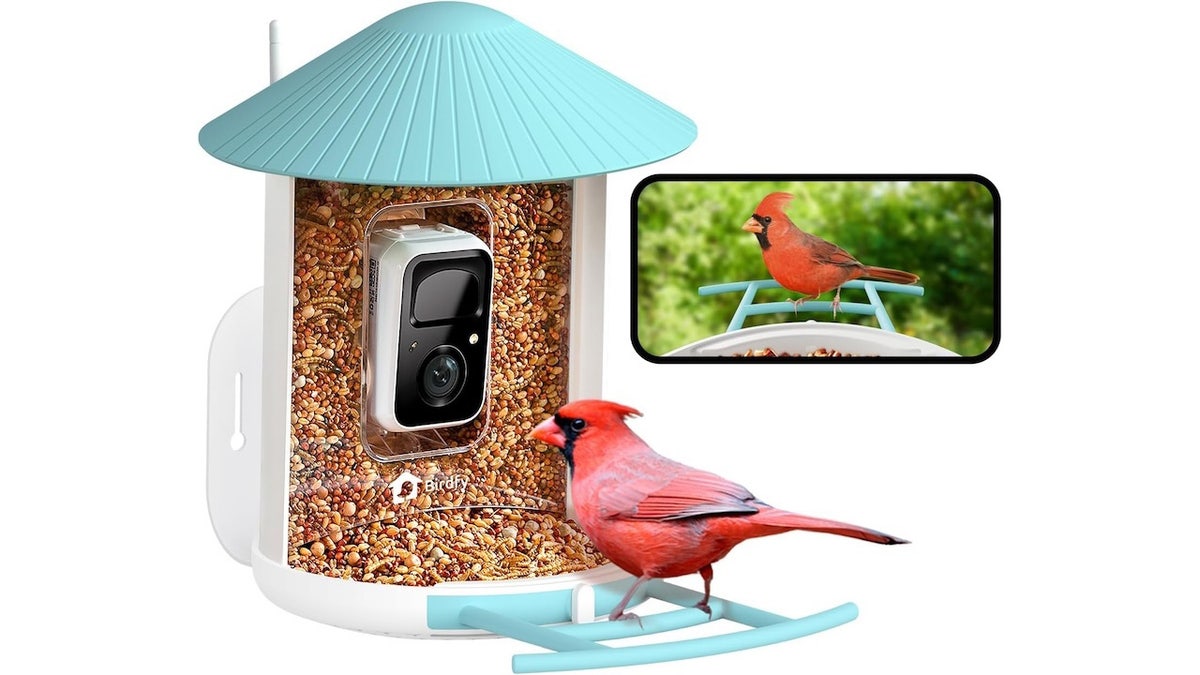
Credit: www.foxnews.com
Setting Up The Camera For Action
Setting up your bird camera for action is where the real excitement begins. This stage determines how well you capture those fleeting moments of bird activity. Paying attention to details like camera placement and timing can make all the difference in your birdwatching experience.
Positioning And Angles
Place your camera where birds are most likely to visit, such as near feeders, nests, or water sources. Position it at the bird’s eye level for the most natural shots. Avoid facing the camera directly into the sun to prevent glare and poor image quality.
Think about the background too. A clean, uncluttered backdrop makes your bird stand out better. I once moved my camera just a few feet and suddenly had clearer, more vibrant photos without distracting branches.
Using Motion Sensors
Motion sensors help capture birds without you needing to press the shutter. These sensors detect movement and trigger the camera automatically. This is crucial because birds are quick, and manual timing often misses the perfect moment.
Choose a sensor with adjustable sensitivity so you don’t end up with endless false triggers from leaves or small animals. Testing the sensor range before leaving the setup alone can save you hours of sifting through useless images.
Timing Your Shots
Birds are most active during early mornings and late afternoons. Set your camera to be ready during these peak times. Some cameras allow you to program shooting intervals or specific active hours.
Think about how long your camera can stay powered on or record footage. If you’re using batteries, ensure they last long enough or consider solar power options. Have you noticed how birds behave differently at various times? Capturing those subtle changes can reveal fascinating behaviors.
Attracting Birds To Your Camera
Attracting birds to your camera takes patience and the right setup. Creating a welcoming spot encourages birds to visit often. This increases your chances of capturing clear, lively images. Focus on making the area appealing and safe for different bird species.
Choosing Bird Feeders And Baits
Select feeders that suit the birds in your region. Tube feeders work well for small birds like finches. Platform feeders attract larger birds like doves and jays. Use fresh seeds and baits to keep birds interested.
- Sunflower seeds attract many types of birds.
- Nyjer seeds are great for finches.
- Suet helps attract woodpeckers and nuthatches.
- Fruit pieces lure orioles and thrushes.
Keep feeders clean to prevent disease. Replace old food regularly to avoid mold.
Creating A Natural Environment
Plant native bushes and trees near your camera spot. This provides shelter and food for birds. Add water sources like a birdbath or shallow dish. Natural surroundings make birds feel safe and relaxed.
- Use dense shrubs for nesting cover.
- Place feeders near branches for easy landing.
- Keep noise and movement low around the area.
Natural settings improve your chances of close and natural photos.
Safety And Ethical Considerations
Protect birds by placing feeders where predators can’t reach. Avoid overcrowding to reduce stress and fighting. Use non-toxic materials for feeders and bait containers.
- Keep cats and other pets away from feeding areas.
- Do not disturb nests or young birds.
- Turn off flash or use natural light to avoid startling birds.
Respect wildlife and their habitat to enjoy birdwatching responsibly.

Credit: nypost.com
Editing And Enhancing Your Photos
Creating a bird camera involves enhancing photo skills to capture nature’s beauty. Focus on editing techniques that highlight colors and details, making each bird photo stand out. Perfect for nature lovers wanting to share stunning avian images.
Editing and enhancing your bird photos can transform an ordinary snapshot into a breathtaking image. It’s not just about adjusting a few settings; it’s an art that can bring your feathered subjects to life. With the right tools and techniques, you can highlight the beauty of your bird photography and even create a stunning gallery that tells a story.Basic Editing Tools
To start editing, you don’t need sophisticated software. Free tools like GIMP or beginner-friendly apps like Snapseed can work wonders. Experiment with cropping to improve composition and remove distractions. Adjust exposure to ensure the bird is the focal point. A slight tweak can make a world of difference.Improving Sharpness And Colors
Birds often move quickly, leading to blurry photos. Sharpening tools can help fix this issue. Enhance colors to make your bird photos pop. Boosting saturation and contrast can highlight vibrant feathers. But be cautious—over-editing can make images look unnatural. Aim for a balanced and realistic representation.Creating A Stunning Bird Photo Gallery
Once your photos are edited, think about how to showcase them. Create a digital gallery using platforms like Adobe Portfolio or Wix. Arrange photos in a way that tells a story. Group similar species or create a timeline of your bird-watching adventures. Consider adding captions to engage viewers and provide context. What’s the story behind that rare bird photo? By thoughtfully editing and presenting your photos, you can captivate your audience and share your passion for bird photography.Frequently Asked Questions
Can You Make A Bird Camera At Home?
Yes, you can make a bird camera at home using simple materials like old cameras or smartphones. It requires basic knowledge of photography and bird behavior. DIY bird cameras help capture close-up images without disturbing birds.
What Equipment Do You Need For A Bird Camera?
Essential equipment includes a camera with a zoom lens, tripod, and camouflage materials. Motion sensors or remote triggers improve capturing chances. A stable setup ensures clear, sharp bird photos while minimizing disturbance.
How Do Bird Cameras Help In Bird Watching?
Bird cameras allow close observation without scaring birds away. They capture natural behavior and rare moments. This non-intrusive method enhances bird watching and research, providing valuable insights into bird habits and habitats.
Are Diy Bird Cameras Cost-effective?
Yes, DIY bird cameras are budget-friendly alternatives to professional setups. Using recycled or affordable parts reduces costs. They offer great learning experiences while still capturing quality bird images for enthusiasts and researchers.
Conclusion
Building a bird camera is simple and fun. You only need a few tools and some patience. Watching birds up close brings joy and learning. You can see their habits without disturbing them. This project fits well for beginners and nature lovers.
Start small, and improve your setup over time. Capture beautiful moments and enjoy nature’s wonders daily. Creating your own bird camera is rewarding and easy. Give it a try and watch birds like never before.




