
Are you wondering if you can place your hummingbird feeder near other bird feeders without scaring away those tiny, colorful visitors? You’re not alone.
Many bird lovers ask this question because they want to enjoy a variety of birds in their garden without upsetting the delicate balance. Knowing the right way to position your feeders can make a big difference in attracting hummingbirds and keeping them coming back.
Keep reading to discover simple, practical tips that will help you create a happy feeding spot for all your feathered friends.
Hummingbird Feeding Habits
Hummingbirds are fascinating little creatures with unique feeding habits that influence how you should set up their feeders. Understanding these habits can help you create a welcoming environment that attracts these tiny visitors to your garden. Paying attention to where and how they like to feed will improve your chances of seeing them often.
Preferred Feeding Spots
Hummingbirds favor feeders placed in locations that offer both visibility and safety. They like spots near flowers or shaded areas where they can rest between feeding sessions. You might notice they prefer feeders hung about 4 to 6 feet off the ground, which gives them easy access without feeling exposed.
Think about placing your feeders near natural nectar sources like flowering plants. This not only attracts hummingbirds but also provides variety in their diet. Have you ever spotted a hummingbird sipping from a feeder and then darting to a nearby flower? This behavior shows their preference for familiar, safe feeding zones.
Territorial Behavior
Hummingbirds are highly territorial, especially males during feeding time. They often guard their favorite feeders aggressively, chasing away other hummingbirds and even other birds. This means placing multiple feeders too close together might cause stress and competition among them.
To avoid conflicts, consider spacing feeders at least 10 to 15 feet apart. This distance respects their territorial instincts and allows multiple birds to feed comfortably. Have you noticed a hummingbird chasing others away from a feeder? That’s their way of protecting their food source.

Credit: www.hummingbirdsociety.org
Types Of Bird Feeders
Bird feeders come in various shapes and sizes, each designed to attract specific types of birds. Understanding the types of feeders can help you decide if hummingbird feeders can be placed near others without causing competition or confusion among your feathered visitors.
Hummingbird Feeders
Hummingbird feeders are specially made to hold sugar water, their primary food source. They usually feature bright red accents to catch the hummingbirds’ attention and small feeding ports sized for their tiny beaks.
These feeders are often designed to prevent ants and bees from accessing the nectar. If you’ve ever struggled with sticky residue or unwanted insects, you know how important this feature is.
Placement matters too. Hummingbirds prefer feeders in open spaces near flowers, where they can easily spot danger and find shelter. Have you noticed how these tiny birds hover and dart quickly? They need quick access and safe perches.
Feeders For Other Birds
Feeders for other birds come in many forms: tube feeders, platform feeders, suet feeders, and seed feeders. Each attracts different species like finches, cardinals, and woodpeckers, which have diverse feeding habits and beak shapes.
Tube feeders, for example, work well for small songbirds, while platform feeders are more accessible to larger birds. Suet feeders provide high-energy food, especially useful in colder months.
When you place these feeders, think about the bird size and feeding style. Larger birds can intimidate smaller ones, so spacing and feeder type can reduce conflicts. Have you ever seen a bold jay chase away tiny chickadees? Spacing can help prevent those moments.
Placement Considerations
Placing hummingbird feeders near other bird feeders needs careful thought. The right spot helps hummingbirds feed safely and comfortably. It also keeps peace among different bird species. Proper placement attracts more hummingbirds and protects all visiting birds.
Optimal Distance Between Feeders
Keep hummingbird feeders at least 10 feet away from other bird feeders. This distance reduces competition for food. It also lowers the risk of spreading diseases between birds. Hummingbirds prefer areas with less disturbance, so space helps them feel secure.
Avoiding Aggression
Hummingbirds can be territorial and aggressive. Placing feeders too close can cause fights. Aggressive birds may chase others away. Spread feeders out to give each bird its own space. This reduces stress and allows peaceful feeding.
Visibility And Accessibility
Place feeders where hummingbirds can easily see them. Bright colors help attract these tiny birds. Keep feeders in open areas but near natural cover like shrubs. This provides protection while allowing easy access to nectar. Clear paths make it simple for hummingbirds to approach safely.

Credit: www.reconnectwithnature.org
Benefits Of Close Placement
Placing hummingbird feeders close to other bird feeders offers several benefits. It creates a lively space filled with different bird species. This setup also simplifies the care and cleaning of feeders. The benefits go beyond just aesthetics, impacting birdwatching and feeder maintenance positively.
Attracting Diverse Bird Species
Close placement draws a variety of birds to one spot. Hummingbirds come for nectar, while seed-eaters visit other feeders. This mix turns your yard into a small bird sanctuary. Watching different birds together brings joy and learning opportunities. It also supports local bird populations by offering multiple food sources.
Ease Of Maintenance
Keeping feeders near each other saves time and effort. You can refill and clean all feeders in one go. It reduces the chance of missing any feeder during maintenance. Close feeders are easier to monitor for damage or pests. This arrangement helps keep feeders safe and healthy for birds.
Potential Drawbacks
Placing hummingbird feeders too close to other bird feeders might seem convenient, but it carries some potential drawbacks. These issues can affect the health and behavior of hummingbirds and other birds visiting your yard. Understanding these concerns helps you create a safer and more enjoyable feeding environment for all.
Competition And Stress
Hummingbirds are fiercely territorial, especially when it comes to their food sources. If your hummingbird feeder is too close to feeders for other birds, the hummingbirds might feel threatened or stressed by larger or more aggressive species.
This competition can cause hummingbirds to spend more energy defending their feeder instead of feeding. Have you noticed hummingbirds darting aggressively or leaving your feeder quickly? That’s often a sign they’re stressed by nearby birds.
To reduce this tension, try spacing feeders apart or placing them at different heights. This helps hummingbirds feed calmly without constant interruptions.
Spread Of Disease
When feeders are close together, the risk of disease spreading between bird species increases. Birds can carry bacteria and viruses that transfer through shared feeding spots or contaminated surfaces.
Hummingbird feeders especially need regular cleaning because sugary nectar can spoil quickly, attracting harmful mold and bacteria. If feeders are clustered, diseases from one feeder might easily jump to others, affecting a larger number of birds.
Keep your feeders clean by washing them thoroughly every few days and consider placing some distance between them. This simple step can protect your feathered visitors from illness.
Expert Tips For Feeder Setup
Placing hummingbird feeders near other bird feeders is possible with careful planning. Ensure there’s enough space to reduce competition. Hummingbirds are territorial, so consider their behavior while setting up feeders.
Setting up bird feeders in your backyard can be a delightful way to invite nature into your daily life. However, if you’re considering adding a hummingbird feeder alongside your existing bird feeders, a few expert tips can make all the difference. These insights help ensure that both hummingbirds and other bird species thrive while visiting your yard.Choosing The Right Location
Selecting the ideal spot for your feeders is crucial. Hummingbirds are territorial, so placing their feeder a safe distance from other bird feeders can reduce competition and stress. Aim for at least 10-15 feet away to give each type of bird space to feed comfortably. Think about shade and visibility. Hummingbirds are attracted to the color red, so placing feeders in a shaded area can prevent the nectar from spoiling quickly while still ensuring the vibrant color is visible.Cleaning And Maintenance
Cleanliness is key when it comes to bird feeders. Regular cleaning prevents mold and bacteria, which can be harmful to birds. For hummingbird feeders, aim to clean them every few days, especially during hot weather. Use a mild soap and warm water, and rinse thoroughly to remove any soap residue. It’s a simple step, but it makes a big difference in keeping your feathered visitors healthy.Seasonal Adjustments
Bird feeding habits change with the seasons, and your feeder setup should reflect that. During migration seasons, consider adding more feeders to accommodate the increased number of hummingbirds passing through. In winter, some bird species may need more energy-rich food. Adjust the type of seed or nectar to cater to seasonal needs, ensuring all birds have the nourishment they require. Have you ever noticed more bird activity during certain times of the year? Observing these patterns can help you make timely adjustments to your feeder setup, enhancing your bird-watching experience.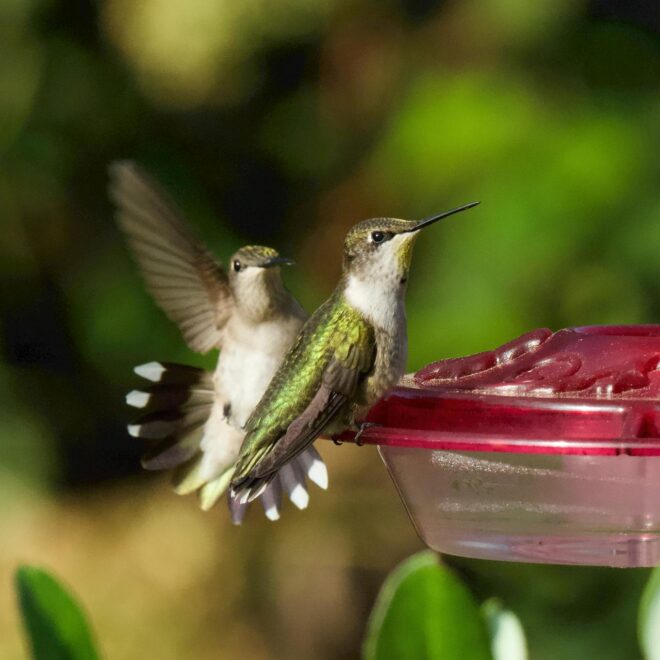
Credit: www.birdwatchingdaily.com
Frequently Asked Questions
Can Hummingbird Feeders Be Near Other Bird Feeders?
Yes, hummingbird feeders can be near other feeders. Keep them a few feet apart to reduce competition and aggression. This helps hummingbirds feed comfortably without disturbance from larger birds.
How Close Should Hummingbird Feeders Be To Other Feeders?
Place hummingbird feeders at least 3 to 5 feet from other feeders. This distance minimizes territorial disputes and allows hummingbirds easy access to nectar without interference.
Will Other Birds Bother Hummingbirds At Feeders?
Larger birds may try to dominate feeders. Positioning hummingbird feeders separately helps reduce bullying and keeps hummingbirds safe while feeding.
Does Feeder Placement Affect Hummingbird Visits?
Yes, placing feeders in quiet, shaded areas away from other feeders attracts more hummingbirds. They prefer calm spots with easy access to nectar.
Conclusion
Hummingbird feeders can be near other bird feeders, but keep some space. Too close may cause competition or scare hummingbirds away. Place feeders at least 3 to 5 feet apart for best results. This helps hummingbirds feed comfortably without stress.
Watch how birds behave and adjust feeder spots if needed. Enjoy watching different birds share your yard peacefully. Simple steps create a happy place for all birds.




