
Are you looking to capture stunning close-up shots of birds without disturbing them? Choosing the right camera can make all the difference.
But when it comes to attaching a camera directly to a bird, weight matters more than ever. If your camera is too heavy, it can affect the bird’s natural behavior and flight. So, what is the lightest weight camera you can use for this delicate task?
You’ll discover the top options designed to stay light while delivering clear, amazing footage. Keep reading to find the perfect camera that respects the bird’s comfort and helps you get the shots you want.
Benefits Of Lightweight Bird Cameras
Lightweight bird cameras offer many benefits for both birds and researchers. These cameras do not weigh birds down. This helps keep birds active and comfortable while wearing the device.
Choosing a light camera is important. It helps capture natural bird behavior. This section covers the main benefits of using lightweight cameras on birds.
Enhanced Mobility For Birds
Lightweight cameras allow birds to move freely. Birds can climb, hop, and walk without limits. Heavy devices can slow birds down or block their movements.
More mobility means better data. Researchers get clearer, more natural footage of bird activity. Birds stay active and healthy with less restriction.
Improved Flight Dynamics
Light cameras do not affect flight balance. Birds can flap wings and glide easily. Heavy cameras can change a bird’s center of gravity.
Balanced flight helps birds avoid injury. It also lets researchers record true flight patterns. The bird’s natural ability stays intact.
Reduced Stress And Discomfort
Birds feel less stress with lighter cameras. Heavy devices can cause discomfort and irritation. Lightweight gear fits better and feels less invasive.
Less stress means birds behave normally. This leads to better, more accurate research results. Healthy birds ensure ethical study practices.
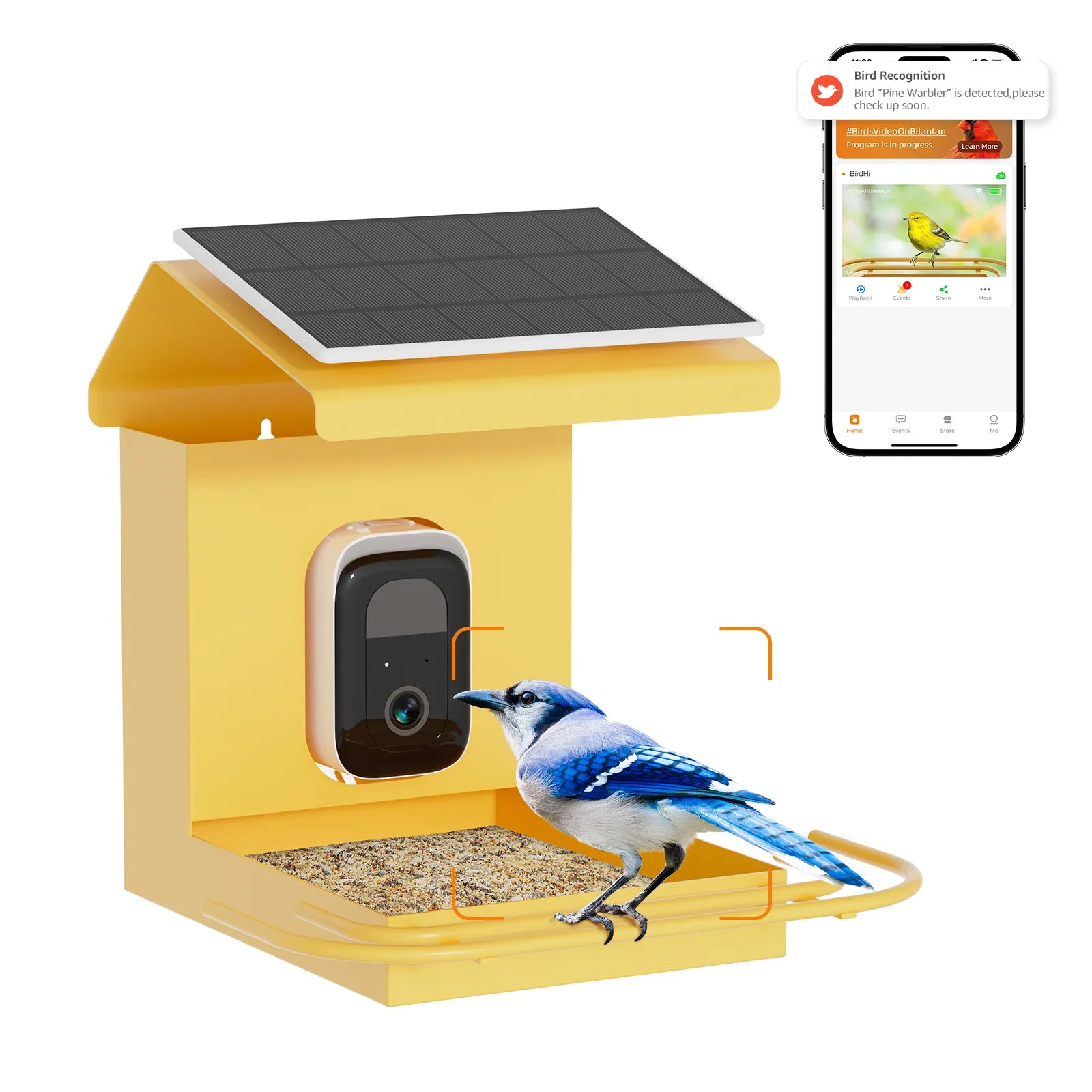
Credit: www.bilantan.com
Key Features To Consider
Choosing the right camera to attach to a bird requires careful thought. The key features affect the bird’s comfort and the quality of the footage. Small details can make a big difference in your bird-watching experience.
Camera Size And Weight
The camera must be very light to avoid disturbing the bird. Smaller cameras reduce the risk of injury or discomfort. A compact size helps the bird move naturally. Look for cameras weighing just a few grams.
Battery Life And Power Options
Long battery life ensures longer recording times. Birds may be active for hours, so power matters. Rechargeable batteries or replaceable options give flexibility. Check how long the camera runs on a single charge.
Image And Video Quality
Clear images help identify bird species and behaviors. High resolution improves details without adding weight. Video smoothness matters for watching flight patterns. Balance quality with camera size to keep weight low.
Durability And Weather Resistance
The camera must withstand outdoor conditions. Rain, wind, and dust can damage weak devices. Look for weather-resistant and shockproof models. A tough design ensures the camera lasts longer in nature.
Top Lightweight Cameras For Birds
Finding the lightest weight camera for attaching to birds is a challenge that blends technology with respect for wildlife. The camera must be small and light enough not to disturb the bird’s natural behavior while providing clear footage. Let’s look at some of the best lightweight camera options that researchers and bird enthusiasts trust.
Miniature Action Cameras
Miniature action cameras are popular because they offer high-quality video in a compact form. These cameras typically weigh less than 30 grams, making them suitable for small to medium-sized birds. You can find models with wide-angle lenses to capture the bird’s surroundings vividly.
Some cameras even come with built-in Wi-Fi for easy footage transfer. Imagine watching your backyard bird’s flight from their perspective without disturbing their routine. However, battery life can be a limitation, often lasting only 30 to 60 minutes, so plan your recording sessions accordingly.
Custom Bird-mounted Devices
Custom devices are designed specifically for bird attachment, often crafted by researchers or hobbyists. These cameras prioritize lightweight materials like carbon fiber and ultra-light electronics to keep the total weight under 20 grams. They can be tailored to fit certain species, ensuring minimal impact on flight and comfort.
These custom options often sacrifice some video resolution for weight savings. But the trade-off is worth it if you want to observe smaller birds like hummingbirds or warblers. Would you prefer a custom setup if it means more natural behavior from your feathered friends?
Comparing Popular Models
| Camera Model | Weight (grams) | Battery Life | Video Quality | Special Features |
|---|---|---|---|---|
| GoPro HERO Session | 74 | 40 mins | 1080p | Waterproof, Wi-Fi |
| RunCam Nano 3 | 19 | 45 mins | 720p | Low light, lightweight |
| Custom Carbon Fiber Cam | 15-20 | 30-40 mins | 480p-720p | Custom fit, ultra-light |
Choosing the right camera depends on your priorities: weight, video quality, or battery life. If you want crisp footage and can handle slightly more weight, a miniature action camera might work. But for smaller species or longer observation sessions, custom devices could be the better choice.
Attachment Methods
Attaching a camera to a bird requires careful thought about how the device is secured. The attachment must be light enough not to hinder the bird’s natural movements and sturdy enough to hold the camera steady during flight. Understanding different attachment methods helps you choose the best option for your feathered subject.
Harness And Strap Options
Harnesses are popular for attaching cameras because they distribute weight evenly. Many bird enthusiasts prefer soft, adjustable straps made from lightweight materials like nylon or elastic. These straps gently wrap around the bird’s body without causing discomfort.
Choosing the right harness size is crucial. A harness too tight can restrict movement, while one too loose risks the camera slipping off. Have you considered measuring the bird first and testing different harness fits to find the perfect balance?
Adhesive Mounts
Adhesive mounts offer a less bulky alternative to straps. Small, lightweight mounts use bird-safe glue to stick directly onto feathers or skin. These are often used for short-term projects where minimal interference is key.
However, adhesive mounts require careful selection of glue types to avoid harming the bird. They work best on birds with less preening behavior, as active preening can dislodge the camera. Would you be willing to monitor your bird closely after attaching an adhesive mount?
Safety And Comfort Measures
Safety should never be an afterthought when attaching cameras. Padding between the camera and the bird’s body prevents chafing and skin irritation. Some users add a layer of soft fabric or foam to the harness for extra comfort.
Keep the camera’s weight under 3-5% of the bird’s body weight to avoid stress. Regularly check the attachment during recording sessions to ensure the bird remains comfortable. How often do you plan to inspect your bird and camera setup during your filming?
Tips For Successful Bird Camera Use
Using a lightweight camera on birds can offer incredible insights into their world, but success depends on more than just the device itself. Careful planning and ongoing attention will help you get clear, meaningful footage without disturbing the birds. Here are key tips to help you use your bird camera effectively.
Preparation And Testing
Before attaching the camera to a bird, make sure you test it thoroughly. Check the camera’s weight and balance so it won’t hinder the bird’s natural movement. Try mounting the camera on a similar object or a model to see how it performs during motion.
Battery life and memory capacity must be tested in conditions similar to what the bird will experience. Is the camera capturing clear images and videos at the right angles? Adjust settings and placement based on these tests to avoid surprises in the field.
Monitoring Bird Behavior
Observe the bird’s behavior carefully after attaching the camera. Watch for signs of discomfort or distress, such as excessive preening or attempts to remove the device. Your goal is to ensure the bird remains as natural and active as possible.
Regularly check how the bird interacts with its environment while wearing the camera. Does the added weight change its flight pattern or feeding habits? These observations will help you decide if adjustments are needed or if a different camera is better suited.
Data Retrieval And Maintenance
Plan a safe and stress-free way to retrieve the camera and data. Using quick-release mounts can make removal easier and less risky for the bird. Always have a backup plan in case the camera detaches or malfunctions.
After each use, clean the camera carefully and inspect it for damage. Regular maintenance extends the camera’s life and ensures it’s ready for your next bird-watching adventure. What simple steps can you take to keep your equipment reliable and your feathered subjects happy?

Credit: photzy.com
Ethical Considerations
Choosing the lightest camera for birds requires considering ethical aspects. Lightweight cameras minimize stress and health risks for birds. Prioritize animal welfare while exploring technological solutions.
Ethical considerations are vital when using cameras on birds. These devices offer valuable insights into avian behavior. Yet, they must not harm or stress the birds. Careful planning ensures safety and respects wildlife.Minimizing Impact On Wildlife
Reducing the weight of the camera is crucial. A light camera minimizes stress on the bird. It’s essential to ensure the bird can fly freely. A poorly attached device can hinder movement. Proper attachment techniques are vital.Legal Regulations And Permits
Check local laws before using cameras on birds. Many regions require permits. These laws protect wildlife from harm. Ignoring them can result in penalties. Understanding these regulations is essential for ethical research.Responsible Usage Practices
Use cameras only when necessary. Avoid disturbing the bird’s natural behavior. Monitor the bird’s health regularly. If signs of distress appear, remove the device immediately. Always prioritize the bird’s well-being over data collection.
Credit: www.amazon.ca
Frequently Asked Questions
What Is The Lightest Camera For Bird Attachment?
The lightest cameras for bird attachment typically weigh under 20 grams. Miniature action cameras or specialized wildlife cameras are best. They ensure minimal disturbance and comfortable wear for birds during flight or activities.
How To Choose A Lightweight Bird Camera?
Choose cameras with compact size, low weight, and durable mounts. Battery life and video quality also matter. Look for waterproof and shockproof features for outdoor bird monitoring.
Are Lightweight Bird Cameras Safe For Birds?
Yes, lightweight cameras under 20 grams are generally safe. Proper attachment and short usage prevent stress or injury. Always follow ethical guidelines for wildlife research and bird welfare.
What Is The Battery Life Of Light Bird Cameras?
Lightweight bird cameras usually offer 1 to 3 hours of battery life. This duration supports brief observation sessions. Some models provide replaceable or rechargeable batteries for extended use.
Conclusion
Choosing the lightest camera for birds helps capture clear, close shots. Small cameras keep birds comfortable and avoid disturbing them. Easy-to-use models make bird watching more fun and rewarding. Always pick a camera that fits the bird’s size and weight.
This way, you enjoy great photos without harming your feathered friends. Simple, light, and reliable cameras work best for bird photography. Keep these tips in mind for your next bird adventure.




