
Have you ever looked at a painting or a photo and felt like you were soaring high above, seeing everything from a bird’s perspective? That’s exactly what a Birds Eye View in art does.
It lets you see the whole scene from above, giving you a fresh and powerful way to understand the artwork. If you want to discover how this unique viewpoint can change the way you experience art and why artists use it to tell their stories, keep reading.
By the end, you’ll see art from a whole new angle—one that only a bird in flight could offer.
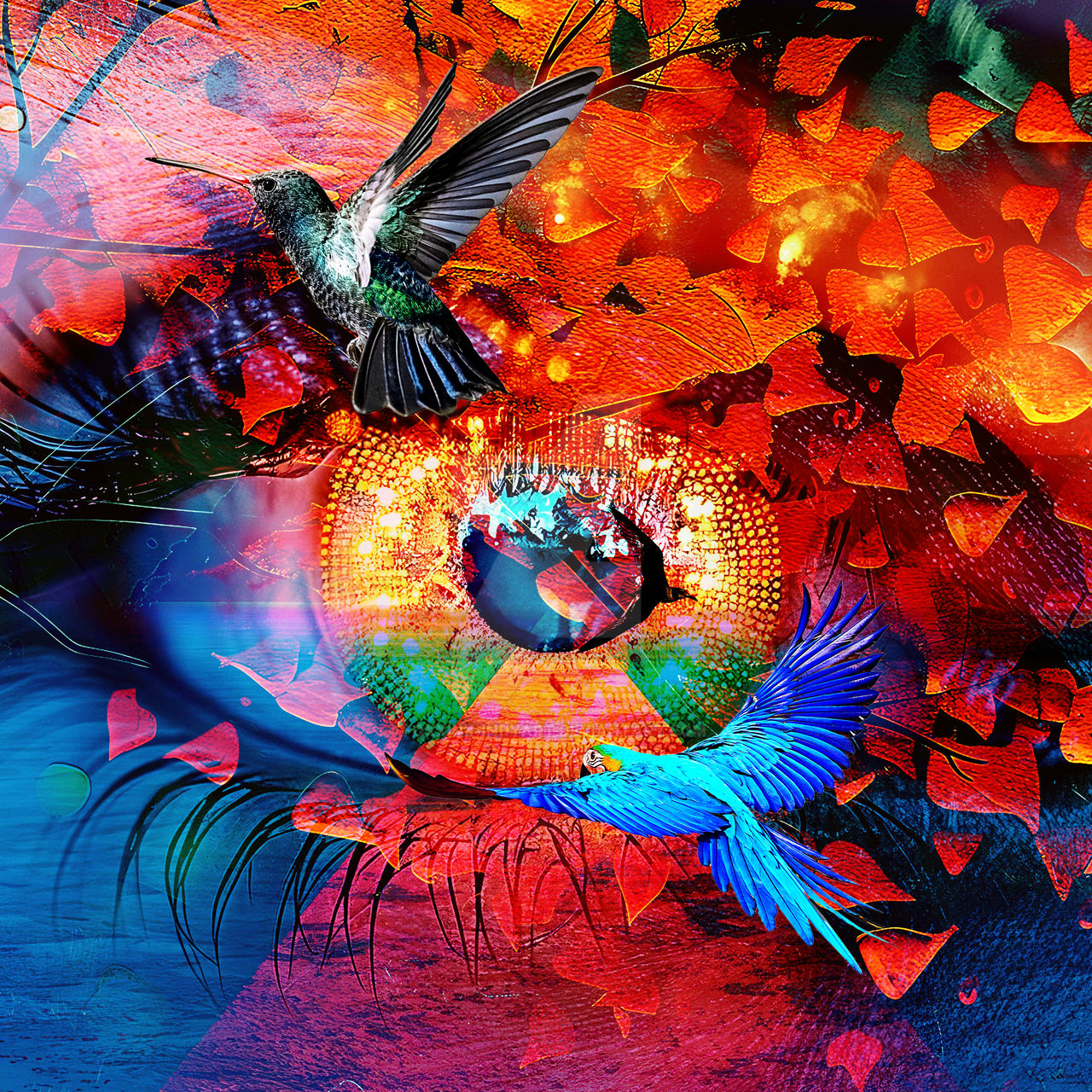
Credit: www.deviantart.com
Birds Eye View Basics
Birds eye view shows a scene from above. It looks like you are a bird flying high.
This view helps artists show a wide area in one picture. It changes how we see shapes and spaces.
Definition And Key Features
A birds eye view is a perspective from directly above. It shows objects flat and spread out below.
- Shows a wide area at once
- Objects look flat and smaller
- Useful for maps and layouts
- Removes depth and side views
Origins In Art History
Artists used birds eye views in old maps and paintings. It helped show cities and lands clearly.
| Period | Use of Birds Eye View |
|---|---|
| Ancient Times | Maps showing lands and cities |
| Renaissance | Paintings of towns and battle scenes |
| Modern Art | Graphic design and aerial photography |
Techniques For Birds Eye Perspective
Birds eye perspective shows a view from above. It gives a unique look at scenes and objects. Artists use special methods to create this effect.
This perspective helps show large areas and details at once. It changes how viewers see the composition and depth.
Angle And Composition
The angle is high and looks straight down or slightly tilted. Composition arranges elements to guide the eye.
- Place main objects in the center or along lines of interest.
- Use diagonal lines to add depth and motion.
- Include background details to show scale.
- Keep horizon low or hidden for true overhead feel.
Scale And Proportion
Objects closer to the viewer appear larger. Those farther away look smaller. Correct scale keeps the scene believable.
| Object Distance | Relative Size |
| Close | Large |
| Mid-range | Medium |
| Far | Small |
Use Of Shadows And Light
Light and shadows add depth and realism. They show the height and shape of objects in birds eye view.
Tips for shadows and light:
- Use soft shadows for distant objects.
- Create sharp shadows for nearby shapes.
- Light should come from one direction to keep consistency.
- Highlight edges to separate objects clearly.
Applications In Different Art Forms
Bird’s eye view shows a scene from above. It gives a wide look at the subject below. Many art forms use this view to create unique effects.
This view helps artists show space, shape, and movement in new ways. It changes how people see the subject.
Painting And Drawing
Artists use bird’s eye view in paintings and drawings to show large areas. It helps map out scenes like cities, landscapes, or battlefields. This view can make simple shapes look complex and interesting.
- Maps and cityscapes
- Birds flying over nature
- Showing patterns in fields or forests
- Abstract compositions from above
Photography
Photographers use bird’s eye view to capture scenes from high places. It shows a new angle that people do not see every day. This view can highlight shapes, lines, and colors in the subject.
| Type of Photography | Common Uses of Bird’s Eye View |
| Drone Photography | Landscapes, events, cityscapes |
| Architecture | Building layouts, roof patterns |
| Nature | Forests, rivers, fields |
| Sports | Game strategy views, crowd shots |
Digital Art And Animation
In digital art and animation, bird’s eye view helps create dynamic scenes. It allows artists to design complex backgrounds and show action from above. This view adds depth and excitement to stories.
Uses in digital art include:
- Video game level design
- Animated cityscapes
- Scene planning for films
- Virtual reality environments

Credit: www.tripadvisor.com
Impact On Viewer Perception
Bird’s eye view in art shows the scene from above. This angle changes how viewers see space and objects. It gives a unique feeling and meaning to the artwork.
Artists use this view to guide the viewer’s attention and create special effects. This style affects how deep or flat the scene feels and how people feel about the image.
Creating Depth And Space
Bird’s eye view helps create a strong sense of depth and space. It lets viewers see many details at once. This view shows the layout and distance between objects clearly.
- Shows wide areas and different levels
- Makes objects appear smaller and farther away
- Highlights shapes and patterns on the ground
- Helps viewers understand the spatial relationship
- Can flatten or expand the sense of space
Emotional And Psychological Effects
This view can create feelings of control or distance. It may make viewers feel like they are looking down on the scene or people. This can add meaning or mood to the artwork.
| Effect | Description |
| Detachment | Viewers feel removed from the subject, like an observer. |
| Power | Looking down can suggest dominance or control. |
| Vulnerability | Subjects may seem small or exposed from above. |
| Wonder | The unusual angle can spark curiosity and interest. |
Common Challenges And Solutions
Creating a birds eye view in art can be tricky. Artists face many challenges that affect the final image.
This view shows scenes from above, which changes how objects look and relate to each other. Let’s explore common problems and ways to fix them.
Distortion Issues
One common problem is distortion. Objects can look stretched or squished because of the sharp angle. This can confuse viewers or make the art look less natural.
- Use a grid to keep shapes consistent and aligned.
- Apply perspective rules carefully to avoid unnatural stretching.
- Break complex objects into simple shapes before drawing.
- Practice with reference photos taken from above to understand real distortion.
Maintaining Realism
Keeping the scene realistic is hard. The birds eye view changes size and detail of objects in strange ways. Artists must decide how much to simplify or exaggerate.
| Challenge | Solution |
| Objects too small to recognize | Focus on key shapes and colors, reduce fine details |
| Lost depth and space feeling | Use shadows and overlapping to show layers |
| Inconsistent light direction | Choose one light source and keep it steady |
| Flat or boring composition | Include interesting elements like roads, trees, or people to add life |
Comparing Birds Eye View With Other Perspectives
Birds Eye View shows a scene from above, like looking down from the sky. It gives a wide and clear picture of the area.
Other views like Worms Eye View and Eye Level View give different feelings and details in art. These views change how we see the subject.
Worms Eye View
Worms Eye View shows the subject from below, like looking up from the ground. It makes objects look tall and powerful.
- Gives a feeling of smallness to the viewer
- Makes buildings or people seem large and grand
- Shows details on the bottom of objects
- Often used to create drama or tension
Eye Level View
Eye Level View is from the normal height of a person standing. It shows things as we usually see them.
| Perspective | Effect | Use in Art |
| Birds Eye View | Wide overview, distant feeling | Maps, landscapes, scenes with many details |
| Worms Eye View | Powerful, large, dramatic | Buildings, tall objects, to show strength |
| Eye Level View | Natural, familiar, neutral | Portraits, daily scenes, realistic views |
Tips For Mastering Birds Eye View
Birds Eye View shows a scene from above. It helps artists create new angles and perspectives.
Learning this view takes practice and the right tools. Use simple exercises to improve your skills.
Practice Exercises
Start by drawing simple objects from above, like tables or chairs. This builds your eye for height and space.
- Sketch your room from a top view using photos or imagination.
- Draw city blocks or streets as if you were a bird flying over.
- Create a map of your neighborhood from above.
- Practice shading to show depth and height differences.
Tools And Resources
Using the right materials and references can help you draw Birds Eye Views better.
| Tool | Purpose |
| Grid Paper | Helps keep proportions correct |
| Reference Photos | Shows real-life top views |
| 3D Modeling Apps | Visualizes objects from above |
| Sketchbook | Practice quick sketches anywhere |

Credit: www.saatchiart.com
Frequently Asked Questions
What Does Birds Eye View Mean In Art?
Birds Eye View in art shows a scene from above, like a bird flying. It offers a unique perspective to depict landscapes or cityscapes clearly and creatively.
How Is Birds Eye View Used In Artwork?
Artists use Birds Eye View to show spatial relationships and patterns. It helps viewers see the entire layout and details that are hard to capture from ground level.
Why Is Birds Eye View Important In Artistic Composition?
This view adds depth and interest to compositions. It guides the viewer’s eye through the artwork and emphasizes scale and arrangement effectively.
What Are Common Subjects For Birds Eye View Art?
Common subjects include city maps, landscapes, buildings, and events. This perspective highlights structure, movement, and environment in a visually engaging way.
Conclusion
A bird’s eye view in art offers a unique perspective. It shows scenes from above, providing depth and detail. Artists use this view to create stunning landscapes. It captures vast areas in one glance, making it impactful. This perspective invites viewers to see the world differently.
Artists can explore new dimensions and expressions. Both beginners and experts can experiment with this technique. It adds variety and interest to artworks. Embracing this view expands creative possibilities. Whether drawing or painting, try this unique perspective. It might just inspire your next masterpiece.




