
Imagine having the power to see everything around your vehicle clearly, as if you were a bird flying high above. A Birds Eye View Camera gives you exactly that—complete visibility from above, helping you avoid blind spots and park with confidence.
If you’ve ever struggled with tight parking spaces or worried about hitting obstacles, this technology can change the way you drive. Keep reading to discover how a Birds Eye View Camera works and why it could be the safety upgrade your car needs.
Birds Eye View Camera Basics
The birds eye view camera gives drivers a clear view from above. It helps avoid blind spots and parking mishaps. This technology combines multiple camera angles into one image.
Understanding the basics of birds eye view cameras helps in seeing how they improve safety. The system uses cameras, sensors, and software to create a full view around the vehicle.
Core Functionality
This camera system shows a 360-degree view around the car. It helps drivers park easily and avoid obstacles. The view appears on the car’s display screen.
It provides:
- Real-time video from different angles
- A combined overhead image
- Clear visuals in tight spots
Key Components
The system uses several parts working together:
- Multiple wide-angle cameras placed around the vehicle
- A central processing unit to stitch the images
- A display screen inside the vehicle
- Sensors that detect distance and obstacles
How It Works
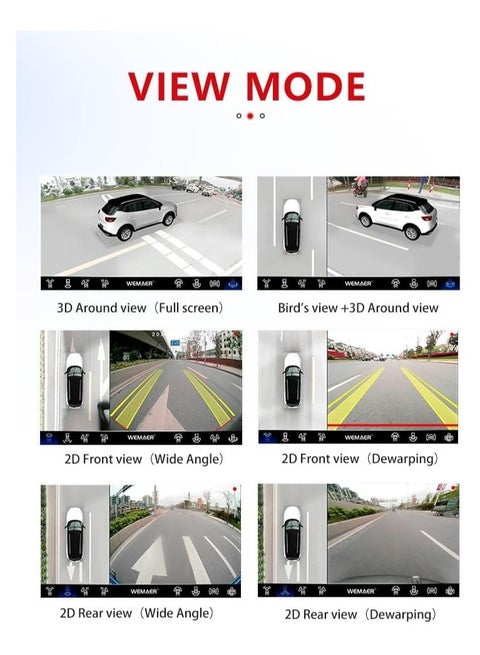
Cameras capture the surroundings from front, rear, and sides. The software merges these images into one single view. This view shows the car’s position relative to objects.
The system updates the image as the vehicle moves. It helps drivers steer safely in tight spaces. The driver sees everything as if looking from above.
Credit: www.greensafaris.com
Safety Benefits
Birds Eye View Cameras offer significant safety benefits that can transform how you drive and park. This technology gives you a complete view around your vehicle, reducing risks and improving your confidence behind the wheel. Let’s break down how these cameras boost safety in everyday driving situations.
Enhanced Parking Assistance
Parking can be stressful, especially in tight spots. Birds Eye View Cameras provide a clear, 360-degree image of your surroundings, making it easier to maneuver without hitting obstacles.
Imagine avoiding those pesky scratches and dents just by watching a single screen. This tech helps you park smoothly, saving time and money on repairs.
Blind Spot Reduction
Blind spots are a major cause of accidents. Birds Eye View Cameras drastically reduce these danger zones by showing areas you can’t see through mirrors alone.
Have you ever almost changed lanes only to realize too late there was a vehicle in your blind spot? With this camera system, those close calls can become a thing of the past.
Accident Prevention
Many accidents happen during low-speed maneuvers like reversing or turning. Birds Eye View Cameras give you real-time visual alerts, helping you spot pedestrians, cyclists, or other vehicles early.
This early warning can prevent collisions before they happen, keeping you and others safer on the road. Isn’t it worth having an extra set of eyes watching out for you?
Technology Behind Birds Eye View
The technology behind Birds Eye View cameras transforms how you see your surroundings while driving. It combines multiple cameras, software, and vehicle data to create a seamless overhead image. This technology helps eliminate blind spots and makes parking or maneuvering in tight spaces much easier.
Camera Placement And Types
Birds Eye View systems use several cameras placed strategically around your vehicle. Typically, there are four wide-angle cameras: one at the front, one at the rear, and one on each side mirror.
These cameras are usually small, weatherproof, and capable of capturing high-resolution images even in low light. Some advanced systems add more cameras or use fisheye lenses to expand the viewing angle.
Image Stitching Techniques
The magic happens when individual camera images combine to form one complete top-down view. This process is called image stitching.
Software aligns, blends, and corrects the images to remove distortions and overlaps. It also adjusts for differences in lighting and perspective, creating a smooth, continuous view.
Have you noticed how the stitched image stays stable even when the vehicle moves? That’s because the system constantly updates the image in real-time, ensuring accuracy and reliability.
Integration With Vehicle Systems
Birds Eye View cameras don’t work alone. They connect with your vehicle’s other systems, like parking sensors, steering angle sensors, and speedometers.
This integration allows the view to adjust based on your car’s movement. For example, when you turn the steering wheel during parking, the camera view shifts to highlight potential obstacles.
Some vehicles even link the Birds Eye View with automatic braking or alert systems, giving you an extra layer of safety. How often do you rely on these features when navigating crowded parking lots?
Installation And Compatibility
Installing a birds eye view camera system involves more than just attaching cameras around your vehicle. You need to consider how the system fits with your car’s existing setup and what kind of installation process it demands. Compatibility issues can affect both the performance and ease of installation, so knowing your options beforehand saves time and hassle.
Factory Vs Aftermarket Systems
Factory systems come pre-installed in some new vehicles and are designed to work seamlessly with the car’s electronics. These systems usually offer better image quality and integration with dashboard displays.
Aftermarket systems are added later and can be customized to fit various vehicle models. However, they may require more complex installation and wiring, which might lead to compatibility challenges or even void your warranty if not done correctly.
Vehicle Requirements
Not every vehicle supports a birds eye view camera system out of the box. You’ll need to check if your car has the necessary wiring harnesses and display units.
Older vehicles or those without factory infotainment screens might require extra adapters or displays to show the camera feed. Also, some systems need space around the bumpers or mirrors to mount cameras effectively.
Cost Considerations
Factory systems generally cost more upfront but offer reliable performance and easier installation. If your car already has the system, you’re likely paying for the convenience and integration.
Aftermarket options vary widely in price, from budget-friendly kits to premium multi-camera setups. Keep in mind that installation costs can add up, especially if professional help is needed to ensure proper fit and function.
User Experience And Interface
The user experience and interface of a Birds Eye View Camera play a crucial role in how effectively you can navigate tight spots and avoid obstacles. A well-designed interface makes it easier to interpret what the camera sees, helping you make quick decisions. Let’s look at how display options, controls, and typical challenges affect your interaction with these systems.
Display Options
Most Birds Eye View Cameras offer multiple display modes to suit different driving situations. You might see a full 360-degree bird’s eye image, split-screen views combining side and rear cameras, or a zoomed-in view of a specific area.
Some systems allow you to switch between these views easily, giving you control over what you focus on. Brightness and contrast adjustments are common, helping maintain visibility even in harsh sunlight or at night. Have you noticed how a clear, customizable display can reduce your stress when parking?
Controls And Adjustments
Controls vary widely but tend to be simple and intuitive, often integrated into the vehicle’s infotainment system or on the dashboard. You can usually toggle the camera on or off, change angles, or zoom in with a touch or a physical button.
Some advanced models let you adjust settings like camera sensitivity or alert thresholds to match your driving style. It’s worth spending a few minutes learning these controls, as mastering them can save you from costly mistakes. What control setup feels most natural to you when multitasking behind the wheel?
Common User Challenges
Despite their advantages, Birds Eye View Cameras can present challenges. Glare from the sun or dirt on lenses can obscure the image, leading to misjudgments. Sometimes, the stitching of multiple camera feeds into a single image creates distortions that confuse rather than clarify.
Users also report delays or lag in the video feed, which can be critical in fast-moving situations. Regular cleaning of the cameras and understanding the system’s limitations help mitigate these issues. Have you ever trusted the camera too much and missed something important?
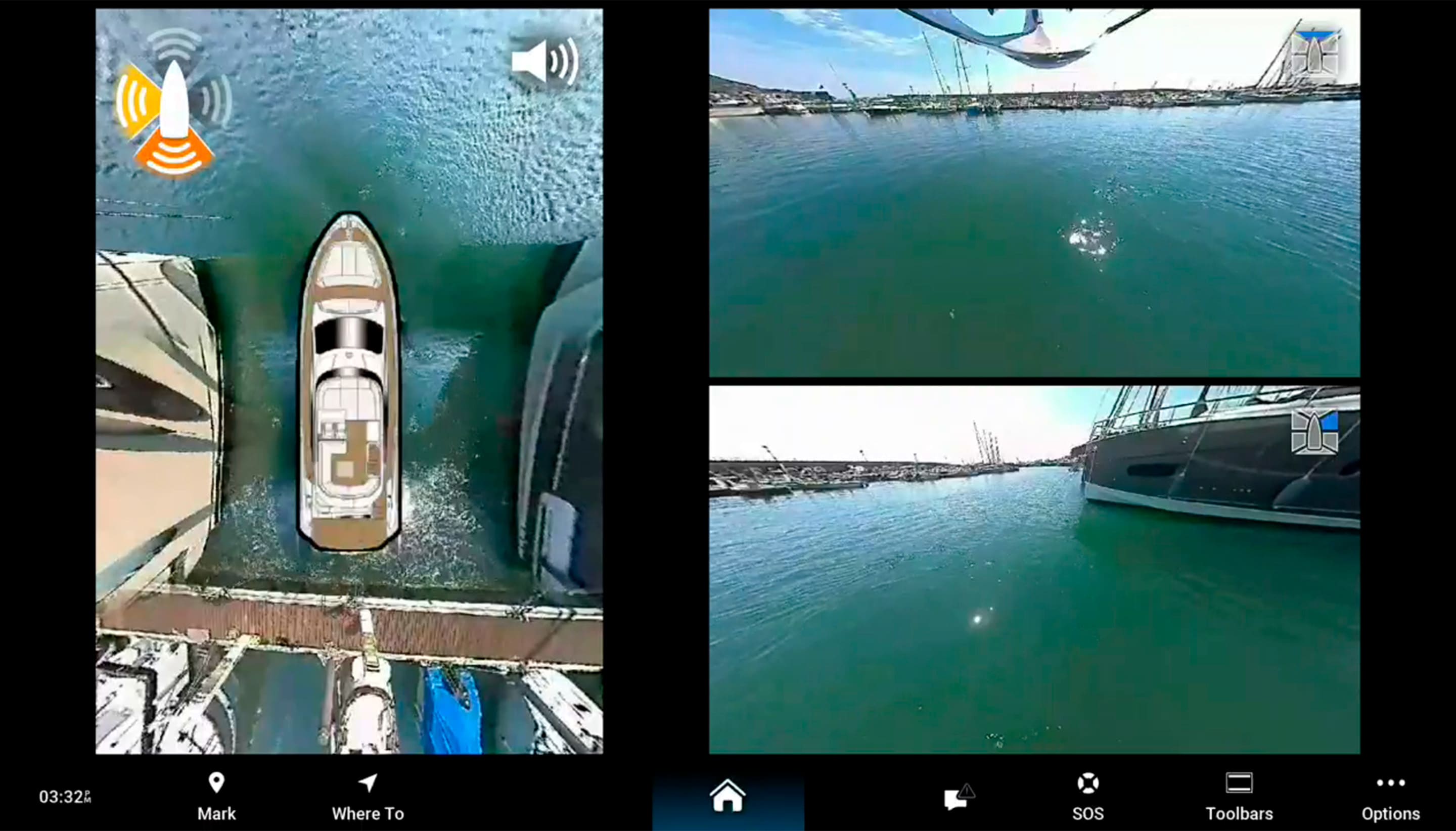
Credit: www.garmin.com
Future Trends In Birds Eye View Tech
Birds eye view cameras provide a 360-degree view from above, enhancing safety and navigation. Future trends focus on improved image quality and AI integration. These advancements aim to offer more precise and real-time data, benefiting areas like autonomous driving and smart city planning.
The future of Birds Eye View camera technology is buzzing with innovation and promise. As these systems become more sophisticated, they are set to transform the way we interact with our vehicles. Picture a driving experience where enhanced safety, precision, and clarity are at your fingertips. Are you ready to explore what’s on the horizon?Ai And Machine Learning Integration
AI and machine learning are reshaping the Birds Eye View landscape. These technologies enable cameras to learn from driving patterns and improve over time. Imagine your car anticipating potential hazards before you even notice them. This isn’t just about technology; it’s about creating a safer driving experience for you. AI also plays a role in personalizing your experience. It can adjust the camera angles based on your previous behaviors or preferences. This ensures that the view you get is the most relevant and helpful for your needs.Improved Image Quality
The demand for crystal-clear visuals is driving advancements in image quality. Newer cameras are offering higher resolution images, making it easier to spot obstacles and navigate tight spaces. This improvement can significantly enhance your confidence while driving or parking. Consider the difference between an old analog TV and a modern 4K screen. The clarity and detail can transform your viewing experience. Similarly, enhanced image quality in Birds Eye View cameras offers a more precise and reliable perspective.Expanded Safety Features
Safety is at the heart of Birds Eye View technology’s evolution. New features aim to not only prevent collisions but also protect pedestrians and cyclists. For instance, some systems now incorporate pedestrian detection and alert systems to enhance awareness. These advancements are designed to make roads safer for everyone. They provide you with real-time alerts and feedback, helping you make informed decisions quickly. As a driver, how much peace of mind would that add to your journey? Embracing these trends means not just keeping up with technology, but being part of a safer, smarter driving future. What aspect of this technology excites you the most?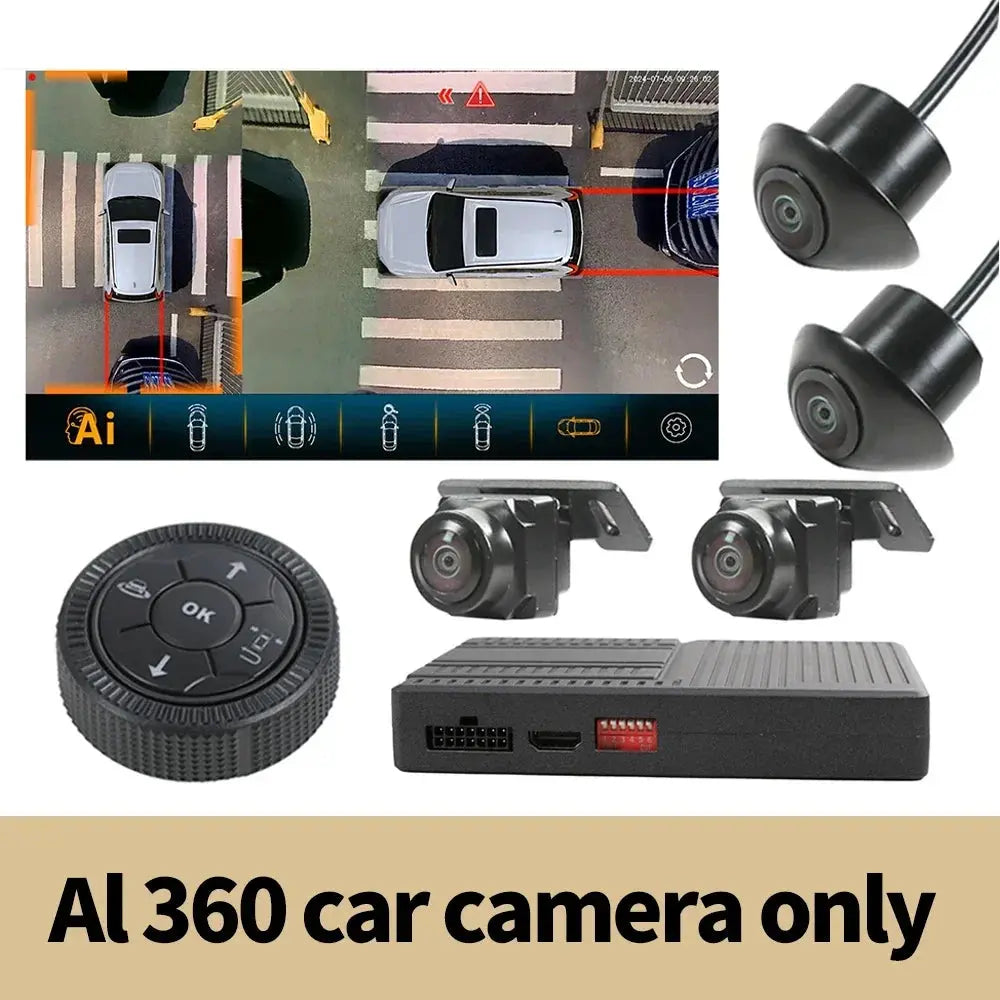
Credit: greensafaris.com
Frequently Asked Questions
What Is A Birds Eye View Camera System?
A Birds Eye View Camera system provides a 360-degree overhead view around a vehicle. It uses multiple cameras to stitch images together. This helps drivers park and navigate tight spaces safely and accurately.
How Does A Birds Eye View Camera Work?
The system combines images from cameras placed on the vehicle’s front, rear, and sides. It processes these images in real-time to create a seamless top-down view. This view helps eliminate blind spots and improves situational awareness.
What Are The Benefits Of Using A Birds Eye View Camera?
It enhances safety by reducing blind spots and preventing collisions. It simplifies parking and maneuvering in tight areas. This technology also increases driver confidence and reduces vehicle damage risks.
Which Vehicles Commonly Use Birds Eye View Cameras?
Birds Eye View Cameras are popular in SUVs, trucks, and luxury cars. They are also used in some commercial vehicles and electric cars. This technology is becoming standard in many new vehicle models.
Conclusion
A bird’s eye view camera shows the area all around your vehicle. It helps drivers see blind spots and park safely. Many modern cars use this camera system for better visibility. It makes driving easier and reduces accidents. Understanding how it works can improve your driving experience.
This simple tool offers a clear, wide view from above. It’s useful for both new and experienced drivers. Using a bird’s eye view camera adds extra safety on the road.




