
Are you ready to capture stunning photos of birds but unsure which camera is the right choice for you? Choosing the perfect camera can feel overwhelming with so many options available.
But don’t worry—finding the right gear can transform your bird photography and bring your images to life. You’ll discover exactly what to look for in a camera that suits your needs, skill level, and budget. By the end, you’ll feel confident about making a smart purchase that helps you snap breathtaking bird photos every time.
Keep reading to unlock the secrets to picking the best camera for your bird photography adventure!
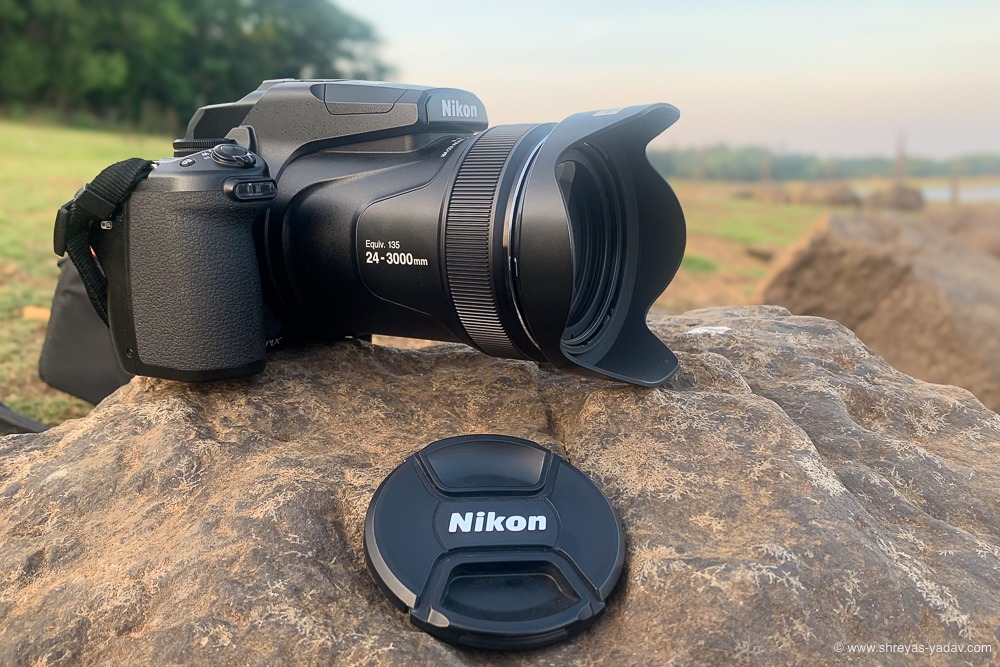
Credit: shreyas-yadav.com
Key Features For Bird Photography
Choosing the right camera for bird photography means focusing on specific features. Birds move fast and often appear in tricky light. Your camera must keep up with these challenges. Certain features help capture sharp, clear images of birds in action. These key features improve your chances of getting great shots every time.
Autofocus Speed And Accuracy
Fast autofocus is crucial for bird photography. Birds can fly quickly or change direction suddenly. Your camera must lock focus instantly to avoid blurry shots. Accuracy matters too. Precise focus on the bird’s eye or head makes images look professional. Look for cameras with advanced autofocus systems and multiple focus points.
Sensor Size And Resolution
A larger sensor captures more light and detail. This helps in low light or early morning shots. Full-frame or APS-C sensors are popular for bird photography. Higher resolution means sharper images and better cropping options. Aim for at least 20 megapixels to keep details crisp even after zooming in.
Lens Compatibility
Bird photography needs long lenses to get close without disturbing birds. Your camera should support telephoto lenses with good reach. Check if the camera mount works with popular lens brands. A wide selection of lenses gives you more creative freedom. Also, consider cameras compatible with teleconverters to extend lens reach.
Image Stabilization
Image stabilization reduces camera shake, which is vital at long focal lengths. This feature helps produce clear images even without a tripod. Some cameras have sensor-shift stabilization, while others rely on lens-based systems. Both types make handheld shooting easier and improve sharpness in challenging conditions.
Weather Sealing
Bird photography often means outdoor shooting in various weather. Cameras with weather sealing resist dust, moisture, and light rain. This protection ensures your gear lasts longer and works reliably in tough environments. Weather sealing is a valuable feature for photographers who explore different habitats and weather conditions.
Credit: www.tombolphoto.com
Types Of Cameras Suitable For Birding
Choosing the right camera for bird photography depends on your needs and experience. Different cameras offer various features that suit birding. Some are great for beginners, while others fit advanced photographers. Understanding these types helps you pick the best camera.
Dslr Cameras
DSLR cameras are popular among bird photographers. They have large sensors for sharp images and excellent low-light performance. DSLRs offer many lens options, including long telephoto lenses. They provide fast autofocus to capture birds in flight. These cameras are durable and handle outdoor conditions well.
Mirrorless Cameras
Mirrorless cameras are compact and lightweight. They have advanced autofocus systems that track moving birds easily. Mirrorless cameras often have high frame rates for continuous shooting. Many models offer electronic viewfinders for clear image previews. These cameras suit photographers who want portability without losing quality.
Bridge Cameras
Bridge cameras are an affordable choice for birding beginners. They have long zoom lenses built-in, perfect for distant birds. These cameras are easy to use with automatic modes. Bridge cameras provide a good balance between zoom power and image quality. They are a simple way to start bird photography without extra lenses.
Compact Cameras
Compact cameras are small and easy to carry anywhere. Some have zoom lenses suitable for casual bird photography. These cameras are great for travel and quick shots. Compact cameras usually have fewer manual controls but good image stabilization. They fit well for birders who want simplicity and convenience.
Best Cameras For Beginners
Choosing the best camera for bird photography as a beginner can feel overwhelming. You want something that’s easy to use but powerful enough to capture those quick, beautiful bird moments. The right camera will encourage you to practice more and enjoy every shot, no matter your skill level.
Affordable Options
Starting with a budget-friendly camera doesn’t mean sacrificing quality. Cameras like the Canon EOS Rebel T7 or Nikon D3500 offer solid image quality without breaking the bank. These models provide good zoom capabilities and decent autofocus, which are crucial for photographing birds in motion.
Think about how often you’ll use your camera. Would spending a bit more for slightly better features make a difference in your experience? Sometimes, saving a little extra upfront means fewer upgrades down the line.
User-friendly Features
A camera that feels intuitive will help you focus more on your subject and less on confusing settings. Look for models with guided menus or automatic modes that assist you in tricky lighting or fast action. Touchscreen interfaces and clear viewfinders can also make composing shots easier.
Imagine trying to capture a bird mid-flight—would fumbling with complicated controls slow you down? Cameras like the Sony Alpha a6000 offer fast autofocus and simple controls, perfect for beginners eager to improve quickly.
Essential Accessories
Don’t overlook the gear that supports your camera. A sturdy tripod can stabilize your shots, especially with long lenses. Extra batteries and memory cards ensure you won’t miss a moment when a rare bird appears.
Consider investing in a good telephoto lens if your camera allows lens changes. Even a basic 70-300mm lens can make a big difference in reaching distant subjects. Have you checked if your camera kit includes a lens suitable for bird photography, or will you need to buy one separately?

Credit: www.youtube.com
Top Cameras For Enthusiasts
Bird photography can be exciting for enthusiasts. Choosing the right camera makes a big difference. Enthusiasts need cameras that offer excellent features. They should be user-friendly and affordable. Here are some top cameras for bird photography enthusiasts.
High-speed Performance
High-speed performance is crucial for capturing birds in flight. Cameras with fast shutter speeds are ideal. They help freeze the motion of quick birds. Look for cameras with continuous shooting modes. This ensures you don’t miss perfect shots. Popular options include models with 10+ frames per second.
Advanced Autofocus Systems
Birds move fast, so autofocus is vital. Advanced autofocus systems track moving subjects. They ensure sharp, clear images. Look for cameras with multiple focus points. Some cameras offer eye detection for precise focus. This feature is helpful for capturing fine details.
Versatile Lens Choices
Lens versatility is important for bird photography. Different lenses offer varied perspectives. Telephoto lenses are popular for capturing distant birds. Consider cameras with interchangeable lenses. This allows flexibility in choosing the right lens. A good lens enhances the overall image quality.
Professional-grade Cameras
Professional-grade cameras offer sharp images and fast focus, essential for capturing birds in flight. They often include long zoom lenses to get close without disturbing wildlife. Choosing one with good image stabilization helps reduce blur from hand movements.
When embarking on the journey of bird photography, investing in a professional-grade camera can elevate your craft to new heights. These cameras are not just tools; they are gateways to capturing the intricate beauty of birds in their natural habitat. With features designed to cater to the specific needs of wildlife photographers, professional cameras can transform your bird photography experience.Superior Image Quality
Professional cameras offer exceptional image quality that captures every feather in stunning detail. The high-resolution sensors ensure that even in low light conditions, your photos maintain their clarity and vibrancy. You will find that the level of detail helps in identifying bird species and capturing their unique behaviors.Robust Build And Durability
Bird photography often involves trekking through unpredictable terrains and weather conditions. A professional-grade camera is built to withstand these challenges with its weather-sealed and rugged design. This durability means you can focus on your photography without worrying about your equipment failing you in the field.Customizable Settings
Customizable settings allow you to tailor the camera’s functions to your specific shooting style. You can adjust settings like shutter speed, ISO, and autofocus to suit different bird behaviors and lighting conditions. This flexibility ensures you are always ready to capture the perfect moment, whether it’s a quick dive or a graceful flight. When you are in the field, do you find your current camera limiting your creative possibilities? Consider how a professional-grade camera can unlock new opportunities in bird photography. Investing in the right equipment might just be the key to capturing those breathtaking shots you’ve always dreamed of.Lens Recommendations For Bird Photography
Choosing the right lens is just as important as selecting your camera for bird photography. Your lens determines how close you can get to your subject and how sharp your images will be. Let’s look at some lens options and accessories that can make your bird shots stand out.
Telephoto Lenses
Telephoto lenses are essential for bird photography because they allow you to capture detailed images from a distance without disturbing the birds. Lenses with focal lengths of 300mm or longer give you the reach needed to fill the frame with your subject.
I’ve found that a 400mm lens strikes a great balance between reach and handling ease. If you want more flexibility, consider a 100-400mm zoom lens. It lets you zoom in and out quickly, which helps when birds move unpredictably.
Prime Vs Zoom Lenses
Prime lenses offer sharper images and wider apertures, which is great for shooting in low light or creating beautiful background blur. However, they lock you into a fixed focal length, which means you’ll need to move around more to frame your shot.
Zoom lenses provide versatility by covering a range of focal lengths. This can be a lifesaver when birds are flying or perched at different distances. Think about whether you prefer the sharpness of primes or the flexibility of zooms based on your shooting style.
Lens Accessories
Don’t overlook accessories that can improve your bird photography experience and results. A sturdy tripod or monopod helps stabilize heavy telephoto lenses, reducing blur from hand shake.
- Lens hoodsreduce glare and protect your lens front element.
- Teleconvertersincrease your lens’s focal length, giving you extra reach without buying a new lens.
- Lens cleaning kitsare important since outdoor shooting can expose your equipment to dust and moisture.
What lens setup will help you get closer to your feathered subjects without scaring them away? Think about your shooting environment and bird species to make your choice.
Budgeting For Your Camera Setup
Setting a budget for your bird photography camera setup is key to smart buying. Your budget guides your choices and shapes your options. It helps you find gear that fits your needs without overspending.
Think about how much you can spend and what features matter most. Cameras and lenses vary widely in price and quality. Understanding your budget limits keeps your search focused and effective.
Balancing Cost And Quality
Good bird photos require quality gear, but high cost is not always necessary. Find cameras with decent autofocus and sensor size. Look for lenses with good zoom and sharpness.
Set priorities on features that impact bird photography most. Avoid very cheap gear that may miss fast action or detail. Choose mid-range cameras that offer balance between price and performance.
Second-hand And Refurbished Options
Used cameras and lenses can save money and offer great value. Check trusted sellers and read reviews before buying. Inspect gear for damage and test all functions.
Refurbished products often come with warranties and are quality checked. They provide a safer way to buy used gear. This option expands your choices without breaking the budget.
Investment In Accessories
Accessories improve your shooting experience and photo quality. Invest in a sturdy tripod to stabilize shots of distant birds. Carry extra batteries and memory cards for long sessions.
Consider lens hoods to reduce glare and camera bags for protection. These small investments make a big difference in the field. Plan your budget to include essential accessories, not just the camera body.
Tips For Choosing The Right Camera
Choosing the right camera for bird photography can make all the difference in capturing stunning shots. It’s not just about picking the most expensive model but finding one that fits how you like to shoot and what you want to achieve. Consider your habits, your environment, and what gear will keep up with your passion over time.
Match Camera To Your Style
Think about how you like to shoot birds. Do you prefer close-ups of detailed feathers, or wide shots of birds in their environment? A camera with a high-resolution sensor is great for cropping tight shots later, while a fast autofocus system helps when birds move quickly.
Do you often shoot in low light, like early mornings or late evenings? Cameras with good ISO performance will reduce grainy images. Reflect on whether you prioritize speed or image quality and choose a camera that matches those needs.
Consider Portability
Bird photography often means hiking or traveling to remote spots. A heavy camera can slow you down and tire you out. Look for gear that balances performance with weight.
Compact mirrorless cameras have come a long way and offer excellent image quality without the bulk of traditional DSLRs. Think about how much gear you are willing to carry and how it affects your shooting time.
Future-proofing Your Gear
Technology changes fast, but you want your camera to last several years. Choose brands with a wide range of lenses and accessories so you can upgrade without replacing everything.
Check if the camera supports firmware updates that improve features over time. This way, your investment stays relevant and ready for new challenges you want to take on.
Frequently Asked Questions
What Features Matter Most In A Bird Photography Camera?
Key features include fast autofocus, high frame rate, and excellent image stabilization. A good zoom lens and high resolution also help capture detailed bird images.
Which Camera Brands Are Best For Bird Photography?
Popular brands for bird photography include Canon, Nikon, Sony, and Olympus. These brands offer cameras with strong autofocus and good telephoto lens options.
Should I Choose A Dslr Or Mirrorless Camera For Birds?
Mirrorless cameras are lighter and offer faster autofocus. DSLRs often have longer battery life. Both types can work well depending on your needs.
How Important Is Lens Choice For Bird Photography?
Lens choice is crucial. A telephoto lens with at least 300mm focal length helps capture distant birds sharply and clearly. Image stabilization is also beneficial.
Conclusion
Choosing the right camera makes bird photography more fun and rewarding. Focus on features like zoom, speed, and image quality. Think about your budget and how often you will shoot birds. A good camera helps you catch sharp, clear photos of birds in action.
Take time to research and try different models if you can. Enjoy the process of finding the best fit for your needs. Happy bird watching and capturing!




