
Are you wondering if adding a mirror to your bird’s cage is a good idea? You’re not alone.
Many bird owners ask this question because mirrors can seem like a fun way to keep your feathered friend entertained. But before you put one in, it’s important to understand how it might affect your bird’s happiness and health. Keep reading to discover the surprising truth about mirrors in bird cages—and learn what’s best for your pet’s well-being.
Benefits Of Mirrors For Birds
Many bird owners wonder if adding a mirror to a bird’s cage is a good idea. Mirrors can have positive effects on birds if used correctly.
Mirrors provide visual stimulation and can help birds feel less alone. They also encourage birds to play and interact more.
Stimulating Mental Activity
Birds are smart and need mental challenges to stay happy. A mirror gives them something new to look at.
Seeing their reflection can make birds curious and keep their minds active. This helps prevent boredom and stress.
Reducing Loneliness
Birds are social animals and can feel lonely when alone. A mirror can act like a friend for them.
The reflection may comfort birds by giving them a sense of company. This reduces feelings of isolation.
Encouraging Play And Interaction
Birds enjoy interacting with their reflection. This can lead to more play and activity in their cage.
Mirrors can motivate birds to sing, hop, and explore. This keeps them lively and entertained.

Credit: www.amazon.com
Potential Drawbacks Of Mirrors
Mirrors can seem like a fun addition to a bird’s cage. Some owners think mirrors keep birds company. Still, mirrors can cause problems for pet birds.
It is important to understand the negative effects mirrors may have. Birds can react in ways that harm their well-being.
Causing Aggression Or Territorial Behavior
Birds may see their reflection as another bird. This can make them feel threatened. They might attack the mirror or become aggressive.
Such behavior can cause stress and injury. It also creates a tense environment inside the cage.
- Birds may bite the mirror repeatedly.
- They might shout or make loud noises.
- Territorial fights can lead to feather damage.
Fostering Obsession Or Stress
Some birds become obsessed with their reflection. They may spend too much time near the mirror. This causes mental stress and boredom.
Obsessed birds might ignore food, water, or other activities. This behavior reduces their quality of life.
- Continuous staring at the mirror.
- Ignoring interaction with toys or owners.
- Signs of frustration or anxiety.
Impact On Socialization With Owners
Mirrors can reduce a bird’s interest in human interaction. Birds may treat the reflection as a friend. They might ignore their owners more often.
Less socialization can hurt the bond between a bird and its owner. Birds need real interaction for emotional health.
- Birds may prefer the mirror over their owner.
- They may become shy or distant.
- Training and handling become harder.
Bird Species And Mirror Suitability
Many bird owners wonder if placing a mirror in a birdcage is good for their pets. Mirrors can affect birds differently based on their species. Some birds find mirrors comforting, while others may get stressed.
Understanding which species enjoy mirrors helps keep birds happy and safe. Knowing which birds may react badly to mirrors can prevent problems.
Species That Enjoy Mirrors
Some birds are social and like having a mirror in their cage. They may see their reflection as a friend or companion.
- Budgerigars (Budgies) often enjoy mirrors and may sing or talk to their reflection.
- Cockatiels may interact with mirrors and feel less lonely.
- Lovebirds sometimes bond with their reflection and show playful behavior.
- Canaries might enjoy watching their reflection and become more active.
Species That May React Negatively
Some birds do not respond well to mirrors. They can become aggressive, stressed, or confused by their reflection.
| Bird Species | Possible Negative Reaction |
| Parrots (e.g., African Greys) | May attack mirror or become obsessed |
| Conures | Can show aggression or stress |
| Finches | May become anxious or scared |
| Lovebirds (in some cases) | Can become territorial or aggressive |
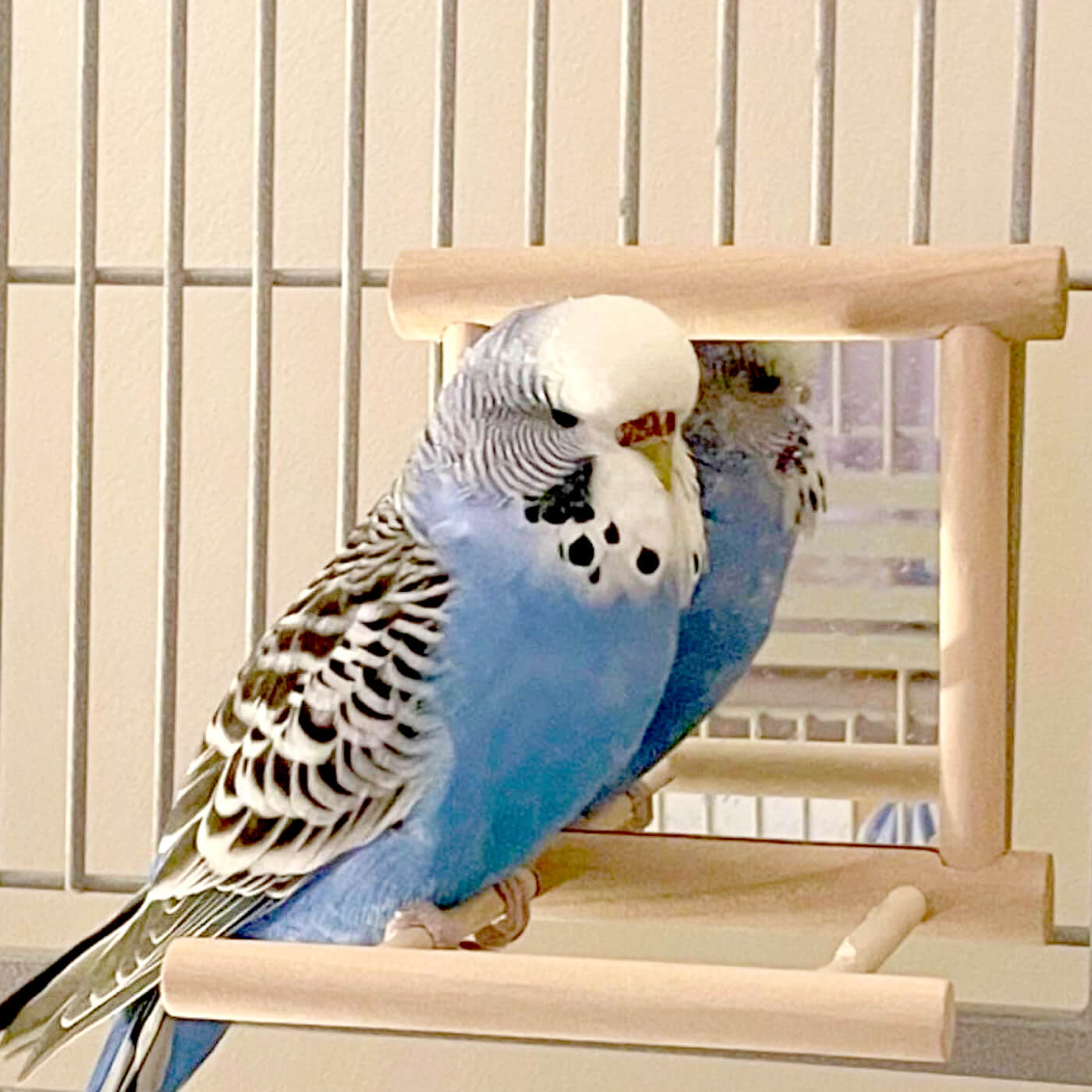
Credit: parrotessentials.co.uk
Safe Mirror Choices And Placement
Many bird owners wonder if mirrors are good for their pets. Mirrors can entertain birds but need care. Choosing safe mirrors and placing them correctly keeps birds happy and safe.
Not all mirrors are good for birds. The wrong mirror can scare or harm your pet. Learn what materials and sizes to pick and how to position mirrors in the cage.
Materials And Sizes To Consider
Pick mirrors made from safe materials. Avoid glass mirrors as they can break and hurt your bird. Use acrylic or polished metal mirrors that are strong and safe.
Size matters for your bird’s comfort. Small mirrors may not be interesting. Large mirrors can cause confusion or stress. Choose a mirror size that fits the cage and bird size.
- Acrylic mirrors are lightweight and shatterproof
- Polished metal mirrors are durable and safe
- Avoid glass or thin plastic mirrors that break easily
- Medium-sized mirrors (about 4 to 6 inches) work well
- Too big mirrors may cause your bird to act aggressive
- Too small mirrors may not attract your bird’s attention
Proper Positioning In The Cage
Place the mirror where your bird can see it without stress. Avoid spots that block natural light or create sharp reflections. The mirror should not scare your bird.
Keep the mirror away from the food and water areas. Birds might get confused and act aggressively towards their reflection. Position the mirror so your bird can enjoy it safely.
- Attach the mirror securely to prevent falling
- Place the mirror at eye level for your bird
- Avoid direct sunlight on the mirror to stop glare
- Keep the mirror away from food and water bowls
- Watch your bird’s behavior to see if mirror placement is good
Alternatives To Mirrors For Enrichment
Birds need mental and physical stimulation in their cages. Mirrors can sometimes cause stress or confusion. Here are better ways to keep your bird happy and active.
Using toys, foraging options, social time, and training helps your bird stay healthy. These enrichments are safe and fun.
Toys And Foraging Opportunities
Toys help birds exercise their minds and bodies. Foraging encourages natural searching behavior. Both reduce boredom and improve mood.
- Chew toys made of wood or safe paper
- Swings and ladders for climbing
- Puzzle feeders that hide treats
- Shreddable toys for tearing and playing
- Foraging boxes with hidden food pieces
Social Interaction And Training
Birds are social animals that enjoy interaction. Training sessions build trust and provide mental exercise. This creates a strong bond between you and your bird.
| Activity | Benefits |
| Talking or singing | Encourages vocal skills and attention |
| Hand training | Increases trust and reduces fear |
| Interactive play | Improves coordination and focus |
| Daily routines | Provides structure and comfort |

Credit: www.amazon.com
Frequently Asked Questions
Can Mirrors Cause Stress In Pet Birds?
Yes, mirrors can sometimes stress birds. They may become aggressive or confused by their reflection, thinking it’s another bird. Monitor your bird’s behavior closely to ensure the mirror has a positive effect.
Do All Bird Species Like Mirrors In Cages?
No, not all birds enjoy mirrors. Some species may benefit, while others might get stressed or bored. Know your bird’s species and behavior before adding a mirror to the cage.
How Can Mirrors Benefit A Bird’s Cage Environment?
Mirrors can provide stimulation and reduce loneliness for solitary birds. They offer visual interaction, which may help keep birds entertained and mentally active when used correctly.
Are There Risks Of Using Mirrors In Bird Cages?
Yes, risks include obsession, aggression, and stress. Some birds may attack their reflection or become overly attached, leading to behavioral problems. Use mirrors cautiously and observe your bird’s reaction.
Conclusion
Deciding on a mirror for your bird’s cage requires thought. Birds react differently to mirrors. Some enjoy them, while others may not. A mirror can entertain, but also confuse. Observe your bird’s behavior closely. Consider your bird’s species and personality.
Safety is most important. Mirrors might not suit every bird. Consult with an avian vet if unsure. Your bird’s happiness and health matter most. Choose what’s best for your feathered friend. Keep their well-being as your top priority. With the right choice, your bird will thrive.




