
If you’ve noticed small lumps or bumps on your bird’s feathers, you might be dealing with feather cysts. These can be worrying to see, but understanding what they are and how to treat them can make a big difference in your bird’s comfort and health.
You’ll discover simple, effective ways to identify and care for feather cysts. By the end, you’ll feel confident in helping your feathered friend feel better quickly. Keep reading to learn how to protect your bird and ensure its feathers stay healthy and strong.
Identifying Feather Cysts
Feather cysts are small lumps that form under a bird’s skin. These cysts happen when a feather grows inside a sac instead of breaking through the skin. Spotting these cysts early helps in treating the bird quickly. Knowing what to look for is important for every bird owner.
Common Signs And Symptoms
- Small, round lumps under the skin
- Feathers growing abnormally or missing
- Bird may pick or scratch the lump
- Redness or swelling around the cyst
- Occasional discomfort or pain when touched
Bird Species Prone To Cysts
Some bird species get feather cysts more often. These include:
- Budgerigars (budgies)
- Canaries
- Parakeets
- Lovebirds
- Other small pet birds with delicate feathers
Causes And Risk Factors
Feather cysts form from blocked feather follicles. Causes include:
- Injury to the skin or feathers
- Genetic issues in some birds
- Poor feather condition or infections
- Stress or poor nutrition
- Feather mites or parasites

Credit: pdsparrotshop.com
Diagnosing Feather Cysts
Diagnosing feather cysts in birds requires careful observation and proper techniques. Early detection helps prevent discomfort and potential infection. Owners should watch for unusual lumps or bumps under feathers. Understanding the signs is essential for timely action.
Physical Examination Techniques
Start by gently parting the feathers around the lump. Feel the area for size, shape, and texture. Note any redness or swelling on the skin. Check for signs of pain when touching the cyst. Observe if the bird pecks or scratches the spot. Keep the bird calm to avoid stress during the exam.
When To Consult A Veterinarian
Seek veterinary help if the lump grows quickly or causes discomfort. Visit a vet when the cyst shows signs of infection like redness or discharge. Consult a professional if the bird’s behavior changes or appetite drops. Early vet visits improve treatment success and bird health.
Diagnostic Tools And Tests
Veterinarians use tools to confirm feather cysts. X-rays help see the cyst size and depth. Fine needle aspiration collects fluid for lab analysis. Skin biopsies may be taken to rule out other conditions. These tests guide appropriate treatment decisions.
Home Care Strategies
Home care plays a vital role in managing feather cysts in birds. Proper care helps reduce irritation and supports healing. Simple actions at home can improve your bird’s comfort and prevent complications.
Maintaining Cleanliness
Keep the bird’s environment clean to avoid infections. Change bedding regularly and clean cages with mild disinfectants. Remove droppings and uneaten food daily. Clean water dishes every day to ensure fresh water.
Wipe the area around the cyst gently using a soft cloth and warm water. Avoid harsh soaps or chemicals that may irritate the skin. Cleanliness reduces bacteria and promotes healing.
Gentle Handling Tips
Handle your bird with care to avoid hurting the cyst. Support the body firmly but softly. Avoid squeezing or pressing the cyst area. Stress and rough handling can worsen the cyst.
Use slow and calm movements during handling. Speak softly to keep the bird relaxed. Let the bird rest often to reduce stress and support recovery.
Monitoring Changes
Watch the cyst closely for changes in size, color, or discharge. Note any signs of infection such as redness or bad smell. Track your bird’s behavior for unusual scratching or discomfort.
Keep a daily journal of the cyst’s condition. Share this information with your vet during check-ups. Early detection of problems helps in timely treatment.
Medical Treatments
Feather cysts can be uncomfortable for birds, but medical treatments are available. These treatments help alleviate the discomfort and promote healing. A vet’s guidance is essential for effective treatment. This section explores surgical, medicinal, and post-treatment options.
Surgical Removal Options
Surgery is a common treatment for severe cysts. A vet carefully removes the cyst to prevent recurrence. Anesthesia is used to ensure the bird’s comfort during the procedure. Post-surgery, birds require monitoring to ensure proper healing.
Medication And Topical Treatments
Medications can reduce inflammation and pain. Topical treatments can aid in healing and prevent infection. Antibiotics may be prescribed to prevent bacterial infections. Anti-inflammatory drugs can reduce swelling around the cyst area.
Post-treatment Care
Post-treatment care is crucial for recovery. Keep the bird’s environment clean to prevent infections. Monitor the bird’s behavior and appetite closely. Follow the vet’s instructions on medication and wound care. Regular check-ups ensure the bird is healing well and free of complications.
Preventing Feather Cysts
Preventing feather cysts in your bird is often easier than treating them. Paying attention to everyday care can make a big difference in keeping your feathered friend healthy and comfortable. Small changes in diet, health monitoring, and environment can stop cysts before they form.
Proper Nutrition
Your bird’s feathers rely on strong nutrients to grow properly. Make sure their diet includes plenty of protein, vitamins A and E, and essential fatty acids. These nutrients help feathers develop without damage that can lead to cysts.
Have you noticed how birds with dull feathers often have weak health? Adding fresh fruits, leafy greens, and a high-quality pellet mix can boost feather health noticeably. Avoid feeding too many seeds alone, as they lack vital nutrients your bird needs.
Regular Health Checks
Check your bird’s feathers and skin regularly for any lumps or bumps. Early detection of feather cysts gives you the chance to act before they grow larger or become infected. Don’t ignore changes like feathers that won’t come out or unusual bumps under the skin.
Make it a habit to gently examine your bird every week. This also strengthens your bond and helps your bird stay calm during vet visits. If you see anything unusual, consulting a vet quickly can save your bird discomfort later.
Environmental Management
Your bird’s living space plays a big role in preventing feather cysts. Keep the cage clean and dry to reduce skin infections that can trigger cyst formation. Also, avoid overcrowding and stressful conditions that may cause your bird to over-preen or pluck feathers.
Think about the perches and toys you provide. Rough or abrasive materials can harm feathers and skin, increasing the risk of cysts. Soft, natural wood perches and gentle toys are safer choices that encourage healthy grooming habits.

Credit: www.youtube.com
When To Seek Emergency Care
Knowing when to seek emergency care for your bird’s feather cyst is crucial. Some feather cysts can become serious quickly, especially if infection or other complications set in. Acting fast can save your bird from pain and more severe health issues.
Signs Of Infection Or Complications
Watch closely for redness, swelling, or discharge around the cyst. These are clear signals that an infection may be developing. If your bird’s skin feels warm or the cyst starts to smell bad, it’s time to get help immediately.
Sometimes, cysts can cause discomfort that leads to your bird picking at the area excessively. This can open wounds and let bacteria in, increasing the risk of serious infection. Don’t wait if you notice any of these signs—early treatment can prevent bigger problems.
Behavioral Changes To Watch For
Your bird might not always show visible signs of trouble. Changes in behavior often tell you more than looks alone. If your bird suddenly becomes lethargic, stops eating, or seems unusually quiet, these could be red flags.
Birds often hide pain, so subtle shifts like fluffed feathers, less vocalizing, or avoiding interaction might signal distress. Have you noticed your bird acting differently around the cyst? Don’t dismiss these behaviors—contact your vet as soon as possible.
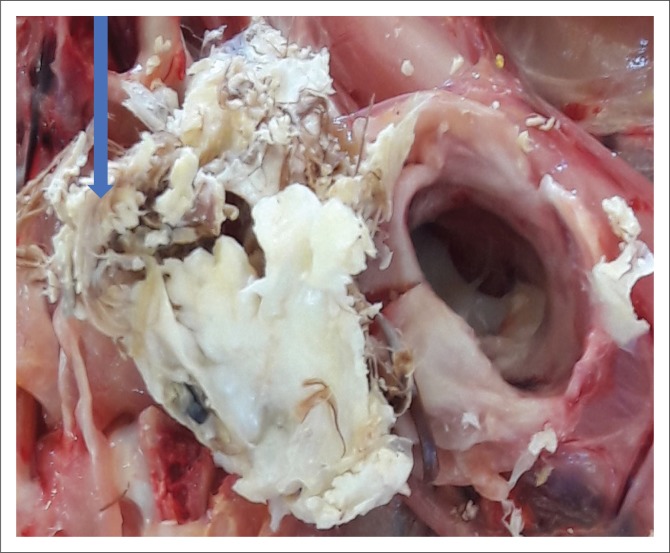
Credit: bitchinchickens.com
Frequently Asked Questions
What Causes Feather Cysts In Birds?
Feather cysts form when feathers fail to emerge properly from follicles. This leads to trapped feathers inside a cyst. Causes include genetics, trauma, infections, or poor grooming. Understanding these helps in proper treatment and prevention.
How Can I Identify A Feather Cyst On My Bird?
A feather cyst appears as a soft, raised lump under the skin. It often contains trapped feathers and may cause discomfort. Regularly check your bird’s feathers for unusual bumps or swelling to catch cysts early.
What Are The Best Treatment Options For Feather Cysts?
Treatment varies by cyst size and severity. Small cysts may heal naturally or with gentle care. Larger or infected cysts often require veterinary removal or antibiotics. Prompt treatment prevents complications and promotes bird health.
Can Feather Cysts Affect A Bird’s Overall Health?
Yes, untreated cysts can cause pain, infection, or affect mobility. They may also lead to feather loss and stress. Early detection and treatment are essential to maintain your bird’s well-being.
Conclusion
Treating feather cysts in birds takes patience and care. Regularly check your bird’s feathers for any lumps. Keep the affected area clean to avoid infection. Consult a vet for proper diagnosis and treatment options. Some cysts may need gentle removal by a professional.
Watch your bird’s behavior and health closely during recovery. Early care helps prevent complications and keeps your bird comfortable. Taking small steps can make a big difference in your bird’s health. Caring for feather cysts shows love and responsibility for your pet.




