
Are birds nesting around your house and causing trouble? You’re not alone.
Birds can damage your property, create noise, and leave a mess that’s hard to clean. But how do you get rid of them without harming the birds or your home? You’ll discover simple, effective ways to remove birds from your house safely and permanently.
Keep reading to protect your space and enjoy a peaceful, bird-free environment.
Common Bird Problems At Home
Birds visiting your home might seem harmless at first, but their presence can quickly turn into a persistent problem. Understanding the common issues birds cause will help you address them effectively. Let’s look at the types of birds that tend to invade homes and the risks these infestations bring.
Types Of Birds That Invade Houses
Some birds are more likely to make your home their temporary or permanent spot. Pigeons, sparrows, starlings, and swallows top the list. These birds find cozy nooks in attics, eaves, vents, and chimneys to build nests.
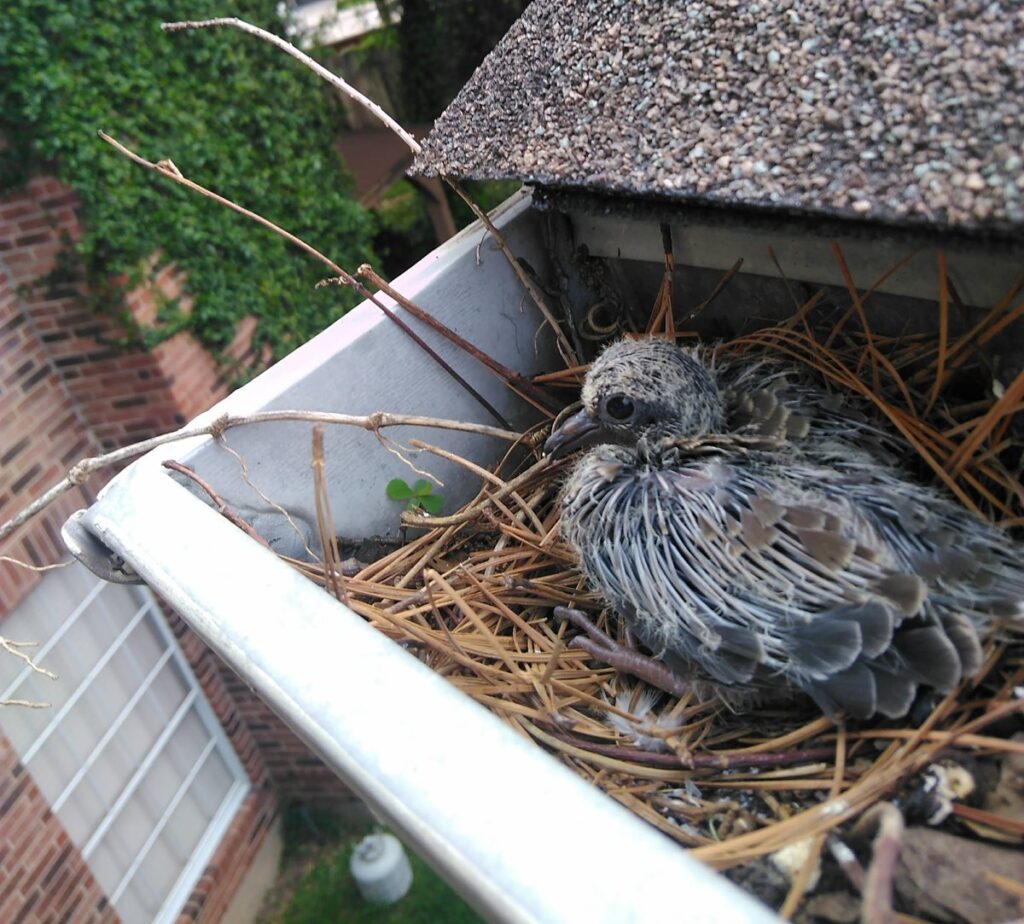
You might notice pigeons roosting on ledges or sparrows nesting in vents. Starlings are notorious for taking over gutters and roof spaces. Swallows prefer open spaces under eaves for their mud nests. Recognizing which bird you’re dealing with helps you choose the right removal strategy.
Risks Of Bird Infestations
Birds bring more than just noise and mess. Their droppings can damage paint, wood, and metal, leading to costly repairs. Droppings also carry diseases like histoplasmosis and salmonella, which can affect your family’s health.
Nests often block ventilation or drainage systems, causing moisture buildup and structural issues. Have you ever wondered how a few birds can cause such damage? It’s not just about the birds themselves but what they leave behind.
Additionally, their constant chirping and fluttering can disrupt your peace, especially early in the morning. Don’t wait until the problem escalates—spotting these risks early can save you stress and money.

Credit: www.familyhandyman.com
Preventive Measures To Keep Birds Away
Preventing birds from nesting or roosting in your home is key to avoiding future problems. Taking simple steps can stop birds from making your house their home. These measures protect your property and keep birds at a safe distance.
Sealing Entry Points
Birds enter homes through small gaps and holes. Check vents, eaves, and roof edges for openings. Use wire mesh or caulk to close these spaces. Make sure doors and windows fit tightly. Sealing entry points denies birds access to indoor areas.
Removing Food Sources
Birds come where food is easy to find. Keep outdoor trash bins covered and clean. Avoid leaving pet food outside. Clean up fallen fruits and seeds in the yard. Without food, birds have less reason to visit your home.
Maintaining Cleanliness
Birds prefer dirty places with leftover food or nesting material. Sweep patios and porches regularly. Remove old nests and droppings promptly. Trim tree branches close to the house. A clean area discourages birds from settling nearby.
Safe Deterrent Methods
Safe deterrent methods keep birds away without harming them or your home. These techniques create an environment that birds find uncomfortable. They encourage birds to leave naturally and avoid returning. Using humane methods protects local wildlife and follows legal guidelines.
Visual Deterrents
Visual deterrents use objects that scare birds by sight. Reflective tape or shiny objects confuse birds. They see quick movements or flashes and feel threatened.
- Hanging shiny CDs or aluminum foil strips
- Placing plastic owls or hawk decoys
- Using moving pinwheels or wind socks
Changing the placement often keeps birds guessing. Birds get used to static objects quickly. Visual deterrents work best in open spaces near windows or roofs.
Sound-based Repellents
Sound-based repellents use noises to frighten birds. These sounds mimic predators or distress calls. The noise makes birds feel unsafe and want to leave.
- Ultrasonic devices that humans cannot hear
- Recorded predator calls played through speakers
- Noise makers like wind chimes or bells
Keep sounds varied to avoid bird habituation. Use sound devices during bird active hours. Sound repellents can be combined with other deterrents.
Use Of Scare Devices
Scare devices rely on movement or appearance to frighten birds. They create a sense of danger nearby. Birds prefer safer spots and stay away.
- Mechanical scarecrows with moving parts
- Laser lights that move unpredictably
- Balloon eyes that mimic predator eyes
Place scare devices where birds gather most. Move devices regularly to maintain effectiveness. These tools offer a chemical-free way to protect your home.

Credit: thelintking.com
Humane Bird Removal Techniques
Humane bird removal uses gentle methods that keep birds safe while protecting your home. Techniques include bird nets, spikes, and sound deterrents to encourage birds to leave naturally. These solutions avoid harm and help maintain a peaceful environment around your house.
Birds can sometimes find their way into our homes, causing chaos and inconvenience. While it might be tempting to take drastic measures, it’s essential to prioritize humane bird removal techniques. These methods ensure the safety and wellbeing of our feathered friends while effectively resolving your bird problem. Let’s explore some compassionate strategies to guide these unexpected guests back to their natural habitat.Trapping And Relocating
Trapping and relocating is a gentle approach to bird removal. You’ll need a humane trap designed specifically for birds, which you can often find at pet stores or online. Place the trap in an area where birds frequently gather, using seeds or bread crumbs as bait. Once captured, release the bird in a suitable environment far from your home to prevent its return. Isn’t it fascinating how a simple, strategic placement can resolve such a problem? Remember, patience is key, as birds can be cautious.Using Bird Netting
Bird netting acts as a barrier, preventing birds from entering unwanted areas. It’s particularly useful for open spaces like balconies or vents. Install the netting securely, ensuring there are no gaps that birds can squeeze through. This solution is not only humane but also long-term, keeping your home bird-free without causing harm. Have you ever considered how a simple net could protect your living space so effectively? It’s a straightforward solution with lasting results.Professional Help
Sometimes, the simplest solutions are best left to the experts. Professional wildlife removal services are trained to handle bird intrusions humanely and efficiently. These professionals can assess your situation and implement strategies that suit your specific needs. They also offer advice on preventing future incidents, giving you peace of mind. Isn’t it reassuring to know that help is just a call away when you’re in over your head? Let the experts handle it, and focus on enjoying your bird-free home.Legal And Ethical Considerations
Removing birds from your house requires care and respect for the law. Many birds are protected by rules that stop harm or disturbance. Ignoring these laws can cause fines or legal trouble. Ethical actions help keep wildlife safe and maintain nature balance.
Protected Bird Species
Some birds have special protection by law. These birds cannot be harmed, trapped, or removed without permission. Common protected species include:
- Songbirds
- Raptors like hawks and owls
- Waterfowl such as ducks and geese
Before taking any action, check if the bird is on the protected list. Disturbing nests or young birds is often illegal. Respecting these rules helps bird populations stay healthy.
Local Wildlife Regulations
Local laws control how to manage birds on your property. These laws vary by city, state, or country. Some places require permits for bird removal or specific methods to be used.
Contact local wildlife agencies or animal control for guidance. They provide safe and legal ways to handle bird problems. Following regulations protects you and the birds.
Long-term Bird Control Strategies
Keeping birds away from your home requires more than quick fixes. Long-term bird control strategies help prevent birds from settling and causing damage. These strategies focus on making your property less attractive and staying alert to changes.
Habitat Modification
Birds choose homes based on food, shelter, and safety. Changing these factors can discourage them from nesting.
- Remove food sources like open trash or bird feeders near the house.
- Trim trees and shrubs close to the building to reduce shelter.
- Seal gaps, vents, and holes where birds might enter or nest.
- Use materials that birds dislike, such as slippery surfaces or reflective objects.
These changes make the environment less inviting. Birds will look elsewhere for a home.
Ongoing Monitoring And Maintenance
Regular checks help catch bird activity early. This stops problems before they grow.
- Inspect roofs, eaves, and ledges monthly for nests or droppings.
- Clean bird droppings and nesting materials promptly.
- Fix damaged screens and vents to block access points.
- Replace or repair deterrents like spikes or netting as needed.
Consistent care keeps birds from returning. It protects your home and maintains a clean space.
Credit: www.crittercontrol.com
Frequently Asked Questions
How Can I Safely Remove Birds From My House?
Use humane deterrents like bird spikes, netting, or reflective objects. Avoid harming birds and seal entry points to prevent return.
What Are Effective Bird Repellents For Home Use?
Common repellents include ultrasonic devices, scare balloons, and gel repellents. Choose non-toxic options to ensure safety for birds and humans.
Why Do Birds Nest On Houses?
Birds seek shelter, warmth, and safety. Roofs and eaves offer ideal nesting spots, especially in urban areas with fewer natural habitats.
Can I Remove Bird Nests Legally From My Home?
Laws vary by region. Generally, avoid removing active nests during breeding season to comply with wildlife protection regulations.
Conclusion
Removing birds from your house needs patience and care. Use safe methods to avoid harm to the birds and yourself. Seal entry points and keep your home clean to prevent returns. Regular checks help catch problems early. Remember, gentle actions work best.
Protect your home while respecting nature. Stay consistent and watch the results. A bird-free house means peace and comfort for everyone.




