
Are you tired of bees swarming around your bird feeders and chasing away the birds you want to enjoy? It can be frustrating when these buzzing visitors turn your peaceful backyard into a noisy battleground.
But don’t worry—you don’t have to give up on feeding your feathered friends. You’ll discover simple and effective ways to keep bees away from your bird feeders. By following these tips, you’ll create a safe space where birds can gather without the unwanted buzz of bees.
Keep reading to learn how to protect your feeders and enjoy your backyard birdwatching once again.

Credit: www.countryliving.com
Why Bees Are Attracted To Bird Feeders
Bird feeders are popular for attracting colorful birds to gardens. Yet, bees often visit these feeders too. Understanding why bees come to bird feeders helps manage their presence effectively.
Bees are naturally drawn to sources of sugar and nectar. Bird feeders sometimes provide easy access to these sweet treats. This makes feeders attractive to bees searching for food.
Sweet Seeds And Nectar
Some bird seeds have sugary coatings or contain natural sugars. These sweet seeds attract bees looking for quick energy. Seeds with sunflower, millet, or safflower often have sugary parts.
Nectar is another reason bees visit feeders. Certain bird feeders use nectar solutions to attract hummingbirds. Bees find these sugary liquids irresistible and gather around the feeders.
Common Feeder Designs That Attract Bees
Many bird feeders have open designs that allow easy bee access. Platforms or trays hold seeds exposed to the air. Bees land and collect sugars without much trouble.
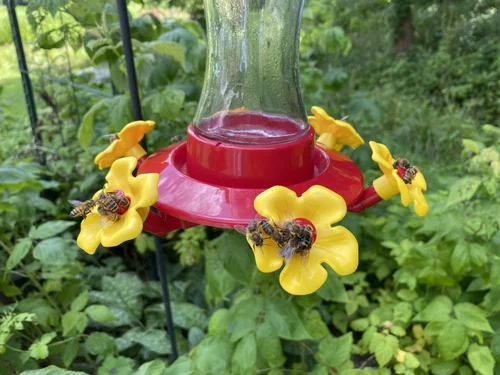
Nectar feeders often have shallow cups or tubes. Bees easily reach the sweet liquid inside. Red or brightly colored feeders attract both hummingbirds and bees.
Feeders without bee guards or barriers invite more bees. Simple designs do not block bees from the food source. This increases their visits and potential problems for bird watchers.
Choose Bee-resistant Feeders
Choosing the right bird feeder can make a big difference in keeping bees away. Some feeders are specially designed to discourage bees without harming the birds you want to attract. Paying attention to the feeder’s features can save you time and frustration.
Feeders With Bee Guards
Bee guards are small protective barriers that block bees from reaching the nectar ports. These guards don’t stop birds from feeding but make it tricky for bees to access the sweet liquid. You might notice a thin plastic or metal mesh around the feeding holes—this simple addition can reduce bee visits significantly.
Think about the last time you set up a feeder and saw bees swarming it. A feeder with built-in bee guards could have prevented that hassle. Would you prefer a feeder that actively keeps bees out, or one that relies on your constant monitoring?
Designs That Limit Access To Nectar
Feeders designed to limit nectar access often have smaller feeding ports or recessed feeding areas. These designs make it easy for birds to reach the nectar but difficult for bees, which are smaller and less able to navigate tight spaces. Some models even use weight-sensitive perches that open feeding ports only when a bird lands.
Choosing a feeder with these thoughtful design features means less cleaning and fewer interruptions to your birdwatching. Have you ever considered how feeder design affects not just the birds, but the unwanted visitors too?
Feed Placement Strategies
Placing your bird feeder thoughtfully can make a big difference in keeping bees away. The right spot can reduce bee visits naturally without harmful sprays or barriers. Let’s look at smart ways to position your feeder so birds enjoy their treat without unwanted buzzing guests.
Location Away From Flowering Plants
Bees are naturally drawn to flowers for nectar, so placing your bird feeder far from blooming plants can reduce their interest. If your feeder is close to a garden full of bright flowers, bees will likely swarm both spots.
Try moving the feeder to a part of your yard where there are fewer or no flowering plants nearby. This simple change can help redirect the bees’ attention away from the feeder and back to their natural food sources.
Height And Distance Considerations
The height of your bird feeder matters. Placing it higher or lower than typical flower levels can confuse bees, making it harder for them to find the feeder.
Keep your feeder at least 5 to 6 feet off the ground and away from bushes or shrubs where bees like to rest. Also, distance the feeder from bee nests if you know where they are.
Have you noticed that bees tend to hover around certain heights? Experiment with moving your feeder up or down and watch how the bee activity changes. Sometimes, a small adjustment in height can make a big difference.

Credit: www.hummingbirdsociety.org
Use Natural Bee Repellents
Using natural bee repellents is a smart way to keep bees away from your bird feeders without harming them or the environment. These repellents gently encourage bees to move on, allowing birds to feed peacefully. Plus, they’re easy to use and often involve ingredients you might already have at home or can easily grow in your garden.
Essential Oils That Deter Bees
Essential oils can be powerful tools to keep bees at bay. Oils like peppermint, eucalyptus, and citronella have strong scents that bees dislike. Simply mix a few drops with water in a spray bottle and mist around your bird feeder area.
Try this: I sprayed peppermint oil near my feeders, and within a day, I noticed fewer bees buzzing around. The birds seemed just as happy, which shows how effective this method can be.
Keep in mind, you might need to reapply the spray every few days, especially after rain. Also, avoid spraying directly on the feeders to protect your feathered friends.
Herbs And Plants To Plant Nearby
Planting certain herbs and flowers near your bird feeders can naturally discourage bees. Plants such as mint, basil, and marigolds have scents that bees tend to avoid.
Imagine sitting near your feeder surrounded by fresh basil and marigolds, watching birds feed without a single bee in sight. It’s not just pleasant—it’s a practical way to create a bee-free zone.
Consider creating a small herb garden close to your feeding area. This not only helps keep bees away but also gives you fresh herbs for your kitchen. Have you thought about how your garden’s layout might influence the wildlife it attracts or repels?
Maintain Feeder Cleanliness
Maintaining feeder cleanliness keeps bees away from bird feeders. Clean feeders reduce the attraction for bees. They are drawn to spilled seeds and nectar. Ensuring cleanliness is crucial to prevent bees from swarming.
Removing Spilled Seeds And Nectar
Regularly check the area around the feeder for spills. Bees are attracted to spilled seeds and nectar. Quickly clean up any spills to deter them. Use a brush or broom to gather and remove spilled seeds. Wipe away any nectar that drips onto surfaces.
Regular Feeder Cleaning Tips
Clean your feeder at least once a week. Use a mild soap and warm water solution. Rinse thoroughly to remove soap residue. Allow the feeder to dry completely before refilling. This routine helps keep bees away from the bird feeder.
Credit: www.homesweetbees.com
Alternative Feeding Options For Birds
Bird enthusiasts often face the challenge of keeping bees away from bird feeders. Bees are attracted to the sugary contents, making it tricky for birds to feed peacefully. Offering alternative feeding options for birds can help. Let’s explore some effective strategies.
Using Seed Types Less Attractive To Bees
Choose seeds that bees find unappealing. Black oil sunflower seeds are a great choice. They are high in oil and very nutritious for birds. Safflower seeds also work well. Bees tend to ignore these seeds, allowing birds to enjoy their meal undisturbed.
Providing Water Sources Separate From Feeders
Bees often seek out bird feeders for their moisture. To deter them, provide a separate water source. Use shallow dishes or birdbaths. Place them away from bird feeders. This can satisfy bees’ thirst without disturbing the birds.
Behavioral Tips To Discourage Bees
Behavioral tips can make a big difference in keeping bees away from your bird feeders. Instead of relying solely on physical barriers or chemicals, small changes in how and when you maintain your feeder can reduce bee visits. These adjustments create an environment less attractive to bees without disturbing the birds you want to feed.
Timing Feeder Refills
Refilling your bird feeder at certain times of the day can help avoid attracting bees. Bees are most active during the warmest parts of the day, usually late morning to early afternoon. Try refilling early in the morning or late in the evening when bee activity is lower.
By doing this, you minimize the chance of fresh nectar or sugar water drawing bees in. Also, cleaning the feeder during these off-peak hours prevents leftover nectar from fermenting and attracting more insects. Have you noticed bees swarming more after a midday refill? Adjusting timing might solve that.
Minimizing Nectar Residue
Sticky nectar spills are a bee magnet. Wiping down your feeder regularly to remove any drips or residue helps reduce bee visits significantly. Use a damp cloth or sponge to clean the feeding ports and surrounding areas daily.
Consider placing a tray or dish underneath the feeder to catch spills. This makes cleanup easier and stops sugary puddles from forming on the ground. If you’ve ever seen bees cluster around a feeder, chances are they found leftover nectar outside the feeding holes.
Keeping your feeder spotless sends a clear message that there’s no easy food source. How often do you check your feeder for sticky spots? Making it a daily habit can save you from a buzzing bee problem.
Frequently Asked Questions
How Can I Prevent Bees From Swarming Bird Feeders?
Keep feeders clean and dry to discourage bees. Use bee guards or bee-proof feeders. Place feeders away from flowering plants to reduce attraction.
What Types Of Bird Feeders Repel Bees Effectively?
Opt for feeders with bee guards or bee-proof ports. Tube feeders with small feeding holes limit bee access. Avoid feeders with sugary liquids that attract bees.
Why Do Bees Get Attracted To Bird Feeders?
Bees are drawn to sugary liquids in feeders, like nectar or juice. Birdseed with sweet coatings or spilled seeds also attract them. Moisture and warmth around feeders can increase bee activity.
Can Natural Repellents Keep Bees Away From Feeders?
Yes, natural repellents like peppermint oil or cucumber peels can deter bees. Apply them near feeders but not on feeding ports. These scents disrupt bee navigation and discourage landing.
Conclusion
Keeping bees away from bird feeders takes patience and simple steps. Place feeders away from flowers to reduce bee visits. Use bee-proof feeder designs to block their access. Clean feeders regularly to avoid sticky residues that attract bees. Try using bee deterrents like vinegar or essential oils safely.
Watch your feeders daily and adjust as needed. Enjoy watching birds without the buzz of bees nearby. Small changes make a big difference in your garden’s peace. Stay consistent, and your bird feeding experience will improve.




