
Have you ever wanted to create a unique drawing that stands out? Learning how to draw a soda from a bird’s eye view is a fun and creative skill you can master quickly.
Imagine capturing the top of a fizzy soda can, showing its shape and details like you’re looking down from above. This simple perspective adds a fresh twist to your art and impresses anyone who sees it. In this guide, you’ll discover easy steps that make the process clear and enjoyable.
Ready to surprise yourself with your drawing skills? Let’s get started!
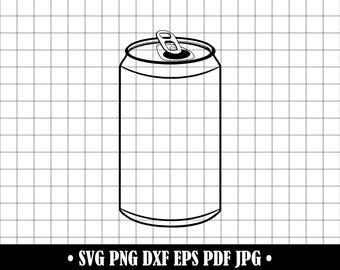
Credit: www.etsy.com
Materials Needed
Drawing a soda can from a bird’s eye view requires some simple materials. These tools help you create accurate shapes and details.
Gathering the right supplies before you start will make your drawing process smoother and more enjoyable.
Drawing Tools
You need pencils and erasers to sketch and correct your drawing. Different pencil types help create light and dark lines.
- Graphite pencils (HB, 2B, 4B)
- Kneaded eraser for gentle corrections
- Regular eraser for clean erasing
- Sharpener to keep pencil tips fine
Paper Options
Choose paper that can handle your drawing medium well. Smooth surfaces work best for pencil drawings of soda cans.
| Paper Type | Description | Recommended Weight |
| Sketch Paper | Lightweight, smooth texture | 50-70 gsm |
| Drawing Paper | Thicker, good for shading | 90-110 gsm |
| Bristol Board | Very smooth, heavy paper | 200+ gsm |
Additional Supplies
Extras can improve the quality of your drawing. Use these items for better lines and colors.
- Ruler for straight edges
- Compass or circular stencil for round shapes
- Colored pencils or markers for adding color
- Blending stump to smooth shading

Credit: www.wikihow.com
Sketching The Basic Shape
Drawing a soda can from a bird’s eye view starts with simple shapes. Begin by sketching the main forms before adding details.
This approach helps you keep proportions right and creates a strong base for your drawing.
Drawing The Circle Top
Start by drawing a circle to represent the top of the soda can. Use a light hand to make it easy to adjust later.
The circle should be slightly oval if you want a natural perspective. This shows the can from above but at an angle.
- Use a compass or a round object to trace a smooth circle
- Keep the shape light and simple
- Make the circle slightly wider if drawing at an angle
Outlining The Cylinder Body
Next, draw two vertical lines down from the edges of the circle. These lines form the sides of the soda can.
Connect the bottom of these lines with a curved line to close the shape. This creates the cylindrical body seen from above.
- Keep the vertical lines parallel and even in length
- Curve the bottom line slightly to match the circle’s shape
- Make sure the body looks balanced under the top circle
Adding Details On The Lid
Drawing a soda can from a bird’s eye view shows the top lid clearly. Adding details makes your drawing look real. Focus on the small parts and shading to bring life to the lid.
Two key areas to add details are the can tab and the lid surface. Each part has unique shapes and shadows. Let’s explore how to draw each one carefully.
Creating The Can Tab
The can tab is the small metal piece used to open the soda. It sits on top of the lid and has a round hole and a raised edge. Drawing it correctly adds realism to your artwork.
- Draw a rounded rectangle for the tab shape.
- Add a circle near one end for the hole.
- Sketch a small raised edge on the opposite side.
- Connect the tab to the lid with a slight curve.
- Use light lines first to place the tab correctly.
Shading The Lid Surface
Shading shows the lid’s round shape and metal texture. It gives depth and shows where light hits and where shadows fall. Smooth shading works best for metal surfaces.
| Area | Shading Tip |
|---|---|
| Center of Lid | Use soft, light shading to show reflection. |
| Edges | Darken edges slightly to show curvature. |
| Under the Tab | Add shadows to show the tab lifts off the lid. |
| Tab Surface | Shade with smooth gradients to mimic metal shine. |
Designing The Soda Label
Designing a soda label is an important part of drawing a soda from a birds eye view. The label shows the soda’s brand and style. It makes the soda look real and eye-catching.
The label should fit the round shape of the soda can. You can add logos, text, and patterns to make it unique and clear.
Placing The Logo
The logo is the main symbol of the soda brand. Put it near the center of the label so it stands out. Make sure it is not too big or too small.
Keep the logo clear and easy to see from above. Use simple shapes and colors that match the soda’s style.
Adding Text And Patterns
Add the soda name and flavor using easy-to-read fonts. Place the text around the logo or below it. Use short words to keep it simple.
Use patterns like stripes, dots, or waves to fill empty spaces. Patterns make the label look lively and fun. Make sure patterns do not cover the logo or text.
- Choose fonts that match the soda’s mood
- Use colors that contrast with the background
- Keep patterns simple and repeat evenly
- Leave space between text and patterns
Incorporating Light And Shadow
Drawing a soda can from a bird’s eye view looks great with the right light and shadow. Light and shadow help make the soda look real and three-dimensional.
Using light and shadow correctly shows the shape and details of the soda can. It also makes the drawing more interesting to look at.
Highlighting Curves
The soda can has smooth, round curves. Adding highlights shows these curves clearly. Highlights are bright spots where light hits the can directly.
Place the highlights on the edges or middle of the curves. This makes the can look shiny and metal-like. Use soft, small shapes for these bright spots.
- Look for the light source direction
- Draw bright spots on curved surfaces
- Use soft edges for highlights
- Keep highlights small for realism
Creating Depth With Shadows
Shadows give the soda can depth and weight. They show parts of the can that are away from the light. Shadows make the drawing look three-dimensional.
Use darker tones on the sides and bottom of the can. Add soft shadows inside the top rim to show its round shape. Shadows should blend gently with the lighter areas.
- Shade the edges away from the light source
- Use soft gradients for smooth shadows
- Add inner shadows to the top rim
- Balance shadows with highlights for depth
Final Touches
Adding the last details makes your soda drawing look complete. These final steps improve the drawing’s clarity and appeal.
Focus on cleaning your lines and choosing colors that fit the soda’s look. These small changes make a big difference.
Refining Lines
Go over your sketch lines carefully to clean and sharpen them. Use a fine pen or digital brush for smooth lines.
- Erase any extra or overlapping lines gently.
- Make important outlines darker to highlight the soda cup shape.
- Add subtle details like bubbles or condensation drops.
- Check symmetry from the top view to keep the drawing balanced.
Adding Color
Pick colors that show the soda’s flavor and material clearly. Use shading to add depth and realism.
| Color | Use | Example |
| Dark Brown | Soda liquid | Cola drink |
| White or Light Gray | Cup highlights and foam | Plastic cup shine |
| Red or Bright Color | Straw or label | Straw detail |
| Blue or Transparent | Cup shadows | Plastic transparency |

Credit: www.youtube.com
Frequently Asked Questions
How Do I Start Drawing A Soda From A Bird’s Eye View?
Begin by sketching a perfect circle to represent the soda can’s top. Then, add the inner details like the tab and rim for accuracy.
What Tools Help Draw Soda From A Bird’s Eye View?
Use a compass for circles and fine liners for details. Pencil and eraser help refine the sketch before inking.
How To Add Realistic Shading To A Soda Drawing?
Observe light sources carefully. Shade the can’s curves with soft pencil strokes to create depth and a metallic look.
What Colors Suit A Bird’s Eye View Soda Drawing?
Use metallic colors like silver or aluminum gray. Add highlights and shadows with darker and lighter shades for realism.
Conclusion
Drawing a soda from a bird’s eye view is fun. It offers a new perspective. Start with simple shapes. Use circles and lines. Add details like the rim and bubbles. Keep practicing for improvement. Mistakes help you learn. Enjoy the process and be patient.
Your skills will grow over time. Share your artwork with friends. They will appreciate your creativity. Remember, art is about expression. Not perfection. So grab your pencil and start drawing. Embrace your unique style. Each drawing tells a story. Let yours be heard.
Happy drawing!




