
Have you ever found your bird feeder mysteriously emptied overnight? You might be wondering if raccoons are the sneaky culprits behind this.
These clever creatures are known for their climbing skills, but can raccoons really climb bird feeders? If you want to protect your feathered friends and keep your bird food safe, understanding raccoon behavior is key. Keep reading to discover how raccoons interact with bird feeders and what you can do to stop them in their tracks.
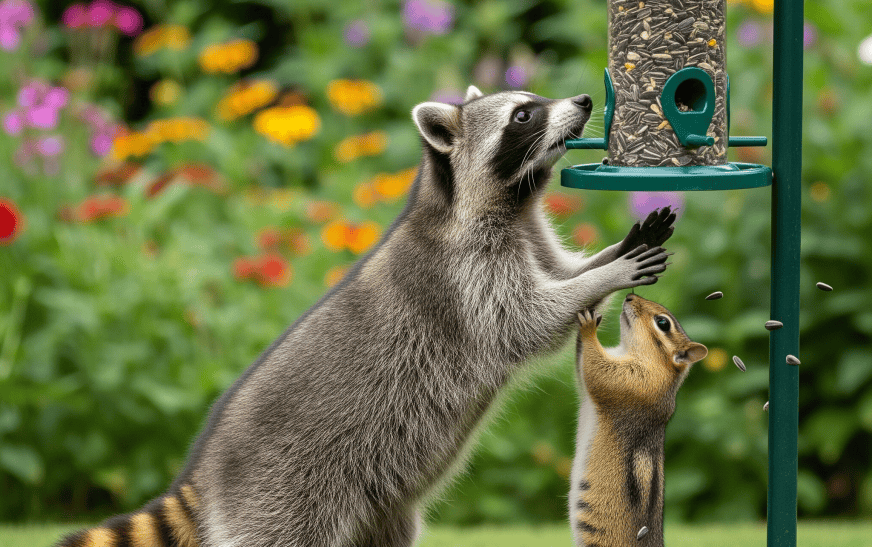
Credit: squirrelsinfo.com
Raccoon Climbing Skills
Raccoons are surprisingly skilled climbers, which often brings them into direct contact with bird feeders. Their ability to scale various surfaces allows them to reach food sources that many other animals cannot. Understanding their climbing skills can help you protect your feeders and keep raccoons at bay.
Physical Traits That Help Climbing
Raccoons have sharp, curved claws that give them a strong grip on tree bark, poles, and even smooth surfaces. Their flexible front paws work like human hands, enabling them to grasp and hold onto objects firmly.
They also possess strong hind legs that provide the power needed to propel themselves upward. Their lightweight but muscular bodies make it easier to balance and maneuver on narrow or unstable surfaces.
Common Climbing Behaviors
Raccoons often use a combination of jumping and climbing when approaching bird feeders. They may leap from nearby branches or fences to get closer to the feeder before climbing directly onto it.
They prefer to climb vertically but are also known to shimmy sideways along poles or wires. You might notice raccoons testing the feeder’s stability by grabbing and pulling before fully committing to climbing it.
Have you ever seen a raccoon pause mid-climb to look around? This cautious behavior helps them avoid predators while focusing on their goal.
Types Of Bird Feeders
Bird feeders come in many shapes and designs, each attracting different kinds of birds. But not all feeders are raccoon-proof. Choosing the right type can make a big difference in keeping your feathered friends safe and your feed intact.
Feeders Easily Accessed By Raccoons
Platform feeders and hopper feeders are simple designs that raccoons love to raid. They offer easy access since they have open trays or large feeding areas where raccoons can simply climb or reach in.
Tube feeders with perches can also be vulnerable. Raccoons are excellent climbers and can hang from these perches to grab seeds. If the feeder is hanging low or close to a tree, it becomes an easy target.
Do you have a feeder close to a structure or tree branch? That might be an open invitation for raccoons to climb down and snack. Consider your feeder’s placement carefully.
Raccoon-resistant Feeders
Feeders with weight-sensitive perches are designed to close access when heavier animals like raccoons land on them. This feature allows birds to feed freely while blocking larger creatures.
Caged feeders are another good option. The metal cage keeps raccoons out but lets small birds in. These are especially useful if you want to protect expensive seed mixes.
Some feeders use baffles—dome-shaped or cone-shaped guards placed above or below the feeder. These prevent raccoons from climbing down or up to the feeder. Have you tried adding a baffle to your setup?
How Raccoons Reach Bird Feeders
Raccoons are surprisingly skilled climbers, which makes protecting your bird feeders a real challenge. Understanding how these clever animals reach bird feeders can help you think of better ways to keep them away. Let’s look closely at the tricks raccoons use to get to those tasty seeds.
Climbing Poles And Supports
Raccoons use their strong claws to grip and climb poles and supports that hold up bird feeders. They can easily scale rough or wooden surfaces, so a simple pole might not stop them. Smooth metal poles can slow them down, but even then, raccoons are persistent and may find ways to climb nearby trees or structures to reach the feeder.
Have you noticed if your feeder’s pole is near a tree or fence? That could be an open invitation to raccoons. Adding a baffle or a smooth, slippery cover around the pole can make climbing much harder for these animals.
Jumping And Leaping Abilities
Raccoons can jump surprisingly far, sometimes up to 5 feet horizontally. This means they don’t always need to climb directly up the feeder pole—they can leap from nearby branches or ledges. If your feeder is close to a tree branch or balcony, raccoons might just take a flying jump to reach it.
Think about the placement of your feeder: is it within jumping distance of anything that raccoons could use as a launch pad? Moving feeders away from these spots or trimming nearby branches can reduce their chances of reaching your bird food.
:max_bytes(150000):strip_icc()/GettyImages-2127194441-cb7cb448aa164688aee85075217155d4.jpg)
Credit: www.thespruce.com
Signs Of Raccoon Visits
Spotting raccoon visits to your bird feeder can save you from bigger damage and frustration. These clever creatures are skilled climbers and can cause quite a mess. Knowing the signs can help you act quickly to protect your feeder and keep the birds happy.
Damage To Feeders
Raccoons don’t just nibble—they often tear apart feeders to get to the seeds inside. You might notice chew marks or scratches on the poles or around the feeding ports. Sometimes, feeders hang crooked or broken after a visit, signaling a raccoon’s handiwork.
If you see bent metal parts or cracked plastic, it’s a strong hint that a raccoon has been testing its strength on your feeder. Have you checked your feeder recently for these signs? Catching this early can help you reinforce or replace your feeder before the damage worsens.
Scattered Birdseed And Droppings
Another clear sign of raccoon visits is seed spilled all around the feeder. Raccoons aren’t neat eaters; they often toss seed to the ground while digging in. This leftover seed can attract other unwanted visitors too.
Look for raccoon droppings near the feeder—these are usually tubular with blunt ends and may contain bits of seed or insect shells. Spotting droppings is a strong indicator that raccoons have been feasting nearby. Are you ready to inspect your feeding area for these telltale signs?
Preventing Raccoon Access
Raccoons are clever climbers and often target bird feeders for an easy meal. Preventing their access helps protect your bird food and keeps raccoons safe from harmful encounters. Using smart strategies can reduce raccoon visits without disturbing the birds you want to feed.
Physical Barriers And Guards
Install guards around feeder poles to block raccoons. Use metal or plastic baffles shaped like cones or cylinders. These create slippery surfaces that raccoons cannot climb. Secure feeders with cages or cages with small openings. This allows birds to feed but keeps raccoons out. Regularly check for gaps or damage in barriers and fix them quickly.
Feeding Schedule Adjustments
Feed birds during daylight hours only. Raccoons are mostly active at night and dawn. Removing food at sunset limits raccoon access. Clean spilled seeds daily to avoid attracting raccoons. Avoid leaving extra food on the ground. This reduces the chance of raccoons finding a meal near your feeder.
Safe Placement Tips
Place feeders away from trees, fences, or roofs. Raccoons use these as jumping points to reach feeders. Keep feeders at least 10 feet from any launch spots. Use poles at least 5 feet tall for mounting feeders. Avoid hanging feeders on low branches where raccoons can easily climb. Clear surrounding areas to reduce hiding spots for raccoons.
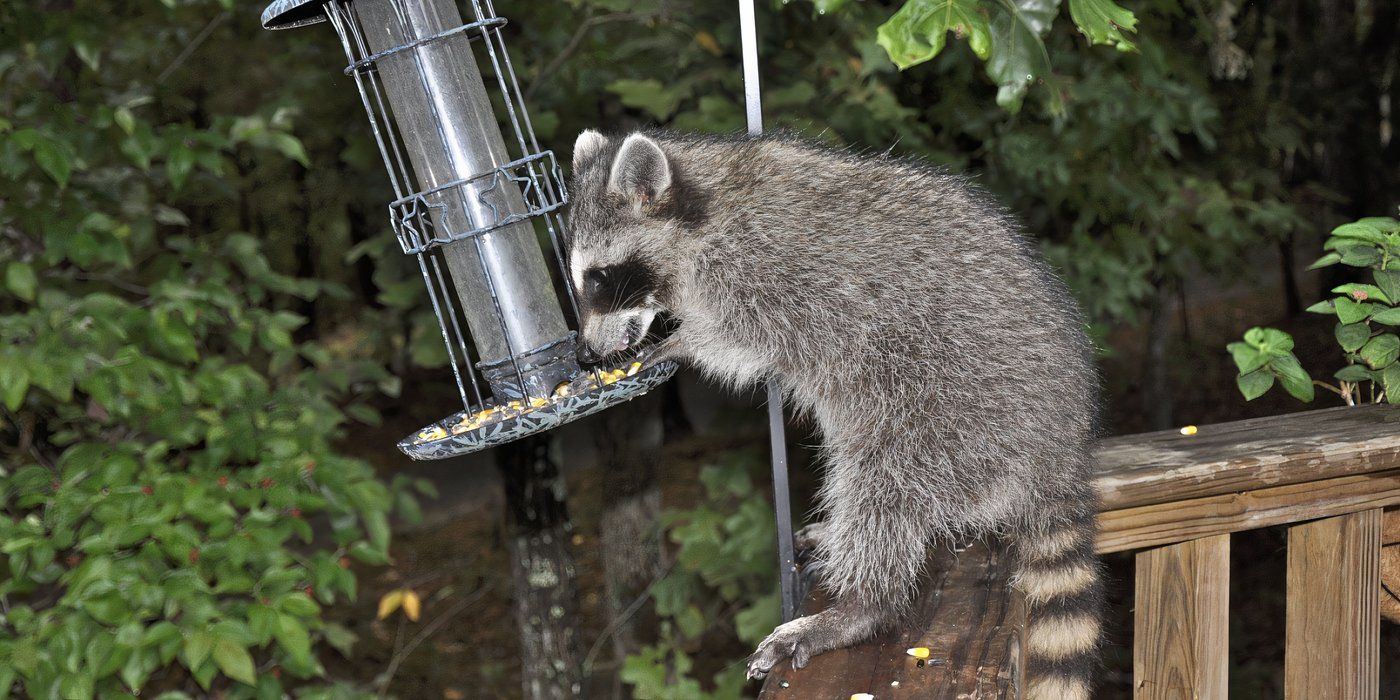
Credit: www.backyardboss.net
Frequently Asked Questions
Can Raccoons Climb Bird Feeders Easily?
Yes, raccoons are excellent climbers and can easily scale poles, trees, or structures to reach bird feeders for food.
Why Do Raccoons Target Bird Feeders?
Raccoons are attracted to bird feeders because they offer an easy food source filled with seeds and nuts.
How Can I Prevent Raccoons From Climbing Feeders?
Use baffles, place feeders away from trees, and secure feeders with raccoon-proof designs to deter climbing.
Are All Bird Feeders Vulnerable To Raccoon Climbing?
No, some feeders have special features that make them difficult for raccoons to access or climb.
Conclusion
Raccoons are excellent climbers and can reach many bird feeders. They often cause trouble by stealing bird food. Protecting your feeder needs smart steps. Use squirrel-proof or raccoon-proof designs. Place feeders away from trees or fences. Simple changes can keep raccoons away.
Enjoy watching birds without unwanted visitors. Stay patient and try different solutions. Your efforts help create a peaceful feeding space. Keep learning about raccoon habits for better results.




