
Have you ever wondered if using a camera flash could harm a baby bird? You might be thinking twice before snapping that quick photo during your next nature walk.
It’s natural to want to capture those precious moments, but what if your flash actually hurts the little one’s eyes? You’ll discover the surprising truth about camera flashes and baby birds. Keep reading to learn how you can protect these fragile creatures while still getting great shots.
Your next photo could make all the difference.
Impact Of Camera Flash On Baby Birds
Bright camera flashes can affect baby birds in several ways. Their eyes are still developing and are more delicate than adult birds. Sudden bright light may startle or confuse them. Understanding how baby birds react to camera flashes helps photographers and bird lovers respect their safety.
How Baby Birds React To Light
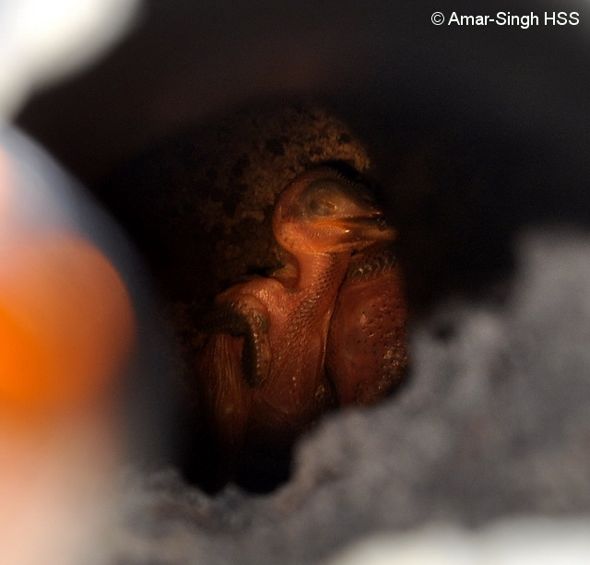
Baby birds often respond strongly to sudden light. Their eyes may close quickly to protect themselves. Some birds may become still or freeze. Others might try to hide deeper in the nest. Bright flashes can cause stress, making baby birds uncomfortable or scared.
Sensitivity Of Bird Eyes To Flash
Bird eyes are very sensitive to light. Baby birds have thinner eye structures, which increase sensitivity. A camera flash is much brighter than natural light they see every day. This brightness can temporarily blind or confuse them. Repeated flashes may harm their eye development over time.
Credit: besgroup.org
Scientific Studies On Flash Exposure
Scientific studies on flash exposure provide valuable insights into how camera flashes affect baby birds. Understanding these effects can help you take photos responsibly without causing harm. Let’s look at what research reveals about bird vision and the impact of flash intensity and duration.
Research Findings On Bird Vision
Birds have different visual systems compared to humans, with some species able to see ultraviolet light. Studies show their eyes are sensitive but also adapted to sudden changes in light. Baby birds, however, have more delicate eyes, which may react differently to bright flashes.
Research indicates that while adult birds can quickly adjust to flash exposure, baby birds might experience temporary discomfort. This discomfort does not typically result in permanent blindness, but the sudden light can cause stress. Have you ever noticed a baby bird blinking or closing its eyes suddenly? That’s a natural protective reaction.
Effects Of Flash Intensity And Duration
The strength and length of the camera flash matter a lot. High-intensity flashes or prolonged exposure can overwhelm a baby bird’s vision and increase stress levels. Short, low-intensity flashes are less likely to cause harm or lasting effects.
One study tested various flash intensities on young birds and found that brief flashes under 1/1000th of a second did not cause permanent damage. But repeated flashing or very bright light could lead to temporary vision impairment or behavioral changes. This means you should limit the number of photos and avoid using powerful flash settings near baby birds.
- Use natural light whenever possible to protect baby birds.
- Keep flash bursts short and infrequent if needed.
- Observe how the bird reacts and stop if it shows signs of distress.
How often do you consider the effects of your camera flash on wildlife? Taking a moment to adjust your settings can make a big difference in protecting these vulnerable creatures.
Common Myths About Flash And Baby Birds
Many people worry that using a camera flash might harm baby birds, especially by blinding them. This concern has led to a number of myths surrounding flash photography and its impact on young birds. Separating fact from fiction can help you enjoy bird photography responsibly without unnecessary fear.
Debunking The Blindness Myth
The idea that a camera flash can blind a baby bird is not supported by scientific evidence. Bird eyes are adapted to handle sudden changes in light, much like human eyes. A quick flash is more likely to startle them briefly than cause any lasting damage.
I once photographed a nest of baby robins using a flash and noticed they quickly settled down afterward. If the flash had caused harm, they wouldn’t have recovered so fast. This experience showed me that short bursts of light are unlikely to cause blindness.
However, it’s still important to avoid excessive or prolonged flashes, as they can stress the birds. Using natural light or diffused flash can minimize disturbance while keeping your photos clear.
Misconceptions From Birdwatching
Some myths come from well-meaning birdwatchers who believe any bright light near nests is harmful. These concerns often arise from confusing flash with other dangers like predators or harsh environmental conditions. Birds are actually quite resilient to occasional light flashes.
People sometimes assume that because baby birds have smaller, delicate eyes, they are more vulnerable. But bird development includes adapting to their natural surroundings, which often have sudden light changes like sun glare or shadows. Your flash is usually less intense than these natural effects.
Before you snap that photo, ask yourself: Is the flash necessary right now? Could you use natural light or a reflector instead? Being thoughtful about when and how you use flash can help protect the birds while still letting you capture their beauty.

Credit: fawkesfocus.com
Safe Photography Tips Around Nesting Birds
Photographing nesting birds requires care and respect for their space. Disturbing baby birds can cause stress or abandonment. Safe photography ensures you capture moments without harm. Follow these tips to protect the birds and enjoy your photography.
Minimizing Disturbance
Keep a good distance from nests to avoid scaring the birds. Use a zoom lens to capture close-up shots without getting too near. Move slowly and quietly around nesting areas. Avoid sudden movements or loud noises that might frighten the birds. Limit the time spent near nests to reduce stress. Observe bird behavior and stop if you notice signs of distress.
Alternative Lighting Techniques
Natural light works best for bird photography. Avoid using camera flash near nests, as it may startle baby birds. Use reflectors to enhance natural light without causing harm. Try shooting during early morning or late afternoon for soft, warm light. If extra light is needed, use low-intensity LED lights placed far from the nest. Always test lighting effects before approaching the birds.
Ethical Considerations For Wildlife Photographers
Ethical considerations guide wildlife photographers to protect animals and their homes. These rules help keep birds safe and habitats undisturbed. Respect and care are crucial when capturing images of baby birds. Photographers must balance their passion with the needs of wildlife.
Respecting Wildlife Habitats
Wildlife habitats are delicate. Disturbing nests or surroundings can harm birds. Avoid getting too close to baby birds or their nests. Use zoom lenses to capture images from a distance. Stay on marked paths to prevent habitat damage. Quiet movements reduce stress on animals. Flash use should be minimal to avoid startling birds.
Promoting Bird Conservation
Photography can support bird conservation efforts. Share photos that raise awareness about bird protection. Avoid posting exact nest locations to prevent poaching or disturbance. Support organizations that work to save birds and their habitats. Ethical photographers inspire others to value and protect wildlife. Responsible actions help ensure birds thrive for future generations.

Credit: digital-photography-school.com
Frequently Asked Questions
Can Camera Flash Harm A Baby Bird’s Eyesight?
No, a brief camera flash does not harm a baby bird’s eyesight. Birds have protective eye structures. However, avoid excessive flashes to prevent stress or discomfort.
How Does Flash Affect Baby Birds’ Behavior?
Flash can startle baby birds, causing temporary disorientation or distress. It does not cause lasting harm but should be used sparingly to minimize stress.
Is It Safe To Photograph Baby Birds With Flash?
Yes, occasional flash photography is generally safe for baby birds. Use natural light when possible to reduce disturbance and ensure the bird’s comfort.
What Precautions Should I Take Photographing Baby Birds?
Keep flash use minimal and avoid close, prolonged exposure. Maintain a respectful distance to prevent distress or accidental harm to the baby bird.
Conclusion
A camera flash does not blind a baby bird permanently. The light might startle them for a moment. Birds have strong eyes that adjust quickly. It is best to keep distance and avoid shining light too close. Respect wildlife by taking photos gently.
This helps birds stay safe and calm. Always think about nature’s comfort when snapping pictures. Small actions make a big difference for baby birds. Stay kind and enjoy watching them grow naturally.




