
Are you tired of squirrels stealing all the birdseed from your feeder? You’re not alone.
Those clever little creatures can ruin hours of bird watching and leave you frustrated. But what if you could stop them for good? Making a squirrel proof bird feeder pole is easier than you think. In this guide, you’ll discover simple, effective ways to protect your bird feeder and enjoy the birds you want to see.
Keep reading, and you’ll learn how to save your birdseed and bring more feathered friends to your yard.

Credit: happygardens.com
Choosing The Right Pole
Choosing the right pole is key to building a squirrel proof bird feeder. The pole must be strong and smooth to stop squirrels from climbing. It should also be tall enough to keep the feeder out of reach. Proper placement of the pole helps keep birds safe and squirrels away.
Material Options
Metal poles work best for squirrel proof feeders. They are tough and smooth, making it hard for squirrels to climb. Aluminum and steel are common choices. Wooden poles can be easier to climb, so avoid them unless treated with a squirrel deterrent. Plastic poles are lightweight but may not last long in bad weather.
Height Considerations
Place the pole at least 5 to 6 feet tall. This height keeps the feeder away from jumping squirrels. Make sure the feeder is at least 10 feet from trees or structures. Squirrels can jump far distances. The higher the pole, the harder it is for squirrels to reach the feeder.
Placement Tips
- Choose a spot away from trees and fences.
- Keep the feeder open on all sides to spot squirrels.
- Place the pole in an area with good visibility.
- Secure the pole firmly in the ground to prevent wobbling.
- Consider adding a baffle below the feeder to block squirrels.
Adding Squirrel Baffles
Adding squirrel baffles to your bird feeder pole is one of the most effective ways to keep those clever critters at bay. These devices create a physical barrier that stops squirrels from climbing or jumping onto your feeder. If you want to enjoy watching birds without constant squirrel interruptions, a baffle is a must-have.
Types Of Baffles
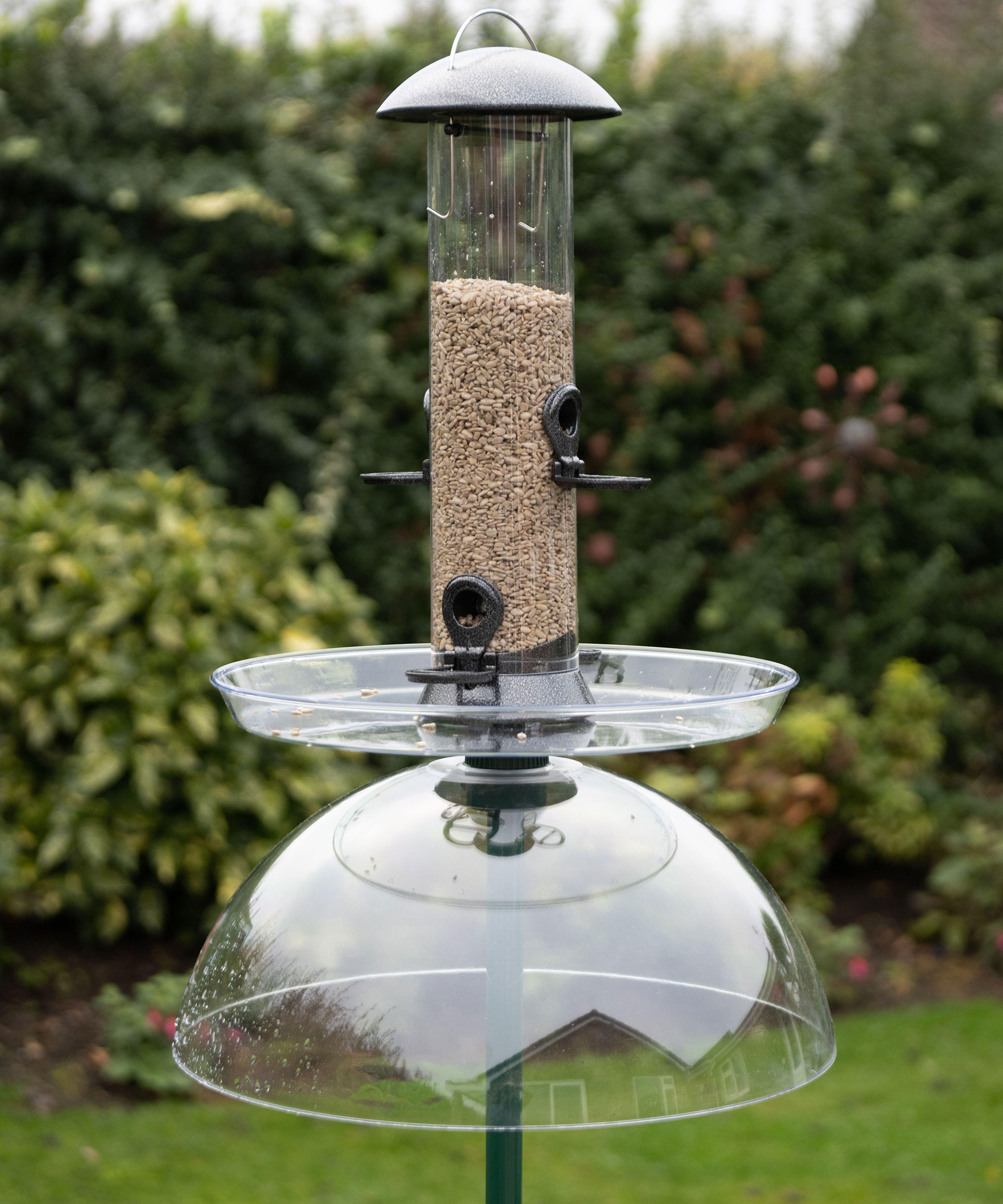
You’ll find several types of squirrel baffles, each designed to block squirrels differently. The most common are dome-shaped baffles, which are installed above the feeder to prevent squirrels from dropping down onto it.
- Dome Baffles:These look like upside-down bowls and slide onto the pole above the feeder.
- Tube Baffles:Cylindrical tubes that wrap around the pole, making it hard for squirrels to climb past them.
- Collar Baffles:Flat discs attached around the pole that spin when squirrels try to climb, throwing them off balance.
Choosing the right type depends on your pole setup and how persistent the squirrels are in your yard. Have you noticed squirrels jumping from nearby trees or climbing up the pole itself? This will help you decide.
Installation Steps
Installing a squirrel baffle is straightforward but requires careful positioning to work effectively. Start by measuring the diameter of your bird feeder pole to ensure the baffle fits properly.
- Slide the baffle onto the pole before mounting the feeder, or detach the feeder if it’s already up.
- Position the baffle so it sits at least 3 feet below the feeder to block squirrels from climbing up.
- Secure the baffle firmly using screws or brackets if provided, preventing squirrels from pushing it aside.
- If using a dome baffle, angle it slightly to make it harder for squirrels to gain footing.
Make sure the baffle moves freely if it’s a spinning type; this discourages squirrels from trying to hold on. Do you feel confident about your pole’s setup for fitting a baffle?
Maintenance Advice
Keeping your squirrel baffle in good condition ensures it continues to protect your bird feeder effectively. Check it regularly for signs of wear or damage, especially after strong winds or storms.
- Clean the baffle to remove dirt and bird seed residue that might make it slippery for squirrels.
- Inspect mounting points and tighten any loose screws to keep the baffle stable.
- Look for any gaps between the baffle and pole where squirrels might sneak through and adjust accordingly.
Don’t forget to observe how squirrels react to the baffle. If they figure out a new way to bypass it, you might need to reposition or upgrade your baffle. What small changes could make your setup even more squirrel-proof?
Using Scent And Taste Deterrents
Using scent and taste deterrents can be a smart way to keep squirrels away from your bird feeder pole without harming them. These deterrents work by making the area unpleasant or unappealing for squirrels, encouraging them to look elsewhere. You don’t have to rely solely on physical barriers; sometimes, a little sensory trick can do wonders.
Natural Repellents
Natural repellents are a safe choice, especially if you want to avoid chemicals around your garden. Items like cayenne pepper, garlic, and peppermint oil are known to irritate squirrels’ senses.
- Sprinkle cayenne pepper around the base of your feeder pole or mix it with birdseed to keep squirrels away without bothering birds.
- Apply peppermint oil on cotton balls and place them near the feeder; squirrels dislike the strong smell and tend to avoid it.
- Garlic spray can be made by blending garlic cloves with water and spraying it on the pole.
I tried peppermint oil last spring, and within days, the squirrels stopped climbing the pole. It’s amazing how a simple scent can shift their behavior.
Commercial Products
If you prefer ready-made solutions, there are commercial scent and taste deterrents designed specifically for squirrels. These products often contain natural ingredients but come in easy-to-apply forms like sprays or granules.
- Look for squirrel repellents labeled as safe for wildlife and pets.
- Some products have a bitter taste that discourages squirrels from chewing on poles or feeders.
- Others emit strong odors that squirrels find unpleasant, helping keep them at a distance.
Be cautious to choose products that won’t harm your birds or plants. Have you checked the labels to ensure safety before using any commercial repellent?
Application Techniques
How you apply these deterrents can make all the difference. Simply sprinkling powder or spraying once may not be enough to keep persistent squirrels away.
- Apply repellents on the pole, around the feeder base, and even on nearby branches that squirrels use to jump onto the feeder.
- Reapply after rain or heavy dew to maintain effectiveness.
- Combine scent deterrents with other physical barriers like baffles for better protection.
Consistent application helped me protect my feeder throughout a rainy season. Are you ready to commit to regular upkeep for lasting results?

Credit: feedsnneeds.ca
Selecting Squirrel-resistant Feeders
Selecting the right squirrel-resistant feeder helps protect bird food. Choosing feeders designed to deter squirrels saves time and effort. These feeders keep birds safe and food clean. Understanding key features and placement improves feeder success. Focus on design, materials, and location for best results.
Design Features
Look for feeders with built-in squirrel guards. Features like weight-activated perches close access when squirrels land. Spinning or baffle systems stop squirrels from climbing. Small feeding ports limit access to birds only. Designs that reduce seed spillage lower squirrel attraction.
Material Choices
Strong materials resist squirrel damage. Metal feeders withstand chewing and clawing better than plastic. Powder-coated steel resists rust and weather effects. Avoid wooden feeders, as squirrels can chew through them. Durable materials extend feeder life and maintain function.
Feeder Placement
Place feeders away from trees and structures squirrels use. Mount poles at least 5 feet from jumping spots. Use a baffle above or below the feeder to block climbing. Keep feeders high and open to reduce squirrel access. Clear surroundings make it harder for squirrels to reach.
Additional Tips To Keep Squirrels Away
Keeping squirrels off your bird feeder pole can be frustrating, but a few extra steps can make a big difference. Squirrels are smart and persistent, so combining multiple strategies will improve your chances of success. Here are some practical tips that go beyond just the feeder design to keep those furry acrobats at bay.
Trimming Nearby Branches
Squirrels often use nearby tree branches as launching pads to reach your bird feeder. By trimming branches that hang close to the feeder pole, you remove their easy access points. Aim to clear branches at least 6 to 8 feet away from the feeder to create a safe no-squirrel zone.
I once noticed that squirrels were jumping from a branch just a few feet away. After trimming it back, their visits dropped dramatically. Could adjusting your yard’s layout help you limit their approach as well?
Regular Cleaning
Birdseed spills on the ground attract squirrels and other unwanted visitors. Cleaning up spilled seeds regularly reduces the temptation for squirrels to stick around your feeding area. Use a small broom or rake to keep the area tidy and less inviting.
Also, clean the feeder itself to prevent mold and bacteria buildup, which can harm birds. A clean feeding station encourages birds to visit more often, making your efforts to squirrel-proof the feeder even more worthwhile.
Alternative Feeding Stations
Sometimes, providing squirrels with their own feeding spot can distract them from your bird feeder. Set up a separate feeding station with foods squirrels enjoy, like corn or nuts, placed far from the bird feeder. This gives squirrels a convenient alternative and reduces their motivation to raid your bird feeder.
Try placing the squirrel feeding station near a tree or bush where they feel safe. You might be surprised how redirecting their attention can create a more peaceful feeding experience for the birds you want to attract.
Credit: www.homesandgardens.com
Frequently Asked Questions
How Can I Prevent Squirrels From Climbing The Feeder Pole?
Install a baffle or cone above the feeder pole. This blocks squirrels from climbing and reaching the bird feeder. Choose a smooth, slippery surface for the pole to make climbing difficult.
What Materials Work Best For Squirrel Proof Bird Feeder Poles?
Metal or PVC poles are ideal for squirrel proofing. They are smooth and slippery, preventing squirrels from gaining a foothold. Avoid wooden poles, as squirrels can easily climb them.
Where Should I Place The Bird Feeder To Avoid Squirrels?
Place the feeder at least 10 feet away from trees or structures. This distance stops squirrels from jumping onto the feeder. Positioning the feeder in an open area reduces squirrel access.
Does Using Squirrel Baffles Really Work Effectively?
Yes, squirrel baffles are highly effective barriers. They create a physical obstacle that squirrels can’t bypass. Proper installation and maintenance ensure maximum protection for your bird feeder.
Conclusion
Building a squirrel proof bird feeder pole takes some effort but pays off. Keep the pole slippery or use barriers to stop squirrels. Place the feeder away from trees and fences. Check your setup often and adjust if squirrels find a way.
Enjoy watching birds without the squirrel mess. This simple solution helps protect your bird food and keeps squirrels busy elsewhere. Try these tips and see the difference in your backyard bird feeding experience.




