
Are you tired of crows swooping down and scaring away your favorite birds at the feeder? It can be frustrating to watch these noisy visitors take over, leaving little for the smaller birds you want to attract.
But don’t worry—there are simple, effective ways you can keep crows away and create a peaceful feeding spot. You’ll discover easy tips and tricks that work, helping you protect your bird feeders and enjoy watching the birds you love. Keep reading to find out how to take back your feeder and bring harmony back to your backyard.
Why Crows Visit Bird Feeders
Understanding why crows visit your bird feeders is key to managing their presence effectively. Crows are intelligent birds with strong survival instincts, and they are drawn to feeders for specific reasons. Knowing what attracts them and how they behave around feeders can help you create strategies to keep them at bay without harming other wildlife.
Attractants For Crows
Crows are attracted to bird feeders mainly because of easy access to food. They prefer high-calorie items like sunflower seeds, peanuts, and suet. If your feeder spills seeds on the ground, crows will quickly notice and take advantage of the free meal.
Bright colors and shiny objects near feeders also catch their eye. You might be surprised how a small piece of foil or a reflective ornament can invite crows to investigate. Even leftover scraps or food waste close to feeders can draw them in.
Common Crow Behaviors
Crows are highly social and communicate with each other to locate food sources. Once one crow finds your feeder, it often signals others, leading to a sudden flock appearance. They are also problem solvers, learning how to open feeders or knock them down to reach the food inside.
Another behavior to watch is their habit of perching on feeders or nearby structures to scout for threats. This vigilance makes it harder to scare them away by sudden movements. Have you noticed how quickly crows return even after being chased off? That’s their persistence in action.

Credit: www.youtube.com
Choosing The Right Feeder
Choosing the right feeder plays a big role in keeping crows away. The feeder must allow small birds to eat comfortably while making it hard for crows to reach the food. Picking a feeder designed to discourage crows helps protect your bird food and keeps your garden peaceful.
Feeder Designs That Discourage Crows
Some feeders are built with shapes that make it tough for crows to land or eat. Tube feeders with small perches work well because crows cannot balance on tiny spots. Hopper feeders with weight-sensitive perches close when heavy birds land.
- Tube feeders with small perches
- Weight-sensitive hopper feeders
- Caged feeders that block large birds
- Seed trays with covers or guards
These designs stop crows from eating without scaring away smaller birds. Choose feeders that suit the types of birds you want to attract.
Material And Placement Tips
Materials like metal and hard plastic are strong and hard to damage. Avoid feeders made of wood or thin plastic that crows can peck at or break. Bright colors may attract unwanted attention. Choose natural or dull colors instead.
Place feeders away from open spaces. Near bushes or trees is better because small birds feel safer. Keep feeders at least 10 feet from places where crows like to perch. Use poles with baffles or smooth finishes to stop crows from climbing.
Crow Deterrent Techniques
Crows are smart and persistent visitors at bird feeders. To keep them away, you need techniques that challenge their cleverness without harming them. Crow deterrent methods focus on making your feeder less attractive or harder for crows to access, while still welcoming smaller birds.
Visual Deterrents
Crows are cautious birds that react strongly to visual threats. Hanging shiny objects like old CDs, aluminum foil strips, or reflective tape near your feeder can confuse and scare them away. Movement adds extra effectiveness—try rotating pinwheels or fluttering ribbons to catch their attention.
Some people use fake predator decoys such as plastic owls or hawk silhouettes. But crows quickly learn these aren’t real threats unless you move them regularly. Have you tried changing the position of decoys every few days? That keeps crows guessing and more likely to avoid your feeder.
Sound Deterrents
Crows dislike sudden, loud noises. Devices that emit distress calls or predator sounds can discourage their visits. You can also try playing recordings of crow alarm calls, which signal danger and push them to stay away.
However, sound deterrents work best if you vary the sounds and timing. Crows adapt quickly to repetitive noises and may ignore them after a while. Have you noticed how your own scare tactics lose power if they become predictable?
Physical Barriers
Sometimes the simplest approach is to block crows from getting to the food. Use feeders with small feeding ports designed for smaller birds, or cover your feeder with a cage made of wire mesh that lets small birds through but keeps crows out.
Installing feeders on poles with baffles can prevent crows from perching nearby. You might also consider placing feeders under partial cover, like tree branches or a porch roof, to reduce visibility and access. What physical barrier could you add today to protect your feeder?
Feeding Strategies To Limit Crow Access
Keeping crows away from bird feeders requires smart feeding strategies. Adjusting what and when you feed helps attract smaller birds and discourage crows. These tactics reduce crow visits without harming the birds you want to see.
Selective Bird Food Choices
Choose seeds that smaller birds prefer but crows dislike. Black oil sunflower seeds are popular with many songbirds but less attractive to crows. Avoid large, easy-to-eat foods like peanuts and corn that crows love.
Use safflower seeds. They taste bitter to crows but are eaten by cardinals and chickadees. Nyjer seeds attract finches and are too small for crows to enjoy.
Keep feeders clean and avoid spilled seeds. Crows feed on scraps on the ground. Less food on the ground means fewer crows around.
Feeding Times And Frequency
Feed birds early in the morning. Smaller birds are active then, and crows often arrive later. Remove feeders by late afternoon to limit crow access.
Feed smaller amounts more often. This keeps food fresh and reduces waste on the ground. Less leftover food means fewer crows attracted to the area.
Try feeding during times when crows are less active. Avoid feeding at dusk or dawn when crows search for food.
Maintaining Your Feeder Area
Keeping crows away from your bird feeders isn’t just about the feeder itself—it’s also about how you maintain the area around it. A clean and well-managed space can reduce the chances of attracting crows, who are quick to notice leftover food and inviting spots to perch. Let’s look at some practical ways to maintain your feeder area to keep those clever birds at bay.
Cleaning And Food Spillage Control
Food crumbs and spilled seeds are like a welcome sign for crows. Regularly cleaning the feeder and the ground beneath it makes your feeder less appealing to them.
Use a small broom or brush to sweep up fallen seeds daily. This simple task can prevent crows from hanging around looking for easy meals.
Consider placing a seed catcher tray under your feeder to catch spills. It not only keeps the area tidy but also makes cleanup faster and easier.
Managing Surrounding Vegetation
Overgrown bushes and trees near your feeder can provide crows with perfect hiding and perching spots. Trim back any dense vegetation around the feeder area.
Open spaces reduce the cover crows rely on to watch and swoop down on feeders. This makes your feeder less attractive to them.
Have you noticed crows using nearby trees as lookout posts? Clearing lower branches might surprise you by cutting down their comfort zones and discouraging visits.
Using Technology And Tools
Motion-activated devices can scare crows away from bird feeders effectively. Reflective tools like shiny tape or mirrors also keep crows at a distance. Using these simple technologies protects your feeder without harming the birds.
Using technology and tools to keep crows away from bird feeders can be both effective and fascinating. With the right gadgets, you can enjoy watching your favorite birds without the interference of these clever scavengers. Incorporating technology allows for innovative solutions that are both humane and efficient.Motion-activated Devices
Motion-activated devices can be a game-changer in managing crow activity. These devices detect movement and emit sounds or flashes of light that startle crows without harming them. Imagine having a device that only activates when necessary, conserving energy and reducing disturbances for other wildlife. Consider placing a motion-activated sprinkler near your bird feeders. When crows approach, the sudden burst of water can deter them, while your regular feathered visitors will quickly learn to adapt. It’s a simple yet effective way to maintain peace in your garden.Crow-repelling Gadgets
Crow-repelling gadgets offer another layer of protection for your bird feeders. Devices like ultrasonic repellers emit sounds at frequencies that only crows can hear, encouraging them to steer clear. These gadgets are often discreet and easy to install. Reflective tape or spinning pinwheels can also serve as deterrents. The light reflections and movement can confuse and scare off crows, keeping your feeders safe. Have you ever thought about using harmless yet clever tricks like these to outsmart the crafty crows? By integrating these technological tools into your garden, you not only protect your bird feeders but also create a more balanced environment for all wildlife. What other creative methods could you explore to keep crows at bay?When To Seek Professional Help
Persistent crow problems may need expert advice to protect bird feeders effectively. Professionals can offer safe, lasting solutions if home methods fail. Early help can prevent damage and keep feeders safe for smaller birds.
Dealing with crows invading your bird feeders can be frustrating. Sometimes, despite your best efforts, these intelligent birds persist. If you’ve tried various methods without success, it might be time to seek professional help. Understanding when to call in the experts can save you time and frustration. Let’s explore the signs that indicate it’s time to call for backup.Signs Of Persistent Crow Problems
Crows are incredibly clever and adaptable, which makes them tough to deter. If they keep coming back despite your efforts, it’s a sign they might have outsmarted your tactics. Are they gathering in large numbers and causing chaos around your feeders? That’s another red flag. Consider the damage they might be causing. Are they scaring away smaller birds you want to attract? Persistent problems often require more than DIY solutions.Hiring Wildlife Control Services
Sometimes, expert intervention is necessary. Wildlife control services have experience dealing with persistent crow issues. They can offer tailored solutions to keep your feeders crow-free. Professionals can assess your situation and recommend effective strategies. They might suggest installing physical barriers or using specific deterrents you hadn’t considered. Hiring experts can save you from ongoing headaches and protect your feathered friends. Have you ever thought about the peace of mind that comes with professional help? It’s an investment in enjoying your bird-watching hobby without interruptions.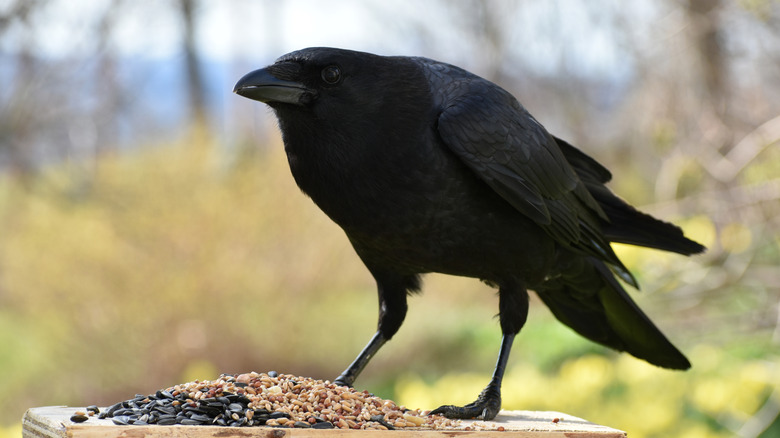
Credit: www.outdoorguide.com
Credit: shegrowsveg.com
Frequently Asked Questions
How Can I Keep Crows Away From My Bird Feeder?
Use feeders designed for small birds and place them in open areas. Add baffles or netting to block crows. Scare crows with reflective objects or noise makers to deter them effectively.
What Types Of Bird Feeders Repel Crows Best?
Tube feeders with small perches and weight-sensitive feeders work well. These feeders limit access to larger birds like crows. Consider feeders with cages that allow only small birds inside.
Are There Natural Deterrents To Keep Crows Away?
Yes, shiny objects, reflective tape, and predator decoys can scare crows. Planting thorny bushes nearby also discourages them. These natural methods are safe and effective for crow control.
Can Changing Feeding Times Reduce Crow Visits?
Feeding birds early in the morning or late evening helps. Crows are less active during these times. Adjusting your feeding schedule can reduce crow interference at feeders.
Conclusion
Keeping crows away from bird feeders takes patience and simple steps. Use different methods to see what works best. Change your approach if crows keep coming back. Protect your feeders with covers or move them often. Enjoy watching smaller birds visit without worry.
Small changes can make a big difference in your garden. Stay consistent and keep your outdoor space peaceful. Crows will lose interest when they find no easy food. Your efforts help create a safe spot for all birds.




