
Are you ready to create a cozy home for your feathered friends? Building bird houses is a fun and rewarding project that anyone can do, even if you don’t have much experience with tools.
Imagine watching birds visit a shelter you made with your own hands—it’s a special feeling that connects you with nature. In this guide, you’ll find simple, step-by-step instructions to build sturdy and inviting bird houses. By the end, you’ll have all you need to attract birds right to your backyard.
Let’s get started and make something amazing together!

Credit: www.youtube.com
Choosing The Right Bird House
Choosing the right bird house is key to attracting birds to your garden. A good bird house offers shelter and safety. It also fits the needs of the birds you want to welcome. Paying attention to details helps you build a perfect home for birds.
Selecting Suitable Materials
Wood is the best material for bird houses. It keeps the inside cool in summer and warm in winter. Avoid using treated wood or metal. These can harm birds or get too hot. Cedar and pine are popular choices. They last long and resist weather well.
Picking The Ideal Size
Bird houses come in many sizes. The size depends on the type of bird you want to attract. Small birds need smaller houses with a tiny entrance. Larger birds need bigger spaces inside. Make sure the house is not too big or too small.
Considering Bird Species
Different birds have different needs. Some like open spaces, others like enclosed spots. Check the birds common in your area. Learn what size and style of house they prefer. This will increase the chance they will use your bird house.
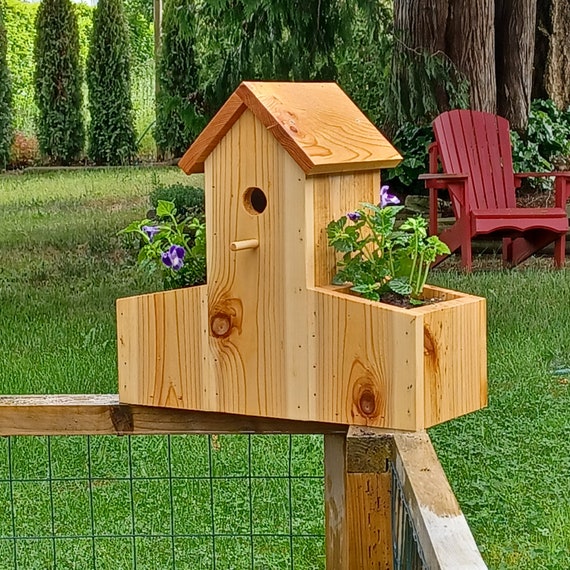
Credit: www.etsy.com
Gathering Tools And Supplies
Before you start building your bird house, gathering the right tools and supplies is crucial. Having everything ready not only speeds up the process but also ensures your project turns out safe and sturdy. Think about the last time you started a project without the proper tools—how frustrating was it to stop midway and search for what you needed?
Essential Tools List
Start by collecting basic woodworking tools that make cutting, assembling, and finishing easier. Here’s a list to get you on the right track:
- Hand Saw or Jigsaw:Perfect for cutting wood pieces to size.
- Hammer:Needed for nailing the parts together.
- Measuring Tape:Accuracy in measurements is key to a well-fitting bird house.
- Drill with Bits:For creating ventilation holes and screwing parts securely.
- Screwdriver:Useful for driving screws if you prefer them over nails.
- Sandpaper or Power Sander:To smooth rough edges and avoid splinters.
- Clamps:These hold pieces steady while you work on them.
Having these tools ready means fewer interruptions and a better build quality. Do you have any of these tools lying around at home already? Sometimes, you’ll be surprised by what’s hiding in your toolbox.
Recommended Safety Gear
Safety can’t be ignored. Building bird houses involves sharp tools and flying wood chips, so protecting yourself should be a priority. Here’s what you should wear:
- Safety Glasses:Protect your eyes from dust and debris.
- Work Gloves:Shield your hands from splinters and accidental cuts.
- Dust Mask:Keeps you from inhaling sawdust, especially if you’re sanding.
- Ear Protection:If using power tools, reduce noise exposure with earplugs or earmuffs.
Investing in safety gear might feel like extra effort, but it helps you focus on your craft without worry. How often do you skip safety gear, and what’s stopped you from doing so in the past?
Preparing The Wood
Preparing the wood is a crucial stage in building a birdhouse. It sets the foundation for a sturdy and safe home for your feathered friends. Taking the time to carefully measure, cut, and smooth your panels ensures the final product will last through seasons and keep birds comfortable.
Measuring And Cutting Panels
Accurate measurements are key. Start by sketching your birdhouse design on paper and noting the dimensions for each panel.
Use a tape measure and pencil to mark the wood precisely before cutting. A handsaw or jigsaw works well for most projects.
Cut slowly and steadily to avoid splintering or uneven edges. Have you ever tried to fix a crooked cut? It’s frustrating and wastes valuable wood.
Sanding For Smooth Edges
After cutting, the panels will likely have rough edges that could harm birds or make assembly difficult.
Use medium-grit sandpaper to smooth each edge and surface. Spend extra time on corners and openings where birds will enter and perch.
Sanding also helps paint or sealant stick better, protecting your birdhouse from weather damage. Do you notice how much nicer wood feels when it’s well sanded? It’s worth the effort.
Assembling The Bird House
Assembling the bird house brings all your pieces together. This part shapes the home where birds will nest. Careful assembly ensures the house is sturdy and safe. Follow simple steps to build the walls, attach the roof, and create the entrance hole.
Constructing The Walls
Start by arranging the wooden panels for the walls. Align the edges so they fit tightly together. Use nails or screws to join the sides firmly. Check that all walls stand straight and square. Adding small braces inside can increase strength.
Attaching The Roof
Place the roof panels on top of the walls. Make sure they overlap to keep rain out. Secure the roof with nails or screws along the edges. Allow a slight overhang to protect the walls from water. Smooth any rough edges to prevent bird injury.
Creating The Entrance Hole
Mark a spot on the front wall for the entrance. The size depends on the bird species you want to attract.
- Small birds like wrens need holes about 1 inch wide.
- Bluebirds prefer holes around 1.5 inches.
Use a drill or hole saw to cut the opening carefully. Sand the edges to avoid sharp splinters. Position the hole high enough to protect from predators. This hole lets birds enter while keeping them safe inside.
Finishing Touches
Finishing touches are what transform your birdhouse from a simple wooden box into a safe, attractive home for your feathered friends. These final steps not only protect the house from weather but also ensure it provides a comfortable environment for birds. Paying attention to details like painting, sealing, ventilation, and drainage makes a big difference in how long your birdhouse lasts and how welcoming it is.
Painting And Sealing
Choose paint that is non-toxic and safe for wildlife. Avoid bright colors that might scare birds away; instead, go for natural hues like greens, browns, or soft blues.
Seal the birdhouse with a water-based, eco-friendly sealant to protect it from rain and humidity. This helps prevent wood rot and keeps the structure sturdy through different seasons.
Remember, don’t paint the inside of the birdhouse. Birds need raw wood inside to prevent slipping and to maintain a healthy nesting environment.
Adding Ventilation And Drainage
Proper airflow inside the birdhouse prevents overheating and keeps the nest dry. Drill small holes near the top of the walls to allow air to circulate without letting predators in.
Drainage is just as important. Drill tiny holes in the floor of the birdhouse to let rainwater escape easily. This keeps the nest from getting soggy and protects the birds’ eggs.
Have you checked your birdhouse for ventilation and drainage? These small adjustments can make your birdhouse a preferred spot for many bird species.

Credit: www.youtube.com
Installing The Bird House
Installing the bird house is a crucial step in creating a welcoming habitat. Proper installation ensures safety and attracts the right bird species. Follow these guidelines to place your bird house effectively.
Choosing The Best Location
Select a location safe from predators. Place it in a quiet area, away from traffic and noise. Ensure the spot offers some shade to protect birds from direct sunlight. Check that the entrance faces away from prevailing winds. This keeps the interior dry and comfortable.
Mounting Techniques
Use a sturdy pole or post to mount the bird house. Avoid nailing it directly to trees, which can damage them. Opt for a freestanding pole with a baffle to deter climbing predators. Secure the bird house at a height between 5 and 12 feet. This height range suits most bird species. Make sure it is stable and won’t sway in the wind.
Maintaining Your Bird House
Regular cleaning keeps bird houses safe and inviting for birds. Check for damage and fix it to ensure long-lasting use. Keeping the house dry prevents mold and pests from harming the birds.
Maintaining your bird house ensures it remains a welcoming home. Birds need a clean, safe place to thrive. Regular care prolongs the life of your bird house. It also attracts more birds. Here’s how to keep your bird house in top shape.Regular Cleaning Tips
Clean your bird house every few weeks. Remove old nests and debris. Use a mild soap solution. Rinse thoroughly to remove soap traces. Make sure it dries completely before reassembling.- Wear gloves for protection.
- Check for any signs of mold.
- Inspect for insects or parasites.
Seasonal Care Advice
Different seasons bring unique challenges. In spring, prepare for nesting. Inspect the structure for damage. In summer, ensure it provides shade. During fall, remove any remaining nests. In winter, clean it before storing. If left outside, ensure it’s secure against storms.- Check for wear and tear.
- Secure it against strong winds.
- Consider a sheltered location.
Frequently Asked Questions
What Materials Are Best For Building Bird Houses?
Use untreated wood like cedar or pine for durability and safety. Avoid metal and treated wood as they can harm birds. Also, include nails or screws, waterproof glue, and non-toxic paint or stain for protection and longevity.
How Do I Choose The Right Size For Bird Houses?
Size depends on bird species. Small birds like wrens need houses about 5×5 inches. Larger birds like bluebirds require bigger houses, around 6×6 inches. Research the bird species in your area before building for best results.
Where Should I Place The Bird House Outdoors?
Place bird houses 5-10 feet above ground on a tree or pole. Ensure it faces away from prevailing winds and direct sunlight. Position in a quiet, sheltered area to protect birds from predators and harsh weather.
How Do I Maintain A Bird House Yearly?
Clean bird houses annually in late fall. Remove old nesting material to prevent parasites. Inspect for damage and repair cracks or loose parts. Reapply non-toxic paint or sealant for protection and longevity.
Conclusion
Building bird houses can be a fun and rewarding project. You get to enjoy nature up close. Each step helps create a safe home for birds. Using simple tools and materials makes it easy. Take your time and follow the instructions carefully.
Soon, you will see birds visiting your house. This small effort helps support local wildlife. Try different designs to find what works best. Enjoy watching your feathered friends every day. Keep building and sharing your bird houses with others.




