
Are bugs taking over your garden or patio? You might be surprised to learn that bird feeders could be your secret weapon.
But do bird feeders really help with bugs, or are they just a way to attract more wildlife? If you want to enjoy a pest-free outdoor space without harsh chemicals, understanding how bird feeders impact bug populations is key. Keep reading to discover how you can use bird feeders smartly to protect your home and enjoy nature at the same time.

Credit: www.green-feathers.co.uk
Bird Feeders And Pest Control
Bird feeders don’t just attract beautiful birds to your yard—they can also play a key role in natural pest control. By providing a reliable food source, you encourage insect-eating birds to visit regularly. This creates a natural balance where these birds help reduce the number of pesky bugs around your garden and home.
How Birds Hunt Insects
Birds use several techniques to catch insects. Some birds, like woodpeckers, peck at tree bark to find hidden bugs. Others, such as flycatchers, catch insects mid-air with quick, agile movements.
You might notice birds hopping on leaves or branches, searching for larvae and caterpillars. Their sharp eyesight helps them spot even the smallest movements. This natural hunting behavior makes them effective at controlling insect populations without any chemicals.
Common Backyard Bugs Targeted
Many backyard birds focus on bugs that can damage plants or annoy people. These include:
- Aphids – small sap-sucking insects harmful to flowers and vegetables
- Caterpillars – larvae that chew on leaves and stems
- Mosquitoes – annoying biters and disease carriers
- Beetles – some species feed on plants or stored foods
- Spiders – while not insects, they are also prey for many birds
Seeing birds actively hunting these pests can be rewarding. Have you ever watched a bird patiently picking off insects from your garden? That simple act can save you time and money on pesticides, making your outdoor space healthier and more enjoyable.

Credit: feedsnneeds.ca
Types Of Birds Attracted To Feeders
Bird feeders attract a variety of bird species to your yard. Each bird has different feeding habits and preferences. Some birds prefer seeds, while others hunt insects. Knowing which birds visit your feeders helps understand their role in bug control.
Insect-eating Bird Species
Several birds that visit feeders eat insects. These birds help reduce bugs naturally around your home. Common insect-eating birds include:
- Chickadees
- Nuthatches
- Wrens
- Woodpeckers
- Bluebirds
- Swallows
They consume many pests like caterpillars, beetles, and aphids. Offering suet or mealworms at feeders attracts these helpful birds.
Seasonal Bird Activity
Bird presence at feeders changes with seasons. In spring and summer, insect-eaters are more active. They need protein-rich diets for raising young. Fall and winter attract seed-eating birds more.
Migration also affects bird visits. Some species visit only during migration periods. Providing food year-round supports diverse bird populations and pest control.
Benefits Beyond Bug Reduction
Bird feeders do more than just cut down on bugs. They create many benefits for your garden and local wildlife. Feeding birds supports different parts of nature that often go unnoticed. This helps your outdoor space become healthier and more lively.
Pollination Support
Birds that visit feeders often travel between flowers. This helps move pollen from one plant to another. Many birds, like hummingbirds, play a key role in pollination. They help plants grow fruits and seeds. This process is important for gardens and wild areas alike.
By attracting birds, feeders support plants that need pollinators. This leads to more flowers and better crops. Gardens can bloom brighter and produce more food. Pollination helps keep the plant world strong and diverse.
Ecosystem Balance
Bird feeders help keep nature balanced. Birds eat insects and pests that harm plants. Feeding birds gives them energy to hunt and survive. This natural pest control lowers the need for chemicals.
Birds also become food for other animals. This creates a healthy food chain. Each part of the ecosystem supports the others. Feeders bring birds closer, helping maintain this balance.
Providing food helps birds stay active year-round. A balanced ecosystem means fewer problems for your garden. Healthy plants, insects, and animals all thrive together.
Choosing The Right Bird Feeder
Choosing the right bird feeder plays a key role in controlling bugs naturally. Different feeders attract different bird species. Some birds eat mostly seeds, while others prefer insects. Picking a feeder that attracts insect-eating birds helps reduce bug populations around your home.
Consider the types of birds common in your area. Choose feeders that suit their feeding habits. This approach encourages more insectivores, which eat bugs and keep pests in check.
Feeders That Attract Insectivores
Insect-eating birds like chickadees, nuthatches, and wrens prefer feeders offering protein-rich food. Mealworms, suet, and fruit attract these birds effectively.
- Suet feeders: Offer high-energy fat that insectivores love.
- Mealworm feeders: Provide live or dried mealworms as a treat.
- Fruit feeders: Slices of orange or berries attract birds that eat insects too.
Choosing these feeders boosts visits from insect-eating birds. This helps naturally reduce bugs in your garden or yard.
Placement Tips For Maximum Impact
Place feeders where insect-eating birds feel safe and comfortable. Near shrubs or trees works well. These spots offer shelter and nearby insect sources.
- Keep feeders 5 to 10 feet from windows to prevent collisions.
- Mount feeders at different heights to attract various bird species.
- Place feeders away from areas with heavy foot traffic or pets.
Good placement encourages more birds to visit often. This increases the chance they will help control bugs around your property.
Potential Downsides To Consider
Bird feeders can attract unwanted pests like squirrels and raccoons. They might also spread diseases among birds. Additionally, uneaten seeds can lead to mold growth.
Bird feeders bring joy and help attract beautiful birds to your garden. Yet, they can also present certain challenges. Understanding these potential downsides is essential for a balanced bird-feeding experience.Attracting Unwanted Pests
Bird feeders can draw more than just birds. They may attract unwanted pests like squirrels, rats, or raccoons. These pests can raid feeders and eat the birdseed. Squirrels are particularly clever at accessing feeders. Rats and mice might find scattered seeds on the ground. This can lead to infestations if not managed. Consider using squirrel-proof feeders to reduce this issue.Maintenance And Hygiene
Bird feeders require regular cleaning. This prevents the spread of diseases among birds. Dirty feeders can harbor mold and bacteria. Both are harmful to bird health. Regular maintenance is crucial for a safe feeding environment. Use warm, soapy water for cleaning. Dry the feeders thoroughly before refilling. Clean up fallen seeds to avoid attracting ground pests. Maintaining hygiene ensures your feathered visitors stay healthy.Enhancing Your Garden With Birds
Enhancing your garden with birds does more than add beauty and life—it creates a natural balance that helps control pests. Birds feed on bugs that can damage plants, reducing the need for chemicals. Inviting birds into your garden means you get a lively, thriving space where nature works for you.
Complementary Plants For Birds
Choosing the right plants can attract birds and offer them food and shelter. Native flowers, berry bushes, and seed-producing plants are excellent choices. Plants like coneflowers, sunflowers, and elderberries provide natural snacks for birds throughout the seasons.
Adding a mix of shrubs and tall grasses gives birds places to hide from predators. Have you noticed how your garden feels more alive when birds visit regularly? That’s the effect of planting with birds in mind.
Creating A Bird-friendly Habitat
Provide clean water sources like shallow birdbaths or small ponds for drinking and bathing. Birds are more likely to stay and feed in areas where they feel safe and well-supported.
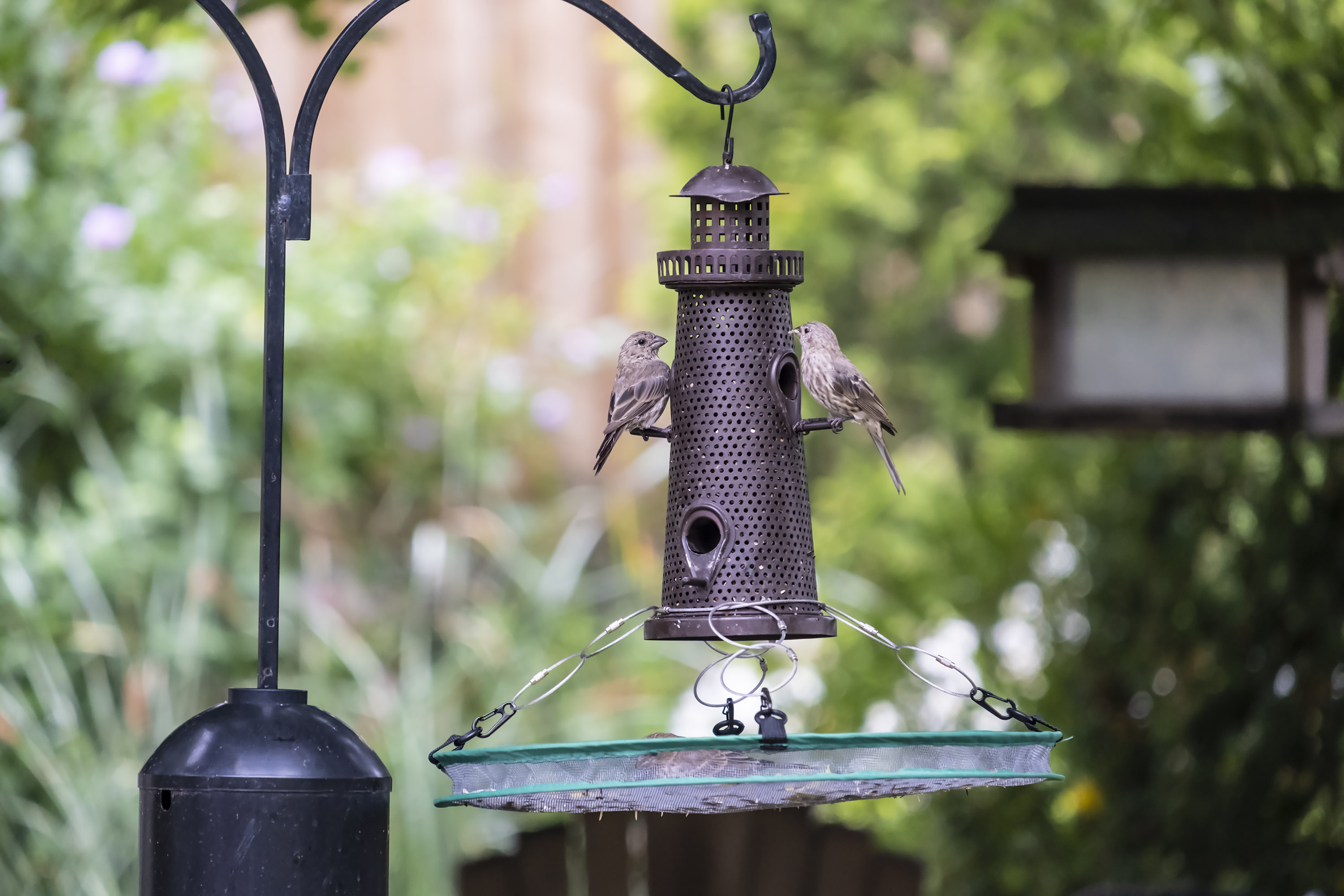
Install feeders that suit different bird species—tube feeders for finches, platform feeders for cardinals, and suet feeders for woodpeckers. Place feeders near shrubs or trees to offer quick cover.
Don’t forget to limit pesticide use, as chemicals can harm both birds and their insect prey. What small changes can you make today to welcome more birds and let them naturally help with bugs in your garden?
Credit: dengarden.com
Frequently Asked Questions
Do Bird Feeders Attract Insects And Bugs?
Yes, bird feeders can attract insects like ants and wasps. These bugs are drawn to spilled seeds and sweet feeder liquids, which can sometimes be a nuisance.
Can Bird Feeders Reduce Harmful Garden Bugs?
Bird feeders attract birds that eat harmful garden bugs. Many birds consume caterpillars, beetles, and other pests, helping to naturally control insect populations in your garden.
What Types Of Birds Eat Garden Pests?
Birds like chickadees, wrens, and woodpeckers eat garden pests. They feed on insects such as aphids, beetles, and caterpillars, reducing bug damage to plants.
How To Maintain Bird Feeders To Avoid Bug Problems?
Keep feeders clean and dry to prevent bug infestations. Regularly remove spilled seeds and wash feeders to reduce insect attraction and keep birds healthy.
Conclusion
Bird feeders attract birds that eat many types of bugs. This helps reduce pests naturally in your garden. Birds keep bug numbers low without harmful chemicals. Feeding birds also supports local wildlife and nature. Keep feeders clean to avoid spreading diseases.
Place feeders near plants to protect crops and flowers. Enjoy watching birds while they help control bugs. Simple actions can make your garden healthier and greener. Feeding birds offers a natural way to fight bugs. Try adding a bird feeder and see the difference.




