
Are you ready to capture stunning bird photos but unsure which lens size is best for the job? Choosing the right lens can make all the difference between blurry, distant shots and sharp, vibrant images that bring your feathered subjects to life.
In this guide, you’ll discover how to pick the perfect lens size tailored to your bird photography needs. Whether you’re a beginner or looking to upgrade your gear, understanding lens choices will help you get closer to the action and snap breathtaking pictures every time.
Keep reading to find out exactly what lens size will unlock your best bird photos yet!
Choosing The Right Focal Length
Choosing the right focal length for bird photography can make all the difference between a blurry, distant speck and a stunning close-up shot that captures every feather detail. Your lens choice affects not just image quality but also how you approach your subject in the wild. It’s essential to understand the options available and how they fit your style and shooting conditions.
Telephoto Vs Super Telephoto
Telephoto lenses generally range from 200mm to 300mm, while super telephoto lenses extend beyond 300mm, often reaching 600mm or more. Telephoto lenses are great for beginners or casual bird photographers who want decent reach without the bulk. Super telephoto lenses give you incredible reach and detail, ideal for photographing shy or distant birds.
Think about your shooting environment. Are you in a dense forest or open field? Super telephoto lenses excel in open spaces but can be cumbersome in tight spots. I once tried a 600mm lens in a thick forest, and it slowed me down so much I missed several shots. Sometimes, a lighter 300mm lens lets you move faster and capture more spontaneous moments.
Popular Focal Lengths For Birds
- 300mm:Great starting point with good reach and portability.
- 400mm:Offers more detail and is a favorite for many serious hobbyists.
- 500mm to 600mm:Ideal for professional-grade bird photography with excellent subject isolation.
- 800mm and above:Best for extreme close-ups, often used in wildlife documentaries.
Choosing a focal length depends on the bird species you want to shoot. Small, skittish birds need longer lenses so you can keep your distance. Larger, less wary birds might allow you to work with shorter lenses effectively.
Balancing Reach And Portability
You need to ask yourself: How often will you carry your gear over long distances? Heavy super telephoto lenses can be tiring and may require tripods or monopods. If you’re hiking or traveling light, a 300-400mm lens might be more practical.
On the other hand, shorter lenses give you more freedom to move quickly and change angles. I’ve found that balancing reach with portability helps me stay patient and ready for unexpected bird behavior. Consider renting lenses before buying to find what fits your style and stamina.
Lens Aperture And Sharpness
When choosing a lens for bird photography, understanding the nuances of lens aperture and sharpness can significantly impact your results. The aperture, often referred to as the lens’s ‘eye,’ plays a crucial role in determining how much light enters the camera. This, in turn, affects the sharpness and clarity of your bird photos. Let’s take a closer look at how aperture settings can enhance your bird photography experience.
Importance Of Wide Apertures
Wide apertures are essential when you’re aiming to capture birds in low-light conditions. They allow more light to reach the camera sensor, enabling faster shutter speeds. This is crucial for freezing the rapid movements of birds, especially in early morning or late afternoon light. Plus, wide apertures help isolate the subject from the background, making the bird stand out in your photograph.
Aperture Impact On Depth Of Field
The aperture setting also influences depth of field, which is the area in focus in your image. A larger aperture (smaller f-number) results in a shallower depth of field. This is perfect for highlighting a bird while blurring distracting backgrounds. However, it requires precise focusing, as the narrow depth of field leaves little room for error. Consider what depth of field will best emphasize your subject’s features.
Lens Sharpness At Different Apertures
Lens sharpness can vary significantly at different aperture settings. Often, lenses are sharpest when stopped down a bit from the maximum aperture. For example, if you have a lens with a maximum aperture of f/2.8, you might find it sharpest at f/4 or f/5.6. Experiment with your lens to find its ‘sweet spot’ for sharpness. This knowledge will help you capture the intricate details of your avian subjects.
Have you ever noticed how a small change in aperture can transform a good photo into a great one? By mastering your lens’s aperture settings, you can elevate your bird photography skills and capture those fleeting moments with stunning clarity.
Image Stabilization And Autofocus
Choosing the right lens for bird photography isn’t just about focal length. Image stabilization and autofocus technology play a huge role in capturing sharp, detailed shots of fast-moving birds. These features help reduce blur and keep your subject in focus, even when you’re shooting handheld or tracking quick movements.
Benefits Of Image Stabilization
Image stabilization (IS) counteracts small shakes and vibrations from your hands or camera movement. This is especially helpful when using long telephoto lenses, which tend to amplify any shake.
With IS, you can shoot at slower shutter speeds without losing sharpness. This means better photos in low light or when birds are perched quietly.
Have you ever missed a perfect shot because your lens shake caused blur? IS helps prevent that frustration by keeping your images crisp and clear.
Fast Autofocus For Moving Birds
Birds rarely stay still, so autofocus speed is crucial. A lens with fast autofocus motors lets you lock onto your subject quickly and maintain focus as the bird moves.
Some lenses use ultrasonic motors or stepping motors to provide silent, rapid focusing. This is ideal for not scaring away your feathered subjects.
Think about how many shots you lose when your camera hunts for focus mid-flight. Faster autofocus means more keepers and less missed moments.
Tracking Focus Modes
Tracking focus modes help your camera follow birds in motion, keeping them sharp even as they fly erratically. These modes use continuous autofocus to adjust focus dynamically.
Many cameras offer customizable tracking settings to prioritize moving subjects and ignore distractions. This makes photographing fast birds much easier.
Have you tried tracking focus during a bird chase? It can transform your shooting experience from frustrating to rewarding by keeping your subject locked in focus.

Credit: www.reddit.com
Prime Vs Zoom Lenses
Choosing between prime and zoom lenses is a key decision for bird photography. Each type offers unique benefits that can shape your shooting experience. Understanding these differences helps you pick the right tool for your style and the birds you want to capture.
Advantages Of Prime Lenses
Prime lenses have a fixed focal length, which often means sharper images and better light performance. Their wider apertures let in more light, making them great for early morning or late evening bird shots. I once captured a hawk in soft dawn light, and the prime lens’s clarity made the photo stand out.
Primes are usually lighter and simpler, which means less gear to carry during long birding hikes. They also encourage you to move around more, helping you discover new angles and perspectives. If you want stunning detail and low-light ability, primes are worth considering.
Flexibility Of Zoom Lenses
Zoom lenses offer a range of focal lengths in one package, making them perfect for unpredictable bird behavior. You can quickly adjust from wide shots of a flock to tight close-ups without changing lenses. This versatility is invaluable when birds move suddenly or when you spot a rare species unexpectedly.
Though zooms can be heavier and sometimes less sharp than primes, modern models have improved drastically. Their convenience often outweighs minor compromises in image quality, especially in fast-paced environments. For me, a zoom lens saved the day when a bird flew out of range before I could switch lenses.
Choosing Based On Shooting Style
Think about how you like to shoot. Do you prefer setting up and waiting for the perfect moment, or do you chase birds across varied terrain? If you like a straightforward approach with exceptional image quality, a prime lens might suit you best.
On the other hand, if you want to capture a wide variety of species and behaviors without swapping gear constantly, a zoom lens offers unmatched adaptability. Consider your typical birding locations and how much gear you want to carry. What challenges do you face in the field, and which lens solves them better?
Camera Sensor And Crop Factor
Understanding your camera sensor and crop factor is key to choosing the right lens for bird photography. These elements directly affect how much of the scene your lens captures and how “zoomed in” your subject appears. Getting a handle on this can save you from overspending on lenses that don’t meet your real needs.
Full Frame Vs Crop Sensor
Full frame sensors are larger and capture more of the scene through your lens. Crop sensors are smaller, capturing less, which effectively crops your image. This difference means a lens behaves differently on each sensor type.
For example, a 300mm lens on a crop sensor camera might give you the field of view similar to a 450mm lens on a full frame camera. So, if you use a crop sensor, you get more “reach” without buying a longer lens. This can be a budget-friendly advantage for bird photography.
Effective Focal Length Explained
Effective focal length is the actual viewing angle you get once the crop factor is applied to your lens. It’s calculated by multiplying your lens focal length by your crop factor. For instance, a 200mm lens on a 1.5x crop sensor acts like a 300mm lens in terms of framing.
This means your lens choice should consider this multiplier to ensure you get enough zoom to capture distant birds sharply. Knowing your camera’s crop factor helps you estimate the lens focal length you need to get the tight shots you want.
Maximizing Lens Reach
Using a crop sensor camera can effectively extend your lens’s reach, but it’s not just about the numbers. You should also think about image quality, autofocus speed, and lens weight. Sometimes a 400mm lens on a crop sensor gives you better results than a heavier 600mm lens on full frame.
Additionally, pairing your lens with teleconverters can boost focal length further. But remember, teleconverters may reduce image sharpness and affect autofocus, so test your setup before heading out. Have you tried shooting with a crop sensor and teleconverter combo? It might just change how you approach bird photography.

Credit: iceland-photo-tours.com
Budget And Weight Considerations
Choosing the right lens for bird photography involves more than just focal length. Budget and weight play a big role in your shooting comfort and gear choices. Finding a balance between cost and lens weight can help you enjoy photography without strain or overspending.
Affordable Lens Options
Many good lenses do not cost a fortune. Brands offer budget-friendly telephoto lenses ideal for beginners. These lenses provide decent zoom and image quality without heavy weight. Second-hand lenses or older models can also save money. Look for lenses around 300mm to 400mm for bird photography on a budget.
Handling Heavy Lenses In The Field
Long lenses tend to be heavy and bulky. Carrying them for hours can tire your arms quickly. Use a sturdy tripod or monopod to reduce strain. Camera straps with padding help distribute weight evenly. Practice holding the lens steady to avoid blurry shots. Taking breaks during long shoots prevents fatigue.
Investment Vs Portability
High-end lenses offer sharper images and faster focus. These lenses often weigh more and cost more money. Smaller lenses are easier to carry but may limit zoom range. Decide what matters most: image quality or ease of transport. Sometimes, a lighter lens encourages more outdoor shooting time. Balance your needs before investing in expensive gear.
Additional Tips For Sharp Bird Shots
Choosing a lens with a longer focal length helps capture distant birds clearly. Use a tripod to reduce camera shake for sharper images. Fast shutter speeds also keep bird shots crisp and detailed.
Capturing sharp images of birds in their natural habitat can be challenging but immensely rewarding. With the right techniques and gear, your bird photography can soar to new heights. Here are some additional tips to ensure your bird shots are crisp and clear, making your efforts more fruitful.Using Tripods And Monopods
Stability is key in bird photography. Using a tripod can significantly reduce camera shake, especially when using a heavier lens. A tripod provides a solid base, allowing you to focus on composition and timing. However, tripods can be cumbersome in dense environments. Consider a monopod for more flexibility and quicker adjustments. It offers some stability while still giving you mobility to follow fast-moving birds.Optimal Camera Settings
The right camera settings can make a world of difference in your shots. Use a fast shutter speed to freeze motion, especially for birds in flight. Aim for a minimum of 1/1000th of a second to capture those fleeting moments. Adjust your aperture to control depth of field. A wider aperture (lower f-number) isolates the bird from the background, while a narrower aperture (higher f-number) can capture more detail in the surroundings. ISO settings should be adjusted based on light conditions. In low light, raise the ISO to maintain a fast shutter speed, but be cautious of noise. Experiment with your camera’s capabilities to find the sweet spot.Shooting Techniques For Sharpness
Mastering shooting techniques can elevate the clarity of your bird photography. Use burst mode to capture multiple frames in quick succession. This increases the chances of getting a sharp image amidst movement. Engage in panning to track flying birds smoothly. Follow their motion while maintaining focus, which requires practice but yields stunning results. Remember to breathe and stay calm. Steady hands are crucial, so take a deep breath before pressing the shutter. This simple act can reduce motion blur and enhance sharpness. By integrating these techniques into your routine, you can transform your bird photography from ordinary to extraordinary. What adjustments will you make on your next birding adventure to capture that perfect shot?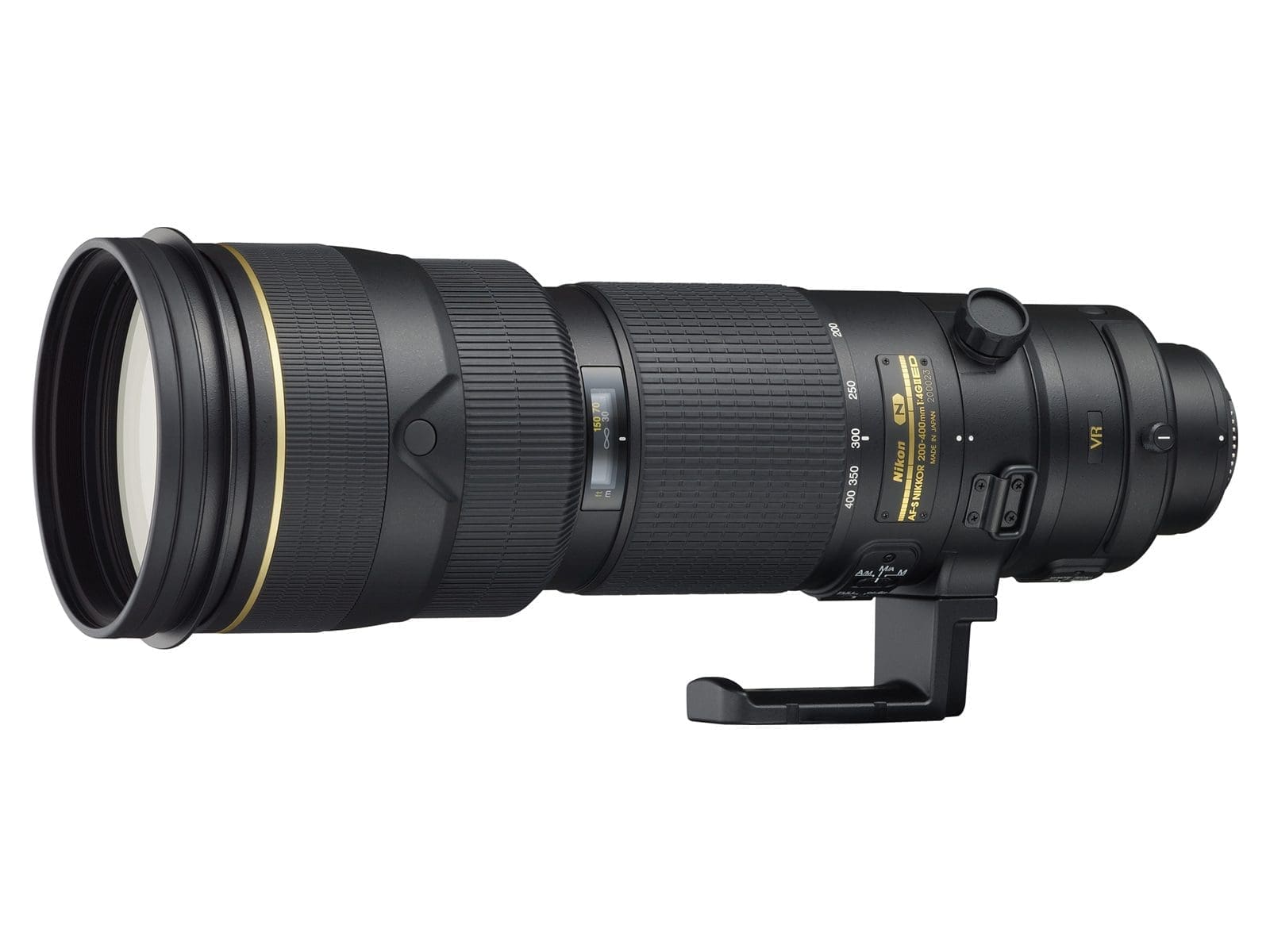
Credit: westernhunter.net
Frequently Asked Questions
What Is The Ideal Lens Size For Bird Photography?
The ideal lens size for bird photography is typically 300mm to 600mm. These focal lengths allow close-up shots from a distance without disturbing birds. Telephoto lenses in this range capture sharp details and vibrant colors effectively.
Can I Use A 200mm Lens For Bird Photography?
A 200mm lens can work for bird photography, especially for larger birds or close-range shots. However, it may lack reach for small or distant birds. Using a teleconverter can extend its focal length and improve versatility.
Why Do Bird Photographers Prefer 400mm Or 500mm Lenses?
400mm and 500mm lenses offer a perfect balance of reach and image quality. They provide enough zoom to capture distant birds while maintaining sharpness and light-gathering ability, making them favorites among bird photographers.
Is A Zoom Lens Better Than A Prime Lens For Birds?
Zoom lenses offer flexibility by covering multiple focal lengths, helpful in unpredictable bird movements. Prime lenses provide sharper images but less versatility. The choice depends on your shooting style and bird species targeted.
Conclusion
Choosing the right lens size makes bird photography easier and more fun. Longer lenses help capture birds from far away without scaring them. Smaller lenses are lighter and good for close shots or quick movement. Think about your budget, camera, and where you will shoot.
Practice with different lenses to see what works best. Enjoy taking clear, sharp photos of birds in nature. Your perfect lens depends on your style and needs. Keep trying and learning to improve every time you shoot.




