
When you first notice signs of illness in your chickens, it can be both worrying and confusing. Bird flu, or avian influenza, is one of those diseases that can spread rapidly through your flock if not addressed promptly.
But don’t worry—you’re not alone in this. Understanding how to treat bird flu in chickens is essential for any poultry owner. Imagine having the peace of mind knowing exactly what steps to take to protect your flock and prevent further spread.
By reading on, you’ll uncover practical, easy-to-follow solutions that will empower you to take swift action. Your chickens rely on you, so let’s dive in and equip you with the knowledge you need.
Recognizing Bird Flu Symptoms
Bird flu is a serious disease in chickens. Early detection helps stop the spread.
Knowing the signs makes it easier to act fast. Watch your chickens closely every day.
Common Signs In Chickens
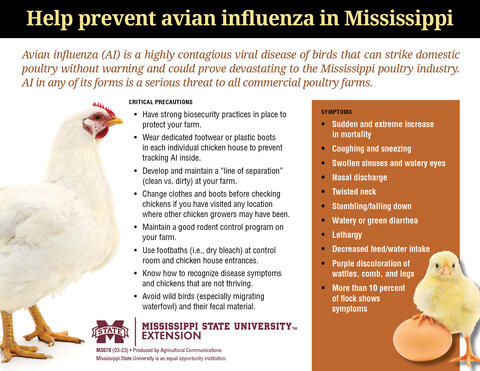
Chickens with bird flu often have swollen heads and faces. They may have red or purple combs and wattles.
Look for nasal discharge, coughing, and sneezing. These show the virus affects their breathing.
- Swollen head and face
- Red or purple comb and wattles
- Nasal discharge
- Coughing and sneezing
- Loss of appetite
- Diarrhea
Behavioral Changes To Watch For
Infected chickens may act weak and tired. They often sit alone and avoid other birds.
Watch for sudden drops in egg production. Also, notice if they stop eating or drinking.
- Weakness and tiredness
- Sitting apart from the flock
- Less egg laying
- Loss of appetite and thirst
- Unusual quietness
Isolating Infected Birds
Bird flu spreads quickly among chickens. Isolating sick birds helps stop the disease from spreading. It protects the healthy birds in your flock.
Separating infected birds reduces contact with others. This is a key step in controlling bird flu outbreaks.
Setting Up A Quarantine Area
Choose a place away from your main flock for the sick birds. It should be easy to clean and disinfect. Use barriers to keep other animals out.
Make sure the area has food and water for the infected birds. Only handle these birds after wearing protective gear like gloves and masks.
- Use separate feeders and waterers
- Clean the area daily
- Keep the quarantine zone dry and ventilated
- Limit access to only necessary caretakers
Preventing Spread To Healthy Flock
Wash hands and change clothes before touching healthy birds. Use disinfectant on boots and tools to kill the virus.
Do not move equipment or feed between quarantine and main areas without cleaning. Keep healthy birds away from places where infected birds were kept.
- Wear clean clothes when caring for healthy birds
- Use footbaths with disinfectant
- Remove dead birds quickly and safely
- Monitor healthy birds for signs of illness daily
Consulting A Veterinarian
Bird flu in chickens is a serious illness. Consulting a veterinarian is important to protect your flock.
A veterinarian can give expert advice and treatment options to manage the disease safely.
When To Seek Professional Help
Contact a veterinarian if your chickens show signs of bird flu. These signs include sudden death, coughing, sneezing, or swollen eyes.
- Sudden drop in egg production
- Weakness or lethargy
- Breathing problems
- Swelling of the head or neck
- Unusual behavior or movement
Early help can reduce the spread and impact of the virus on your flock and farm.
Diagnostic Tests For Confirmation
Veterinarians use tests to confirm bird flu in chickens. These tests help identify the virus type and guide treatment plans.
| Test Type | Purpose | Time to Result |
| Virus Isolation | Detects live virus in samples | 3 to 10 days |
| PCR Test | Finds virus genetic material | 1 to 2 days |
| Serology | Detects antibodies in blood | 2 to 5 days |
Credit: extension.msstate.edu
Supportive Care For Recovery
Bird flu in chickens is a serious illness. Supportive care helps sick birds recover better. This care focuses on comfort and strength.
Good care does not cure the flu but helps chickens fight the virus. It lowers stress and boosts their immune system.
Proper Nutrition And Hydration
Chickens need healthy food and clean water to heal. Nutritious food gives energy and supports their body.
Offer soft, easy-to-eat meals if chickens feel weak. Always keep fresh water nearby to prevent dehydration.
- Provide high-quality poultry feed
- Include extra vitamins and minerals
- Use electrolytes in water to aid hydration
- Change water daily to keep it clean
Maintaining Clean And Comfortable Housing
Clean and cozy housing reduces stress and infections. It helps chickens rest and recover faster.
Keep the coop dry and free from waste. Use soft bedding and avoid overcrowding to keep birds calm.
- Remove droppings daily
- Use fresh bedding like straw or wood shavings
- Ensure good ventilation without drafts
- Separate sick chickens from healthy ones
Medications And Treatments
Treating bird flu in chickens requires careful use of medications. Early treatment can help reduce symptoms and prevent spread.
This guide explains antiviral options and how to manage infections that may occur after the flu.
Antiviral Options And Usage
Antiviral drugs can help fight the bird flu virus in chickens. These medicines reduce virus growth and lessen disease severity.
- Oseltamivir is a common antiviral that blocks virus spread.
- Zanamivir works similarly but is used less often in birds.
- Always follow a vet’s advice on dosage and treatment length.
- Use antivirals early for best results.
- Keep treated birds separated to avoid infecting others.
Managing Secondary Infections
Bird flu weakens chickens, making them prone to other infections. Treating these secondary infections is key to recovery.
| Type of Infection | Treatment | Notes |
| Bacterial | Antibiotics | Use only if vet confirms bacterial infection |
| Fungal | Antifungal drugs | Keep coop dry to prevent fungi growth |
| Parasitic | Antiparasitic medication | Regularly clean water and feed containers |

Credit: agwaycapecod.com
Preventing Future Outbreaks
Bird flu spreads quickly in chicken flocks. Taking steps to prevent it helps keep chickens healthy. You can stop the disease before it starts.
Good prevention saves time and money. It also protects your farm and other animals nearby.
Biosecurity Measures
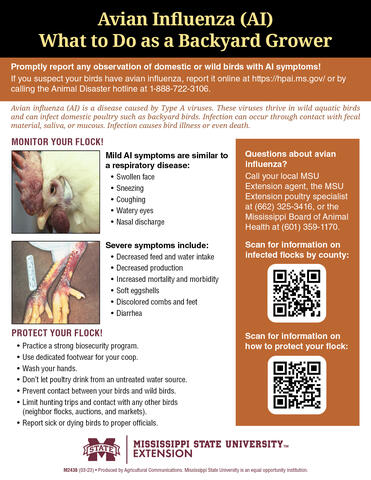
Biosecurity means keeping the virus away from your chickens. Limit who and what enters your farm. Clean and disinfect regularly to stop germs.
Use separate clothes and shoes for working with chickens. Keep new birds separate for at least two weeks before mixing them.
- Control visitors and vehicles on your farm
- Clean feeders and waterers daily
- Remove dead birds quickly and safely
- Keep wild birds and rodents away
- Disinfect equipment and tools often
- Wash hands before and after handling chickens
Vaccination Strategies
Vaccines can protect chickens from bird flu. Talk to a vet about the best vaccine for your area. Vaccination helps build immunity in your flock.
Give vaccines correctly and on time. Keep records of all vaccinations. Combine vaccines with biosecurity for best results.
- Use approved bird flu vaccines only
- Follow instructions for storage and use
- Vaccinate young chicks and new birds
- Repeat vaccination as recommended
- Monitor chickens for side effects after vaccination
Credit: extension.msstate.edu
Frequently Asked Questions
What Are The First Signs Of Bird Flu In Chickens?
Early signs include coughing, sneezing, nasal discharge, and swollen eyes. Chickens may also show lethargy and decreased appetite. Quick detection helps prevent the spread and improves treatment outcomes.
How Can I Treat Bird Flu In My Chickens?
There is no specific cure for bird flu. Supportive care, isolation, and strict hygiene are essential. Consult a vet for antiviral options and proper guidance to manage symptoms and prevent transmission.
Can Bird Flu Spread To Humans From Chickens?
Yes, bird flu can infect humans through close contact with infected birds. Always use protective gear and maintain hygiene to reduce the risk. Seek medical advice if symptoms appear after exposure.
How Do I Prevent Bird Flu In My Poultry Flock?
Implement strict biosecurity measures, limit visitor access, and regularly disinfect equipment. Vaccination and monitoring flock health also help prevent outbreaks. Early action is crucial to protect your chickens.
Conclusion
Treating bird flu in chickens needs quick action and care. Keep sick birds away from healthy ones to stop spread. Clean your coop and tools often to kill germs. Give your chickens good food and water to help them heal.
Watch your flock closely for signs of illness. Contact a vet for advice and medicine if needed. Taking these steps helps protect your chickens and farm. Stay alert and act fast to keep your birds safe.




