
Taking care of a parrot bird can be one of the most rewarding experiences you’ll ever have. But to keep your feathered friend happy and healthy, you need to know the right steps.
Are you ready to discover simple, effective ways to care for your parrot every day? In this guide, you’ll learn everything you need—from feeding and grooming to creating a safe and stimulating environment. Keep reading, and your parrot will thrive like never before.
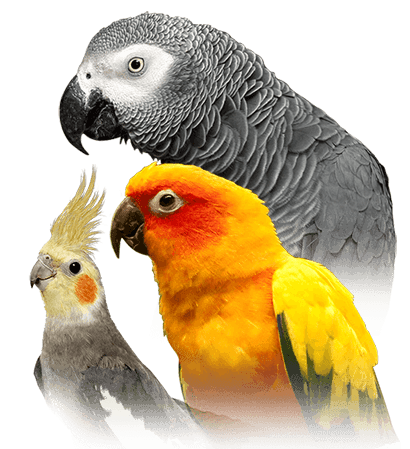
Credit: lafeber.com
Choosing The Right Parrot
Choosing the right parrot is the first step toward a happy and healthy relationship with your feathered friend. Each parrot species has unique needs, behaviors, and energy levels that can affect your daily life. Understanding these differences helps you pick a parrot that fits well with your lifestyle and ensures long-term satisfaction for both you and the bird.
Popular Parrot Species
Some parrot species are well-loved for their personalities and ease of care. Here are a few popular choices:
- Budgerigar (Budgie):Small, social, and relatively easy to care for. Great for beginners.
- African Grey Parrot:Highly intelligent and excellent talkers but require lots of mental stimulation.
- Macaw:Large and vibrant, macaws are playful but need plenty of space and attention.
- Conure:Medium-sized and affectionate, conures are known for their playful and sometimes noisy nature.
- Cockatiel:Friendly and gentle, cockatiels adapt well to families and first-time parrot owners.
Which of these species do you feel would fit your home environment? Your choice impacts your daily interaction and care routine.
Matching Parrot Temperament With Lifestyle
Parrots have distinct temperaments that can either complement or challenge your lifestyle. Think about your daily schedule, noise tolerance, and space before making a decision.
| Temperament | Suitable for | Considerations |
|---|---|---|
| Calm and Quiet | People with busy lifestyles or shared living spaces | May need less social interaction but still require mental stimulation |
| Energetic and Vocal | Active owners who can provide lots of playtime and attention | Can be loud and demanding, may not suit apartments |
| Social and Affectionate | Families or individuals seeking close bonds with their pet | Require daily interaction; can develop behavioral issues if lonely |
Ask yourself: How much time can you realistically spend with your parrot each day? Matching your lifestyle to your parrot’s temperament is key to avoiding frustration and ensuring a strong bond.
Setting Up The Cage
Setting up your parrot’s cage is one of the most important steps in ensuring its health and happiness. The cage is more than just a home; it’s where your parrot will eat, sleep, and play. Paying close attention to the cage setup can prevent many common problems like stress, boredom, and injury.
Ideal Cage Size And Material
Your parrot needs space to stretch its wings and move freely. A cramped cage can cause frustration and behavioral issues. Choose a cage that is at least twice the wingspan of your bird in width, depth, and height.
Material matters too. Stainless steel cages are durable, easy to clean, and safe from rust or toxic coatings. Avoid cages with zinc or lead paint, as these are harmful if ingested.
Think about the bar spacing as well. If the bars are too wide, your parrot might escape or get stuck; too narrow, and it limits visibility and airflow. For medium to large parrots, 1/2 to 3/4 inch spacing usually works best.
Safe Placement And Environment
Where you put the cage affects your parrot’s well-being. Place it in a lively room where your bird can interact with the family but avoid direct sunlight, drafts, or the kitchen area. Smoke and fumes from cooking can be fatal to birds.
Height is important too. Position the cage at or above your shoulder level to make your parrot feel secure. Parrots instinctively feel safer when they can see their surroundings from a higher vantage point.
Consider noise and lighting. Parrots need a quiet place to rest but also natural light to regulate their sleep cycle. You might ask yourself: Is your parrot’s cage a cozy retreat or just a space in the corner?
Nutrition And Feeding
Feeding your parrot the right foods is crucial for its health and happiness. Nutrition affects their energy, feathers, and even mood. Understanding what to feed and what to avoid can make a big difference in your bird’s life.
Balanced Diet Essentials
A balanced diet for your parrot should include a variety of seeds, fresh fruits, vegetables, and pellets designed for parrots. Seeds alone lack important nutrients, so add colorful veggies like carrots, bell peppers, and leafy greens to their meals.
Fruits such as apples, berries, and mangoes offer natural vitamins but should be given in moderation because of sugar content. Pellets provide a consistent source of vitamins and minerals, filling gaps that fresh foods might miss.
Think about how you feel when eating the same thing every day—your parrot feels that too. Changing their diet keeps them interested and ensures they get a wide range of nutrients.
Foods To Avoid
Some common foods can harm your parrot and should never be offered. Avoid chocolate, caffeine, avocado, and alcohol entirely, as these are toxic to birds.
High-fat, salty, or sugary snacks like chips and candy can lead to obesity and health problems. Also, avoid feeding onions, garlic, and rhubarb—they can cause digestive issues or worse.
Have you ever noticed your parrot turning away from certain foods? It might be a natural instinct to avoid something harmful. Respecting these signs can help you protect their health.
Daily Care Routine
Provide fresh water and clean the cage daily to keep your parrot healthy. Offer a balanced diet with fruits, vegetables, and seeds. Spend time talking and playing to keep your bird happy and social.
Daily care for your parrot is crucial to ensure their happiness and well-being. Just like any pet, parrots thrive on routine. Establishing a daily care routine is essential for their health and your peace of mind. A structured routine not only helps in monitoring their health but also strengthens the bond you share.Cleaning And Hygiene
Keeping your parrot’s environment clean is a fundamental aspect of their daily care. Make it a habit to clean their cage every day. Remove uneaten food, change the water, and clean any droppings. A clean cage reduces the risk of infections and keeps your parrot healthy. Invest in a safe, non-toxic disinfectant to use weekly on perches and toys. Your parrot will appreciate a fresh environment as much as you do.Exercise And Mental Stimulation
Parrots are intelligent and energetic birds that need plenty of exercise and mental challenges. Ensure your parrot gets out-of-cage time daily. This not only provides them with exercise but also allows them to socialize and explore. Introduce new toys regularly to keep their environment engaging. Puzzle toys, chewable items, and safe branches can all contribute to mental stimulation. Ask yourself, is your parrot curious and engaged with its surroundings? If not, it’s time to switch things up. By dedicating time each day to these routines, you’re setting your parrot up for a healthy, happy life. Your attention and care make all the difference in your feathered friend’s daily experience.Social Interaction
Social interaction plays a crucial role in the well-being of your parrot. These birds thrive on connection and mental stimulation. Without enough social time, parrots can become lonely or develop behavioral problems that are tough to manage.
Bonding Techniques
Building trust with your parrot takes patience and consistency. Spend daily time talking softly and offering treats to create positive associations with your presence.
Try simple activities like hand-feeding or gentle petting to deepen your bond. Notice your bird’s body language to understand when it feels comfortable or needs space.
Engage your parrot in interactive play using toys or games. This not only entertains but also strengthens your relationship by showing that you care about its happiness.
Handling Behavioral Issues
Parrots may display biting, screaming, or feather plucking if they feel ignored or stressed. React calmly and avoid punishment, which can worsen these behaviors.
Redirect attention to positive actions by offering a toy or starting a training session. Consistent routines and clear boundaries help your bird feel secure and reduce anxiety.
Ask yourself: Are you providing enough mental and physical stimulation daily? Boredom often leads to problem behaviors, so adjusting your interaction time can make a big difference.
Health Monitoring
Keeping a close eye on your parrot’s health is key to ensuring it lives a long, happy life. Birds often hide their illnesses, so you need to be alert to subtle changes. Regular health monitoring helps you catch problems early and provide timely care.
Common Illness Signs
Watch for any changes in your parrot’s behavior or appearance. Signs like a sudden drop in appetite, fluffed-up feathers, or unusual droppings can signal illness.
- Changes in droppings:Look for watery, discolored, or foul-smelling droppings.
- Respiratory issues:Notice wheezing, coughing, or labored breathing.
- Behavioral shifts:Be aware if your bird becomes lethargic, aggressive, or unusually quiet.
I once missed a subtle change in my parrot’s breathing, and it turned out to be an early sign of respiratory infection. Catching it early made treatment easier and faster.
Regular Vet Visits
Even if your parrot seems healthy, schedule vet checkups at least once a year. Birds can mask symptoms, so a professional exam helps detect hidden problems.
Choose an avian vet experienced with parrots. They can offer tailored advice on diet, behavior, and vaccinations.
During visits, ask about preventive care. Are there specific vaccines or supplements your bird needs? What signs should you watch for at home? These questions make your care proactive, not reactive.
Travel And Safety Tips
Traveling with your parrot can be an exciting adventure, but it requires careful planning to keep your feathered friend safe and comfortable. Understanding how to prepare for trips and handle emergencies can make a big difference in your bird’s well-being. Here are some practical tips to help you manage travel and safety effectively.
Preparing For Trips
Start by selecting a sturdy travel cage that is secure yet well-ventilated. Your parrot needs enough space to move but not so much that it risks injury during sudden stops. Adding familiar toys or a favorite perch can help reduce stress during travel.
Plan your route and stops ahead of time. Make sure to bring enough food, water, and cleaning supplies. Keep the cage covered with a breathable cloth to help your parrot feel safe and reduce exposure to sudden changes in light or noise.
Before you leave, get your parrot used to the travel cage by letting it spend time inside. This simple step can prevent panic and make the journey smoother. Have you noticed how your bird reacts to new environments? Observing this can guide your preparation.
Emergency Precautions
Emergencies can happen anytime, so always carry a first aid kit designed for birds. Include items like styptic powder, gauze, and antiseptic wipes. Knowing basic first aid for parrots can be lifesaving.
Keep your veterinarian’s contact details handy, especially one who is familiar with avian care. It’s useful to research emergency clinics along your travel route. Quick access to professional help can reduce stress and improve outcomes.
Have a plan for unexpected situations such as your bird escaping or sudden illness. Use an ID tag on your parrot’s cage and consider microchipping if appropriate. How prepared are you for a sudden emergency during travel?
Credit: www.youtube.com

Credit: birdsupplies.com
Frequently Asked Questions
How Often Should I Feed My Parrot Bird Daily?
Feed your parrot bird two to three times daily with fresh food. Include fruits, vegetables, seeds, and pellets for balanced nutrition. Always provide clean water and remove uneaten food to maintain hygiene and health.
What Is The Ideal Cage Size For A Parrot?
Choose a cage large enough for your parrot to spread wings and move freely. Minimum dimensions depend on species but generally, bigger cages improve comfort and well-being. Include perches and toys for stimulation.
How Can I Keep My Parrot Mentally Stimulated?
Provide toys, puzzles, and regular interaction to prevent boredom. Rotate toys weekly and teach simple tricks. Mental stimulation improves your parrot’s happiness and reduces behavioral problems like screaming or biting.
What Are Common Health Signs To Watch For In Parrots?
Monitor appetite, droppings, feathers, and activity levels daily. Look for signs of illness such as lethargy, feather plucking, or respiratory issues. Early detection ensures prompt veterinary care and better recovery.
Conclusion
Caring for a parrot takes time and patience. Provide fresh food and clean water daily. Give your bird space to fly and play. Talk and interact to keep it happy. Watch for signs of illness or stress. A healthy parrot lives longer and feels loved.
Small efforts make a big difference every day. Enjoy the bond you build with your parrot. Your care creates a safe and joyful home. Keep learning and adapting to your bird’s needs.




