
Are you tired of squirrels stealing all the birdseed from your feeder? It’s frustrating to watch these little acrobats climb up your bird feeder pole and enjoy a free meal meant for the birds.
But don’t worry—you’re not alone, and there are simple, effective ways to stop squirrels in their tracks. You’ll discover easy tricks and practical tips that will protect your bird feeder and keep the squirrels at bay. Keep reading, and soon you’ll enjoy watching birds without the unwanted squirrel visitors ruining your peaceful garden moments.
Why Squirrels Climb Bird Feeder Poles
Squirrels climbing bird feeder poles is a common problem for many bird lovers. Understanding why squirrels climb can help stop them from reaching the feeders. Squirrels are clever and persistent creatures. They want to get the easy food found in bird feeders. Knowing their habits and skills explains their behavior around feeders.
Squirrels’ Attraction To Bird Feeders
Squirrels see bird feeders as a food treasure. The seeds and nuts inside are tasty and easy to access. They don’t have to work hard like they do for natural food. The feeders provide a steady food supply, especially in winter. Squirrels are always on the lookout for high-energy food. Bird feeders meet this need perfectly. The bright colors and movement of birds also attract squirrels to the feeders.
Common Climbing Techniques
Squirrels use different ways to climb poles and reach feeders. They have sharp claws and strong legs for climbing. They can jump from nearby trees or fences onto the pole. Squirrels grip the pole tightly as they climb. They often use a zig-zag pattern to avoid slipping. Some squirrels can hang upside down to reach feeders. Their agility and balance make them hard to stop. Understanding these techniques helps in designing better squirrel-proof feeders.
Credit: www.homesandgardens.com
Choosing The Right Pole For Your Feeder
Choosing the right pole for your bird feeder is a key step to keep squirrels at bay. The pole you select can either invite these pesky climbers or keep them away. Let’s look closely at what makes a pole effective in stopping squirrels from reaching your feeder.
Material Matters
The material of the pole plays a huge role in preventing squirrels from climbing up. Smooth metals like aluminum or stainless steel are harder for squirrels to grip. Wood poles, while natural-looking, often give squirrels a perfect foothold to scamper up easily.
Consider a metal pole with a slick surface to frustrate squirrels’ climbing attempts. Some bird enthusiasts add a metal baffle around the pole to create an extra barrier. Have you tried using a PVC pipe around your pole? It’s slippery and makes climbing almost impossible for squirrels.
Pole Height And Placement
Height matters more than you might expect. A pole placed too close to trees, fences, or other structures gives squirrels an easy leap to your feeder. Position your feeder pole at least 6 feet away from any jumping points.
The pole should be tall enough—ideally 5 to 6 feet—to keep squirrels from jumping directly onto the feeder. Placing the pole in an open area not only deters squirrels but also offers birds a safer feeding spot. Could moving your feeder just a few feet away from a tree make all the difference?
Physical Barriers To Block Squirrels
Stopping squirrels from climbing bird feeder poles requires physical barriers. These barriers create obstacles squirrels cannot easily cross. They protect your bird feeder and keep squirrels away from the food.
Physical barriers come in various forms. Some work by blocking the squirrel’s path. Others make the pole slippery or uncomfortable to climb. Using these barriers helps maintain a squirrel-free feeding spot.
Squirrel Baffles
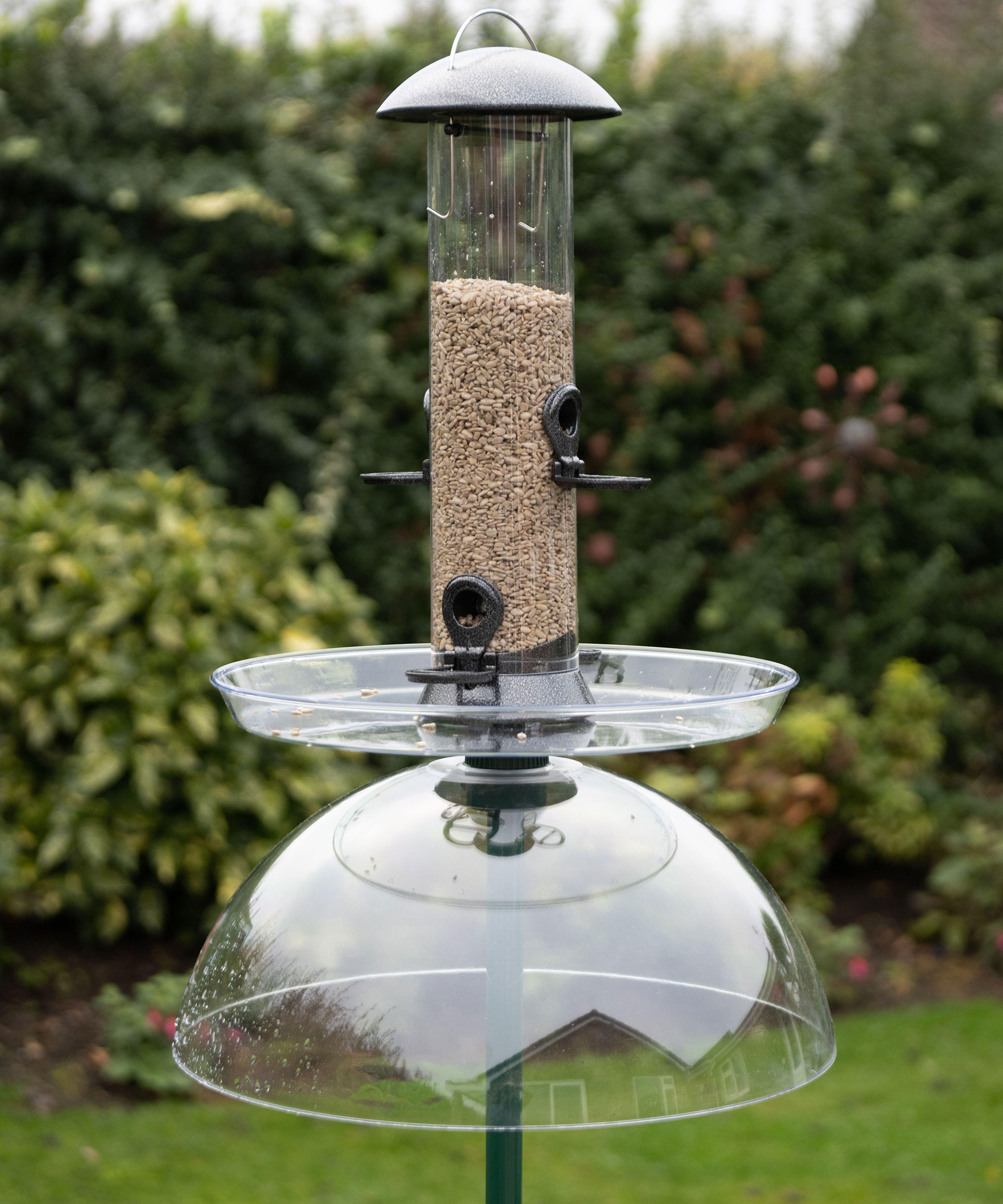
Squirrel baffles are dome or cone-shaped guards placed below the feeder. They prevent squirrels from climbing past them. Made of metal or plastic, baffles are smooth and hard to grip.
Installing a baffle around the pole stops squirrels from reaching the feeder. Position it at least 4 feet above the ground for best results. Baffles also keep other animals like raccoons away.
Grease And Slippery Coatings
Applying grease or slippery coatings on poles makes climbing difficult. Squirrels cannot hold on to slick surfaces. You can use special pole grease or petroleum jelly.
Spread a thin layer on the pole below the feeder. Check and reapply regularly, especially after rain. This method is simple and inexpensive but requires maintenance.
Pole Guards And Wraps
Pole guards and wraps cover the pole to block squirrels. They are made from materials like metal, plastic, or vinyl. These guards create a smooth surface that squirrels cannot climb.
Wrap the guard tightly around the pole, covering the climbing area. Some guards come with spikes or ridges for added protection. Choose a guard that fits your pole size for easy installation.
Feeder Design To Deter Squirrels
Designing your bird feeder with squirrels in mind can save you a lot of frustration. The right feeder not only attracts birds but also keeps pesky squirrels at bay. Let’s look at some smart feeder designs that help you protect your bird food without constant battles.
Weight-activated Feeders
Weight-activated feeders are clever devices that respond to the weight of the animal on the perch. When a squirrel climbs on, the feeder senses the extra weight and quickly closes off the food access. Birds, being lighter, can feed without any problem.
These feeders are especially useful if squirrels are your main problem. Have you noticed squirrels making a mess around your feeder? Using a weight-activated feeder can drastically reduce wasted seeds and keep squirrels from getting a free meal.
Squirrel-proof Feeders
Squirrel-proof feeders are built tough and tricky for squirrels to handle. Many come with cages or metal guards that allow birds to enter but block larger, stronger squirrels. Some even have smooth poles or baffles that make climbing difficult.
Choosing a feeder with durable materials and thoughtful design makes a big difference. Have you ever tried a feeder that squirrels quickly took over? Switching to a squirrel-proof model can save your patience and your birdseed budget.
Using Natural Deterrents
Sprinkling cayenne pepper or placing strong-smelling herbs like mint near the feeder pole can keep squirrels away. These natural scents bother squirrels but do not harm birds. Using such deterrents helps protect your bird feeder without chemicals.
Using natural deterrents can help keep squirrels off your bird feeder pole. These methods are eco-friendly and safe for the birds. By using scents and plants squirrels dislike, you can protect your feeders. Let’s explore these natural solutions.Spices And Scents Squirrels Avoid
Certain spices and scents repel squirrels effectively. Strong smells like cayenne pepper and garlic keep them away. Sprinkle cayenne pepper around the base of the pole. Squirrels dislike the pungent smell and taste. Garlic powder is another option. Sprinkle it around the feeder area. Essential oils like peppermint or eucalyptus also work well. Mix the oil with water and spray it on the pole. This will deter squirrels without harming birds.Planting Squirrel-repellent Plants
Certain plants can deter squirrels naturally. Squirrels avoid plants with strong fragrances like mint. Plant mint around your feeder to keep squirrels at bay. Daffodils are another good choice. They have compounds that squirrels don’t like. Plant them around your garden or feeder area. Alliums and marigolds are also effective. They not only repel squirrels but add beauty to your garden.
Credit: www.amazon.ca
Alternative Feeding Stations For Squirrels
Creating alternative feeding stations for squirrels can be a game-changer in your quest to keep them away from your bird feeders. When you offer them their own designated feeding spots, you redirect their attention and energy. This not only helps in preserving your bird feed but also provides squirrels with nourishment, keeping them healthy and active.
Providing Separate Squirrel Feeders
Consider installing squirrel feeders a distance away from your bird feeders. These feeders can be filled with foods that squirrels love, like corn, nuts, and sunflower seeds. By catering to their preferences, you can help ensure they stick to their own feeding area.
Ensure the squirrel feeder is easy for them to access. You might be surprised at how quickly they adapt to their new feeding spot. This can be a win-win for everyone involved.
Redirecting Squirrel Activity
Think about ways to entertain squirrels while they eat. Adding toys or obstacles can keep them engaged and occupied. This not only adds an element of fun but also helps them burn off energy.
Are there natural features in your yard that could serve as play areas? Trees, bushes, or even rocks can be integrated into their feeding environment. By keeping them busy, you can reduce their interest in climbing bird feeder poles.
What creative solutions have you tried to keep squirrels at bay? Share your experiences and see what works best for your backyard ecosystem. By experimenting with different setups, you can find a balance that respects both your feathered and furry friends.
Regular Maintenance And Monitoring
Regular maintenance and monitoring keep bird feeders safe from squirrels. Checking feeders and poles often stops squirrels before they cause problems. This habit helps spot damage or weaknesses early. It also ensures that anti-squirrel measures work well.
Cleaning Feeders And Poles
Clean bird feeders and poles regularly to prevent sticky seeds or sap. Squirrels use these to climb easily. Wash feeders with warm water and mild soap. Rinse well and dry before refilling. Clear poles of dirt and debris. Clean poles stop squirrels from gaining grip.
Adjusting Strategies Over Time
Change squirrel-proof methods as needed to keep them effective. Squirrels learn and adapt quickly. Move feeders to new spots if squirrels find a way. Replace worn baffles or guards. Try different feeder designs or pole materials. Constant adjustment keeps squirrels from winning the battle.

Credit: happygardens.com
Frequently Asked Questions
How Can I Stop Squirrels Climbing Bird Feeder Poles?
Use physical barriers like baffles or cone-shaped guards around the pole. These prevent squirrels from climbing up to the feeder. Regularly check and adjust these barriers to ensure they stay effective and secure.
What Materials Repel Squirrels From Bird Feeder Poles?
Metal or slippery plastic materials work well as squirrel repellents. These materials make climbing difficult for squirrels. Avoid wooden poles as squirrels can grip them easily and climb up to the feeder.
Are Squirrel Baffles Effective For Bird Feeder Poles?
Yes, squirrel baffles are very effective. They block squirrels from climbing poles by creating a physical barrier. Proper installation and maintenance are key to keeping squirrels away from feeders.
Can I Use Natural Deterrents To Keep Squirrels Away?
Yes, natural deterrents like cayenne pepper or peppermint oil can discourage squirrels. Apply them around the feeder pole carefully. These scents repel squirrels without harming birds or the environment.
Conclusion
Stopping squirrels from climbing your bird feeder pole takes patience and simple steps. Use barriers like baffles or grease to block their path. Keep the area clean to avoid attracting squirrels. Try different methods until you find what works best.
Protect your bird feeders to enjoy watching birds peacefully. Small changes can make a big difference in your garden. Stay consistent and watch your bird feeder become squirrel-free. Your birds will thank you for it!




