
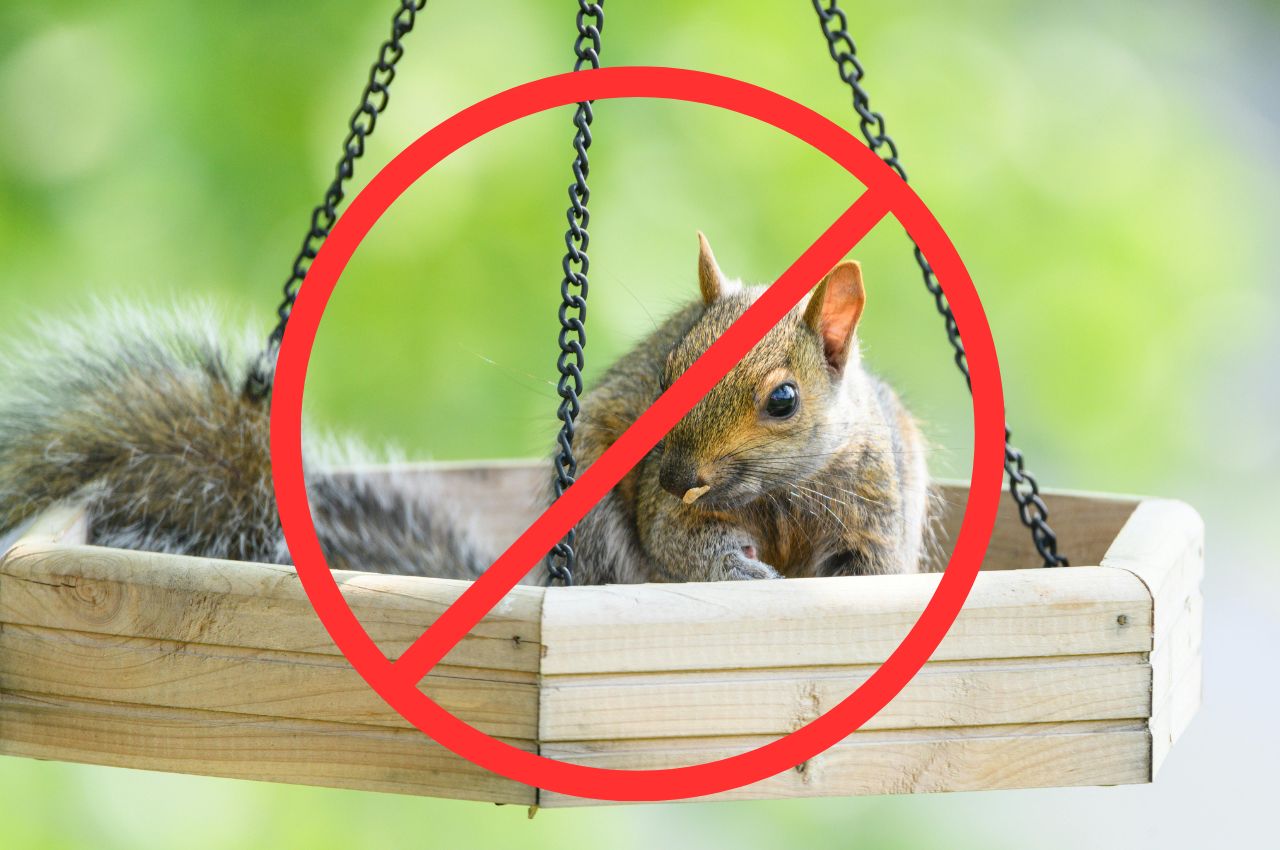
Are you tired of squirrels raiding your bird feeders and stealing all the seeds? You’re not alone.
These clever little creatures can turn your peaceful bird-watching time into a frustrating battle. But don’t worry—there are simple and effective ways to keep squirrels away without harming them. You’ll discover easy tips and tricks that will help protect your bird feeders and let the birds enjoy their food in peace.
Keep reading to find out how you can reclaim your feeders and bring back the joy of watching your feathered friends.
Why Squirrels Invade Bird Feeders
Squirrels often invade bird feeders because they find an easy food source. These little creatures are smart and quick. They know that bird feeders hold tasty seeds and nuts. This makes feeders very attractive to them, especially in colder months when food is scarce. Understanding why squirrels come to feeders helps in keeping them away.
Squirrel Attraction To Feeders
Squirrels are drawn to bird feeders for several reasons:
- Feeders offer a steady food supply.
- Seeds and nuts are high in energy and easy to eat.
- Feeders are often placed in quiet, safe areas.
- They provide food during harsh weather when natural sources are limited.
The sound and sight of seeds can also lure squirrels from a distance. Their strong sense of smell helps them find feeders quickly.
Common Squirrel Behaviors
Squirrels use many clever tricks to get to the food:
- Jumping from nearby trees or structures.
- Climbing poles or feeder stands.
- Gnawing on feeder parts to open access.
- Waiting patiently for birds to leave before moving in.
They are persistent and will try many times until successful. Squirrels also learn from each other, making them harder to deter over time.
Credit: www.beakybites.co.uk
Choosing Squirrel-proof Feeders
Choosing squirrel-proof feeders helps protect bird food from unwanted visitors. These feeders reduce waste and keep birds safe from aggressive squirrels. Selecting the right feeder requires understanding the types and materials that resist squirrel interference. A good feeder blends function and design to deter squirrels effectively.
Types Of Squirrel-resistant Feeders
- Weight-Activated Feeders:These feeders close access ports under the squirrel’s weight, allowing only lighter birds to feed.
- Cage Feeders:A metal or plastic cage surrounds the feeding area, blocking squirrels but letting smaller birds through.
- Tube Feeders with Baffles:Baffles are dome-shaped or cylindrical guards placed above or below the feeder to prevent squirrels from climbing or jumping.
- Speed-Feeders:Designed for quick feeding, limiting the time squirrels have to grab seeds.
Materials And Design Features
- Metal Construction:Strong metal resists chewing and scratching by squirrels.
- Sturdy Plastic:Durable plastic can deter squirrels if thick and well-built.
- Slippery Surfaces:Smooth finishes prevent squirrels from gripping and climbing.
- Weight Sensors:Built-in sensors close feeding ports when heavy animals land.
- Strategic Placement of Baffles:Large, well-positioned baffles block squirrel access from above or below.
- Secure Mounting:Feeders fixed on poles with baffles reduce squirrel climbing opportunities.
Feeder Placement Strategies
Choosing the right spot for your bird feeder can help keep squirrels away. Squirrels use trees and nearby structures to jump onto feeders. Careful placement can reduce their access. Small changes can make a big difference in protecting your bird food.
Optimal Distance From Trees And Structures
Place feeders at least 10 feet away from trees, fences, and walls. Squirrels can jump far, so distance matters. Avoid placing feeders near branches or rooftops. Squirrels use these as launching points. Clear space around the feeder limits their reach.
Keep feeders at least 5 feet above the ground. This height makes it harder for squirrels to climb up. Use thin poles that squirrels cannot grip easily. Avoid nearby wires or ropes that squirrels can use to cross.
Using Poles And Baffles
Mount feeders on tall, smooth poles. Poles made of metal or plastic work well. Add a baffle below the feeder to block squirrels. Baffles are dome-shaped or cylindrical guards. They stop squirrels from climbing up the pole.
Choose baffles that are wide enough to prevent squirrels from going around. Position baffles at least 4 feet above the ground. Ensure the pole is stable and not near objects squirrels can use to jump. These measures keep squirrels off the feeder and protect your birdseed.

Credit: www.yahoo.com
Natural Deterrents And Repellents
Natural deterrents like cayenne pepper or garlic can keep squirrels away from bird feeders. Sprinkling these around feeders creates a scent squirrels dislike, protecting your bird food. Using plants squirrels avoid, such as mint, adds extra protection without harming birds.
Keeping squirrels out of your bird feeders can feel like an endless battle. These crafty creatures often outsmart even the most sophisticated deterrents. However, using natural deterrents and repellents can be an effective and environmentally friendly solution. By harnessing the power of nature, you can create a peaceful haven for your feathered friends.Spices And Scents Squirrels Avoid
Certain spices and scents are known to repel squirrels. Cayenne pepper is a popular choice. Sprinkling it around your bird feeder or mixing it with birdseed can deter squirrels without affecting the birds. Birds can’t taste the heat, but squirrels find it unbearable. Another effective option is peppermint oil. Soak cotton balls in peppermint oil and place them around your bird feeder. The strong scent is unpleasant to squirrels, keeping them at bay. Have you considered garlic powder? Its potent aroma can also act as a deterrent. Mix it with water and spray it around your bird feeder area.Plants That Repel Squirrels
Integrating certain plants into your garden can naturally repel squirrels. Daffodils, for instance, are not only beautiful but also unappealing to squirrels. Their toxic bulbs discourage these critters from digging around. Alliums (part of the onion family) can also act as a deterrent. Their strong smell is unpleasant to squirrels and can keep them away from your feeders. Consider planting fritillaries. Their unique appearance and scent provide a dual purpose, deterring squirrels and adding beauty to your garden. Have you tried using natural deterrents in your garden? These simple and effective strategies can help maintain a squirrel-free space for your birds to enjoy.Feeding Alternatives To Distract Squirrels
Keeping squirrels away from your bird feeders can be frustrating. One effective way to manage this is by offering feeding alternatives that distract squirrels from the bird seed. Giving them their own designated food spots helps satisfy their hunger and keeps your feeders safe for the birds you want to attract.
Dedicated Squirrel Feeders
Setting up a dedicated squirrel feeder can be a game-changer. These feeders are designed to hold foods squirrels enjoy, placed far enough from bird feeders to draw their attention away.
Place the squirrel feeder about 10 to 15 feet away from your bird feeders. This distance helps reduce the chance of squirrels jumping over to the bird seed. You can use simple platforms or mesh feeders filled with nuts or corn.
I’ve noticed that once squirrels find their own feeding station, they visit the bird feeders much less. It’s almost like giving them a food “deal” that keeps everyone happy.
Safe Foods For Squirrels
Not all human snacks are safe for squirrels, so choose foods that support their health. Good options include unsalted peanuts, sunflower seeds, corn on the cob, and small pieces of fruit like apples or grapes.
Avoid feeding them processed foods or anything with salt and sugar. These can harm squirrels and cause them to avoid the feeder you want them to use.
Have you tried offering fresh corn cobs on a platform feeder? Squirrels love chewing on them, and it’s an inexpensive way to keep them busy. Providing these safe snacks encourages squirrels to stay satisfied and less interested in your bird feeders.
Maintenance Tips To Discourage Squirrels
Squirrels can be persistent when trying to access bird feeders. Regular maintenance can help keep them at bay. Simple steps can make your feeders less attractive to these clever critters. Let’s explore some maintenance tips to discourage squirrels effectively.
Cleaning Feeders Regularly
Dirty feeders attract squirrels. Clean them weekly to remove food residue. Use warm, soapy water. Rinse thoroughly and let them dry before refilling. Clean feeders ensure birds get fresh food, while reducing squirrel interest.
Removing Fallen Seeds
Fallen seeds on the ground are a squirrel magnet. Sweep the area beneath your feeders daily. Use a tray to catch seeds that fall. This minimizes waste and keeps squirrels from feasting below.
Additional Tools And Gadgets
Keeping squirrels away from your bird feeders can sometimes feel like a full-time job. Beyond traditional deterrents, there are modern tools and gadgets designed to make your life easier and protect your feathered friends’ food. These additional devices use technology to create barriers or distractions that squirrels dislike, giving you more peace while you enjoy birdwatching.
Motion-activated Devices
Motion-activated devices are a smart way to keep squirrels off your feeders. These gadgets sense movement and respond with water sprays, flashing lights, or sounds that startle squirrels without harming them.
Imagine sitting on your porch, watching squirrels approach, only to see a sudden harmless spray send them scampering away. That quick reaction can save your birdseed and keep the squirrels guessing.
Some popular options include:
- Motion-activated sprinklers:They use sensors to detect squirrels and spray water instantly.
- Flashlight alarms:Bright, sudden flashes can deter nighttime or early morning visitors.
- Sound emitters:Emit sharp noises only when motion is detected, ensuring birds aren’t disturbed continuously.
Ultrasonic Repellents
Ultrasonic repellents emit high-frequency sounds that irritate squirrels but are inaudible to humans and most birds. These devices create an invisible sonic barrier around your feeders.
It’s fascinating how sound can be used without chemicals or physical traps. However, placement is key—these repellents work best in enclosed or limited spaces where the sound waves don’t dissipate quickly.
When choosing an ultrasonic repellent, consider:
- Range of coverage to fit your feeding area.
- Power source—battery-operated models offer flexibility, while plug-in units provide constant power.
- Adjustable frequency settings to ensure effectiveness against squirrels without affecting other animals.
Could these silent protectors be the answer to your squirrel problem? They offer a low-maintenance option that blends technology with nature-friendly control.

Credit: www.yahoo.com
Frequently Asked Questions
How Can I Squirrel-proof My Bird Feeder Effectively?
Use squirrel baffles, place feeders away from launch points, and choose feeders with weight-sensitive perches. Regularly clean the area to remove spilled seeds, which attract squirrels. These steps create physical and behavioral barriers that help keep squirrels away.
What Types Of Bird Feeders Deter Squirrels Best?
Feeders with metal cages, weight-sensitive perches, or enclosed designs deter squirrels. These feeders restrict access to seeds for squirrels but allow birds to feed easily. Opt for feeders labeled as “squirrel-proof” for the best results.
Does Feeding Squirrels Separately Reduce Feeder Raids?
Yes, providing a separate feeding station for squirrels can distract them. Use foods like corn or nuts to keep squirrels satisfied away from bird feeders. This reduces their interest in raiding bird seed.
Can Natural Repellents Keep Squirrels Away From Feeders?
Certain natural repellents like cayenne pepper or peppermint oil may deter squirrels. Sprinkle these around feeders but avoid direct contact with bird seed. Repellents can help but are best combined with physical deterrents.
Conclusion
Keeping squirrels away from bird feeders takes patience and smart choices. Use squirrel-proof feeders and place them wisely. Try adding baffles or hanging feeders on thin wires. Regularly clean up spilled seeds to avoid attracting squirrels. Remember, no method is perfect, but small efforts help a lot.
Enjoy watching birds without constant squirrel trouble. Stay consistent, and your feeders will attract more birds, not squirrels.




