
Are black birds taking over your bird feeders and scaring away the smaller birds you want to enjoy? You’re not alone.
These persistent visitors can be frustrating, but you don’t have to give up on your feeders. Imagine watching your favorite small birds return, without the hassle of those noisy black birds dominating every spot. You’ll discover simple, effective ways to keep black birds away and bring back the peaceful, colorful birdwatching experience you deserve.
Keep reading to find out how to take control of your feeders and enjoy the birds you love.
Reasons Black Birds Visit Feeders
Understanding why black birds visit your feeders is key to managing their presence effectively. These birds are drawn by specific needs and behaviors that make your feeders attractive spots. Knowing what motivates them helps you find better ways to keep your feeders welcoming to your favorite birds while discouraging unwanted guests.
Common Black Bird Species
Several black bird species are frequent visitors to feeders. The European Starling is one of the most common, known for its glossy black feathers and loud calls. They often arrive in large groups, which can overwhelm feeders quickly.
Another common species is the Common Grackle. These birds have striking iridescent black plumage and a strong beak, allowing them to eat a variety of seeds and insects. They tend to dominate feeders because of their size and aggressive behavior.
Red-winged Blackbirds also visit feeders but are more seasonal. They show up mostly in spring and early summer, attracted to open fields near water. These birds add a splash of color with their red shoulder patches, but their presence can be just as persistent.
Attractions For Black Birds
Black birds are attracted to feeders for several reasons. First, the easy access to food is a major draw. They prefer high-energy seeds like sunflower seeds and cracked corn, which provide the calories they need.
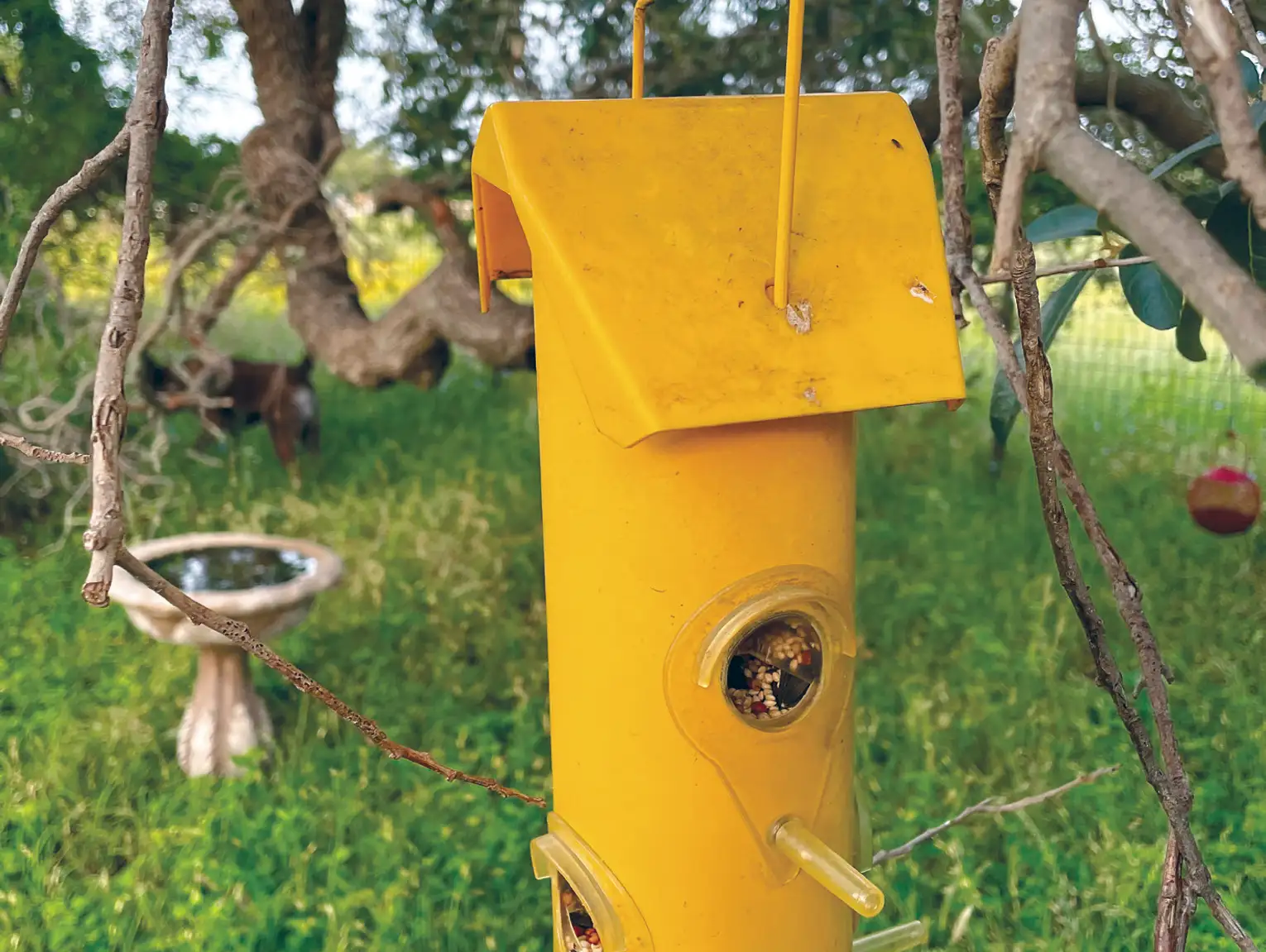
Another attraction is the safety your feeder area might offer. If your feeder is near shrubs or trees, black birds feel protected from predators. This sense of security encourages them to linger longer.
Noise and activity can also lure black birds. They are curious and social, often coming to feeders where other birds gather. This behavior means that once a few black birds find your feeder, many more might follow.
Ask yourself: Are you unintentionally making your feeder a hotspot for black birds by offering their favorite foods or placing it in a sheltered, busy area? Adjusting these factors can reduce their visits and help balance your backyard bird community.
Credit: www.highlandernews.com
Problems Caused By Black Birds
Black birds at feeders can cause several problems. These birds often dominate feeding areas and upset the balance of local wildlife. Understanding the issues they create helps in managing them effectively.
Feeder Damage
Black birds are strong and persistent. They peck and claw at feeders, causing cracks and breaks. This damage leads to costly repairs or replacements. Feeders may become unusable quickly if black birds are frequent visitors.
Disrupting Other Birds
Black birds are aggressive and push away smaller birds. They often take over feeders, leaving little food for others. This disrupts the natural feeding habits of songbirds and can reduce bird diversity in your yard.
Health Concerns
Black birds can spread diseases through droppings and saliva. These germs may infect other birds and sometimes pets. Dirty feeders also attract pests like rodents. Keeping feeders clean and controlling black birds helps maintain a healthy environment.
Choosing Bird Feeders That Deter Black Birds
Choosing the right bird feeder can make a huge difference if you want to keep black birds away from your feeders. These birds are smart and adaptable, often taking over feeders meant for smaller, more delicate birds. Picking feeders designed to deter black birds helps protect your seed and keeps your garden bird-friendly without constant battles.
Feeder Designs To Avoid
Feeders with large, open trays or platforms attract black birds because they offer easy access and plenty of space to perch. These open designs also allow black birds to dominate the feeder and scare off smaller birds.
Tube feeders with wide perches or multiple feeding ports are another magnet for black birds. They can comfortably land and feed without effort, making it hard to keep them away.
Think about what you’ve noticed in your own yard. Have you seen black birds crowding around flat, open feeders? That’s a sign you might need to switch to a different design.
Black Bird Resistant Feeders
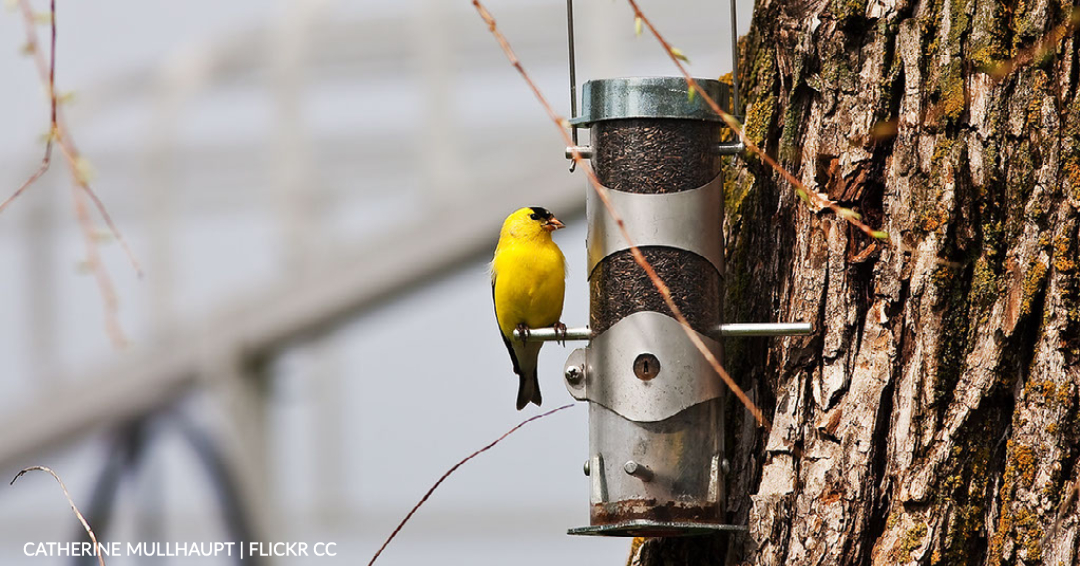
Look for feeders with small feeding ports and short or no perches. These limit the landing space for bigger birds but still allow smaller birds to feed comfortably.
Caged feeders are a smart choice. A wire cage around the seed compartment lets small birds in but keeps large birds out. You might find this especially helpful if you’ve struggled with black birds dominating your feeder.
Weight-sensitive feeders that close the feeding ports when heavy birds land can effectively keep black birds away. This lets smaller birds feed safely while heavier ones are blocked.
Have you ever tried hanging your feeders in spots that make it harder for large birds to land? Combining the right feeder design with strategic placement often produces the best results.
Credit: www.michiganaudubon.org
Feeding Strategies To Reduce Black Bird Visits
Feeding black birds can be a challenge for bird lovers. These birds often take over feeders, leaving little food for other species. Changing how and what you feed can help reduce their visits. Adjusting feeding habits makes your feeder less attractive to black birds.
Selective Seed Types
Choose seeds that black birds dislike. Use safflower seeds, nyjer, or hulled sunflower seeds. These seeds attract smaller songbirds but not black birds. Avoid millet and cracked corn, as black birds prefer these. Clean feeders regularly to remove leftover seeds that attract black birds.
Feeding Schedules
Feed birds at specific times instead of all day. Put out food early in the morning or late in the afternoon. Remove feeders during peak black bird activity. This limits their access and encourages other birds to visit. Consistent feeding times help control which birds come to your yard.
Physical Deterrents And Barriers
Black birds can be a nuisance at your bird feeders. They can scare away smaller, more desirable birds. Using physical deterrents and barriers can help keep them at bay. These methods prevent black birds from accessing the feeders.
Using Spikes And Nets
Install spikes around the feeding areas. This makes it difficult for black birds to land. Spikes are easy to attach and remove. They are also safe for birds. Nets can cover the feeders. This prevents larger birds from reaching the food. Use nets with small openings. Smaller birds can still access the feeders.
Visual Scare Tactics
Visual scare tactics can deter black birds. Use reflective tape near feeders. The shiny surface scares birds away. Hang plastic predators like owls or hawks nearby. Their presence intimidates black birds. Move these items regularly. Birds may get used to stationary objects. Colorful wind spinners can also help. The movement and color keep black birds away.
Sound And Motion Devices
Sound and motion devices can help keep black birds away from feeders. These tools deter birds without causing harm. They use noise or movement to scare the birds. This makes your bird feeders less attractive to unwanted visitors.
Ultrasonic Repellers
Ultrasonic repellers emit high-frequency sounds. Humans cannot hear these sounds, but birds can. The noise disturbs the birds, encouraging them to leave. Ultrasonic devices are easy to install and require little maintenance. Place them near your feeders for the best results.
Motion-activated Sprayers
Motion-activated sprayers are another effective tool. They detect movement and release a quick burst of water. This startles the birds, making them fly away. These sprayers are safe and environmentally friendly. Position them to cover areas around your feeders. Adjust the sensitivity to avoid unnecessary sprays.
Habitat Modification Around Feeders
Modifying the habitat around your bird feeders can make a big difference in controlling unwanted black birds. These birds often rely on nearby cover to feel safe and feed comfortably. Changing the environment can discourage them from hanging around while still attracting the smaller birds you want to see.
Trimming Nearby Vegetation
Black birds like crows and grackles often use dense bushes and trees near feeders as hiding spots. By trimming back these areas, you reduce their shelter and make your feeder less attractive to them. Keep branches at least 6 feet away from the feeder to limit cover and reduce perching spots.
When I trimmed the thick shrubs around my feeders, I noticed fewer black birds within days. It also made it easier to spot and enjoy the smaller songbirds. Have you checked how close your feeder is to thick vegetation lately?
Alternative Feeding Spots
Setting up alternative feeding areas away from your main feeders can help direct black birds elsewhere. Place a separate tray or platform feeder in a less visible spot with food they prefer, like cracked corn or kitchen scraps. This can keep them occupied and away from your primary feeders.
Try positioning these alternative spots near open spaces rather than close to trees or bushes. This makes black birds feel exposed and less comfortable lingering. Have you thought about offering different food in a different spot to manage which birds visit your feeders?
Ethical Considerations And Legal Guidelines
Keeping black birds away from your feeders can be tricky, but it’s important to handle the situation with care. Ethical considerations and legal guidelines should shape how you approach this challenge. Respect for wildlife and adherence to local laws not only protect animals but also keep you on the right side of regulations.
Protecting Wildlife
Black birds are part of the ecosystem and play a role in nature’s balance. Instead of harming them, focus on humane ways to discourage their presence. Using feeders designed to limit access or placing food in smaller, controlled amounts can reduce their dominance.
Have you thought about how your actions might affect other animals? Sometimes, what seems like a simple fix for you can disrupt local wildlife. Offering water sources away from feeders or planting native shrubs can create natural barriers, helping you protect all birds in your yard.
Local Regulations
Many regions have laws that protect certain bird species, including black birds. Before taking any action, check your local wildlife protection laws to avoid fines or legal trouble. These rules often prohibit harming or trapping birds without permits.
Contacting your local wildlife agency or visiting their website can give you clear guidance tailored to your area. You might find approved methods to deter black birds that are both effective and legal. This ensures your efforts are respectful and lawful.
Monitoring And Adjusting Your Approach
Keeping black birds away from your feeders requires more than just a one-time fix. It demands careful monitoring and ongoing adjustments to ensure your efforts remain effective. By paying close attention to how birds behave around your feeders, you can fine-tune your approach and avoid frustrating setbacks.
Observing Bird Behavior
Start by watching how black birds interact with your feeders. Are they visiting at specific times of day? Do they prefer certain types of food or feeder designs? Noticing these patterns helps you understand their habits and weaknesses.
Take notes or even use your phone to record their activity. This can reveal if your deterrents are working or if the birds have found new ways to access the food. Watching quietly from a distance can prevent scaring them off prematurely, giving you more accurate insights.
Adapting Techniques Over Time
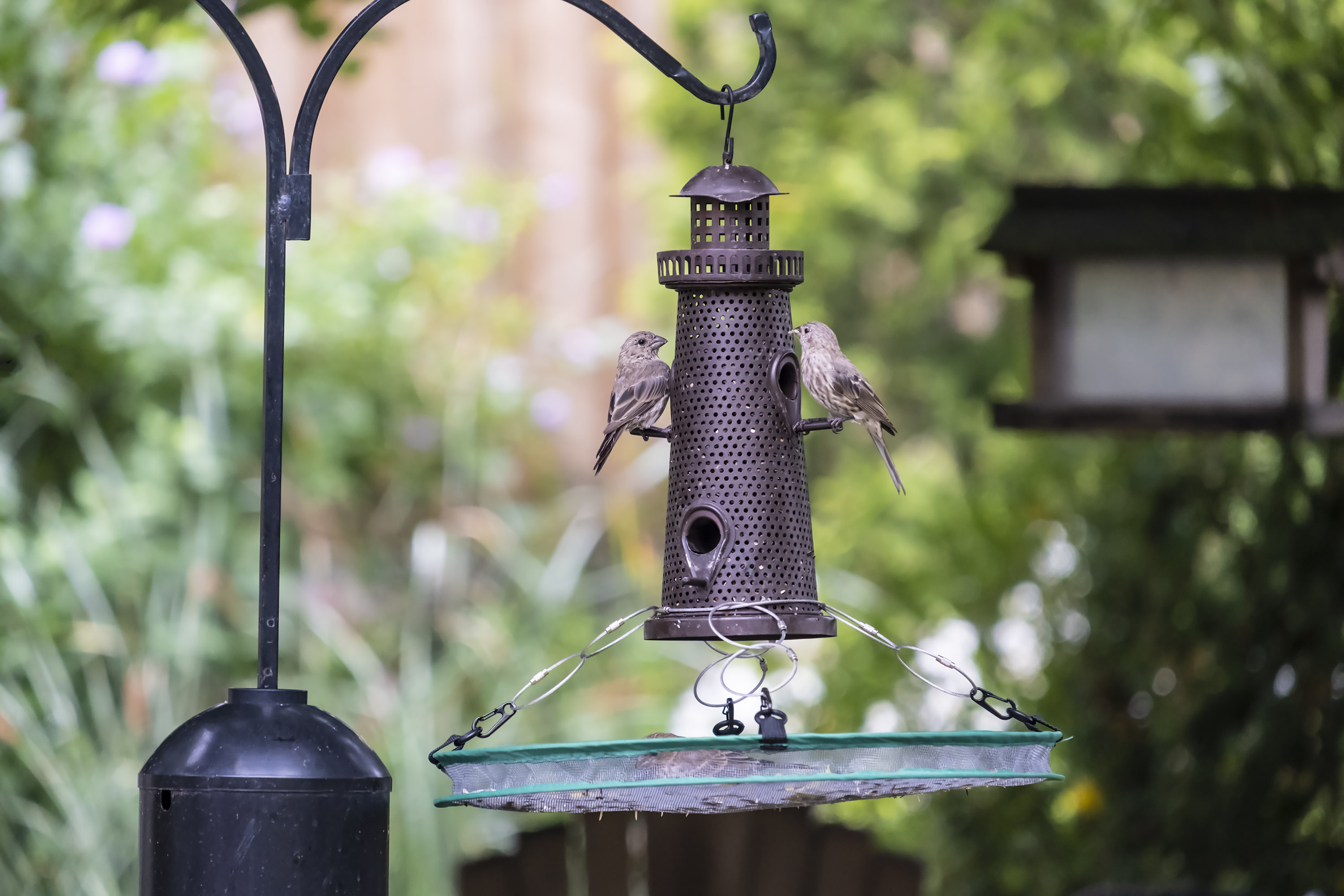
Birds quickly learn to bypass simple deterrents, so it’s important to change your tactics regularly. If a noise maker stops bothering them, try switching to reflective tape or a different feeder placement. Mixing up your strategies keeps black birds guessing and less likely to dominate your feeder.
Consider rotating feeders or changing feed types every few weeks. Have you ever noticed birds avoiding one feeder but swarming another? That’s a clue to adjust your setup. Consistent monitoring paired with small changes can make your feeding area less attractive to unwanted visitors over time.
Credit: dengarden.com
Frequently Asked Questions
How Can I Keep Black Birds Away From Feeders?
Use bird feeders designed for small birds. Avoid feeding blackbirds directly. Place feeders in open areas to reduce perching spots.
What Types Of Feeders Repel Black Birds Effectively?
Tube feeders with small ports limit blackbird access. Caged feeders block larger birds. Avoid platform feeders that attract blackbirds.
Which Bird Food Discourages Black Birds From Feeders?
Use safflower seeds or nyjer seeds. Blackbirds dislike these seeds and will avoid feeders offering them.
Are Visual Deterrents Effective Against Black Birds?
Yes, reflective tape and predator decoys can scare blackbirds away. Move deterrents regularly to maintain effectiveness.
Conclusion
Controlling black birds at feeders takes patience and simple steps. Use bird feeders designed to keep larger birds away. Place feeders in open areas to reduce hiding spots. Try different seeds that black birds don’t like. Keep the area clean to avoid attracting too many birds.
Small changes can make a big difference over time. Enjoy feeding smaller birds without the trouble of black birds. Stay consistent with these tips to see good results. Your garden will feel more peaceful and balanced soon.




