
Have you ever wondered which tropical birds can live peacefully together? If you’re thinking of creating a vibrant, colorful space filled with these beautiful creatures, knowing which species get along is key.
You’ll discover the best combinations of tropical birds that coexist happily. Understanding their behaviors will help you avoid conflicts and create a lively, harmonious environment. Keep reading to find out how you can bring the magic of tropical birds into your life without any hassle.
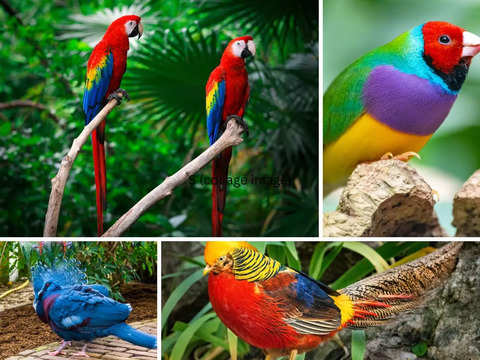
Credit: m.economictimes.com
Common Tropical Bird Habitats
Tropical birds thrive in various habitats that offer food, shelter, and nesting sites. These habitats support diverse bird species living together. Understanding where tropical birds live helps us appreciate their roles in nature.
Rainforest Canopies
Rainforest canopies form the upper layer of dense forests. They provide food like fruits, nectar, and insects. Many colorful birds such as toucans and parrots live here. Canopies offer safety from ground predators and great nesting spots.
Mangrove Forests
Mangrove forests grow along tropical coastlines. Their roots create safe spaces for birds like herons and kingfishers. These birds feed on fish, crustaceans, and small animals. Mangroves protect birds from storms and provide shelter.
Wetlands And Swamps
Wetlands and swamps are rich in water and plants. Birds such as ibises and egrets gather here to hunt fish and insects. These habitats support breeding and resting during migration. The mix of water and land suits many tropical birds.
Mountainous Regions
Mountainous areas in the tropics have cooler climates. Birds like hummingbirds and quetzals live in these zones. They find flowers and insects on mountain slopes. These regions offer unique habitats different from lowland forests.
Colorful Parrots And Macaws
Colorful parrots and macaws stand out as some of the most vibrant and fascinating tropical birds you can find living together. Their dazzling feathers and lively personalities make them unforgettable. These birds don’t just add beauty; they play important roles in their ecosystems and communities.
Scarlet Macaw
The Scarlet Macaw is a true showstopper with its bright red, yellow, and blue feathers. You can often spot these birds soaring high above tropical rainforests. Their strong beaks allow them to crack open tough nuts and seeds, which helps spread plant life across vast areas.
If you’ve ever watched a Scarlet Macaw in the wild, you know their loud calls and playful behavior bring energy to the forest. Have you noticed how their presence seems to signal a healthy environment?
Blue-and-yellow Macaw
Blue-and-Yellow Macaws are just as stunning, with feathers that glow like the sky and sun. These birds are social creatures often seen in pairs or flocks, communicating with loud squawks and intricate body language. Their intelligence is remarkable—they can learn and mimic sounds, making them engaging companions in the wild.
Keeping an eye on these macaws can reveal how they navigate challenges like finding food or avoiding predators. What strategies do you think they use to survive in such competitive habitats?
Amazon Parrots
Amazon Parrots come in various shades of green, often accented with splashes of red, yellow, or blue. They thrive in dense forests and are known for their exceptional vocal abilities. These parrots can mimic human speech, which has made them popular pets but also highlights their complex social lives in nature.
Watching an Amazon Parrot interact with others shows how communication and cooperation matter. How might their social skills help them adapt when their habitats change?
Ecological Roles
All these colorful parrots and macaws share crucial ecological roles. They act as seed dispersers, which helps regenerate forests and maintain biodiversity. Without them, many plants would struggle to reproduce and spread.
They also serve as indicators of environmental health. If you notice a decline in their numbers, it often signals problems like habitat loss or pollution. What actions can you take to support these birds and their habitats in your area?
Toucans And Their Neighbors
Toucans are bright, noisy birds found in tropical forests. They share their homes with many colorful neighbors. These birds often live near each other, creating lively forest scenes. Their interactions help keep the forest ecosystem balanced and vibrant.
Keel-billed Toucan
The keel-billed toucan is famous for its large, colorful bill. It uses its bill to reach fruit on branches. This toucan is a social bird that enjoys company. It often nests in tree holes alongside other birds.
Collared Aracari
Smaller than the toucan, the collared aracari has bright feathers. It moves in small groups, searching for fruit and insects. This bird shares feeding spots with toucans without much conflict. Their similar diets help them live close together.
Mixed-species Flocks
Toucans and aracaris join mixed-species flocks. These groups include woodpeckers, tanagers, and flycatchers. Moving together helps them find food and stay safe. Each species uses its own skills to watch for predators.
- More eyes to spot danger
- Better chances to find food
- Less competition for resources
Exotic Hummingbirds Sharing Space
Exotic hummingbirds often coexist in vibrant tropical environments, creating a fascinating dynamic as they share limited space. These tiny birds, with their dazzling colors and rapid wing beats, don’t just add beauty—they compete and cooperate in unique ways. Understanding how different species of hummingbirds live side by side can help you appreciate their behaviors and even support their presence in your garden.
Ruby-throated Hummingbird
The Ruby-throated Hummingbird is one of the most recognizable species in North America, but it also ventures into tropical regions during migration. Males flaunt a bright red throat, which helps them attract mates and assert territory. You might notice their aggressive behavior around feeders, defending their space fiercely against intruders.
Despite their small size, Ruby-throated Hummingbirds are bold and persistent. If you’ve ever watched one chase away larger birds, you’ll see how vital territory is to them. Their presence often indicates a healthy nectar source nearby.
Violet-crowned Hummingbird
The Violet-crowned Hummingbird is less common but equally stunning, with a striking violet band across its head. This species prefers semi-arid to tropical forests, often overlapping with the Ruby-throated Hummingbird’s range. They tend to be more peaceful, focusing on feeding quietly rather than aggressively defending territory.
If you’re lucky, you might spot both species feeding from the same flower patch. Their differing temperaments make it easier for them to share space without constant conflict. Seeing this coexistence can teach you about the balance nature maintains.
Feeding Niches And Competition
Hummingbirds avoid constant fights by dividing their feeding niches. Some prefer flowers with long, tubular shapes, while others target different nectar sources. This specialization reduces direct competition and allows multiple species to thrive in the same area.
Have you noticed how some hummingbirds hover while others perch to feed? These behaviors also help reduce clashes. Providing a variety of flowering plants in your garden can encourage peaceful sharing and attract more species.
- Plant flowers with different shapes and bloom times.
- Offer multiple feeders spaced apart to reduce competition.
- Observe which species visit which flowers to understand their preferences.
What patterns do you see when watching hummingbirds in your area? Paying attention to their interactions can deepen your connection to these remarkable birds and inspire ways to support their coexistence.
Tropical Songbirds Living Side By Side
Tropical songbirds often share their habitats in surprising harmony. Watching them interact reveals a rich tapestry of sounds and colors. You might wonder how these different species coexist without competing fiercely for space or food.
Tropical Mockingbirds
Tropical mockingbirds are masters of mimicry. They live alongside other birds and often imitate their calls. This skill helps them communicate and sometimes confuse predators.
In your backyard or a tropical forest, you might hear a mockingbird copying a hawk’s call to warn others. Their adaptability makes them resilient neighbors in mixed bird communities.
Flycatchers
Flycatchers are quick and agile hunters, darting through the air to catch insects. Many species can live near each other because they hunt slightly different insects or at different heights. This reduces competition and lets them share the same space effectively.
Have you noticed how some flycatchers sit still for long moments before suddenly snapping up a bug? Their patience and precision are key to their survival among other birds.
Manakins And Their Displays
Manakins are famous for their unique courtship dances and bright colors. These birds often gather in small groups called leks, where males perform to attract females. Despite living close together, their distinct displays prevent confusion and keep peace.
Seeing a manakin’s dance is a reminder of how diversity in behavior supports coexistence. Could your own community learn from these birds about standing out while living side by side?

Credit: birdsnways.com
Birds Of Prey In Tropical Ecosystems
Tropical ecosystems host a diverse range of birds of prey. These majestic hunters play a crucial role in maintaining ecological balance. From dense rainforests to open savannas, each bird has its unique habitat and hunting style.
Harpy Eagle
The Harpy Eagle is one of the largest and most powerful eagles. Found in Central and South America, it dominates the rainforest canopy. Its wingspan can reach up to seven feet. This eagle primarily hunts sloths and monkeys. Its sharp talons can pierce through thick foliage. Despite its size, it flies with remarkable agility.
Bat Falcon
The Bat Falcon is small but mighty. It thrives in tropical forests, often seen near open areas. This bird preys on bats, insects, and small birds. Its speed and precision in flight are impressive. During dusk, it becomes most active, hunting bats on the wing. Despite its size, it is a fierce predator.
Predator-prey Balance
Birds of prey are vital in controlling animal populations. They help maintain a balance in tropical ecosystems. By hunting, they keep prey populations in check. This prevents overgrazing and promotes plant health. Such balance ensures biodiversity thrives. Without these predators, ecosystems could collapse. Their role is crucial and irreplaceable.
Interactions And Coexistence Strategies
Tropical birds often share habitats by using different food sources and nesting areas. Many species live together peacefully through clear boundaries and communication. This balance helps them avoid fights and thrive side by side.
Tropical birds inhabit some of the most diverse ecosystems on our planet, brimming with vibrant colors and fascinating behaviors. These birds have evolved intricate interactions and coexistence strategies to thrive in such crowded environments. Understanding how they share resources, form relationships, and maintain territories can offer us profound insights into nature’s balance.Resource Partitioning
In the dense tropics, the competition for resources is intense. To survive, birds often engage in resource partitioning, a strategy that involves dividing the ecosystem’s resources to minimize conflict. For example, one species may feed on insects in the canopy, while another hunts on the forest floor. This division allows various species to coexist peacefully, each utilizing a different niche. Have you ever noticed how some birds seem to specialize in certain foods or habitats? This specialization is a clever tactic to reduce competition. By carving out a unique ecological role, birds can coexist without stepping on each other’s toes.Mutualistic Relationships
Tropical birds often engage in mutualistic relationships with other species, benefiting from each other’s presence. Some birds help pollinate flowers, while others might spread seeds, ensuring plant propagation. In return, they receive food or other resources. Consider the relationship between hummingbirds and flowering plants. The birds get nectar, while the plants gain pollination services. Such interactions highlight the interconnectedness of tropical ecosystems.Territorial Behavior
Territorial behavior is another strategy birds use to coexist. By establishing and defending territories, birds ensure access to resources without constant conflict. This behavior can be seen in how some species sing loudly to declare their claim over a particular area. Have you ever heard the dawn chorus in a tropical forest? It’s not just a beautiful symphony—it’s a method for birds to communicate and assert their territory. This harmony of sounds helps maintain order in the otherwise chaotic environment. By observing these strategies, you can gain a deeper appreciation for the complexity of tropical ecosystems. Each bird, with its unique role and behavior, contributes to the vibrant tapestry of life. What strategies can you adopt in your life to coexist harmoniously with others?Threats To Tropical Bird Communities
Tropical bird communities face many dangers. These threats affect their survival and the balance of the ecosystem. Understanding these threats helps protect these vibrant bird populations. The main challenges include habitat loss, climate change, and invasive species.
Habitat Loss
Many tropical birds lose their homes due to deforestation. Forests are cut down for farming, logging, and cities. This destroys nesting sites and food sources. Birds struggle to find shelter and mates. Fragmented habitats isolate bird groups, reducing genetic diversity. Habitat loss is the biggest threat to tropical birds.
Climate Change
Changing weather patterns disrupt tropical bird life. Temperature shifts affect food availability and breeding cycles. Some birds must move to cooler areas, but safe habitats are limited. Extreme weather events, like storms, destroy nests and kill young birds. Climate change forces rapid adaptation, which many species cannot manage.
Invasive Species
Non-native animals and plants disturb tropical bird communities. Invasive predators like rats and cats eat eggs and chicks. Competing species may consume the same food sources. Invasive plants alter the landscape, reducing native plants birds rely on. These invaders upset the natural balance and harm bird populations.
Conservation Efforts Protecting Coexistence
Conservation efforts play a vital role in helping tropical birds live together safely. Many species share the same habitats, creating a complex web of life. Protecting these areas ensures birds can find food, shelter, and mates without conflict. These efforts focus on preserving natural spaces and involving people who live near the birds. Science also helps by tracking bird populations and health.
Protected Areas
Protected areas are safe spaces where tropical birds can thrive. These include national parks and wildlife reserves. Such places limit human activity that harms habitats. Forests, wetlands, and mangroves in these areas support many bird species. Protection helps maintain the balance needed for different birds to coexist. It also reduces threats like hunting and logging.
Community Involvement
Local communities play a key role in bird conservation. They help by following rules that protect habitats. Many take part in planting trees and cleaning up areas. Education programs teach about the importance of tropical birds. People learn how birds benefit farming and nature. Their support creates a friendly environment for birds to live together.
Research And Monitoring
Scientists study tropical birds to understand their needs. They track populations to spot problems early. Monitoring helps detect changes in habitats or food sources. Research guides conservation actions for better results. It also identifies which species need urgent help. This knowledge ensures efforts support coexistence effectively.

Credit: www.discovermagazine.com
Frequently Asked Questions
Which Tropical Birds Commonly Coexist In The Wild?
Many tropical birds like toucans, parrots, and hummingbirds share habitats. They thrive in rainforests and wetlands, often interacting peacefully.
Can Different Tropical Bird Species Live Together In Captivity?
Yes, certain tropical birds such as finches and parakeets can coexist in aviaries. Proper space and diet management are essential for harmony.
What Tropical Birds Form Mixed-species Flocks?
Species like tanagers, honeycreepers, and flycatchers often flock together. This behavior improves feeding efficiency and predator detection.
Do Tropical Birds Compete For Food When Living Together?
Some competition exists, but many species have unique diets. This reduces food competition and allows multiple species to coexist.
Conclusion
Tropical birds live together in many vibrant places. They share food, trees, and space with ease. Different species bring color and sound to the environment. Watching them shows nature’s balance and beauty. Learning about these birds helps us protect their homes.
Their harmony inspires us to live peacefully too. Tropical birds remind us how life thrives in diversity. Keep exploring and appreciating their unique world.




