
Have you ever wondered what birds really eat from hummingbird feeders? You might think these feeders are just for hummingbirds, but the truth is more interesting.
Different birds visit your feeder, each with their own favorite treats. Knowing what they eat can help you attract more birds and keep them healthy. You’ll discover which birds come to your feeder and what they enjoy eating. Keep reading, and you’ll learn how to make your backyard a buzzing hotspot for beautiful birds.

Credit: www.bendsource.com
Common Visitors To Hummingbird Feeders
Hummingbird feeders attract more than just hummingbirds. Several bird species visit these feeders for the sweet nectar. Watching these visitors can be fun and surprising. Each bird has its own way of feeding and behavior around feeders.
Hummingbirds: The Main Attraction
Hummingbirds are the primary visitors to nectar feeders. They hover in mid-air using rapid wing beats. Their long beaks reach deep into the feeder’s flowers. These tiny birds drink nectar for energy and fuel their fast metabolism. Bright red feeders attract them most effectively.
Orioles And Their Sweet Tooth
Orioles also enjoy nectar from hummingbird feeders. They prefer orange or yellow colors. Orioles have a strong, curved beak perfect for feeding on nectar and fruit. They may also eat jelly, fruit, and insects near feeders. Orioles visit feeders mainly in spring and summer.
Warblers And Other Small Songbirds
Warblers and other small songbirds sometimes visit feeders. These birds often feed on insects but take nectar occasionally. They prefer feeders with perches or nearby branches. Warblers may appear in groups, adding activity and color. Other small birds like chickadees and titmice also explore feeders.

Credit: www.birdsandblooms.com
Unexpected Birds At Feeders
Hummingbird feeders attract more than just hummingbirds. Many unexpected visitors enjoy the sweet nectar. These guests bring variety and life to your backyard. Watching them can be a delightful surprise.
Woodpeckers Enjoying Nectar
Woodpeckers visit feeders to sip nectar, especially in colder months. Their strong beaks help them cling to feeders easily. They enjoy the sugary water as a quick energy source. These birds add a splash of color and sound around feeders.
Sparrows And Finches Sampling Sugar Water
Sparrows and finches often join hummingbirds at feeders. They peck gently at nectar, tasting the sweet liquid. These small birds blend well with the hummingbird crowd. Their presence creates a lively and cheerful feeding spot.
Butterflies And Other Insects
Butterflies frequently visit hummingbird feeders for nectar. Their delicate wings flutter softly as they feed. Other insects like bees and ants also find the nectar tasty. These visitors help pollinate nearby plants while enjoying the sugar water.
Why Birds Choose Feeders
Birds visit feeders for many reasons. Feeders offer easy access to food. They help birds save energy in searching for meals. Feeders often attract birds that need quick nutrition. These places become reliable spots for many species.
Attraction To Bright Colors
Bright colors catch birds’ attention quickly. Red and orange are favorites for hummingbirds. These colors mimic flowers that hold nectar. Feeders painted in vivid shades stand out well. Birds spot them from far distances.
Nutritional Needs Beyond Nectar
Birds need more than just sugar water. They also seek protein and minerals. Some feeders provide small insects or seeds nearby. These extras support their overall health. Balanced nutrition helps birds stay strong and active.
Seasonal Feeding Patterns
Bird feeding habits change with seasons. During migration, feeders become vital food sources. Cold months reduce natural flower availability. Birds rely on feeders to survive harsh weather. Feeders help maintain energy through tough times.
Feeder Types That Attract Various Birds
Choosing the right feeder type plays a big role in attracting different bird species. Various feeder designs suit the feeding habits of diverse birds. Some birds prefer sipping nectar from narrow openings. Others like landing on flat surfaces to eat seeds or fruits. Understanding these preferences helps create a welcoming space for many birds. Proper feeder selection invites a colorful mix of feathered visitors.
Tube Feeders Versus Platform Feeders
Tube feeders are slim and have small holes for seed or nectar. They attract small birds like finches and hummingbirds. Tube feeders keep food clean and dry. Platform feeders are flat trays where birds can perch easily. Larger birds, such as doves and jays, prefer these open feeders. Platform feeders allow birds to eat various foods, including seeds and fruit. Both feeders serve different bird types well.
Feeder Placement And Bird Preferences
Where you place a feeder affects which birds visit. Birds feel safer near bushes or trees. Place feeders close to natural cover but not too close. Sunlight and shade also matter. Some birds prefer feeders in sunny spots. Others like shaded areas during hot days. Keep feeders away from busy areas to avoid scaring birds. Good placement invites more visitors and longer feeding times.
Using Nectar Mixes To Appeal To Different Species
Nectar mixes vary by sugar concentration and ingredients. Hummingbirds prefer a simple mix of four parts water to one part sugar. Avoid red dye; it can harm birds. Some nectar mixes include extra vitamins or minerals. These attract not only hummingbirds but also orioles and butterflies. Experiment with different mixes to see which birds come. Fresh nectar should be replaced every few days to prevent mold.
Tips For Sharing Feeders Safely
Sharing your hummingbird feeder with other birds can be a delightful experience, but it requires some care to ensure everyone stays safe and happy. Birds can sometimes become territorial or stressed around feeders, which may lead to aggression or health risks. Paying attention to how you manage your feeder can make a big difference in creating a peaceful feeding environment.
Preventing Aggression Among Birds
Birds often compete for food, and this can lead to aggressive behavior at feeders. To reduce conflicts, try placing multiple feeders around your yard instead of just one. This gives shy or smaller birds a chance to feed without confrontation.
Consider hanging feeders at different heights and in slightly different locations. This setup allows dominant birds to claim one feeder while others feel safe using the rest. Have you noticed certain birds always chasing others away? Moving feeders can help balance the competition.
Keeping Feeders Clean
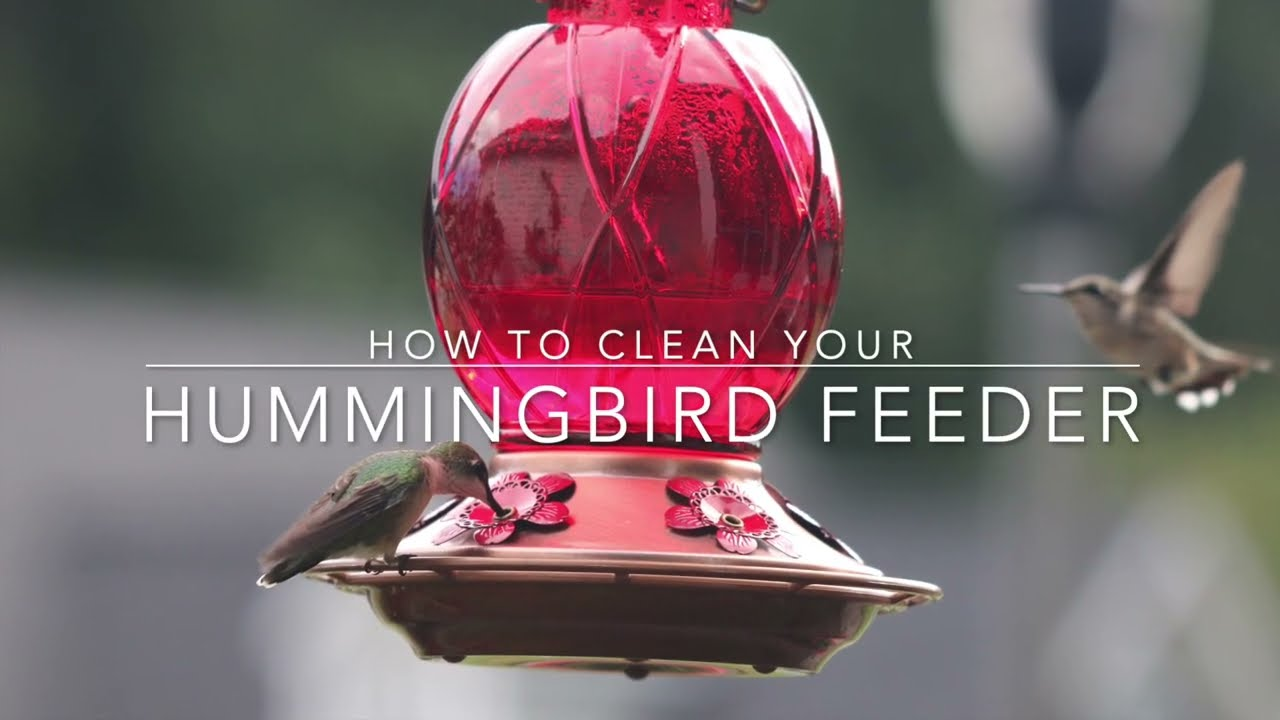
Dirty feeders can spread diseases quickly among birds. Clean your feeder at least once a week using hot water and mild soap. Avoid harsh chemicals that could harm the birds.
Make sure to rinse thoroughly and let the feeder dry completely before refilling. If you notice mold or cloudy nectar, clean the feeder immediately. Keeping feeders clean protects your feathered visitors and encourages them to return.
Avoiding Harmful Additives
Some store-bought nectars contain dyes and preservatives that can be harmful to hummingbirds and other birds. Always choose plain white sugar nectar made from four parts water to one part sugar. Boil the mixture, then cool before filling your feeder.
Never add honey, artificial sweeteners, or red dye. These additives can cause health problems and discourage birds from feeding. Have you ever wondered why your feeder sometimes gets ignored? The ingredients might be the reason.
Credit: growcycle.com
Frequently Asked Questions
What Birds Commonly Visit Hummingbird Feeders?
Hummingbirds are the primary visitors, attracted by nectar. Occasionally, bees, wasps, and ants also visit. Some small birds like orioles may sip nectar. However, feeders mainly serve hummingbirds due to their high-energy diet needs.
Can Other Birds Eat From Hummingbird Feeders?
Yes, some small birds like orioles and woodpeckers may try nectar. But most birds prefer insects or seeds. Hummingbird feeders are designed for long-billed birds, making access harder for others.
Do Hummingbird Feeders Attract Insects Or Pests?
Yes, sugary nectar can attract bees, wasps, and ants. Regular cleaning and proper feeder placement reduce pest problems. Using ant moats or bee guards also helps keep feeders pest-free.
How Often Should Hummingbird Feeder Nectar Be Replaced?
Replace nectar every 2 to 3 days in warm weather. In cooler weather, change it weekly. Fresh nectar prevents fermentation and mold, keeping birds healthy and feeders clean.
Conclusion
Hummingbird feeders attract more than just hummingbirds. Small insects and ants may visit the nectar too. Some birds might sip from the feeder’s sweet liquid. It is important to keep feeders clean to protect all visitors. Watching these birds and insects can bring joy and learning.
Feeding birds helps support their energy needs during flight. Offering fresh nectar can invite a variety of garden wildlife. Simple care creates a safe place for many creatures to eat. Enjoy the lively activity around your hummingbird feeder every day.




