
Finding an injured bird can be a heartbreaking experience. You want to help, but you might not know where to start or what to do.
The good news is, with the right steps, you can make a real difference in that bird’s recovery. You’ll learn simple, clear actions to take that could save a bird’s life. Keep reading, and you’ll gain the confidence and knowledge to act quickly and effectively when it matters most.

Credit: www.youtube.com
Recognize Common Bird Injuries
Birds can get hurt in many ways. Knowing the signs helps you give care fast.
Look closely at the bird’s body and how it acts. This can tell you if it needs help.
Signs Of Physical Trauma
Physical trauma means the bird’s body has been hurt. Check for these signs:
- Bleeding or open wounds
- Swollen or broken wings or legs
- Feathers missing or stuck together
- Bruises or cuts on the skin
- Bird unable to stand or fly
- Head tilting or unusual posture
Behavioral Changes To Watch For
Injured birds often act differently. Watch for these behaviors:
| Behavior | What It May Mean |
|---|---|
| Hiding or staying still | Fear or pain |
| Fluffed up feathers | Cold or stress |
| Loss of balance | Head injury or sickness |
| Unusual quietness | Weakness or shock |
| Repeated attempts to fly but fail | Wing injury |
Initial Safety Measures
Finding an injured bird can be upsetting. It is important to act carefully. Your safety and the bird’s safety come first.
This guide covers how to approach the bird and how to create a safe place for it.
Approaching An Injured Bird
Move slowly and quietly toward the bird. Sudden moves can scare it more. Avoid loud noises or fast actions.
- Wear gloves to protect your hands.
- Keep pets and children away from the area.
- Use a towel or cloth to gently cover the bird.
- Do not try to feed or give water right away.
- Observe the bird’s breathing and movements carefully.
Creating A Safe Environment
Prepare a quiet and warm space for the bird to rest. This helps reduce its stress and avoid further injury.
| Item | Purpose | Notes |
| Box or Pet Carrier | Safe container for the bird | Use a cardboard box with air holes |
| Towel or Soft Cloth | Line the box for comfort | Keep the bird warm and prevent slipping |
| Quiet Room | Reduce noise and disturbance | Keep away from pets and people |
| Low Light | Help calm the bird | Avoid bright or flashing lights |
Basic First Aid For Birds
Injured birds need quick and gentle care. Knowing basic first aid helps protect them before a vet visit.
Handle the bird calmly to avoid more stress or injury. Use soft cloths or towels to hold it safely.
Handling Wounds And Bleeding
Check the bird for wounds carefully. Clean small cuts with warm water and mild soap to stop infection.
Apply gentle pressure with a clean cloth to stop bleeding. Do not use strong chemicals or ointments.
- Use sterile gauze or a clean cloth for pressure
- Keep the bird calm and quiet
- Keep the wound clean and dry
- Contact a vet for deep or large wounds
Supporting Broken Wings And Legs
Broken wings or legs need support to prevent more damage. Use soft padding and splints if possible.
Wrap the injured limb gently but firmly. Avoid tight bandages that cut off circulation.
- Use small sticks or plastic for splints
- Pad splints with cotton or gauze
- Secure with soft tape or cloth strips
- Limit the bird’s movement until help arrives
Providing Proper Care At Home
Caring for an injured bird at home requires a gentle approach. It’s important to create a safe environment for recovery.
Understanding basic care needs can help ensure the bird’s health improves. Follow these guidelines to support recovery.
Setting Up A Recovery Space
A proper recovery space provides comfort and safety. The bird should feel secure in its temporary home.
- Use a small box or cage to limit movement.
- Line the bottom with soft tissues or a towel.
- Ensure the area is quiet and away from pets.
- Maintain a warm, stable temperature.
Feeding And Hydration Tips
Proper nutrition and hydration are vital for recovery. The bird’s dietary needs depend on its species and condition.
| Food Type | Examples |
| Seeds | Sunflower, millet |
| Fruits | Apples, berries |
| Insects | Mealworms, crickets |
Provide fresh water in a shallow dish. Keep food and water dishes clean to avoid contamination.
When To Seek Professional Help
Injured birds need special care to heal properly. Some injuries are serious and need expert attention.
Knowing when to call a professional can save the bird’s life. This guide helps you decide the next steps.
Finding A Wildlife Rehabilitator
Wildlife rehabilitators have experience caring for injured wild birds. They know how to treat injuries safely.
Look for a licensed rehabilitator near you. They can provide the right treatment and release the bird when it recovers.
- Check local wildlife or animal rescue groups
- Search online for licensed rehabilitators
- Call animal control or a bird sanctuary for referrals
Emergency Vet Visits
Some bird injuries need urgent care from an emergency vet. This includes broken bones or heavy bleeding.
Take the bird to a vet if it is unconscious or having trouble breathing. Quick care can prevent more harm.
- Severe bleeding or open wounds
- Broken wings or legs
- Weakness or inability to stand
- Signs of shock or unconsciousness

Credit: awesomewildlifeco.co.uk
Preventing Future Injuries
Injured birds need care to heal well. Preventing future injuries helps keep birds safe and healthy.
By making small changes outdoors and at home, you can protect birds from harm.
Safe Outdoor Practices
Keep pets indoors or supervise them outside. Cats and dogs can hurt birds by accident.
Use window decals or screens to stop birds from flying into glass. Clean up trash that can trap birds.
- Watch pets near bird areas
- Place decals on large windows
- Remove litter and fishing lines
- Keep bird feeders clean and safe
Creating Bird-friendly Habitats
Plant native trees and bushes that provide food and shelter. Avoid using chemicals like pesticides.
Build safe places for birds to nest. Keep these areas quiet and free from predators.
- Grow native plants for natural food
- Set up birdhouses in safe spots
- Keep pets away from nesting areas
- Do not use harmful chemicals
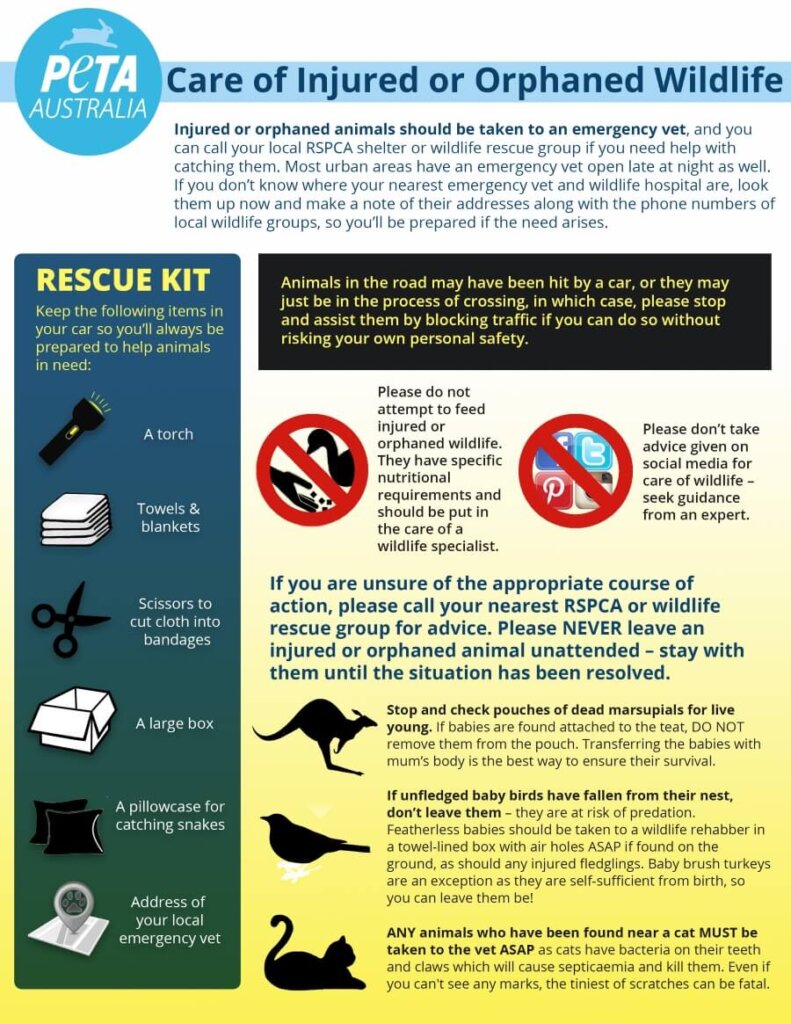
Credit: www.peta.org.au
Frequently Asked Questions
How Do I Safely Catch An Injured Bird?
Approach slowly and calmly to avoid stressing the bird. Use a towel or gloves to gently scoop it up. Place the bird in a ventilated box to keep it secure and calm.
What Immediate Care Should I Give An Injured Bird?
Keep the bird warm and quiet. Avoid feeding or giving water until a vet checks it. Limit handling to reduce stress and injury.
When Should I Contact A Wildlife Rehabilitator?
Contact a rehabilitator immediately if the bird has visible injuries or cannot fly. They have the expertise to provide proper medical care.
Can I Treat An Injured Bird At Home?
Basic first aid like warmth and safety is okay. However, professional treatment is essential for serious injuries or illnesses to ensure recovery.
Conclusion
Caring for an injured bird takes patience and gentle hands. Act quickly but stay calm to help the bird feel safe. Offer water and keep the bird warm in a quiet space. Seek help from wildlife experts for the best care.
Small actions can make a big difference in healing. Remember, kindness and attention give injured birds a better chance. Every step you take helps protect nature’s fragile creatures. Keep learning and sharing how to care for birds in need.




