
Are you ready to welcome a charming little sparrow into your life? Taking care of a sparrow bird might seem simple, but there are important steps you need to know to keep your feathered friend happy and healthy.
Imagine the joy of watching your sparrow sing, play, and thrive right in your home. In this guide, you’ll discover easy and practical tips that anyone can follow. By the end, you’ll feel confident and excited to give your sparrow the best care possible.
Keep reading to unlock the secrets to becoming a great sparrow caretaker!

Credit: www.devonlive.com
Choosing The Right Sparrow
Choosing the right sparrow is the first and most important step to ensure a happy and healthy pet. Not all sparrows are the same, and picking one that fits your lifestyle and experience level will make care easier and more rewarding. Understanding what to look for will save you time, money, and heartache down the road.
Selecting A Healthy Bird
Look closely at the sparrow’s eyes, feathers, and overall behavior before deciding. Bright, clear eyes and smooth, well-kept feathers usually indicate good health. Avoid birds that appear lethargic, have ruffled feathers, or show any signs of discharge around the eyes or beak.
Ask the seller about the bird’s diet and environment. A sparrow raised in a clean, stress-free setting is more likely to thrive once you bring it home. Have you noticed the bird actively moving and responding to sounds? Active behavior is a good sign of vitality.
Understanding Sparrow Species
Different sparrow species have varying care needs and temperaments. For example, house sparrows are hardy and adapt well to captivity, while tree sparrows may need more space and specific diets. Knowing the species helps you prepare the right habitat and feeding routine.
Think about your living space and daily schedule. Some sparrows require more social interaction and stimulation than others. Could you provide a lively environment, or would a more independent species suit your lifestyle better?
Creating A Comfortable Habitat
Creating a comfortable habitat is essential for a sparrow’s health and happiness. A well-designed space keeps sparrows safe and calm. It also helps them show natural behaviors. Small details matter in setting up their home.
Cage Size And Setup
Choose a cage large enough for sparrows to move freely. The minimum size should be 18 inches wide, 18 inches deep, and 24 inches high. A bigger cage allows flying and exercise. Use horizontal bars for climbing and activity. Place food and water dishes where sparrows can reach easily. Clean the cage regularly to prevent illness.
Safe Perches And Nesting Areas
Provide several perches of different sizes and textures. Natural wood perches are best for foot health. Avoid smooth plastic or metal perches that can cause injuries. Create a quiet nesting spot with soft materials like shredded paper or dried grass. Keep the nesting area away from noisy or busy parts of the cage.
Temperature And Lighting Needs
Sparrows thrive in temperatures between 65°F and 75°F. Avoid placing the cage near drafts, heaters, or air conditioners. Natural daylight helps maintain their internal clock. Place the cage near a window but out of direct sunlight. Use full-spectrum light bulbs if natural light is limited. Provide 10-12 hours of light each day for a healthy routine.
Feeding Your Sparrow
Feeding your sparrow is a crucial part of its care that directly affects its health and happiness. Understanding what to offer and what to avoid can make a big difference in your sparrow’s daily life. Let’s dive into the essentials of feeding your sparrow properly to keep it vibrant and active.
Recommended Diet
Your sparrow needs a balanced diet rich in seeds, grains, and fresh fruits. A mix of millet, sunflower seeds, and cracked corn works well as a staple. Adding small amounts of chopped apples, berries, or leafy greens provides essential vitamins and keeps their meals interesting.
Occasionally, offer mealworms or other protein sources to support feather growth and energy. Remember, variety is key to preventing boredom and ensuring your sparrow gets all the nutrients it needs. Have you noticed how your sparrow perks up when you introduce something new to its plate?
Fresh Water Supply
Always provide fresh, clean water every day. Sparrows drink frequently, so a steady supply is essential to keep them hydrated and healthy. Change the water at least once daily to prevent bacteria buildup and keep it appealing.
Consider placing water dishes in shaded spots to keep the water cool. If your sparrow is outside, check the water often, especially in hot weather, to avoid it drying out. How often do you check and refresh your pet’s water supply?
Avoiding Harmful Foods
Not all human foods are safe for sparrows. Avoid giving them chocolate, caffeine, avocado, or salty snacks as these can be toxic. Even small amounts of these foods can cause serious health problems.
Stay clear of processed or sugary foods that offer no nutritional value and might harm their digestive system. If you’re unsure about a particular food, it’s better to skip it than risk your sparrow’s health. What questionable treats have you encountered that you wondered if sparrows could eat?
Maintaining Sparrow Health
Providing fresh water and seeds daily helps keep sparrows healthy. Offering a safe, clean space protects them from harm. Regularly check for signs of illness to ensure their well-being.
Maintaining sparrow health is crucial for their well-being and longevity. These tiny creatures need specific care to thrive. Understanding common health issues and ensuring cleanliness can prevent problems. Regular vet visits help in early detection of potential concerns.Common Health Issues
Sparrows may face a few health challenges. Respiratory infections are quite common. They can catch colds easily. Look for symptoms like sneezing or wheezing. Parasites, like mites, are another concern. They can cause itching and discomfort. Feather loss might indicate a health problem. Monitor your sparrow’s behavior closely. A lack of energy could be a sign of illness. Early recognition of these symptoms is key.Regular Cleaning And Hygiene
Keeping your sparrow’s environment clean is essential. Clean the cage weekly. Use mild soap and warm water. Avoid using harsh chemicals. Fresh water should be available daily. Change it regularly to avoid bacteria growth. Food dishes need to be cleaned often. Remove any uneaten food promptly. Clean perches and toys frequently. A clean environment helps prevent diseases.When To Visit A Vet
Regular vet check-ups are important. Schedule visits at least twice a year. If your sparrow shows unusual behavior, see a vet. Rapid weight loss is a red flag. Persistent sneezing needs medical attention. A vet can provide necessary treatments. Always consult a professional for serious health issues. Early intervention can save your sparrow’s life.Training And Socializing
Training and socializing your sparrow bird is essential for a healthy and happy pet. These small birds are naturally curious and can develop strong bonds with you if approached with patience and care. Engaging with your sparrow regularly will help it feel safe and confident in your presence.
Building Trust
Start by spending quiet time near your sparrow’s cage without making sudden movements. Let your bird get used to your voice by speaking softly and consistently. Offering treats by hand can help your sparrow associate you with positive experiences.
Trust develops slowly. Avoid rushing the process or forcing interaction. Have you noticed how your sparrow reacts when you’re calm versus when you’re anxious? Use this observation to adjust your approach.
Encouraging Natural Behaviors
Provide toys and perches that mimic the sparrow’s natural environment. Twigs, small bells, and swings encourage movement and exploration. Let your bird practice flying in a safe, enclosed space to keep its muscles strong.
Observe what activities your sparrow enjoys most, and try to add more of those to its routine. Sparrows love foraging; hiding bits of food in shredded paper can make feeding time more stimulating. What small changes can you make today to enrich your sparrow’s day?
Handling Sparrows Safely
Always approach your sparrow slowly and gently. Use a soft voice to calm it before attempting to hold or interact physically. Support its body carefully, avoiding squeezing or sudden grabs.
If your sparrow resists, step back and try again later. Handling should never cause stress or injury. Remember, your goal is to make your sparrow feel secure—not trapped. How comfortable do you feel handling your bird right now? Your sparrow will guide you with its reactions.
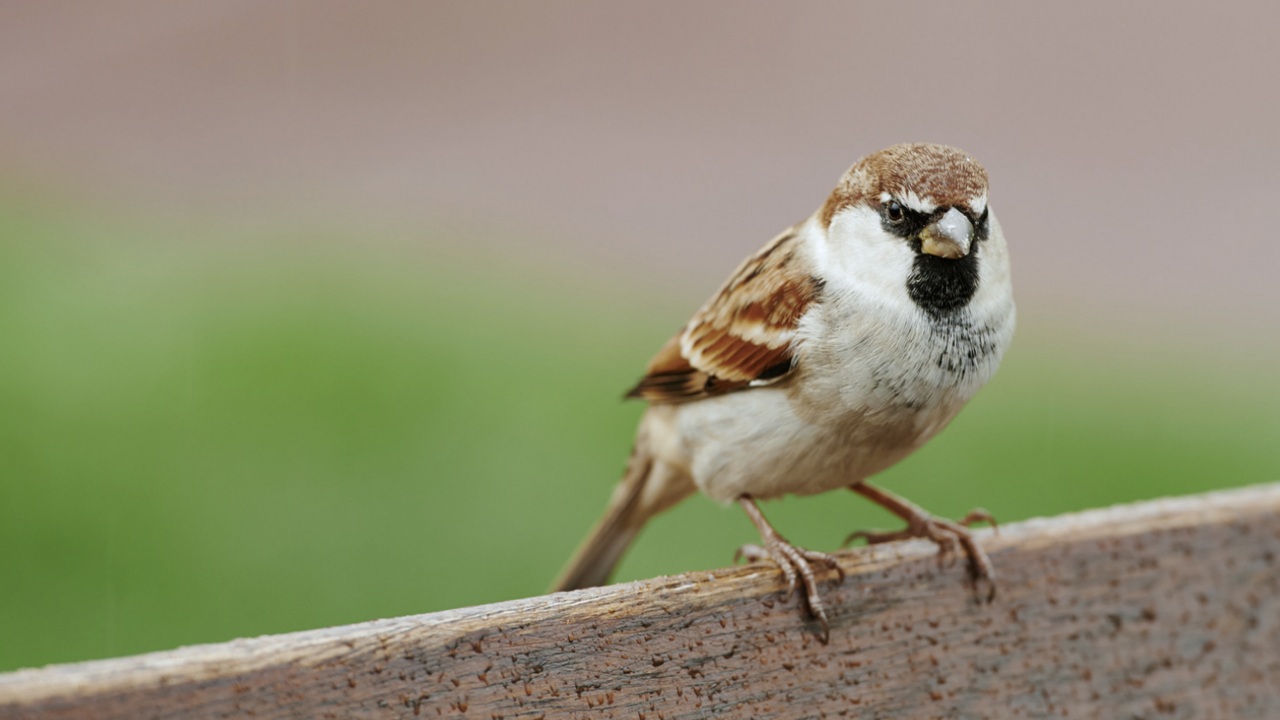
Credit: extension.msstate.edu
Seasonal Care Tips
Seasonal changes affect sparrows just as much as they do us. Their diet, shelter, and overall care need to shift with the weather to keep them healthy and happy year-round. Paying attention to these changes helps you create a safe and comfortable environment for your sparrow no matter the season.
Adjusting Diet And Habitat
As temperatures shift, so do sparrows’ nutritional needs. In colder months, they burn more energy to stay warm, so you should offer calorie-rich foods like sunflower seeds and mealworms. During warmer seasons, fresh fruits and vegetables can help keep them hydrated and provide essential vitamins.
Habitat adjustments are just as important. Adding extra bedding or nesting material in winter keeps your sparrow cozy. In summer, ensure good airflow and shade to prevent overheating. Have you noticed how your sparrow’s activity changes with the seasons? Tailoring their environment helps match their natural habits.
Protecting From Extreme Weather
Extreme cold or heat can stress your sparrow and lead to illness. Shield your bird from drafts and dampness during winter by placing their cage away from windows and doors. Using a cage cover overnight can also maintain warmth.
In hot weather, avoid direct sunlight and provide plenty of fresh water. Cooling your sparrow’s area with a fan or placing the cage in a shaded spot helps prevent heatstroke. Do you have a plan in place for sudden weather changes? Sparrows rely on you to keep them safe from nature’s extremes.
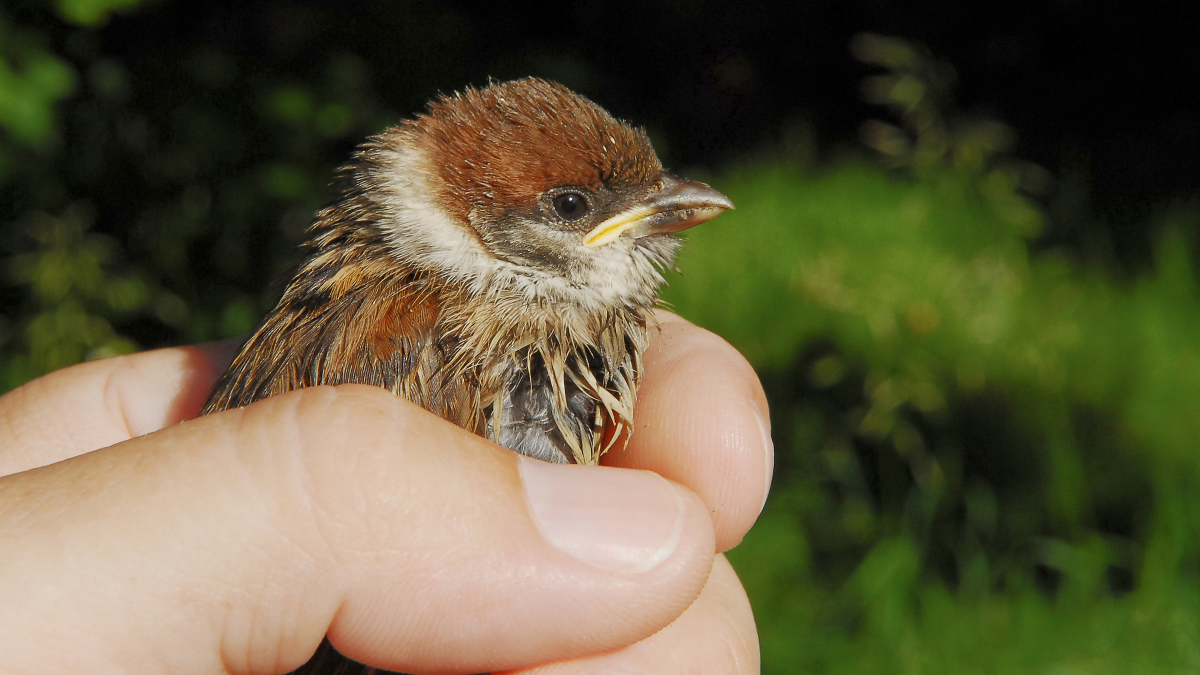
Credit: pethelpful.com
Frequently Asked Questions
How Do I Feed A Sparrow Bird At Home?
Feed sparrows with seeds like millet, cracked corn, and sunflower. Provide fresh water daily. Avoid processed or salty foods to keep them healthy.
What Kind Of Habitat Suits Sparrow Birds Best?
Sparrows thrive in open areas with shrubs, trees, and birdhouses. They prefer urban gardens, parks, and farmland with plenty of shelter and nesting spots.
How Often Should I Clean A Sparrow’s Cage?
Clean the sparrow’s cage weekly to maintain hygiene. Remove droppings, leftover food, and replace bedding. Clean water and food containers daily for health.
Can Sparrows Adapt To Different Climates Easily?
Yes, sparrows are highly adaptable. They can live in various climates but prefer mild weather. Provide extra shelter during extreme cold or heat for their safety.
Conclusion
Caring for a sparrow bird brings joy and calm to your life. Keep its space clean and feed it healthy seeds daily. Provide fresh water and a safe place to rest. Watch its behavior and keep it happy and active.
Simple care helps sparrows live well and strong. Enjoy their cheerful songs and bright presence every day. Small efforts make a big difference in their health. Taking good care shows kindness to these little birds. A happy sparrow feels safe, loved, and free.




