
Imagine finding a hurt bird struggling nearby. Your first thought is to help, but you might feel unsure about what to do next.
Taking care of a hurt bird isn’t as hard as it seems, and with the right steps, you can make a big difference in its recovery. You’ll learn simple, clear actions to give your feathered friend the care it needs.
Keep reading to discover how you can be the hero a hurt bird needs right now.

Credit: www.reddit.com
Assess The Bird’s Condition
Assessing a hurt bird’s condition is the crucial first step before you act. It helps you understand how serious the situation is and what kind of help the bird needs. Taking a calm and careful approach allows you to provide the right kind of aid without causing more stress or injury.
Identify Visible Injuries
Look closely at the bird’s body for any obvious signs of harm. These might include broken wings, bleeding, or swollen areas. Don’t rush; gently move the bird if needed to see hidden injuries like cuts under feathers or limp legs.
Have you noticed if the bird’s feathers are ruffled unevenly or if there’s any blood? These clues can point to where the bird hurts the most. Remember, even small wounds can become infected if left untreated.
Check Breathing And Alertness
Watch how the bird breathes. Is it quick, shallow, or labored? Normal breathing should be steady and calm. You can also check if the bird responds to your presence—does it blink, move its head, or try to escape?
If the bird seems lethargic or unresponsive, it’s a sign that it may be in shock or very weak. In my experience, a bird that doesn’t react to gentle sounds or movement usually needs urgent help. You want to avoid startling it more during this check.
Determine Urgency Of Care
Based on what you see and observe, decide how quickly the bird needs professional care. Severe injuries like heavy bleeding or difficulty breathing require immediate attention. Minor wounds might allow you some time to contact a wildlife rehabilitator for advice.
Think about the environment too—is the bird in a safe place or exposed to predators? Sometimes, moving the bird to a quiet, sheltered spot can buy you time. Asking yourself these questions helps you act wisely and responsibly.
Create A Safe Environment
Creating a safe environment is essential for helping a hurt bird recover. Birds feel stressed when they are in loud or bright places. A calm, quiet spot helps the bird stay calm and heal faster. Keep the bird away from pets, children, and busy areas. This space should make the bird feel secure and protected.
Prepare A Quiet Space
Choose a small, quiet room or corner for the bird. Avoid places with loud noises or strong smells. Dim the lights to reduce stress. Cover windows with a light cloth to block direct sunlight but allow some natural light. Keep the area free from sudden movements or loud sounds. A peaceful space helps the bird rest and regain strength.
Use Proper Containers
Place the bird in a container that feels safe and secure. A small box or pet carrier works well. Line the bottom with soft cloth or paper towels to keep the bird comfortable. Make sure the container has good air flow but no drafts. Avoid using containers with holes that are too big; the bird might escape or get hurt. The container should be easy to clean and move if needed.
Maintain Comfortable Temperature
Birds need warmth to heal, but they can get too hot or too cold easily. Keep the space between 75 and 85 degrees Fahrenheit (24-29 degrees Celsius). Use a heating pad under half of the container or a lamp nearby, but never place the bird directly under heat. Watch the bird for signs of overheating or chilling. A stable temperature helps the bird stay healthy and recover well.
Handle The Bird Gently
Handle the bird with care to avoid causing more pain. Use soft hands and move slowly to keep it calm and safe.
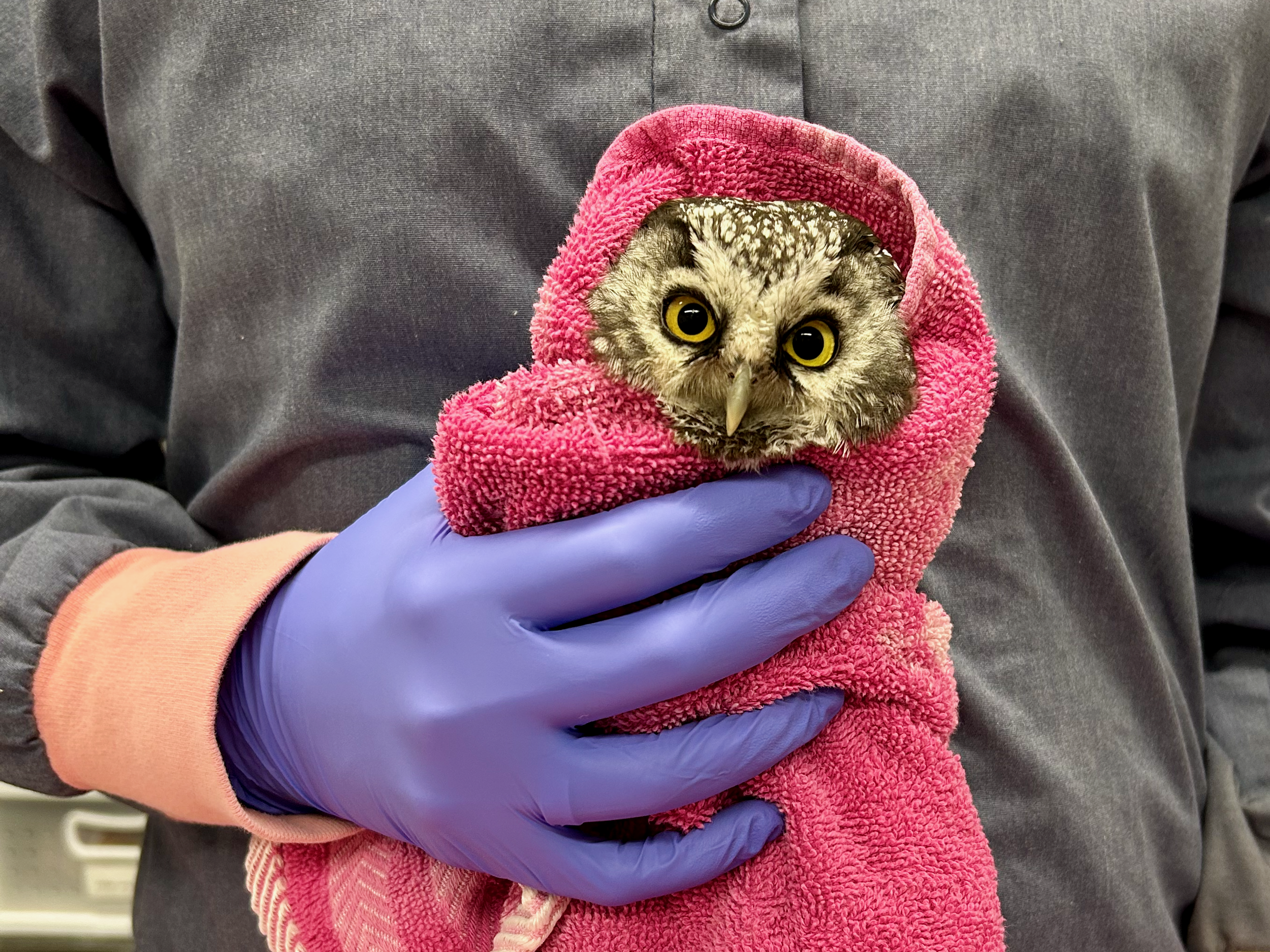
Handling an injured bird can be a delicate task. It’s crucial to ensure its safety and comfort during this process. Birds are fragile and can be easily stressed, so your approach should be calm and gentle. Handling them with care not only prevents further injury but also helps in calming their nerves. Remember, your primary goal is to stabilize the bird until you can get professional help.Use Soft Gloves Or Cloth
Always use soft gloves or a cloth when handling an injured bird. This prevents your fingers from accidentally poking or squeezing too hard. The texture of the cloth can also provide some comfort to the bird, mimicking a nest-like environment. It’s similar to how we feel snug under a warm blanket when we’re unwell.Minimize Stress And Movement
Keep the bird’s environment as calm as possible. Avoid loud noises or sudden movements that might startle it. When I once found a small sparrow with a wing injury, I noticed it calmed down significantly when I placed it in a quiet, dim room. The less stress the bird experiences, the better its chances of recovery.Avoid Direct Eye Contact
Direct eye contact can be intimidating for birds. They might perceive it as a threat. Try to keep your gaze soft and indirect. This small action can make a big difference in reducing the bird’s anxiety. Have you ever noticed how pets react when you stare too long? Birds are no different in this regard.
Credit: www.theraptortrust.org
Provide Basic First Aid
Providing basic first aid to a hurt bird is crucial to stabilize its condition before you can get professional help. Acting quickly and carefully can make a significant difference in the bird’s recovery. It’s important to handle the bird gently and know exactly what steps to take right away.
Clean Minor Wounds
Start by gently cleaning any small cuts or scratches on the bird. Use a soft cloth or cotton ball soaked in warm, clean water to wipe away dirt and debris. Avoid using hydrogen peroxide or alcohol, as these can damage delicate bird skin.
Be patient and calm while cleaning. Rushing might stress the bird more, making the injury worse. A clean wound lowers the risk of infection and helps the bird heal faster.
Stop Bleeding Safely
If the bird is bleeding, apply gentle pressure with a clean cloth or sterile gauze. Hold it firmly but without squeezing too hard, as birds have fragile bodies. Avoid using bandages unless you know how to apply them without restricting movement or breathing.
Can you imagine how quickly stress could worsen a bird’s condition? Keeping the bird calm while stopping bleeding is key to preventing shock. If bleeding doesn’t stop within a few minutes, it’s critical to seek veterinary care immediately.
Avoid Giving Food Or Water Immediately
It might be tempting to feed or give water to a hurt bird right away, but it’s better to wait. Injured birds often have trouble swallowing, and giving food or water too soon could cause choking or aspiration. Let the bird rest in a quiet, warm place first.
Once the bird seems calmer and more stable, offer small amounts of water or food carefully. Have you noticed how wild birds often hide when injured? Giving them space and time can improve their chances of recovery before you intervene further.
Contact Wildlife Experts
Contacting wildlife experts is a crucial step when you find a hurt bird. These professionals have the knowledge and resources to provide the right care. Trying to handle the situation alone can sometimes cause more harm than good.
Find Local Rehabilitation Centers
Look for wildlife rehabilitation centers near you. These centers specialize in helping injured birds recover and eventually return to the wild.
Many centers have websites or social media pages with contact details and admission guidelines. Calling ahead can save time and ensure the bird receives proper care quickly.
Have you checked your state or local government’s wildlife department website? They often list licensed rehabilitators and rescue organizations.
Know When To Seek Veterinary Help
Some injuries require immediate medical attention that only a vet can provide. If the bird is bleeding heavily, has broken bones, or is unconscious, take it to a vet right away.
Wildlife vets have special training for treating wild animals safely and effectively. They can also decide if the bird needs to be transferred to a rehabilitation center.
Do you know the closest veterinary clinic that handles wildlife emergencies? Keeping their number handy can make a big difference in an urgent situation.
Follow Expert Advice
Once you’ve contacted professionals, listen carefully to their instructions. They may advise you on how to handle the bird during transport or how to provide temporary care.
Experts might also warn against feeding or giving water improperly, which can sometimes worsen the bird’s condition.
Have you ever tried to nurse a wild animal without guidance? It’s easy to make mistakes that harm rather than help. Following expert advice ensures the best chance for recovery.
Prepare For Long-term Care
Preparing for long-term care is essential when you take in a hurt bird. Recovery doesn’t happen overnight, and your commitment can make a huge difference in the bird’s survival and well-being. Getting ready means understanding what the bird needs nutritionally, creating a safe and comfortable environment, and keeping a close eye on its healing process.
Understand Nutritional Needs
Birds have specific diets depending on their species. You need to research or ask a wildlife expert about the right food to give your injured bird. Offering the wrong food can slow down recovery or cause more harm.
Fresh water is just as important as food. Make sure the bird always has access to clean water but avoid forcing it to drink, as this can stress the bird. Instead, gently offer water with a dropper or shallow dish.
Have you considered how often you should feed the bird? Young or weak birds might need smaller, more frequent meals. Keep a feeding schedule to stay consistent and watch how the bird responds to each feeding.
Create A Suitable Habitat
Your bird needs a quiet, warm space away from noise and pets. Use a ventilated box or cage with soft bedding like paper towels or cloth. Avoid materials that the bird can swallow or get tangled in.
Temperature control is key. Birds often struggle to regulate their body heat when injured. Adding a heat source, like a warm water bottle wrapped in a cloth, can help maintain comfort without overheating.
Think about the bird’s safety and comfort. Place the habitat in a low-traffic area to reduce stress. You can also add a small perch if the bird is ready to try standing but avoid anything sharp or unstable.
Monitor Recovery Progress
Keep a daily journal of the bird’s behavior, eating habits, and physical changes. This record helps you notice improvements or warning signs early. For instance, if the bird stops eating or shows unusual lethargy, you’ll know to seek expert advice immediately.
Regularly check the bird’s wounds or injuries for signs of infection, such as swelling or discharge. Clean wounds carefully as instructed by a vet or wildlife rehabilitator. Remember, your careful observation can prevent complications.
Ask yourself: is the bird gaining strength or showing signs of stress? Patience is crucial, but knowing when to ask for professional help is equally important. Your attentiveness can be the difference between recovery and relapse.
Prevent Future Injuries
Preventing future injuries is key to keeping birds safe and healthy. Taking steps to reduce risks around your home and community helps protect these fragile creatures. Understanding hazards and making changes can save a bird’s life.
Identify Common Hazards
Birds face many dangers daily. Windows cause many crashes because birds cannot see the glass. Open water containers can trap small birds. Pets like cats and dogs may chase or harm birds. Toxic plants and chemicals also pose risks.
- Clear glass surfaces with decals or curtains
- Cover water sources or use bird-safe designs
- Keep pets supervised or indoors during bird activity
- Remove poisonous plants and avoid harmful chemicals
Make Outdoor Spaces Safer
Outdoor spaces can be safer for birds with small changes. Create safe zones by placing bird feeders and baths away from hazards. Use bird-friendly landscaping to provide shelter and food. Avoid using pesticides or traps that hurt birds.
- Place feeders near bushes or trees for cover
- Use non-toxic plants and natural materials
- Keep lawns and gardens free of sharp objects
- Check for and seal holes or gaps where birds may get trapped
Educate Others On Bird Safety
Sharing knowledge helps protect more birds. Teach neighbors and friends about bird hazards and how to avoid them. Encourage schools and local groups to promote bird safety. Awareness can lead to safer environments for wild birds everywhere.
- Share tips on social media or community boards
- Host talks or workshops about bird care and safety
- Provide simple guides or flyers for local residents
- Partner with wildlife organizations to spread awareness
Credit: www.birdtlc.org
Frequently Asked Questions
How Can I Identify If A Bird Is Hurt?
Look for visible wounds, limping, or unusual behavior like lethargy. A hurt bird may also have ruffled feathers or difficulty flying. Observing these signs helps decide if the bird needs care or professional help.
What Is The First Step In Caring For A Hurt Bird?
Gently place the bird in a warm, quiet, and dark box. This reduces stress and prevents further injury. Avoid handling the bird excessively to allow it to calm down.
Should I Feed A Hurt Bird Immediately?
No, avoid feeding the bird right away. Feeding can cause choking or worsen injuries. Wait until a wildlife expert advises or the bird stabilizes.
When Should I Seek Professional Help For A Hurt Bird?
If the bird has severe wounds, broken wings, or is unresponsive, contact a wildlife rehabilitator immediately. Professional care is crucial for serious injuries to improve recovery chances.
Conclusion
Caring for a hurt bird takes patience and gentle hands. Act quickly but stay calm to help the bird safely. Keep the bird warm and quiet to reduce stress. Offer water and soft food if the bird can eat. Remember, contacting a wildlife expert is often the best choice.
Your care can make a big difference in the bird’s recovery. Small steps lead to better health and a safe return to nature. Each bird deserves kindness and respect during healing.




