
Have you ever wanted to welcome more birds into your garden? Building bird houses is a simple, rewarding way to create a safe home for your feathered friends.
Imagine watching colorful birds visit your yard, chirping happily from a cozy nest you built yourself. In this guide, you’ll discover easy steps to craft bird houses that attract different species and last for years. Whether you’re a beginner or just looking for fresh ideas, this article will help you turn your outdoor space into a lively bird haven.
Keep reading, and you’ll be ready to start building your first bird house today!
Choosing The Right Materials
Choosing the right materials is the foundation of building a durable and inviting bird house. The materials you select affect not only the house’s longevity but also the safety and comfort of its feathered residents. Think about what will withstand weather, resist pests, and keep birds cozy through changing seasons.
Best Wood Types
Wood is the most popular choice for bird houses because it naturally regulates temperature and moisture. Cedar stands out as a top pick due to its resistance to rot and insects. Pine is affordable and easy to work with, but you’ll want to treat it carefully to prevent decay.
Hardwoods like oak and maple are durable but can be heavy and harder to cut. Avoid pressure-treated wood because it contains chemicals harmful to birds. Instead, opt for untreated, natural wood that will age well outdoors.
Essential Tools
Having the right tools makes building easier and safer. A saw—either hand or power—helps you cut the wood pieces to size. Sandpaper smooths rough edges, preventing injuries to birds and yourself.
Don’t forget a drill for making entrance holes and ventilation. Clamps keep pieces steady as you assemble, and a hammer or screwdriver will help secure nails or screws. Investing in quality tools saves time and improves your results.
Safe Paints And Finishes
Paints and finishes protect your bird house from weather damage, but safety is key. Use non-toxic, water-based paints or stains to avoid harming birds. Bright colors can attract predators, so stick to natural earth tones or soft greens.
Sealants should be breathable to prevent moisture buildup inside the house. Avoid glossy finishes that trap heat and moisture. Your goal is a protective layer that keeps the wood strong without sacrificing bird health.
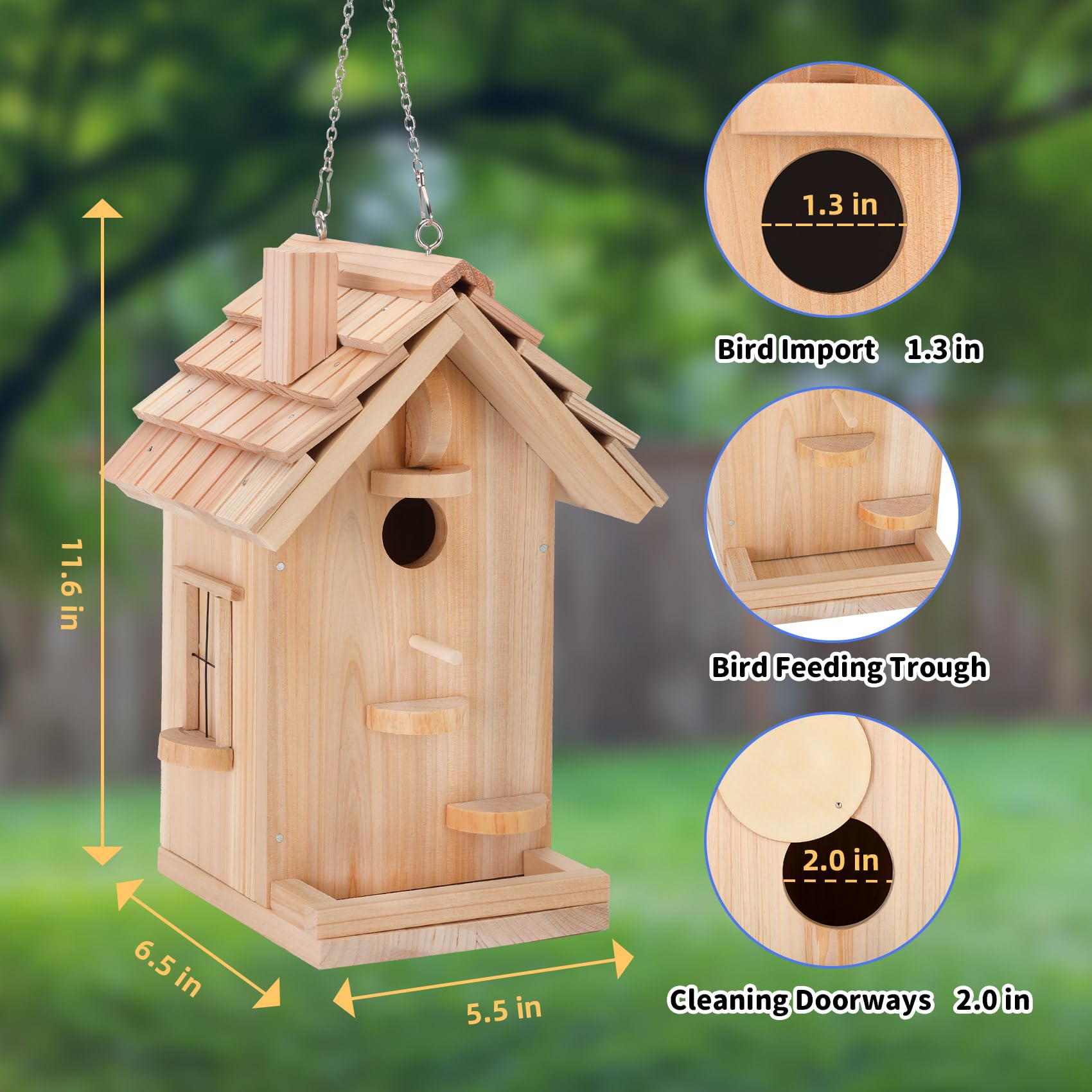
Credit: www.amazon.com
Selecting The Ideal Location
Choosing the right place for a bird house is key for bird safety and comfort. The location affects how often birds visit and stay. A good spot protects birds from weather and danger. It also helps keep the nest warm and dry. Picking a proper place takes careful thought about the environment.
Spotting Safe Areas
Look for quiet spots away from heavy foot traffic and loud noises. Trees or tall bushes nearby provide good cover. Avoid places near busy roads or playgrounds. Safe areas reduce stress for birds and keep nests undisturbed.
Considering Sunlight And Shade
Find a balance between sun and shade. Morning sunlight warms the nest gently. Afternoon shade keeps the house cool. Too much sun can overheat the nest. Too much shade may make it damp and cold. Choose a spot that gets soft sunlight without harsh heat.
Avoiding Predators
Keep the bird house out of reach from cats, squirrels, and raccoons. Place it high enough on a tree or pole. Use metal guards or smooth poles to stop climbing predators. Avoid spots near bird feeders that attract unwanted animals. Safe spots help protect eggs and chicks from harm.
Designing The Bird House
Designing the bird house is more than just picking a cute shape or color. It’s about creating a safe and comfortable space that attracts birds and keeps them protected. Every detail, from size to ventilation, affects whether birds will choose your house as their new home.
Size And Shape Tips
Different birds prefer different sizes and shapes. A boxy design works well for many small birds, but some species like wrens prefer a more vertical, narrow house.
Keep the dimensions practical. A bird house about 8 inches tall, 6 inches wide, and 6 inches deep suits many common backyard birds.
Think about the roof too. A slanted roof helps rain run off, preventing water from pooling inside.
Entrance Hole Dimensions
The size of the entrance hole is crucial. Too big, and predators can get in; too small, and your feathered friends won’t fit.
For example:
- Chickadees:1 1/8 inches diameter
- Bluebirds:1 1/2 inches diameter
- Wrens:1 inch diameter
Have you noticed how some birdhouses have adjustable holes? This lets you attract different species over time.
Ventilation And Drainage
Birds need fresh air to stay healthy. Make small ventilation holes near the top of the birdhouse to let air circulate.
Drainage holes at the bottom are just as important. They prevent water from pooling inside after rain, keeping the nest dry.
Think about how you can add these features without compromising the structure’s strength or safety.
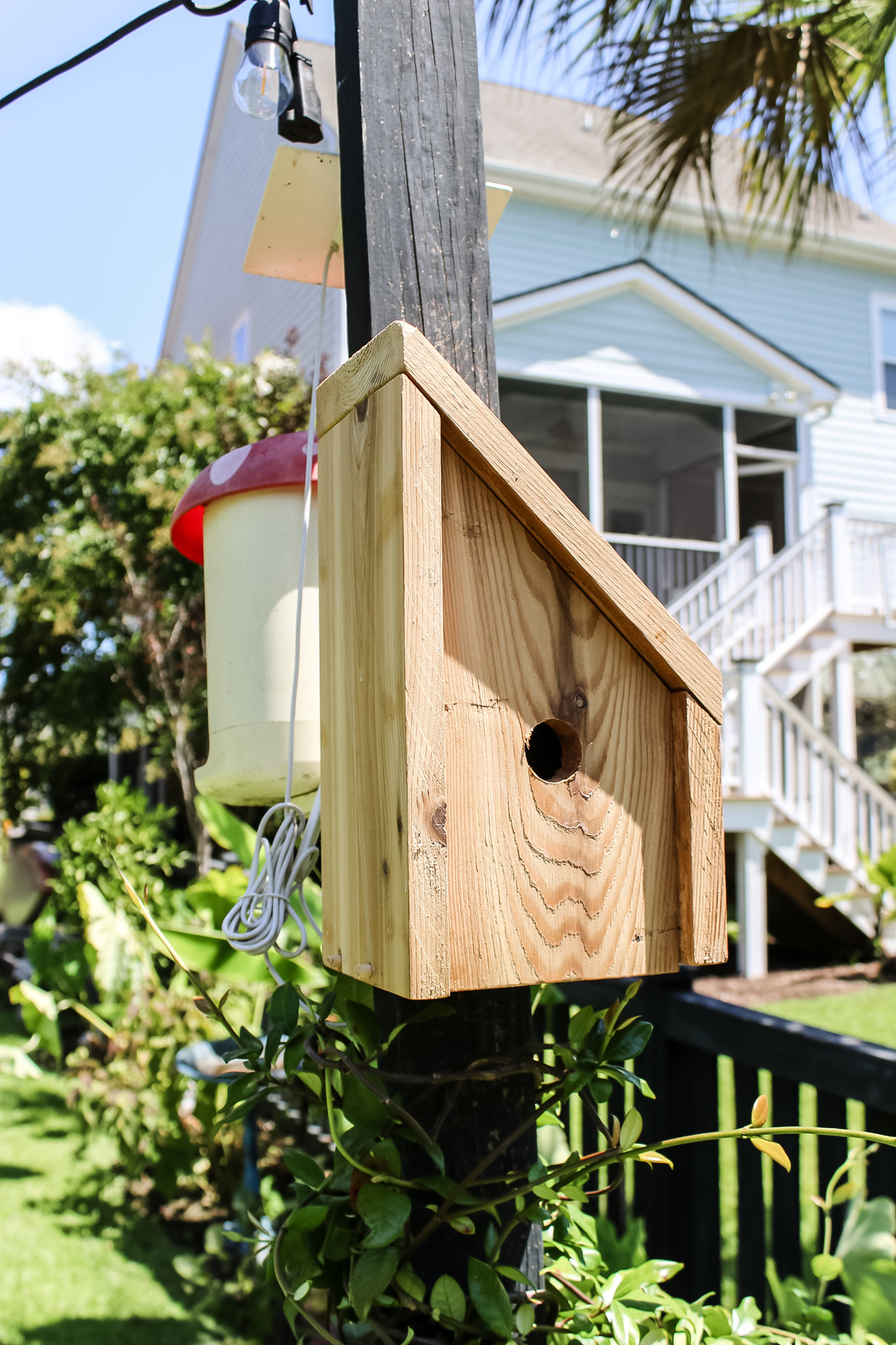
Credit: www.charlestoncrafted.com
Step-by-step Construction Guide
Building a birdhouse is an enjoyable project that connects you with nature while honing your woodworking skills. With a step-by-step guide, you can craft a cozy haven for your feathered friends. Each stage of construction is an opportunity to learn and create something beautiful and functional.
Cutting And Assembling Pieces
Begin with selecting the right type of wood. Cedar or pine are popular choices due to their durability and ease of use. Measure and cut the pieces according to your design, ensuring all sides fit snugly.
Lay out your pieces and double-check the dimensions. This is the perfect time to make adjustments before the final assembly. Assemble the sides, bottom, and back first, using wood glue and nails for added strength.
Securing The Roof
Once the base structure is sturdy, it’s time to add the roof. Choose a slanted design to allow rainwater runoff. Attach the roof pieces securely, ensuring they meet at the top without gaps.
Consider adding a small overhang to protect the entrance from rain. Secure the roof with screws, which provide more stability than nails. This is where you can also add a little creativity, perhaps by painting or adding a decorative touch.
Sanding And Finishing Touches
Sanding is a crucial step to ensure the safety of the birds. Smooth all edges and surfaces to prevent splinters. Use fine-grit sandpaper for the best results.
Think about adding a coat of non-toxic varnish to protect the wood from weather elements. This not only prolongs the life of the birdhouse but also makes it more appealing. Wouldn’t it be rewarding to see birds enjoying a home you built with such care?
Mounting And Maintenance
Mounting your birdhouse correctly and maintaining it regularly are key to attracting birds and keeping them safe. A well-mounted birdhouse stays secure through weather changes, and proper upkeep prevents diseases and pests that could harm your feathered visitors. Let’s dive into how you can make sure your birdhouse remains a welcoming home season after season.
Proper Mounting Techniques
Choose a sturdy spot that’s safe from predators and harsh winds. Mount your birdhouse at the right height—usually 5 to 10 feet off the ground—depending on the bird species you want to attract.
Use strong brackets or screws to fix the birdhouse firmly to a tree, post, or wall. Avoid using nails that can loosen over time or cause damage to the mounting surface.
Make sure the entrance hole faces away from prevailing winds and direct sunlight. This orientation helps keep the inside comfortable and dry.
Cleaning And Upkeep
Clean your birdhouse at least once a year, preferably in late fall after the birds have left. Remove old nesting material and scrub the interior with a mild bleach solution (one part bleach to nine parts water) to kill parasites.
Rinse thoroughly and let the birdhouse dry completely before remounting. Check for cracks, loose parts, or any signs of damage that need fixing to keep the house safe.
Consider adding ventilation holes if your birdhouse doesn’t have any. Good airflow prevents mold and keeps the birds healthy.
Monitoring Bird Activity
Keep a close eye on your birdhouse without disturbing the residents. Watching birds come and go can teach you a lot about their habits and needs.
Note the species using your house and the timing of nesting. This information helps you adjust maintenance schedules and improve the birdhouse design over time.
If you notice signs of predators or parasites, act quickly to reinforce protection or clean the house again. Protecting your birds is an ongoing commitment but deeply rewarding.

Credit: www.amazon.ca
Attracting Birds To Your House
Creating a bird-friendly space takes more than just building a house. Attracting birds needs thoughtful planning and care. Birds need food, water, and safe places to rest. Providing these elements helps invite many feathered friends to your yard.
Using Bird Feeders And Baths
Bird feeders offer a steady food source. Place feeders near your bird houses but not too close. This keeps birds safe and reduces crowding. Use feeders with different seeds to attract various species.
Bird baths supply clean water for drinking and bathing. Keep the water fresh and shallow. Change it every few days to prevent mosquitoes. A moving water feature, like a dripper, attracts more birds.
Planting Native Flora
Native plants provide natural food and shelter. Choose plants that produce seeds, berries, or nectar. Trees and shrubs offer protection from predators and bad weather. Planting in layers creates diverse habitats for different bird types.
Native flowers attract insects, which many birds eat. Avoid invasive plants that harm local ecosystems. Healthy native plants support a strong bird population year-round.
Avoiding Common Mistakes
- Do not place bird houses in direct sunlight all day. Birds need shade to stay cool.
- Avoid locations near busy roads or noisy areas. Birds prefer quiet spots.
- Keep feeders and houses clean to prevent diseases.
- Do not use pesticides near bird habitats. These chemicals harm birds and insects they eat.
- Ensure bird houses have proper ventilation and drainage.
Frequently Asked Questions
What Materials Are Best For Building Bird Houses?
Use untreated wood like cedar or pine for durability and safety. Avoid metal or plastic as they can overheat or harm birds.
How Do I Choose The Right Bird House Size?
Match the house size and entrance hole to the bird species you want to attract. Research specific bird preferences for best results.
Where Should I Place A Bird House For Safety?
Place bird houses 5-10 feet above ground in a quiet, shaded spot. Avoid areas with heavy foot traffic or predators nearby.
How Do I Maintain A Bird House Yearly?
Clean the bird house after each breeding season. Remove old nests and debris to prevent disease and encourage reuse.
Conclusion
Building bird houses brings joy and helps nature thrive. Simple tools and wood create safe homes for birds. Watching birds visit feels rewarding and peaceful. Small efforts make a big difference for local wildlife. Start with easy designs and enjoy the process.
Each birdhouse adds beauty to your garden or yard. Share your new skill with friends and family. Keep learning and improving your birdhouse building skills. Nature thanks you for giving birds a cozy place.




