
Have you ever wanted to bring the vibrant beauty of tropical birds to life on your paper? Drawing a tropical bird might seem tricky, but with the right steps, you can create a stunning image that bursts with color and detail.
Imagine the bright feathers, unique shapes, and lively poses—capturing all of this is easier than you think. In this guide, you’ll discover simple tips and tricks that will help you draw a tropical bird you’ll be proud of. Ready to surprise yourself with your own artistic skills?
Let’s get started!
Materials Needed
Gathering the right materials can make drawing a tropical bird easier and more enjoyable. The tools you choose impact your ability to capture fine details and vibrant colors. Let’s look at what you absolutely need and what can enhance your artwork.
Essential Drawing Tools
- Pencils:Start with a range of graphite pencils (HB, 2B, 4B) to sketch light outlines and add shading. I often find using a softer pencil like 4B helps to deepen shadows on feathers.
- Eraser:A kneaded eraser works wonders for lifting graphite gently without damaging the paper. It’s perfect for adjusting highlights on the bird’s plumage.
- Paper:Choose a smooth, medium-weight drawing paper. It holds pencil marks well and allows for easy blending. Avoid very rough textures that can make detail work difficult.
- Sharpener:Keep your pencils sharp for precise lines, especially when detailing beaks and feathers.
Optional Coloring Supplies
- Colored Pencils:Use vibrant colors like turquoise, orange, and yellow to mimic tropical bird feathers. Layering different shades adds depth and realism.
- Markers or Fine Liners:These help define edges and create crisp lines, especially around the eyes and wings.
- Watercolors:If you prefer softer color blends, a small set of watercolors can add a natural, fluid look to your bird drawing.
- Blending Tools:Blending stumps or tortillons make it easier to smooth pencil shading and create seamless transitions between colors.
Do you have a favorite tool that always helps you get the details just right? Sometimes, the simplest materials become your best friends in the creative process.

Credit: www.teacherspayteachers.com
Basic Shapes For Bird Outline
Drawing a tropical bird starts with simple shapes. These shapes form the bird’s basic outline. Using basic shapes helps keep proportions right. It also makes the drawing easier to adjust. Focus on circles, ovals, and lines first. These shapes represent the bird’s body parts. They guide where to add details later. Keep your pencil light for easy corrections.
Sketching The Body
Begin with an oval or egg shape for the body. This shape should be slightly tilted. It shows the bird’s posture and movement. The size depends on the bird species. Use a light pencil stroke to draw the oval. Add a small circle at one end for the chest. Connect the shapes with smooth lines. This forms a natural body outline.
Adding The Head And Beak
Draw a smaller circle above the body for the head. Place it near the front of the oval. Sketch a curved triangle extending from the head circle. This triangle is the bird’s beak. Adjust the beak’s size and angle to match the bird type. Use soft lines to keep the shape flexible. These shapes help place the eyes and feathers later.
Drawing Wings And Tail
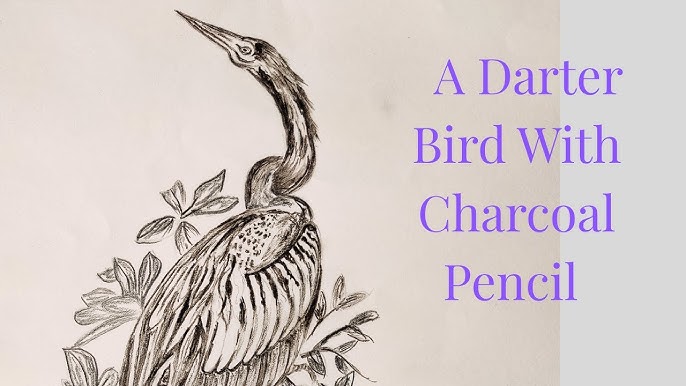
Drawing the wings and tail of a tropical bird brings life and movement to your artwork. These parts show the bird’s elegance and natural beauty. Focus on shapes and details to make your bird look real and colorful.
Wing Shape And Feathers
Start by sketching the wing’s outline gently. Tropical birds often have long, curved wings.
Use smooth lines to shape the top edge and softer curves for the bottom. The wing should look light but strong.
Divide the wing into sections for different feathers. Draw feathers as layered shapes:
- Primary feathers are long and narrow at the wing tip.
- Secondary feathers are shorter and rounder near the bird’s body.
- Coverts are small feathers that cover the base of the wing.
Overlap feathers slightly for a natural look. Add thin lines inside each feather to show texture.
Tail Feather Details
The tail helps balance the bird’s body and adds color contrast. Begin by drawing the tail’s base near the wing’s end.
Tail feathers often fan out. Draw them spreading evenly from the base. Use simple shapes for each feather, like narrow ovals or rectangles with rounded edges.
Pay attention to feather length and shape differences. Some tropical birds have long, narrow tail feathers, while others have short, wide ones.
Include small lines along each feather to create texture. Slight curves on feathers add a gentle flow to the tail.
Credit: www.youtube.com
Adding Facial Features
Adding facial features to your tropical bird drawing brings it to life. These details give character and personality. Focus on the eyes and beak for a realistic look. Small touches can change the bird’s expression and mood. Keep lines clean and shapes simple. This helps keep your drawing clear and inviting.
Eyes And Expression
Start with the eyes to capture the bird’s spirit. Draw a round or oval shape for the eye. Leave a small white spot to create a light reflection. This makes the eye look shiny and alive.
Use soft lines for the eyelid to show emotion. Slightly curved lines can make the bird look calm or curious. Sharp angles add alertness or focus.
- Keep the iris centered for a natural gaze.
- Use darker shades for the pupil for depth.
- Add tiny lines around the eye for texture.
Beak Refinement
The beak defines the bird’s face and function. Start with a basic shape matching the bird species. Tropical birds often have curved or pointed beaks.
Refine the edges with smooth, clean lines. Add a small line to show the beak’s division. Shade lightly under the beak for volume.
- Draw nostrils as tiny dots or ovals near the top.
- Highlight the tip for a glossy effect.
- Use subtle shading to suggest texture and thickness.
Detailing Feathers
Drawing tropical bird feathers requires careful layering and gentle strokes to show texture. Focus on the shape and direction of each feather for a natural look. Use light and dark shades to add depth and realism to your artwork.
Detailing Feathers Creating a lifelike drawing of a tropical bird hinges significantly on detailing its feathers. Feathers are not just about color; they are about texture, layers, and light. Mastering these aspects will elevate your drawing from a simple sketch to an intricate piece of art.Texture Techniques
To capture the texture of feathers, it’s essential to understand their structure. Feathers have a unique composition with a central shaft and delicate barbs. Start by sketching these elements lightly. Use varying pencil pressures to replicate the softness and hardness of feathers. A gentle stroke can mimic the light, fluffy down feathers, while a firmer hand illustrates the sturdier flight feathers. Consider using cross-hatching or stippling for added dimension. These techniques help create shadows and highlights, giving the feathers depth. Experiment with these textures to see what best suits your drawing style.Layering Feathers
Layering is key in achieving a realistic appearance. Begin by drawing the feathers closest to the body. These are often shorter and denser, providing the necessary base for your artwork. As you move outward, gradually increase the length and spacing of the feathers. This progression mimics the natural growth pattern seen in birds and adds to the authenticity of your drawing. Don’t forget to overlap the feathers slightly. This overlap is crucial for a realistic look, as it reflects the way feathers naturally lie on a bird. Pay attention to the direction of each feather; it should follow the contours of the bird’s body for a cohesive look. Have you ever noticed how a bird preens its feathers? This action keeps them aligned and in place, and understanding this can inform how you layer and arrange your drawn feathers. Remember, detailing feathers is as much about patience as it is about skill. Allow yourself the time to observe, practice, and perfect each stroke. Your tropical bird will thank you for it.
Credit: www.youtube.com
Coloring Your Bird
Begin by sketching the bird’s basic shape and outline. Use bright colors to capture the tropical bird’s vibrant feathers and details. Focus on simple shapes and bold strokes for a lively look.
Coloring your bird can bring it to life with vibrant hues. Tropical birds are known for their vivid colors. This step can enhance the beauty of your drawing. Use the right techniques to make your bird stand out. Let’s explore some tips for selecting colors and techniques.Choosing Tropical Colors
Select colors that reflect the bird’s natural habitat. Consider bright shades like red, blue, green, and yellow. These colors mimic tropical foliage and skies. Use colored pencils, markers, or watercolors for different effects. Keep a color reference image for guidance. It helps to capture the essence of the bird.Blending And Shading Tips
Blending colors can add depth to your drawing. Start with lighter shades and layer darker colors on top. Use a blending stump or soft brush for smooth transitions. Shading adds dimension, making the bird appear realistic. Focus on areas where light naturally hits and shadows form. This enhances the 3D effect. Use gentle pressure to avoid harsh lines.Final Touches
Adding final touches to your tropical bird drawing can transform it from simple to stunning. This stage is where your artwork gains depth, clarity, and personality. Paying close attention to details helps your bird truly come alive on the page.
Outlining And Highlights
Use a fine-tipped pen or a darker pencil to outline key parts of your bird. Focus on the edges of the wings, beak, and tail feathers to create clear shapes that stand out. This sharp contrast guides the viewer’s eye and gives your drawing a polished look.
Highlights add life to your bird. Choose a white gel pen or a light-colored pencil to add small bright spots on the eyes, feathers, and even the beak. These tiny touches mimic light reflecting off surfaces, making your bird appear more three-dimensional.
Correcting Mistakes
It’s normal to find small mistakes after finishing the main drawing. Instead of erasing heavily and damaging your paper, try gentle erasing or using a white gel pen to cover minor errors. This keeps your artwork clean without losing important details.
Don’t be afraid to adjust shapes or lines that look off. Sometimes shifting a feather’s curve or tweaking the beak angle makes a big difference in realism. Ask yourself, does this part look natural? If not, refine it until you’re happy.
Frequently Asked Questions
What Materials Do I Need To Draw A Tropical Bird?
You need pencils, erasers, colored pencils or markers, and drawing paper. Optional tools include blending stumps and reference images for accuracy.
How Do I Start Sketching A Tropical Bird?
Begin with basic shapes like circles and ovals to outline the bird’s body. Add guidelines for wings, beak, and tail placement.
What Colors Work Best For Tropical Bird Drawings?
Use vibrant colors such as bright reds, yellows, blues, and greens. These reflect the natural, vivid hues of tropical birds.
How Can I Add Realistic Details To My Bird Drawing?
Focus on feather texture, shading, and highlights. Use fine lines and layering techniques to create depth and lifelike appearance.
Conclusion
Drawing a tropical bird can be fun and relaxing. Start with simple shapes to build the bird’s body. Add details like feathers and colors step by step. Practice helps you improve your skills every time. Remember, each bird looks unique and special.
Keep your lines light at first and darken later. Enjoy the process more than the result. Try different colors to bring your bird to life. Your drawing will grow better with patience and care. Keep drawing, and soon you’ll create beautiful tropical birds with ease.




