
Are you thinking about building a cozy bird house but wondering if treated wood is a safe choice? You want to provide a comfortable home for your feathered friends, but you also want to make sure it’s healthy and long-lasting.
Using treated wood might seem like a good idea because it’s strong and weather-resistant—but is it really safe for birds? You’ll discover the facts about treated wood and how it can affect your bird house. Keep reading to make the best decision for your outdoor project and the birds you want to welcome.

Credit: happygardens.com
Types Of Treated Wood
Treated wood is wood that has chemicals added to protect it from insects and rot. It lasts longer than untreated wood.
You can find different types of treated wood. Some are safe for outdoor use, while others may not be safe for bird houses.
Common Chemicals Used
Treated wood uses chemicals to keep bugs and fungus away. Some chemicals are strong and not safe for birds.
- Chromated Copper Arsenate (CCA): Contains arsenic and is toxic to birds.
- Alkaline Copper Quaternary (ACQ): A safer copper-based chemical but still may harm birds.
- Copper Azole (CA): Uses copper and other chemicals that protect wood but can be risky.
- Borate: Less toxic and used mostly indoors, not good for wet places.
Pressure-treated Vs. Naturally Treated
Pressure-treated wood is soaked with chemicals under high pressure. This makes it strong but can be unsafe for birds.
Naturally treated wood uses natural oils or resins to protect against bugs. It is safer for bird houses.
- Pressure-treated wood lasts longer but may release harmful chemicals.
- Naturally treated wood is less toxic and better for wildlife.
- Untreated wood is safest but may not last outdoors.
- Always check if the wood is safe before using it for bird houses.
Health Risks For Birds
Treated wood often contains chemicals to prevent decay and insects. These chemicals can harm birds if used in bird houses.
Understanding the risks helps protect birds from health problems caused by treated wood.
Toxicity Concerns
Treated wood may have toxic substances like arsenic or copper. Birds can be poisoned by contact or by breathing dust from the wood.
- Arsenic can cause nerve damage and death in birds.
- Copper can irritate bird skin and respiratory systems.
- Chemicals may leach out when wet, contaminating bird nests.
- Young birds are more vulnerable to toxic effects.
Long-term Exposure Effects
Birds living in treated wood houses face long-term health problems. These include weakened immune systems and reproductive issues.
| Effect | Description |
| Immune Damage | Birds may get sick more often and recover slowly. |
| Reproductive Harm | Egg production can drop, and chicks may be weak. |
| Behavior Changes | Birds may avoid the house or show stress signs. |
| Shortened Lifespan | Overall health decline reduces bird lifespan. |
Alternatives To Treated Wood
Treated wood is often used for outdoor projects. It resists rot and insects. Still, it may contain chemicals that can harm birds.
Using safer materials helps protect birds. Many options work well for building bird houses without risks.
Untreated Wood Options
Untreated wood is safe for birds. It is natural and free from harmful chemicals. Cedar and pine are popular choices.
These woods last long outside. They offer good insulation and keep birds comfortable. Sanding the wood smooth helps prevent injuries.
- Cedar: Naturally resistant to rot and insects
- Pine: Affordable and easy to work with
- Redwood: Durable and weather-resistant
- Poplar: Light and easy to paint or seal
Eco-friendly Materials
Eco-friendly materials reduce environmental impact. Bamboo and reclaimed wood are good examples. They support sustainability and reuse.
Natural fiberboard made from plant fibers can also work. Use non-toxic sealants or oils to protect the bird house from weather.
- Bamboo: Fast-growing and strong
- Reclaimed wood: Reuses old wood, less waste
- Natural fiberboard: Made from plant fibers, biodegradable
- Non-toxic finishes: Protect wood without harming birds
Safe Practices For Using Treated Wood
Treated wood is strong and lasts long. People wonder if it is safe for bird houses.
Using treated wood needs care to keep birds safe. This guide helps you use it properly.
Sealing And Coating Methods
Sealing treated wood stops chemicals from leaking out. It protects birds from harmful substances.
Use non-toxic, water-based sealants. Apply several coats to cover all surfaces well.
- Sand the wood lightly before sealing
- Apply sealant to inside and outside
- Let each coat dry fully
- Choose sealants safe for wildlife
Proper Ventilation And Design
Good ventilation helps keep bird houses dry. It also lowers chemical buildup inside.
Design bird houses with holes or slots near the top. Make sure air can flow freely.
- Add small vents near the roof
- Avoid tight, closed spaces
- Use untreated wood for the floor if possible
- Keep designs simple and safe for birds
Expert Opinions And Studies
Many people ask if treated wood is safe for building bird houses. Experts have studied this topic to protect birds’ health. This article shares opinions from wildlife groups and scientific research findings.
Choosing the right wood matters for birds. Some woods may harm birds, while others keep them safe and dry. Let’s look at what experts say.
Wildlife Organizations’ Views
Many wildlife groups warn against using treated wood for bird houses. They say chemicals in treated wood can be toxic. These chemicals may harm baby birds or adults inside the house.
- The Audubon Society advises using natural, untreated wood.
- The National Wildlife Federation recommends cedar or pine wood.
- The Royal Society for the Protection of Birds (RSPB) discourages any treated wood use.
These groups focus on bird safety and avoiding chemical exposure. They suggest using safe, natural materials instead.
Scientific Research Findings
Researchers studied how treated wood affects birds. They found some treatments release harmful chemicals over time. These chemicals may cause health problems for birds living in these houses.
| Study | Finding |
| University of Georgia (2018) | Treated wood released copper and arsenic, toxic to birds. |
| Ecological Society Journal (2020) | Birds avoided nests made from treated wood. |
| US Fish & Wildlife Service (2019) | Untreated wood had better bird occupancy and survival rates. |
These studies show untreated wood is safer for birds. Using natural wood helps keep bird houses healthy and welcoming.
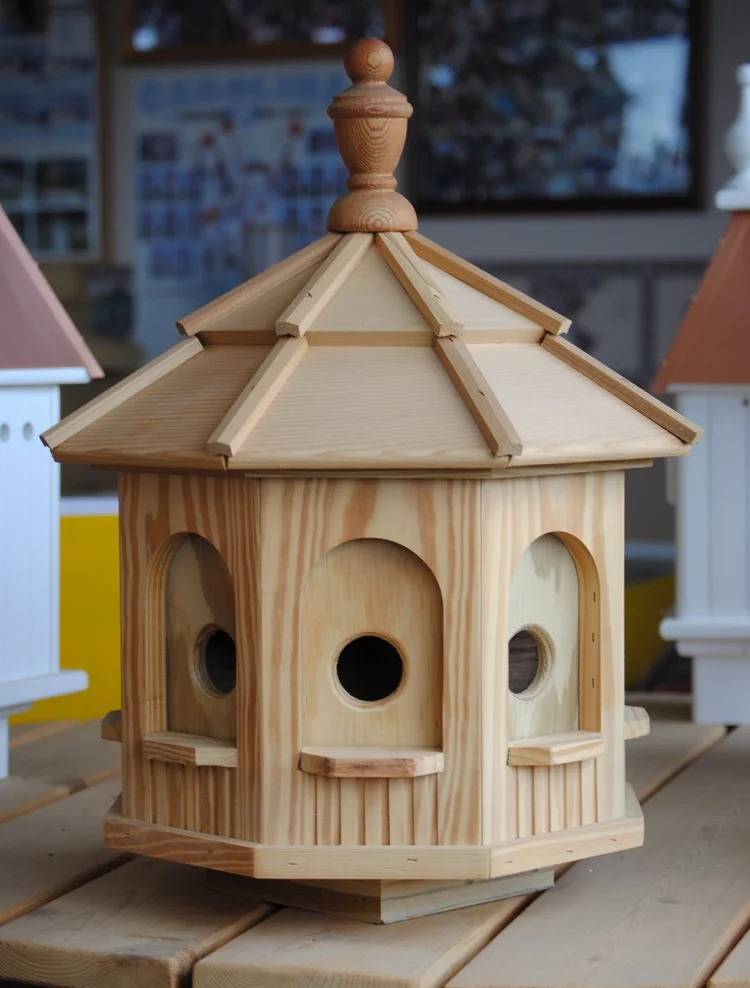
Credit: www.maysemfg.com
Diy Birdhouse Tips
Building a birdhouse is a fun project for any skill level. Choosing the right materials helps keep birds safe and comfortable.
Treated wood is often strong but may have chemicals that harm birds. Learn how to select materials and build safely.
Selecting Materials
Use untreated, natural wood like cedar or pine. These woods resist weather and are safe for birds.
- Avoid pressure-treated wood with chemicals
- Look for wood that is thick enough to protect birds
- Choose smooth wood to prevent injuries
- Use nails or screws that do not rust
Construction Guidelines
Build the birdhouse with proper ventilation and drainage. Make sure the entrance hole size fits the bird species.
| Feature | Recommendation |
|---|---|
| Entrance Hole Diameter | 1.25 to 1.5 inches for small birds |
| Ventilation | Small holes near the top sides |
| Drainage | Drill holes in the floor |
| Roof | Sloped and extends over entrance |

Credit: 100things2do.ca
Frequently Asked Questions
Is Treated Wood Safe For Building Bird Houses?
Treated wood often contains chemicals harmful to birds. It’s best to avoid it for bird houses. Use untreated, natural wood instead for a safe habitat.
What Types Of Wood Are Best For Bird Houses?
Cedar, pine, and cypress are excellent choices. These woods are durable, non-toxic, and weather-resistant, making them ideal for bird homes.
Can Treated Wood Affect Bird Health?
Yes, chemicals in treated wood can harm birds. Exposure may cause respiratory issues or poisoning. Always choose untreated wood to protect bird health.
How To Protect Untreated Wood Bird Houses?
Apply non-toxic, water-based sealants to untreated wood. This protects against moisture without risking bird safety. Avoid chemical-based paints or stains.
Conclusion
Choosing wood for birdhouses needs care. Treated wood isn’t the best. Chemicals can harm birds. Cedar or pine is safer. These woods are natural and bird-friendly. Always prioritize bird safety. Ensure your feathered friends have a healthy home. Simple changes make a big difference.
Protect birds with safe materials. Your choice impacts their well-being. Make informed decisions. Happy birdwatching!




