
Have you ever stopped to wonder if your hummingbird feeders could be a hidden risk for bird flu? You love watching those tiny birds dart and hum, but what if your feeders are more than just a source of joy?
Understanding the connection between hummingbird feeders and bird flu is crucial for keeping both your feathered friends and yourself safe. Keep reading to find out what you need to know to protect your garden and enjoy those vibrant visitors worry-free.
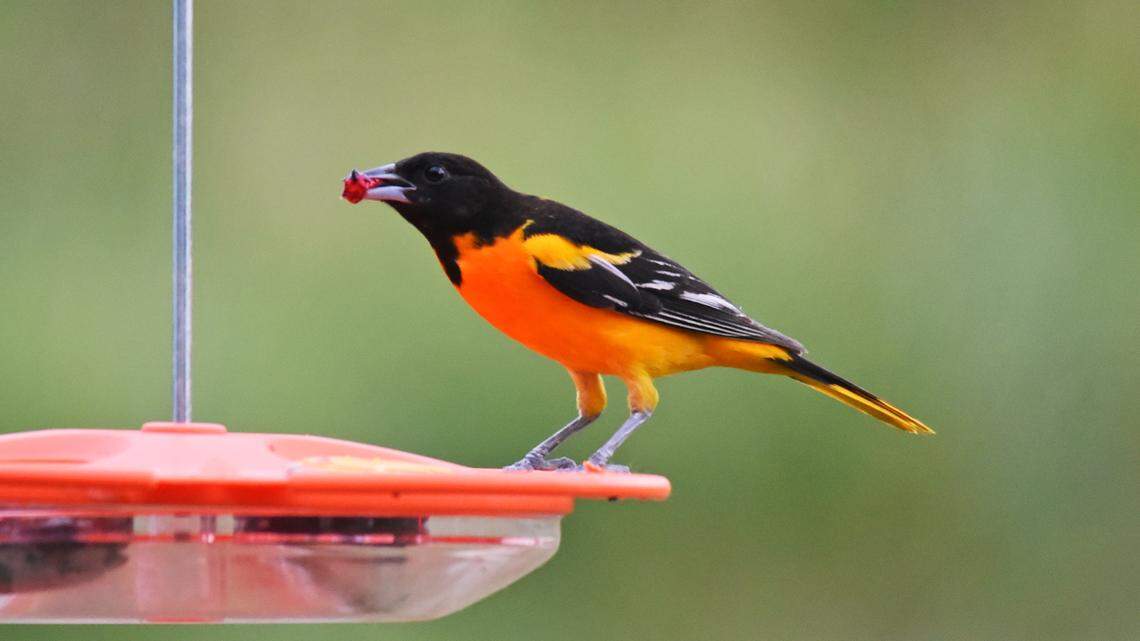
Credit: www.kentucky.com
Bird Flu Basics
Understanding bird flu is important for all bird lovers. It helps protect both birds and humans. Bird flu, also called avian influenza, affects many types of birds. Knowing the basics can clear up common worries about hummingbird feeders and bird flu risks.
What Is Bird Flu
Bird flu is a virus that infects birds. It can cause mild to severe illness. Some types spread quickly and cause many bird deaths. The virus mainly affects wild and domestic birds. People rarely get bird flu, but it can happen.
How Bird Flu Spreads
Bird flu spreads through contact with infected birds or their droppings. It can also spread by sharing water or food contaminated by the virus. The virus does not stay long outside the bird’s body. Clean feeders and fresh food lower the risk of spreading.

Credit: www.bellinghamherald.com
Hummingbird Feeders And Risks
Hummingbird feeders bring vibrant life to your garden, but they also come with some risks you should be aware of. Understanding these risks can help you enjoy your feathered visitors safely. Let’s take a closer look at how hummingbird feeders might affect bird flu concerns.
Attraction Of Hummingbirds
Hummingbird feeders are designed to attract these tiny birds by offering sweet nectar. This makes your yard a popular spot not just for hummingbirds but sometimes for other wildlife as well. When multiple birds gather, the chance of disease spread increases.
Have you noticed how quickly your feeder becomes crowded? That close contact can create an environment where viruses, including bird flu, might pass between birds. However, hummingbirds are not the primary carriers of bird flu, which usually affects waterfowl more. Still, it’s important to keep feeders clean to reduce any risks.
Potential Contamination Sources
Contamination can happen through several ways at your feeder. Nectar left out too long can grow mold or bacteria, attracting insects and other animals that can carry germs. If a sick bird visits, it might leave behind viruses in the nectar or on the feeder’s surface.
Think about how often you clean your feeder. If it’s infrequent, you increase the chance of germs building up. Using hot water and scrubbing regularly can prevent contamination. Also, placing feeders in open areas rather than crowded spots helps reduce disease spread by limiting bird-to-bird contact.
Transmission Possibility
Understanding the transmission possibility of bird flu through hummingbird feeders is crucial for anyone who enjoys watching these tiny birds up close. You might wonder if your feeder could be a source of infection for the birds or even for you. Let’s break down what current knowledge tells us about how bird flu interacts with hummingbirds and your safety around feeders.
Bird Flu In Hummingbirds
Hummingbirds are not commonly known carriers of bird flu, but that doesn’t mean they are completely immune. Cases of avian influenza in hummingbirds are extremely rare, mainly because their biology and behavior differ from other birds that are typical carriers.
Still, if an infected bird visits your feeder, the virus could potentially be passed through saliva or droppings left on the feeder’s surface. This makes regular cleaning of feeders vital to reduce any chance of disease spread.
Have you noticed how some feeders get sticky or dirty quickly? That buildup can become a breeding ground for germs, including viruses. Keeping your feeders clean every few days is a simple way to protect hummingbirds.
Risk To Humans From Feeders
The risk of humans catching bird flu from hummingbird feeders is very low. Bird flu viruses typically don’t transfer easily to people, especially through casual contact like touching feeders.
However, if you handle a feeder contaminated with bird saliva or droppings and then touch your face without washing your hands, there’s a slight chance of transmission. This is why it’s smart to wash your hands thoroughly after cleaning or refilling feeders.
Think about your own habits—do you clean your feeders regularly and wash your hands afterward? This small routine can make a big difference in keeping you and the birds safe.
Credit: www.allaboutbirds.org
Safety Measures For Feeders
Keeping your hummingbird feeders safe is key to protecting both the birds and yourself from potential health risks like bird flu. Simple precautions can make a big difference in maintaining a healthy feeding environment. Let’s look at practical steps you can take to keep your feeders clean and well-placed.
Cleaning And Disinfection Tips
Regular cleaning of your feeders is essential. Use hot, soapy water to scrub all parts of the feeder thoroughly. This removes mold, bacteria, and viruses that could harm hummingbirds.
After washing, rinse the feeder well and soak it in a solution of one part white vinegar to four parts water for about 30 minutes. Vinegar is a safe and effective disinfectant that helps eliminate pathogens without leaving harmful residues.
Allow the feeder to dry completely before refilling it with fresh nectar. How often should you clean? Ideally, clean your feeders every three to five days, or more frequently in hot weather when nectar can spoil faster.
Feeder Placement Guidelines
Where you place your hummingbird feeder matters for bird safety and disease prevention. Avoid placing feeders too close to each other or near dense shrubbery where birds might crowd and spread illness.
Choose a spot that’s easy for you to access for regular cleaning but also offers some natural shelter from wind and direct sunlight. This helps keep the nectar fresh longer and reduces stress on the birds.
Consider placing feeders at least 10 feet apart if you have multiple stations. This spacing reduces aggressive behavior and lowers the risk of disease transmission. Have you noticed how hummingbirds react when feeders are too close? Observing their behavior can guide better placement choices.
Monitoring And Reporting
Monitoring and reporting play a key role in preventing the spread of bird flu among wild birds and those visiting feeders. Careful observation of bird behavior and health helps detect early signs of illness. Prompt reporting of sick or dead birds to authorities supports quick response efforts. This keeps both birds and people safer.
Signs Of Bird Flu In Birds
- Sudden weakness or difficulty flying
- Swelling around the eyes, neck, or head
- Unusual drooling or nasal discharge
- Loss of appetite or lethargy
- Abnormal posture or trembling
- Sudden death without obvious cause
Spotting these signs early can help stop the virus from spreading. Watch hummingbirds and other birds closely at feeders. Note any unusual behavior or appearance.
When To Contact Authorities
- Finding more than one sick or dead bird near feeders
- Observing the signs of bird flu listed above
- Noticing a sudden drop in bird visits to your feeder
- Discovering birds with open wounds or strange growths
Report these findings to local wildlife or health officials immediately. Provide details like location, number of birds affected, and symptoms seen. Early communication aids in controlling outbreaks effectively.
Frequently Asked Questions
Can Hummingbird Feeders Spread Bird Flu To Humans?
No, hummingbird feeders do not spread bird flu to humans. Bird flu primarily affects certain bird species, not humans through feeders. Proper hygiene and cleaning of feeders reduce any minimal risk of disease transmission.
Is Bird Flu Common In Hummingbirds?
Bird flu is very rare in hummingbirds. The virus usually affects waterfowl and poultry. Hummingbirds are not typical carriers or transmitters of bird flu viruses.
How To Prevent Bird Flu From Hummingbird Feeders?
Clean feeders regularly with hot soapy water. Change nectar every few days to avoid bacteria growth. Avoid overcrowding feeders to reduce stress and disease spread among birds.
Can Contaminated Feeders Harm Hummingbirds?
Yes, dirty feeders can harbor mold and bacteria. This can cause illness in hummingbirds, but not specifically bird flu. Maintaining clean feeders is vital for healthy birds.
Conclusion
Bird flu from hummingbird feeders is very unlikely. Keeping feeders clean helps stop germs from spreading. Use fresh sugar water and change it often. Watch birds carefully for any signs of sickness. Healthy feeders keep hummingbirds safe and happy. Enjoy feeding birds, but stay cautious and informed.
This way, you protect both birds and yourself. Safe habits make bird watching more fun and worry-free.




