
Are you ready to discover the amazing birds that live just east of the Rockies? Whether you’re a beginner or a seasoned birdwatcher, this guide is made for you.
Imagine spotting a bright red cardinal or hearing the sweet song of a warbler right in your backyard. This field guide will help you recognize these beautiful creatures quickly and easily. You’ll learn where to find them, what they look like, and how to identify their unique calls.
Keep reading, and you’ll soon become confident in your birdwatching skills, turning every outdoor trip into an exciting adventure.

Credit: www.amazon.com
Bird Species East Of The Rockies
The bird species east of the Rockies offer a remarkable variety that can thrill both beginners and seasoned birdwatchers. This region’s diverse habitats—from dense forests to sprawling wetlands—support an impressive range of birds. Knowing which species to look out for can turn your birdwatching trip into a truly memorable adventure.
Common Songbirds
Songbirds are the soundtrack of many outdoor experiences east of the Rockies. You’ll often spot the bright red cardinal, whose vivid color is hard to miss. The cheerful chirping of the American robin is another frequent companion on morning walks.
Other common songbirds include the blue jay, known for its bold calls, and the chickadee, which often visits backyard feeders. Have you noticed how some songbirds adapt quickly to urban settings while others prefer deep woods? Observing these habits can reveal a lot about their survival strategies.
Raptors And Birds Of Prey
Raptors command attention with their powerful flights and keen hunting skills. The red-tailed hawk is one of the most widespread, often seen soaring above open fields. Sharp-eyed watchers might also spot the barred owl, especially during dusk when their hoots fill the forest.
Ospreys frequent lakes and rivers, diving spectacularly for fish. If you’re patient, you might catch a glimpse of a peregrine falcon darting at incredible speeds. What’s your strategy for spotting these elusive hunters? Timing and location often make all the difference.
Waterfowl And Shorebirds
Waterfowl thrive in the wetlands and lakes east of the Rockies. Mallards and Canada geese are familiar faces on many ponds and rivers. Shorebirds like sandpipers and plovers frequent muddy shores, often seen darting along the water’s edge in search of food.
During migration seasons, you might witness large flocks gathering in these habitats. Have you tried using binoculars to distinguish between similar species? It’s a skill that sharpens with every outing and adds depth to your birding experience.
Rare And Migratory Birds
Rare and migratory birds add an exciting element of surprise to birdwatching east of the Rockies. The wood thrush, with its ethereal song, often signals the arrival of spring. Some years bring unexpected visitors like the scarlet tanager or the yellow-bellied sapsucker, thrilling birders with their vibrant colors.
Tracking these birds requires attention to seasonal patterns and habitats. Have you ever planned a trip around a specific migration? It’s a rewarding way to witness nature’s rhythms and spot birds you might never see otherwise.
Credit: bellwoodsbooks.com
Habitat And Migration Patterns
Understanding where birds live and how they move is key to spotting them east of the Rockies. Each habitat offers unique clues about the species you might see. Watching their migration can turn a simple walk into an exciting birdwatching adventure.
Forests And Woodlands
Many birds east of the Rockies find shelter in dense forests and woodlands. These areas provide food, nesting sites, and protection from predators. You’ll often hear the melodic songs of warblers or see woodpeckers tapping on tree trunks here.
Have you ever noticed how some birds prefer the upper canopy while others stick closer to the forest floor? This vertical layering helps reduce competition and supports diverse bird populations.
Wetlands And Lakeshores
Wetlands and lakeshores attract water-loving birds like herons, ducks, and kingfishers. These habitats are rich in insects, fish, and amphibians that birds rely on for food. The mix of open water and vegetation creates perfect nesting spots and hunting grounds.
Next time you visit a marsh or pond, pause quietly and watch for subtle movements. You might catch a rare glimpse of a secretive bittern or a soaring eagle above the water.
Urban And Suburban Areas
Birds have adapted well to cities and suburbs, turning parks, gardens, and even rooftops into habitats. Species such as pigeons, sparrows, and cardinals thrive among human activity. Your backyard feeders can attract a surprising variety of birds if you choose the right seeds and feeders.
Think about your own neighborhood: how many different birds have you spotted? Small changes, like adding native plants, can make your space more inviting for local birds.
Seasonal Migration Routes
Birds east of the Rockies follow specific migration routes to reach breeding or wintering grounds. These flyways often trace rivers, coastlines, and mountain ridges. Timing is everything—some species pass through for just a few days, while others stay longer.
Have you tried planning a birdwatching trip around migration peaks? Watching the sky fill with flocks can be one of the most thrilling experiences you’ll have.
Essential Birdwatching Gear
Birdwatching is more rewarding when you have the right gear. The right tools not only improve your experience but also help you identify and enjoy birds east of the Rockies with ease. Let’s look at what gear you should consider packing for your next birdwatching adventure.
Binoculars And Scopes
Good binoculars are a birdwatcher’s best friend. Look for models with a magnification of 8x to 10x and a wide field of view to spot birds quickly. Scopes offer higher magnification but are less portable, so choose based on your birdwatching style.
Try holding your binoculars before buying to ensure comfort. You’ll spend a lot of time looking through them, so they should feel balanced and easy to adjust.
Field Guides And Apps
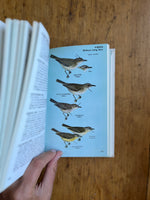
A reliable field guide tailored to birds east of the Rockies is essential for quick identification. Books like “A Field Guide to the Birds East of the Rockies” provide detailed illustrations and notes. However, apps can complement guides by offering audio calls and location-based sightings.
Consider apps like Merlin Bird ID or eBird to log your sightings and get help with tricky identifications on the go. How often do you check your phone for bird calls or photos during a walk?
Clothing And Accessories
Wear comfortable, weather-appropriate clothing with muted colors to avoid startling birds. Layers work best since mornings can be chilly and afternoons warm. Don’t forget a wide-brimmed hat and sunscreen for sun protection during long outings.
Bring a small backpack for essentials like water, snacks, and extra batteries. Have you ever missed a great bird moment because you had to rush back to the car for something?
Recording And Photography Tools
If you want to capture your birdwatching memories, a compact camera or smartphone with a good zoom lens helps. Digital recorders are great for capturing bird calls to identify later or share with friends. Stability is key, so consider a lightweight tripod or monopod to reduce shake.
Don’t overload yourself with heavy gear; instead, focus on tools that encourage you to observe more closely. What’s the most memorable bird photo or recording you’ve taken on a walk?
Techniques For Spotting Birds
Spotting birds east of the Rockies requires patience and keen observation skills. Familiarize yourself with common habitats and bird calls. Use binoculars for a closer look and take notes on unique features like color and size.
Spotting birds east of the Rockies is an exhilarating experience. It demands patience, keen observation, and a dash of strategy. Whether you’re a seasoned birder or a curious beginner, mastering the techniques to spot these feathered wonders can transform your outdoor adventures.Listening For Bird Calls
Bird calls are nature’s symphony, guiding you to hidden treasures in the foliage. Sharpen your listening skills by focusing on distinct sounds rather than visual cues. Challenge yourself to differentiate between the cheerful chirps of a cardinal and the melodic whistles of a warbler. Try visiting a local park at dawn when the air is alive with song. Close your eyes and let your ears guide you. Can you identify the number of different bird calls you hear?Using Camouflage
Blending into the environment can give you a sneak peek into the secret lives of birds. Wear earth-toned clothing to avoid startling your avian friends. Movement is your enemy; stay still and become part of the landscape. Once, while wearing a muted green jacket, I spotted a shy woodpecker just a few feet away. My attire and stillness made me invisible, allowing me to observe without intrusion.Timing And Weather Tips
Birds follow their own rhythms, often dictated by the time of day and weather conditions. Early mornings and late afternoons are peak times for bird activity. Overcast days can be surprisingly productive as birds remain active longer. Have you noticed how some birds become more vocal before a rainstorm? This might be the perfect opportunity to witness a flurry of activity.Approaching Birds Without Disturbing
Approaching birds without causing a flutter requires finesse. Move slowly and deliberately, avoiding sudden movements. Keep your distance and use binoculars to bring the birds closer to you. I once crept up on a group of sparrows, mimicking their movements and keeping my gaze soft. The reward was a front-row seat to their playful antics, undisturbed by my presence. These techniques require practice, but the results are rewarding. What strategies will you try on your next birding adventure?Bird Identification Tips
Identifying birds east of the Rockies can be both fun and rewarding. Paying attention to key features helps you recognize different species. Focus on what you see and hear around you. Use simple clues to make quick and accurate guesses. Each detail adds to the bigger picture of bird identification.
Plumage And Color Patterns
Bird colors often tell you their identity. Look for unique patterns on wings, chest, and head. Some birds have bright patches or stripes that stand out. Notice changes in color between males and females. Seasonal shifts in plumage also provide helpful hints.
Size And Shape Clues
Size helps narrow down possible species. Compare the bird to common animals or objects nearby. Observe the shape of the beak, tail, and body. Long tails or short, thick beaks are good clues. Shape often relates to how the bird eats or moves.
Behavior And Movement
Watch how the bird acts. Some birds hop on the ground while others fly swiftly. Listen to calls and songs, which differ by species. Feeding habits and flight style also guide identification. Movement patterns can be as telling as appearance.
Habitat Preferences
Birds choose habitats that suit their needs. Look at the environment around you: forests, wetlands, or fields. Each bird prefers certain plants or water sources. Knowing habitat helps predict which birds you may see. Habitat clues narrow down the bird list quickly.
Conservation And Ethical Watching
Watching birds east of the Rockies brings you closer to nature’s delicate balance. But your enjoyment comes with a responsibility to protect these creatures and their homes. Ethical watching ensures that bird populations thrive for years to come and that your presence causes no harm.
Protecting Bird Habitats
Birds rely on specific habitats for nesting, feeding, and shelter. You can help protect these areas by sticking to marked trails and avoiding sensitive zones, especially during breeding seasons. Notice how some spots feel quieter or have signs warning you to keep out? Respecting those boundaries keeps birds safe.
Think about your favorite birding location. Have you seen any signs of habitat damage, like trampled plants or litter? Your small actions, like carrying out trash or avoiding fragile areas, make a big difference in preserving these habitats.
Minimizing Human Impact
Approach birdwatching with a mindset of “leave no trace.” Keep noise low and movements slow to avoid startling birds. Using binoculars instead of getting too close lets you observe without disturbing them.
Consider your impact beyond just the moment of watching. Avoid using flash photography, which can stress birds. Also, resist the urge to feed birds. Feeding can disrupt their natural diet and behavior.
Supporting Local Conservation Efforts
Many communities near bird habitats have groups working hard to protect these areas. You can support them by donating, volunteering, or simply spreading awareness. These groups often offer guided walks, giving you a chance to learn while supporting conservation.
Have you checked if local parks or reserves have conservation programs? Joining these efforts strengthens your connection to the birds and helps maintain the places you love to visit.
Reporting Sightings Responsibly
Sharing your bird sightings contributes valuable data for scientists tracking populations. Use reliable platforms like eBird to report your observations. But be mindful of sharing exact locations of rare or endangered species to prevent disturbance or poaching.
Ask yourself: Could sharing this spot lead to overcrowding or harm? When in doubt, keep sensitive details private. Responsible reporting helps protect birds and supports ongoing research.

Credit: www.ebay.com
Frequently Asked Questions
What Bird Species Are Common East Of The Rockies?
Common birds east of the Rockies include the American Robin, Northern Cardinal, Blue Jay, and Eastern Bluebird. These species thrive in diverse habitats like forests, wetlands, and urban areas.
How Can I Identify Birds East Of The Rockies?
Look for key features like size, color patterns, beak shape, and song. Field guides and apps help with accurate identification in this region.
When Is The Best Time To Birdwatch East Of The Rockies?
Spring and fall migrations offer peak birdwatching opportunities. Early mornings provide the best chance to see active birds.
What Habitats Do Birds East Of The Rockies Prefer?
Birds inhabit forests, wetlands, grasslands, and suburban areas. Each habitat supports different species with unique nesting and feeding needs.
Conclusion
Birdwatching east of the Rockies offers many exciting moments. This guide helps you spot and learn about local birds. Enjoy quiet walks in nature, listening to bird songs. Watch their colors, shapes, and behaviors closely. Each bird tells a story about its home.
Keep this guide handy for your next trip outside. Happy birdwatching!




