
Are you ready to capture stunning photos of birds in their natural beauty? Choosing the right lens can make all the difference between a blurry snapshot and a breathtaking image.
You might wonder, which lens is best for bird photography? This guide will help you understand exactly what to look for, so you can bring your bird photos to life with sharp detail and vibrant colors. Keep reading to find out how to pick the perfect lens that fits your style and helps you get closer to your feathered subjects than ever before.
Choosing The Right Focal Length
Choosing the right focal length is key for bird photography. It controls how close or far the bird appears in your photo. The right lens makes your pictures sharp and detailed. You need a lens that suits your style and the birds you want to capture.
Birds often stay far away or move quickly. A longer focal length helps you get clear, close shots without disturbing them. Understanding lens types and camera sensors also helps you pick the best lens.
Telephoto Lenses For Distance
Telephoto lenses bring distant birds closer. They usually range from 300mm to 600mm or more. These lenses help capture birds in flight or perched far away. Longer lenses reduce the need to move closer and scare birds. They also create a nice blurred background, making the bird stand out.
Prime Vs Zoom Lenses
Prime lenses have one fixed focal length. They offer sharper images and wider apertures. Zoom lenses cover a range of focal lengths. They give flexibility to change framing quickly. Zooms are useful when birds move unpredictably. Primes often provide better image quality for a lower price. Zooms save time and effort in adjusting your position.
Crop Sensor Vs Full Frame Considerations
Crop sensor cameras have a smaller sensor size. They make lenses appear longer by a crop factor (usually 1.5x or 1.6x). A 300mm lens on a crop sensor acts like a 450mm or 480mm lens on full frame. Full frame cameras capture wider scenes and better low light performance. Crop sensors offer extra reach for bird photography at a lower cost. Choose your camera and lens based on your budget and shooting needs.

Credit: photzy.com
Lens Aperture And Its Impact
Understanding lens aperture is key to choosing the right lens for bird photography. Aperture controls how much light enters your camera and affects the image’s depth of field. This balance influences how sharp your subject appears against the background, which is crucial when capturing birds in their natural environment.
Wide Aperture Benefits
A wide aperture, such as f/2.8 or f/4, lets in more light, making your photos brighter. This is especially helpful when shooting fast-moving birds that require quick shutter speeds to freeze motion. I’ve found that using a wide aperture also creates a beautiful blurred background, making the bird stand out sharply.
Think about the last time you struggled with a dull, flat image. A wide aperture can add that pop by isolating your subject. It’s like giving your bird a spotlight on a busy stage.
Balancing Depth Of Field
Depth of field determines how much of your scene is in focus. A very wide aperture gives a shallow depth of field, which can sometimes blur parts of your subject if you’re not careful. On the other hand, a smaller aperture increases the depth of field, keeping more of the bird and surroundings sharp.
Consider what you want to highlight: the whole bird or just the eye? Adjusting your aperture helps you control this. For example, an aperture of f/5.6 often strikes a good balance, keeping enough of the bird sharp while still softening the background.
Low Light Performance
Bird photography often happens at dawn or dusk when light is limited. A lens with a wide maximum aperture allows you to shoot in these conditions without raising your ISO too much, avoiding noisy images. I remember a morning shoot where my f/2.8 lens made the difference between a clear, detailed shot and a blurry mess.
Choosing a lens with a wide aperture gives you flexibility to capture birds in challenging lighting. Ask yourself: how often will you be shooting in low light? Your answer will guide your lens choice.
Image Stabilization Features
Image stabilization plays a crucial role in bird photography, especially when you’re dealing with fast-moving subjects or shooting in low light conditions. It helps reduce camera shake, ensuring your shots come out sharp and clear. Understanding how different stabilization features work can significantly improve your handheld shooting experience.
Optical Vs In-body Stabilization
Optical stabilization happens inside the lens. It uses floating lens elements to counteract small movements. This is particularly helpful with telephoto lenses, which are common in bird photography.
In contrast, in-body stabilization (IBIS) occurs inside the camera body. It moves the sensor to compensate for shaking. Some cameras combine both systems for even better results.
Knowing which type your gear uses can guide your lens choice. Are you relying on your lens alone, or does your camera body assist as well?
Importance For Handheld Shots
Bird photography often requires quick reactions and mobility. Carrying a tripod everywhere isn’t always practical, so handheld shooting is common.
Image stabilization helps keep your shots steady when you can’t use support. It allows you to shoot at slower shutter speeds without blur, saving you in tricky lighting.
Have you noticed how much steadier your images become when you activate stabilization? This feature can make the difference between a missed shot and a keeper.
Reducing Motion Blur
Motion blur comes from camera shake or subject movement. Stabilization tackles the first issue effectively, but you still need fast shutter speeds for fast birds.
Using stabilization lets you push the limits of your shutter speed. You can shoot handheld at speeds you’d usually avoid, capturing crisp details.
Think about your last blurry bird photo—could better stabilization have saved it? It’s worth testing your gear’s limits to find your sweet spot.
Credit: www.livescience.com
Autofocus Speed And Accuracy
Autofocus speed and accuracy are crucial factors when choosing a lens for bird photography. Birds rarely stay still, so your lens needs to lock focus quickly and maintain it precisely to capture sharp images. If your lens struggles with focusing, you risk missing those perfect moments.
Tracking Moving Birds
Tracking birds in flight demands a lens that can keep up with rapid movements. A slow or inaccurate autofocus means blurry shots or missed opportunities. When I switched to a lens with faster autofocus, I noticed a dramatic improvement in my ability to capture birds mid-flight, even in tricky lighting.
Look for lenses that offer smooth and responsive focus tracking. This helps you follow erratic bird movements without losing sharpness. Do you find your current lens struggles to keep birds in focus while they dart around?
Continuous Autofocus Modes
Continuous autofocus (AF-C) mode is a must-have for bird photography. This mode constantly adjusts focus as your subject moves, unlike single autofocus which locks focus once. If your lens has reliable AF-C, you’ll spend less time refocusing and more time shooting.
Test how well your lens performs in continuous mode by photographing birds in flight or hopping from branch to branch. Some lenses even allow you to customize AF-C settings to better suit fast or erratic movements. Have you tried adjusting your camera’s AF settings to improve bird tracking?
Lens Motor Types
The type of motor inside your lens directly affects autofocus speed and noise. Ultrasonic motors (USM), stepping motors (STM), and linear motors are common in lenses designed for wildlife photography.
- Ultrasonic Motors (USM):Fast and quiet, ideal for capturing quick bird movements without startling them.
- Stepping Motors (STM):Smooth and nearly silent, great for video and stills, but sometimes a bit slower.
- Linear Motors:Provide quick and silent focusing, often found in high-end lenses.
Choosing a lens with the right motor can make a big difference. I remember switching from a lens with a noisy motor to one with USM, and the birds seemed less disturbed, allowing me to get closer shots. What kind of motor does your lens have, and how does it affect your shooting experience?
Weight And Portability
Weight and portability play a vital role in choosing a lens for bird photography. Heavy lenses can tire you quickly during long shoots. Portable lenses offer more freedom to move and adapt to different environments. Finding the right balance between these factors enhances your overall shooting experience.
Balancing Size And Reach
Long lenses are essential to capture distant birds clearly. These lenses often come with larger sizes and heavier weights. A bulky lens may offer better zoom but can be hard to carry. Smaller lenses are easier to handle but might lack sufficient reach. Choosing a lens depends on the kind of bird photography you plan to do.
Impact On Shooting Duration
Heavy lenses can cause fatigue quickly. Holding a large lens steady for long periods is challenging. This fatigue may reduce your shooting time and affect image quality. Lightweight lenses allow longer sessions without discomfort. Comfort helps maintain focus and patience during bird watching.
Travel-friendly Options
Traveling with bulky lenses is difficult and inconvenient. Compact lenses fit easily into camera bags and backpacks. They are ideal for bird photographers who move between locations. Many modern lenses offer good zoom with lighter designs. Choosing travel-friendly lenses helps capture birds without extra burden.
Credit: www.livescience.com
Recommended Lenses By Experts
Telephoto lenses with focal lengths of 300mm or more are ideal for bird photography. They help capture sharp details from a distance without disturbing the birds. Experts often recommend lenses with fast autofocus and image stabilization for clearer shots.
When capturing the beauty of birds, choosing the right lens can make all the difference. Expert photographers emphasize the importance of lenses that provide clarity, reach, and adaptability. Whether you’re a seasoned birder or a newbie, selecting the right lens can elevate your bird photography game to new heights. Here’s what the experts recommend.Top Telephoto Picks
Telephoto lenses are often the go-to for bird photography. They offer the reach needed to capture distant subjects without disturbing them. Models like the Canon EF 400mm f/5.6L and the Nikon AF-S NIKKOR 500mm f/5.6E PF ED VR are favored for their sharpness and lightweight design. Their fast autofocus helps you seize that perfect moment when a bird takes flight. Have you ever missed a shot because your lens couldn’t keep up? These telephoto options might just be the solution.Versatile Zoom Lenses
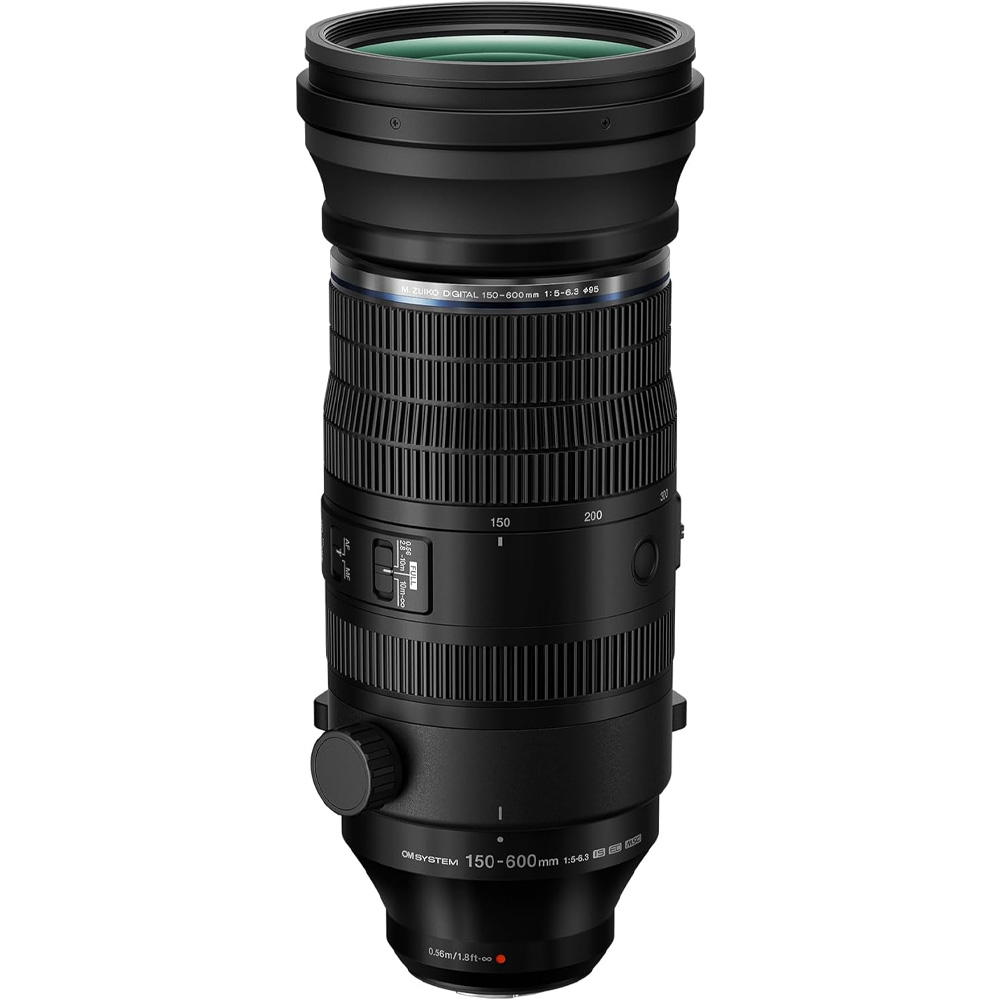
Zoom lenses provide flexibility, enabling photographers to adapt to changing environments and distances. The Sigma 150-600mm f/5-6.3 Contemporary and the Tamron SP 150-600mm f/5-6.3 Di VC USD G2 are highly recommended by experts. These lenses allow you to zoom in on a perched bird and then quickly widen the view for a flock in flight. Imagine capturing the intricate details of a bird’s plumage one moment and a sweeping landscape the next.Budget-friendly Choices
Not everyone has the budget for high-end lenses, but that doesn’t mean you can’t capture stunning bird images. Consider the Nikon AF-P DX NIKKOR 70-300mm f/4.5-6.3G ED VR or the Canon EF 75-300mm f/4-5.6 III. These lenses offer excellent performance without breaking the bank. They may lack some of the advanced features of pricier models, but they still deliver impressive results. What matters most is your creativity and how you use the equipment you have. Choosing a lens is a personal decision, influenced by your style, preferences, and budget. Whether you opt for a telephoto, zoom, or budget-friendly option, the right lens can help you capture the awe-inspiring world of birds in all their glory.Lens Accessories For Bird Photography
Telephoto lenses are popular choices for bird photography due to their long reach and clear focus. Using lens accessories like teleconverters can extend your lens range, helping capture distant birds with sharp details.
Capturing the delicate beauty of birds in their natural habitat requires not just skill, but also the right tools. While a good lens is essential, enhancing it with the right accessories can make a significant difference. Let’s delve into some indispensable lens accessories that can elevate your bird photography to new heights.Teleconverters To Extend Reach
Teleconverters are a game-changer for bird photographers. By increasing the focal length of your lens, they allow you to get closer to distant subjects without physically moving. Imagine capturing the intricate details of a bird’s plumage from afar, without disturbing its natural behavior. However, teleconverters come with a trade-off. They can reduce the maximum aperture, which might affect low-light performance. It’s crucial to strike the right balance—consider the lighting conditions and your camera’s ISO capabilities when using them.Tripods And Monopods
Stability is key in bird photography. A tripod or monopod can provide the support needed for those long, patient waits. They help in eliminating camera shake, ensuring your images are sharp and clear. When choosing between a tripod and a monopod, think about your shooting style. A tripod offers maximum stability but can be cumbersome. A monopod, on the other hand, provides flexibility and ease of movement, which is often needed when tracking fast-moving birds.Lens Hoods And Filters
Lens hoods and filters might seem minor, but they play a crucial role in enhancing image quality. A lens hood can shield your lens from stray light, reducing lens flare and improving contrast. This is especially beneficial in bright, sunny conditions. Filters, such as polarizers and UV filters, can enhance colors and protect your lens. Polarizers can cut through glare and enhance the saturation of the sky, making your bird shots pop. Always ensure your filters are clean to avoid degrading image quality. Are you utilizing these accessories to their full potential? Consider how they might transform your bird photography, allowing you to capture those fleeting moments with clarity and precision.Frequently Asked Questions
What Focal Length Lens Is Best For Bird Photography?
A telephoto lens between 300mm and 600mm is ideal. It lets you capture birds from a distance without disturbing them. Longer focal lengths provide better subject isolation and detail.
Can I Use A Zoom Lens For Bird Photography?
Yes, a zoom lens like 100-400mm offers versatility. It allows you to adjust framing quickly for different bird sizes and distances. It’s great for beginners and wildlife photographers on the move.
Why Is Lens Aperture Important In Bird Photography?
A wide aperture (f/2. 8 to f/5. 6) allows more light, enabling faster shutter speeds. This helps freeze bird motion and achieve a pleasing background blur (bokeh).
Are Prime Lenses Better Than Zoom Lenses For Birds?
Prime lenses often offer sharper images and wider apertures. However, zoom lenses provide flexibility. Choose based on your shooting style and the bird species you photograph.
Conclusion
Choosing the right lens makes bird photography easier and more fun. Telephoto lenses help you capture birds from far away. Fast lenses work well in low light and quick movements. A lightweight lens lets you move freely without fatigue. Remember, practice and patience improve your photos most.
Enjoy watching and photographing birds with your ideal lens. Keep trying different lenses to find what fits you best. Happy bird photography!




