
Are you tired of missing the best moments at your bird feeder? Imagine capturing every flutter, every curious glance, and every colorful visitor without lifting a finger.
Choosing the right bird feeder camera can make all the difference in turning your backyard into a live nature show. But with so many options out there, how do you know which one fits your needs perfectly? Keep reading, and you’ll discover exactly what to look for to find the best bird feeder camera for you.
Your birdwatching experience is about to get a whole lot better.
Features To Look For
Choosing the right bird feeder camera means focusing on features that ensure you get clear, detailed, and reliable footage of your feathered visitors. Not all cameras are created equal, so knowing what features matter can save you time and money. Think about what matters most to you—whether it’s crisp images, wide views, or hassle-free setup—and let that guide your choice.
Image Quality
Sharp images let you see the fine details of birds, from vibrant colors to delicate feathers. Look for cameras with at least 1080p resolution to capture clear, high-definition video. Don’t overlook frame rate; a smooth video at 30fps or higher makes bird movements look natural and enjoyable.
Field Of View
A wide field of view means you can monitor more area around your feeder without repositioning the camera constantly. Cameras offering 120 degrees or more help catch multiple birds at once and reduce blind spots. Ask yourself: do you want to focus on a single feeder or capture an entire backyard scene?
Night Vision
Birds don’t just visit during the day—some species are active at dawn or dusk, and night vision lets you keep watching. Infrared LEDs provide clear black-and-white images in low light without disturbing wildlife. Consider if you want continuous monitoring or just occasional night-time snapshots.
Connectivity Options
How you connect your camera affects convenience and reliability. Wi-Fi-enabled cameras allow live streaming to your phone or computer, perfect for checking in anytime. Some models offer SD card slots for local recording, which is handy if your internet isn’t stable or you want to save footage offline.
Power Sources
Power options impact where you can place your camera and how often you’ll maintain it. Battery-powered cameras offer flexible placement but need regular recharging or battery replacement. Solar-powered models reduce upkeep, while wired cameras provide constant power but require nearby outlets and more setup effort.
Top Bird Feeder Cameras
Choosing the right bird feeder camera can change the way you enjoy watching your feathered visitors. Whether you want crisp close-ups or easy setup, there’s a camera tailored to your needs. Let’s look at some of the best options available, so you can find the perfect match for your backyard birdwatching.
High-end Models
High-end bird feeder cameras offer exceptional image quality and durability. They often come with weatherproof designs and night vision, letting you capture birds at any time of day. Models like the Nest Cam IQ Outdoorprovide 4K video and smart alerts, making it easier to spot rare birds without missing a moment.
These cameras usually integrate well with smart home systems, so you can check your feeder from anywhere. They’re ideal if you want professional-grade footage or plan to share your videos online. However, expect to invest more for these premium features.
Budget-friendly Options
If you’re new to bird feeder cameras or don’t want to spend much, budget-friendly options are a great start. Cameras like the Wyze Cam v3offer good video quality and night vision at a fraction of the cost. You can still enjoy clear views and motion detection without breaking the bank.
Many budget models are easy to install and come with simple apps for viewing footage. They may lack some advanced features, but they get the job done well. Think about what features are essential for you before deciding.
Best For Beginners
For those just starting, ease of use is key. Cameras such as the Bird Buddy
These cameras often provide helpful guides and notifications tailored to new birdwatchers. They’re designed to encourage learning and engagement without overwhelming you with options. Would a simple yet effective camera make birdwatching more enjoyable for you?
Advanced Features
Some bird feeder cameras offer advanced features that enhance your viewing experience. Look for options with AI-powered bird recognition, automatic photo capture, and solar charging capabilities. These features reduce manual effort and ensure you never miss a special bird visit.
Models with two-way audio let you interact with birds or deter unwanted visitors. Plus, cloud storage options can keep your footage safe and accessible. If you want to dive deeper into birdwatching data, these features add significant value.
Installation Tips
Getting your bird feeder camera set up properly is key to capturing stunning footage and enjoying peaceful bird-watching moments. A few smart installation choices can make a big difference in image quality and camera durability. Let’s look at some practical tips that help you install your camera with ease and confidence.
Choosing The Right Location
Pick a spot where birds naturally visit often—near feeders, birdbaths, or flowering plants. This increases your chances of getting lively, close-up shots without disturbing the birds.
Consider the background too. A clutter-free, natural backdrop makes your videos look cleaner and highlights the birds better. Avoid placing the camera facing direct sunlight to prevent glare and washed-out images.
Think about your access to Wi-Fi or power sources. A location within range ensures smooth streaming and charging, so you don’t miss any action. Have you noticed how even a small change in location can improve your bird footage dramatically?
Mounting Techniques
Secure the camera firmly to prevent shaking or falling when birds land nearby. Use sturdy mounts like adjustable clamps or weather-resistant brackets designed for outdoor use.
Try mounting on tree branches, poles, or fence posts near the feeder. Make sure the camera angle captures the feeding area clearly but stays out of the birds’ way.
A tip from my experience: use zip ties and adhesive pads together for extra stability. This combo keeps the camera steady even in windy conditions without damaging surfaces.
Protecting From Weather
Outdoor cameras face rain, wind, and temperature swings daily. Shield your camera with waterproof covers or place it under eaves or porch roofs to reduce exposure.
Check if your camera has a weather-resistant rating like IP65 or higher. If not, add a small DIY shelter using clear plastic or acrylic sheets to keep moisture out without blocking the view.
Don’t forget to inspect cables and connections regularly. A little preventive care can save you from costly replacements and downtime during peak bird-watching seasons.

Credit: www.amazon.com
Enhancing Birdwatching Experience
Enhancing your birdwatching experience with a bird feeder camera turns simple observation into an interactive adventure. You get to see details that are often missed with the naked eye, like the subtle movements and behaviors of your feathered visitors. These cameras bring the thrill of nature right to your fingertips, making every birdwatching moment richer and more memorable.
Using Mobile Apps
Modern bird feeder cameras often come with mobile apps that let you watch live footage directly on your phone. This means you can check on your birds anytime, even when you’re away from home. The apps usually offer features like zoom, night vision, and motion alerts, keeping you connected with nature around the clock.
Think about how convenient it is to receive notifications when a rare bird visits your feeder. You don’t have to constantly stare out the window—you get instant updates. This real-time interaction makes birdwatching effortless and more exciting.
Recording And Sharing Footage
Recording videos or snapping photos from your bird feeder camera lets you capture unique moments for later enjoyment. Maybe a hummingbird pauses just long enough to catch its reflection, or a woodpecker drums on your feeder in a rhythmic pattern. These are memories you can revisit anytime.
Sharing your footage with friends or online birdwatching communities can spark conversations and even help identify species. Have you ever recorded a bird you couldn’t recognize? Sharing it might lead to surprising discoveries and new birding friends.
Attracting More Birds
A good bird feeder camera can also help you learn what attracts birds to your feeder. By observing footage, you notice which seeds, feeder designs, or locations bring in the most visitors. This insight helps you adjust your setup to invite a wider variety of birds.
For example, you might find that placing your feeder near certain plants encourages more activity. Or that different times of day yield different bird species. How often do you think about tweaking your feeder environment to bring more life to your backyard?
Common Issues And Solutions
Using a bird feeder camera can be incredibly rewarding, but it’s not without its challenges. You might face issues that disrupt your viewing experience or reduce the quality of your footage. Understanding common problems and how to fix them helps you get the most from your setup.
Connectivity Problems
One of the most frequent issues is poor or lost connection between your camera and your device. This usually happens due to weak Wi-Fi signals or interference from other electronics.
Try positioning your router closer to the feeder or using a Wi-Fi extender. Also, check if the camera’s firmware is updated—manufacturers often release fixes to improve connectivity.
Have you noticed your camera drops connection at certain times? This could be due to network congestion. Changing your router’s channel or switching to a less crowded frequency band might help.
Power Management
Power supply can make or break your bird feeder camera experience. Battery-powered models offer flexibility but can run out quickly, especially if motion detection is frequent.
Consider solar-powered options or using rechargeable batteries to reduce downtime. Also, setting the camera to record only when birds are nearby saves energy and extends battery life.
If your camera is wired, ensure the cables are weatherproof and securely connected. Loose or damaged wiring often leads to power interruptions that frustrate users.
Image Quality Troubleshooting
Blurry or dark images can ruin your birdwatching moments. Clean the lens regularly—dirt, dust, or spider webs are common culprits.
Adjust the camera’s focus manually if the image seems off. Some models let you tweak brightness and contrast settings; experiment with these to improve clarity.
Lighting matters. If your feeder is in deep shade, adding a small, bird-safe LED light can brighten the scene without scaring away visitors.

Credit: www.amazon.com
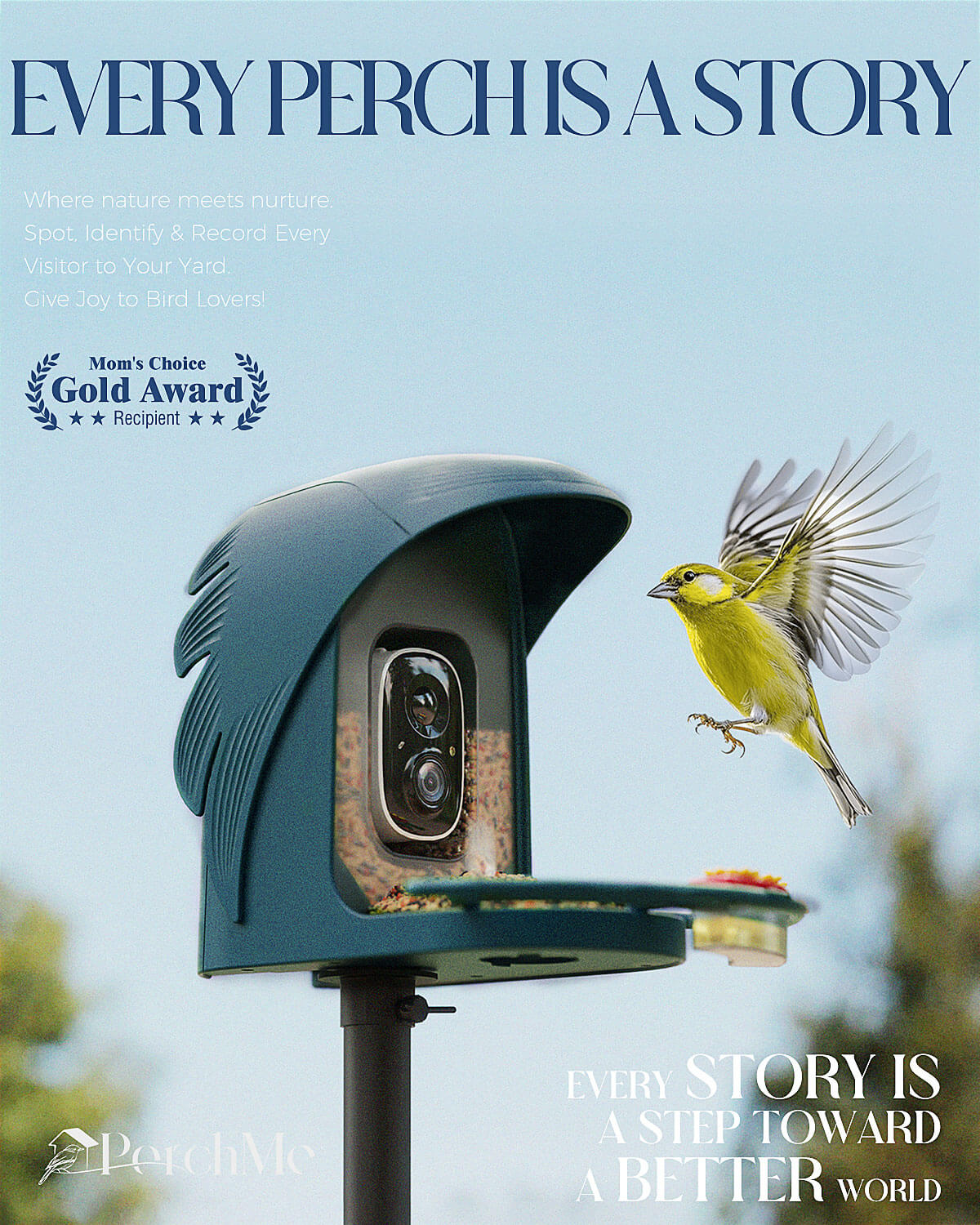
Credit: www.perchme.com
Frequently Asked Questions
What Features Make A Bird Feeder Camera The Best?
The best bird feeder cameras offer high resolution, night vision, motion detection, and weather resistance. Easy installation and Wi-Fi connectivity add convenience. These features ensure clear images and reliable operation, enhancing your birdwatching experience.
How Do I Choose A Bird Feeder Camera For Beginners?
Look for simple setup, user-friendly app, and good video quality. Affordable price and strong customer support also help. Choose a model with essential features like motion alerts and decent battery life for easy use.
Can Bird Feeder Cameras Record Videos Or Just Photos?
Most bird feeder cameras can capture both photos and videos. Many models offer continuous recording or motion-triggered clips. This versatility helps you capture detailed bird behavior and enjoy real-time viewing.
Are Wireless Bird Feeder Cameras Better Than Wired Ones?
Wireless cameras offer flexible placement and easier installation. Wired cameras may provide more stable power and connectivity but limit location options. Wireless models with strong Wi-Fi and battery backup are ideal for outdoor use.
Conclusion
Choosing the right bird feeder camera helps you enjoy nature up close. Clear images and easy setup matter most. Some cameras offer night vision and motion detection. Think about your budget and where you will place it. A good camera makes birdwatching more fun and simple.
Now, you can capture beautiful bird moments anytime. Take your pick and start watching birds today!




