
Have you ever wondered why some bird feeders are buzzing with colorful visitors while others sit empty? If you want to bring more birds to your yard, understanding what truly attracts them is key.
From the type of food to the feeder’s location, small details can make a big difference. You’ll discover simple secrets that will turn your bird feeder into a lively gathering spot. Ready to see your garden come alive with fluttering wings and cheerful chirps?
Let’s dive in!
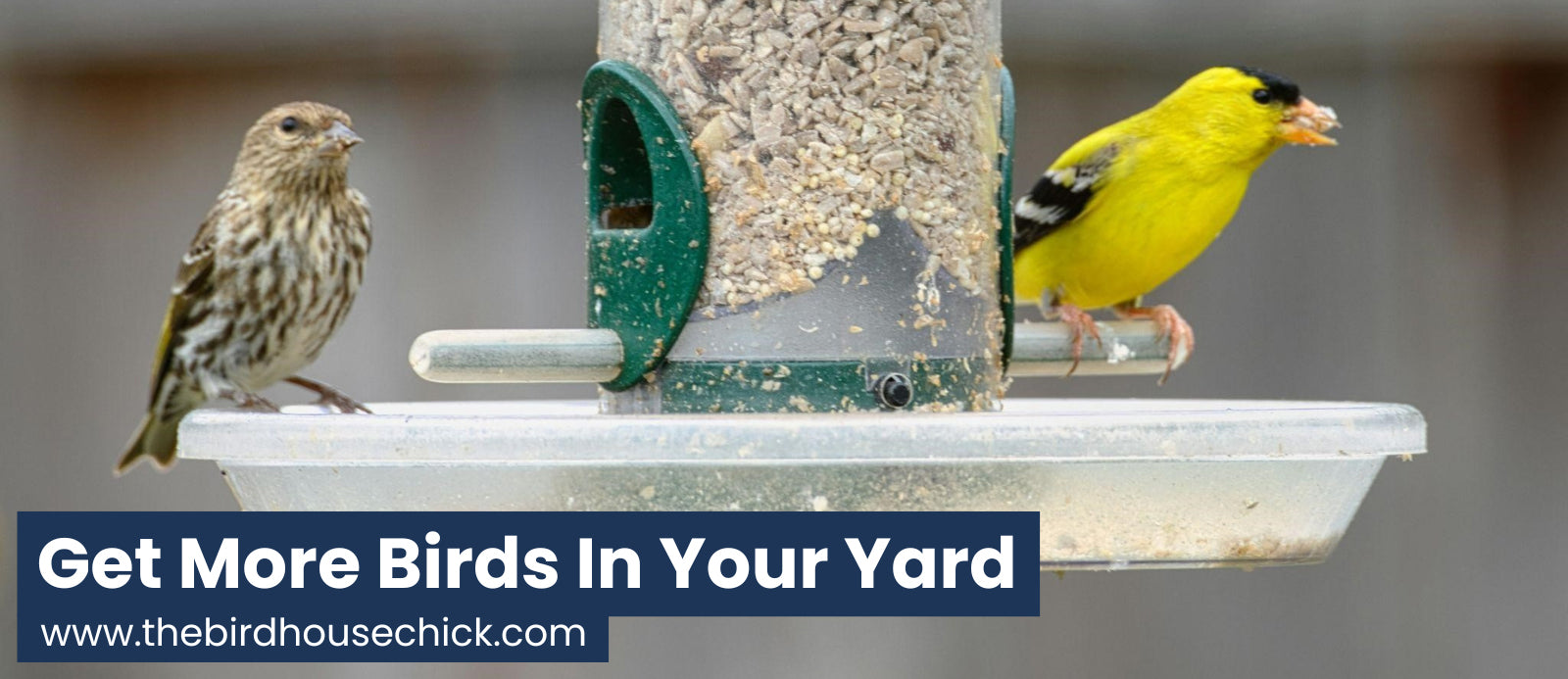
Credit: www.thebirdhousechick.com
Choosing The Right Feeder
Choosing the right bird feeder is crucial to attracting the birds you want to see. The feeder you pick not only affects which species visit but also how often they return. Understanding different feeder styles, materials, and where to place them can make your birdwatching experience more rewarding.
Types Of Bird Feeders
Different birds prefer different feeders. Tube feeders are excellent for small songbirds like finches and chickadees. Platform feeders offer an open space that attracts a wide variety of birds, including cardinals and doves.
Hopper feeders hold a large amount of seed and appeal to medium-sized birds such as jays and grosbeaks. Suet feeders are perfect for woodpeckers and nuthatches that love high-energy snacks. Choosing the right type depends on the birds common in your area and your feeding goals.
Material And Durability
Consider how long your feeder will last and how easy it is to clean. Metal feeders tend to resist squirrels and weather damage better than plastic ones. Wooden feeders offer a natural look but need regular maintenance to prevent rot and mold.
Clear plastic feeders let you see the seed level easily, but they can crack or become cloudy over time. Reflect on your local climate and wildlife challenges to select a feeder that stays functional and attractive season after season.
Placement Tips
Where you hang your feeder can make all the difference. Place feeders near natural cover like trees or shrubs so birds feel safe from predators. However, avoid spots too close to windows to reduce collision risks.
Think about sunlight exposure; morning sun can warm the feeder, encouraging early bird visits. Also, keep feeders away from areas where squirrels or other pests can easily raid them. Adjusting placement based on what you observe can increase your success in attracting birds.
Selecting Bird-friendly Seeds
Selecting the right seeds is key to attracting birds to your feeder. Birds prefer certain seeds over others. Choosing bird-friendly seeds encourages more visitors and keeps them coming back. Seeds also affect bird health and feeder cleanliness. Offering a variety of seeds can attract different bird species. Understanding which seeds suit your local birds improves your feeder’s success.
Popular Seed Varieties
- Black Oil Sunflower Seeds:Loved by many birds for their high fat content.
- Nyjer (Thistle) Seeds:Small seeds preferred by finches and siskins.
- Safflower Seeds:Less attractive to squirrels, liked by cardinals and grosbeaks.
- Milo (Sorghum):Favored by doves and pigeons.
- Peanuts (Shelled or Whole):High in protein, attracts woodpeckers and jays.
Seasonal Seed Choices
Seed preferences change with seasons. In winter, birds need high-energy seeds like sunflower. Spring and summer bring insects, so birds may eat fewer seeds. Offering a mix with smaller seeds helps in warmer months. Fall is a good time for seeds rich in fats and oils. Adjust seed types to match birds’ changing diets and energy needs.
Avoiding Harmful Seeds
Some seeds can harm birds or cause feeder problems. Avoid seeds with fillers like wheat, oats, or red millet. These often go uneaten and spoil quickly. Moldy or old seeds can cause illness. Stay away from salted or flavored seeds. Use fresh, clean seeds to protect bird health and keep feeders clean.
Creating A Bird-friendly Environment
Creating a bird-friendly environment around your feeders does more than just attract birds; it encourages them to stay and visit often. Birds seek places where they feel safe, have easy access to food and water, and can rest comfortably. By focusing on these needs, you can transform your yard into a lively bird haven.
Providing Water Sources
Birds need water for drinking and bathing. Adding a shallow birdbath or a small fountain near your feeder can make a big difference. Moving water attracts birds more than still water because it signals freshness and safety.
Keep the water clean and change it regularly to prevent the spread of diseases. If you live in colder areas, consider a heated birdbath to provide water during winter. Have you noticed how birds often gather around water before feeding? This shows how important water sources are to them.
Adding Shelter And Perches
Birds look for nearby shelter to hide from predators and rest between visits to your feeder. Planting shrubs, trees, or installing brush piles gives them the cover they need. Even a simple birdhouse or nest box can provide safe refuge.
Perches close to feeders allow birds to rest and watch for threats. You can add natural branches or metal hooks for this purpose. Think about the last time you saw birds comfortably perched near feeders—did you notice how often they returned to the same spot?
Maintaining Cleanliness
Cleanliness is vital to keep birds healthy and happy. Regularly clean your feeders to remove moldy seeds and droppings. Dirty feeders can spread illnesses that discourage birds from visiting.
Set a schedule to wash feeders with warm, soapy water every two weeks, and rinse well. Don’t forget to clear fallen seeds and debris beneath feeders. Have you ever stopped feeding birds because of unclean conditions? Keeping things tidy encourages continuous visits.
Timing And Feeding Frequency
Timing and feeding frequency play a crucial role in attracting birds to your feeders. Birds have natural routines and feeding habits that influence when and how often they visit. Understanding these patterns can help you optimize your bird feeding setup for better results.
Best Feeding Times
Birds are most active during the early morning and late afternoon. Offering fresh food at these times increases your chances of visits. Try filling your feeders just before dawn to catch early risers and again in the late afternoon to attract birds preparing for the evening.
Have you noticed birds lingering around your yard more at certain hours? Aligning your feeding times with their natural activity can make your feeder a regular stop for them.
How Often To Refill
Refilling your feeder depends on the number of birds visiting and the type of food you offer. If you see the food disappearing quickly, you’ll want to refill more often to keep the feeder inviting.
Don’t let your feeder run empty for long. Empty feeders can discourage birds from returning. Consider checking your feeder daily during peak seasons and every few days in slower periods.
Adapting To Bird Activity
Bird activity changes with seasons, weather, and local conditions. Pay attention to these shifts and adjust your feeding schedule accordingly.
If birds arrive in larger numbers, increase feeding frequency to meet their demand. During colder months, they may need food more often to maintain energy. Watching their behavior helps you become a more effective feeder and a better bird host.
Attracting Specific Bird Species
Attracting specific bird species to your feeders requires understanding their unique needs. Different birds prefer various foods, feeder types, and locations. Tailoring your feeder setup can invite a variety of birds to your yard. This section highlights ways to attract hummingbirds, finches, sparrows, and woodpeckers effectively.
Feeding Hummingbirds
Hummingbirds love sweet nectar. Use feeders with bright red parts to catch their attention. Fill feeders with a sugar-water mix made from four parts water and one part sugar. Avoid using honey or artificial sweeteners. Place feeders near flowers or shaded spots. Change the nectar every few days to keep it fresh. Clean feeders regularly to prevent mold and bacteria.
Luring Finches And Sparrows
Finches and sparrows prefer seeds. Offer nyjer (thistle) seeds for finches. Use tube feeders with small holes to hold nyjer seeds. Sparrows enjoy millet and sunflower seeds. Platform feeders or hopper feeders work well for sparrows. Scatter some seeds on the ground to attract ground-feeding birds. Keep feeders clean and dry to avoid mold.
Welcoming Woodpeckers
Woodpeckers like suet and nuts. Hang suet cages filled with suet cakes near trees. Use feeders that hold shelled peanuts or sunflower seeds. Place feeders where woodpeckers can perch easily. Woodpeckers are shy, so position feeders in quiet areas. Avoid feeders that spin or move too much, as woodpeckers prefer stability.
Credit: www.youtube.com
Common Mistakes To Avoid
Choosing the wrong type of bird food can deter birds from visiting. Placing feeders in busy or noisy areas may scare them away. Neglecting to clean feeders regularly can lead to mold, making them unattractive to birds.
Attracting birds to your backyard feeder can be a delightful experience, but it’s important to avoid common mistakes that could deter our feathered friends. While bird feeders are a wonderful way to bring nature closer, certain missteps can actually make your garden less appealing to birds. Understanding these pitfalls will help you create a welcoming environment that keeps birds returning day after day.Overfeeding Issues
Overfeeding is a common mistake many bird enthusiasts make. It might seem generous to keep your feeders constantly filled, but this can lead to spoiled seeds and potentially harm the birds. To avoid this, try filling your feeders with just enough food for a day or two. This ensures the seeds remain fresh and encourages birds to forage naturally in your garden. Plus, it reduces waste and saves you money on birdseed.Ignoring Feeder Maintenance
Neglecting feeder maintenance is another pitfall. Dirty feeders can harbor mold and bacteria, which are harmful to birds. Make it a habit to clean your feeders regularly with hot water and a mild detergent. Rinse thoroughly and let them dry completely before refilling. This simple routine can make a significant difference in maintaining a healthy feeding environment.Unsafe Feeder Placement
Placing your feeder in the wrong location can make birds vulnerable to predators. Ensure your feeder is placed in a safe spot, away from potential dangers like cats or hawks. A good rule of thumb is to keep feeders at least 10 feet away from cover where predators might hide, but close enough to trees or shrubs that provide quick escape routes. Have you checked if your feeder’s location is safe for your visiting birds? A little observation can go a long way in ensuring their safety.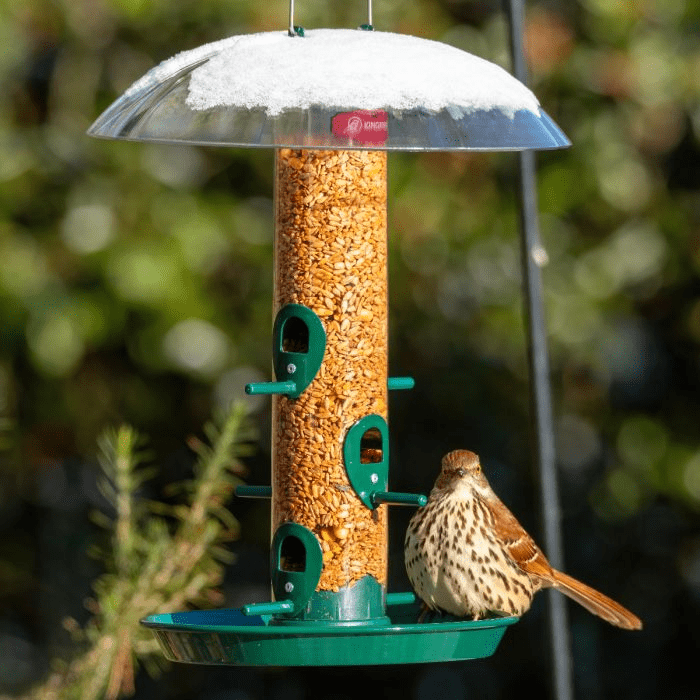
Credit: www.kingsyard.com
Frequently Asked Questions
What Types Of Seeds Attract The Most Birds?
Black oil sunflower seeds attract many bird species due to high oil content. Nyjer and millet also attract finches and sparrows. Mixed seed blends appeal to diverse birds by offering variety.
How Does Feeder Placement Affect Bird Visits?
Placing feeders near shrubs or trees provides shelter and safety, encouraging bird visits. Avoid open, exposed areas to reduce predator risks and increase feeder use.
Why Is Feeder Cleanliness Important For Birds?
Clean feeders prevent mold, bacteria, and disease spread among birds. Regular cleaning ensures healthy visits and encourages birds to return frequently.
What Feeder Types Attract Specific Bird Species?
Tube feeders attract small songbirds like finches. Hopper feeders appeal to larger birds like cardinals. Platform feeders suit ground-feeding birds like doves and juncos.
Conclusion
Birds visit feeders for food, safety, and shelter. Seeds, colors, and feeder types all play a role. Clean feeders and fresh water help attract more birds. Watching birds can bring joy and calm moments. Keep your feeder filled and enjoy nature close by.
Small efforts lead to a lively, bird-filled yard. Try different seeds to see which birds come by. Nature is full of surprises, right outside your window.




